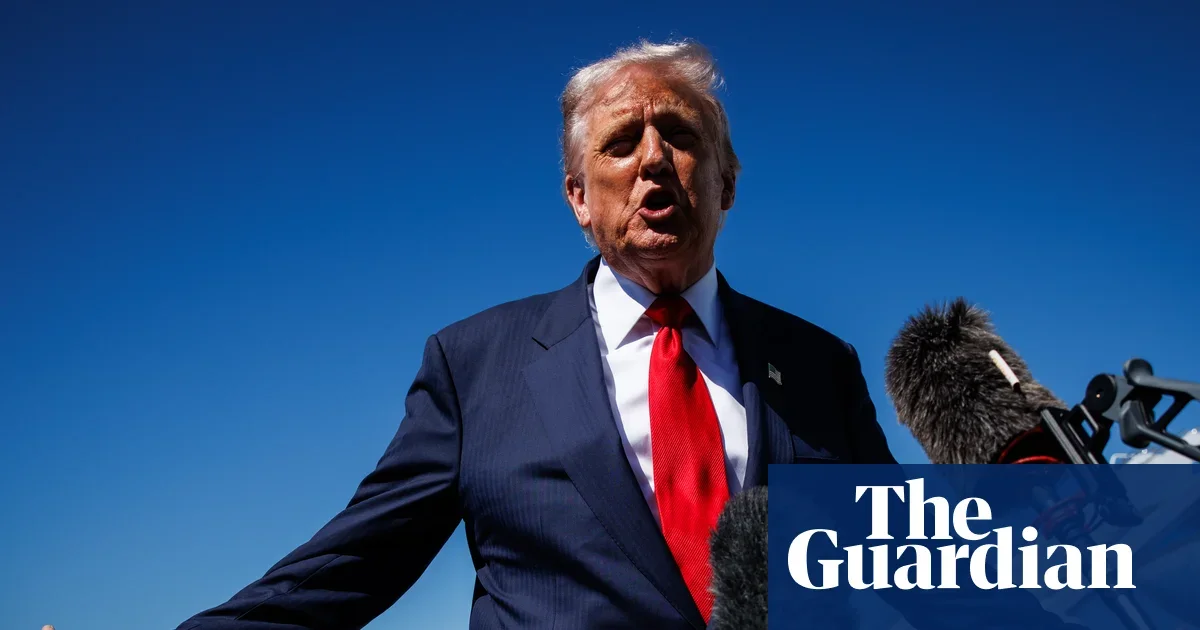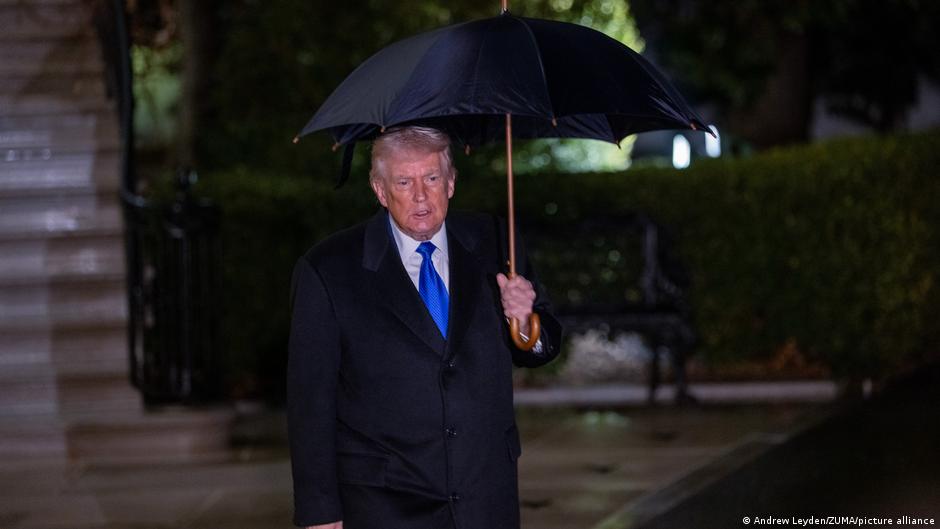
US President Donald Trump has threatened to take Greenland by force or through negotiations, citing concerns over Russian and Chinese influence, which has led to strong opposition from Greenlandic leaders and European countries emphasizing Greenland's right to self-determination and warning against military action. The situation has heightened tensions around US interests in Greenland amid broader geopolitical concerns.
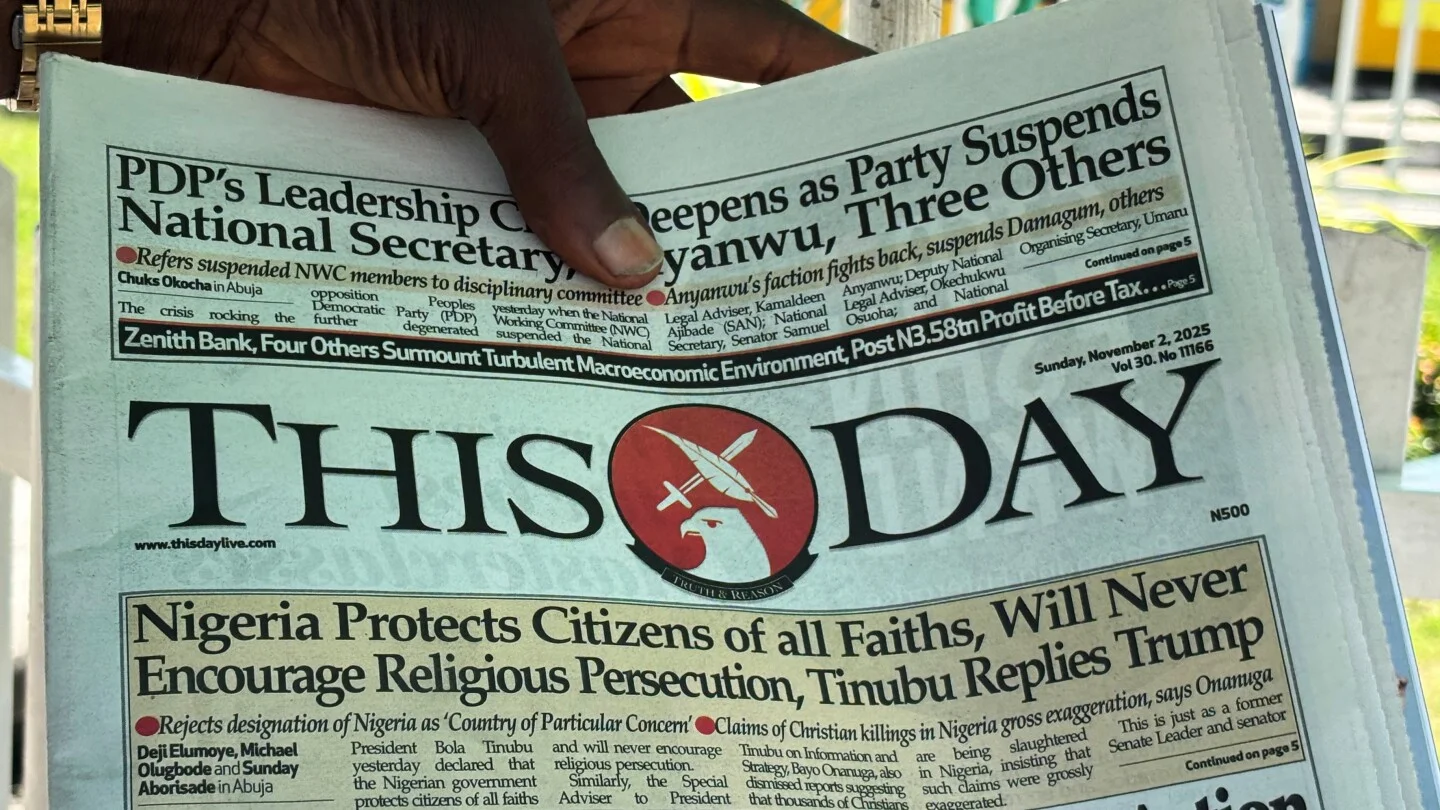
The U.S. cannot unilaterally conduct military operations in Nigeria over claims of Christian persecution, which Nigeria denies, citing complex security issues involving violence against both Christians and Muslims. Trump’s threat, based on disputed reports, has been met with Nigerian government rejection and calls for Nigeria to address its internal security failures to prevent external interference.
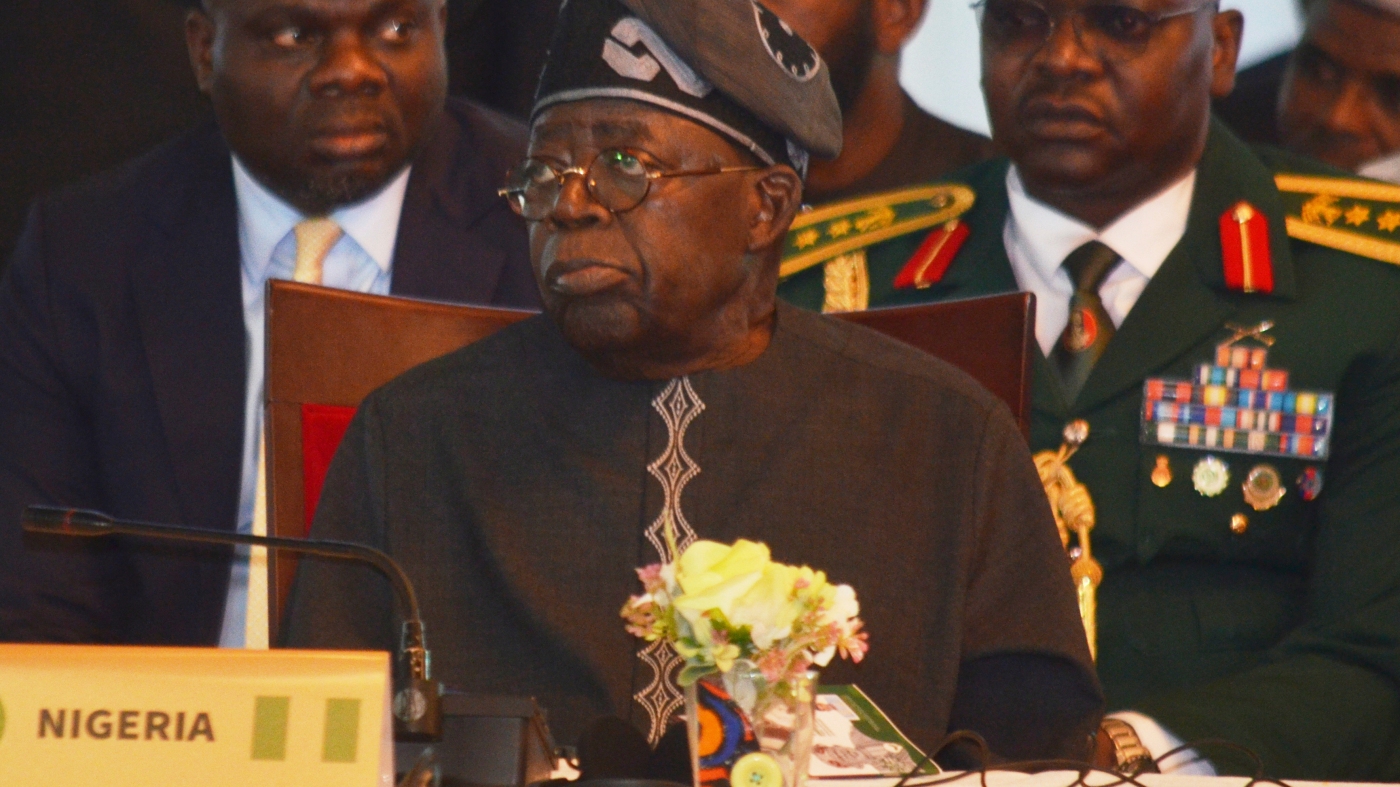
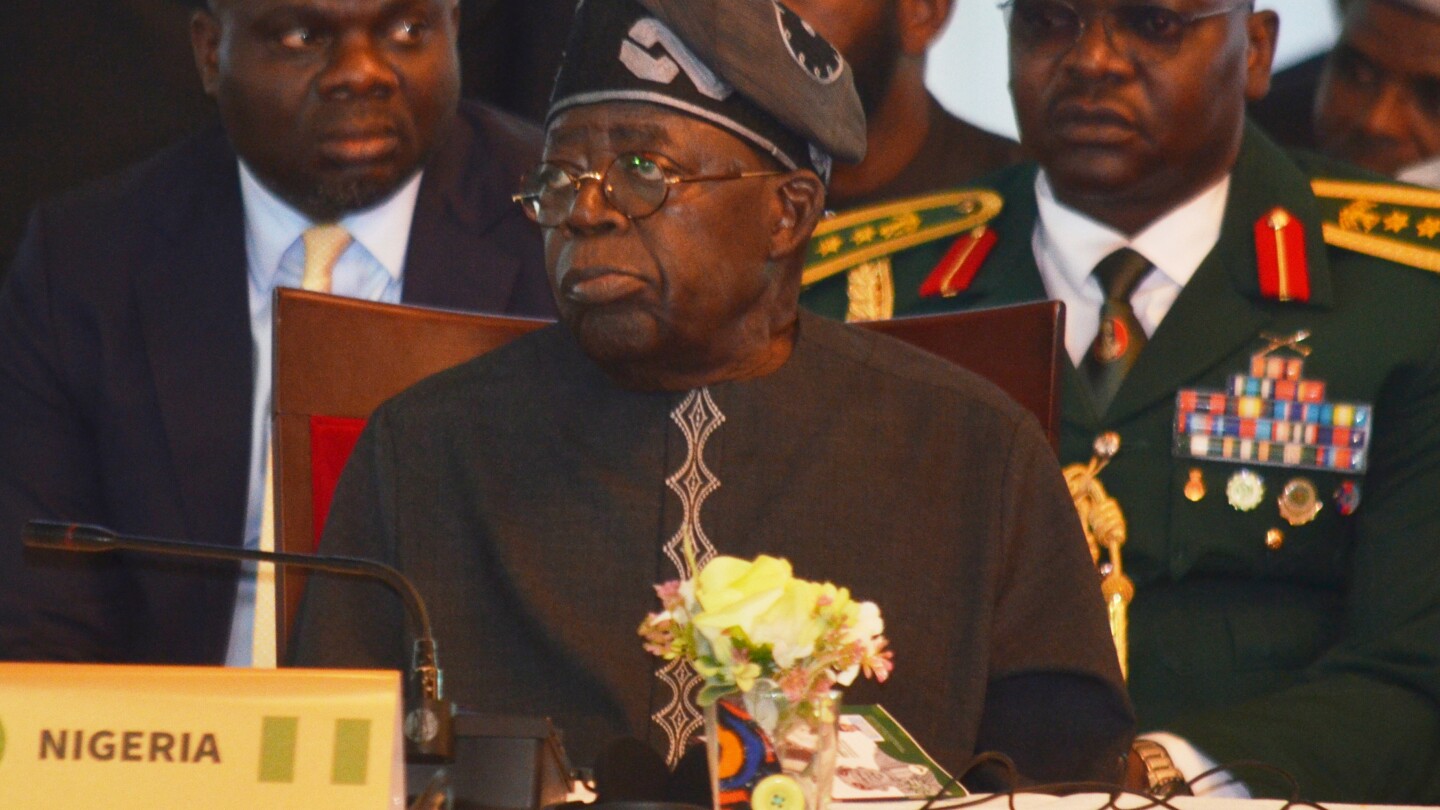
U.S. President Donald Trump threatened military action and halted aid to Nigeria over alleged Christian persecution, prompting Nigeria's President Tinubu to deny claims of religious intolerance, amidst ongoing violence involving religious and ethnic conflicts in Nigeria.
Donald Trump threatened military action against Nigeria over the persecution of Christians, prompting a response from Nigeria's president who emphasized the country's commitment to religious tolerance. The situation involves complex security issues, including attacks by extremist groups like Boko Haram, and has led to diplomatic tensions between the US and Nigeria.
U.S. President Donald Trump threatened Nigeria with military action and cutting aid over alleged Christian persecution, prompting Nigeria's President Tinubu to deny the country is religiously intolerant. The situation highlights ongoing violence and religious tensions in Nigeria, with Trump accusing radical Islamists of atrocities against Christians, while Nigeria emphasizes its commitment to religious tolerance.
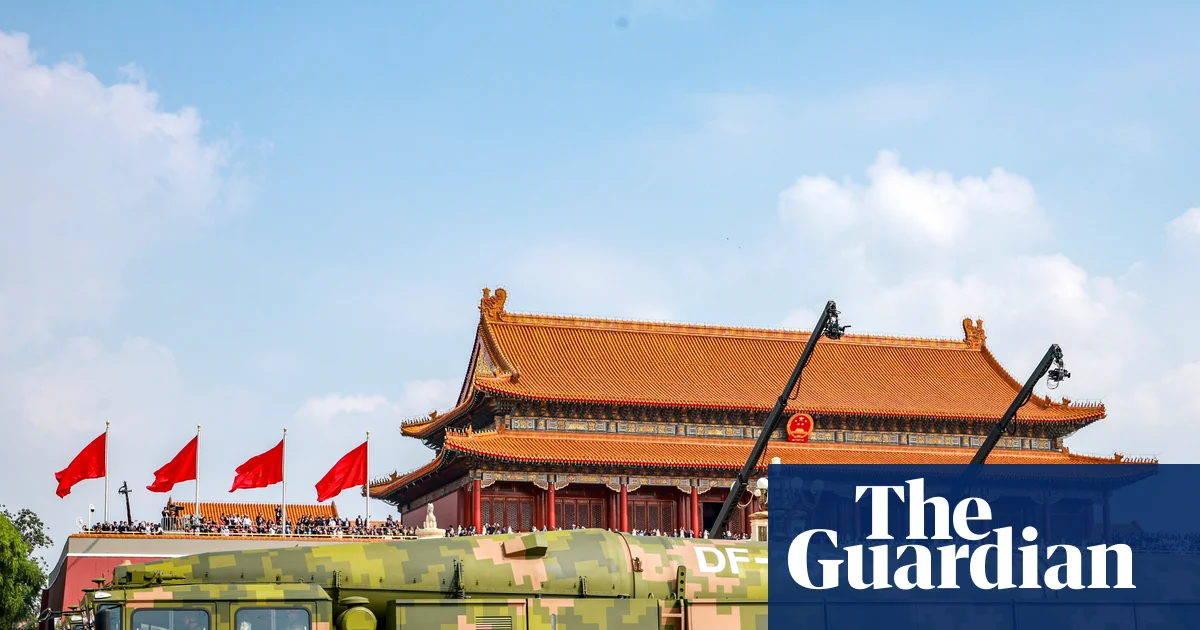
Residents of Guam are increasingly concerned about China's military advancements, including new missile capabilities dubbed the 'Guam Killer,' amid rising geopolitical tensions and China's display of military power, though US military preparations aim to bolster defense and reassure the local population.
President Trump has shifted from threatening military action against Iran to delaying a decision for up to two weeks, emphasizing diplomacy and negotiations amid conflicting advice from allies and opponents, while maintaining a tough stance on Iran's nuclear ambitions.
President Donald Trump has issued a strong warning to Iran, demanding unconditional surrender and suggesting the possibility of military action, amid escalating tensions over Iran's nuclear program and regional conflicts. Trump criticized Iran's leadership, claimed control of Iranian skies, and called for the end of Iran's nuclear ambitions, while also leaving the G7 summit early due to Middle East developments.
President Trump threatened Iran and its Supreme Leader, alluded to potential military action, and left the G7 summit early amid escalating tensions in the Middle East, with warnings of possible strikes and calls for Iran's surrender, while Iran signaled openness to diplomacy if Israeli aggression ceases.
U.S. President Donald Trump threatened Iran's leader Ali Khamenei, demanding unconditional surrender amid ongoing tensions and conflicts involving Israel, signaling a potential escalation in U.S.-Iran relations.
Germany's intelligence warns Russia is planning an attack on NATO to test Article 5, with evidence suggesting Moscow aims to push NATO back to 1990s boundaries and expand influence, while also extending conflict through cyberwarfare and espionage.
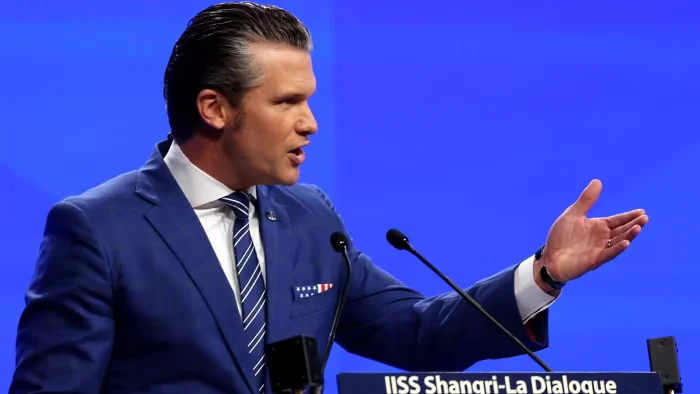
US Defense Secretary Pete Hegseth warned that a Chinese military attack on Taiwan could be imminent, urging regional allies to increase defense spending and strengthen deterrence, amid concerns over China's military rise and Xi Jinping's orders to prepare for an invasion by 2027.
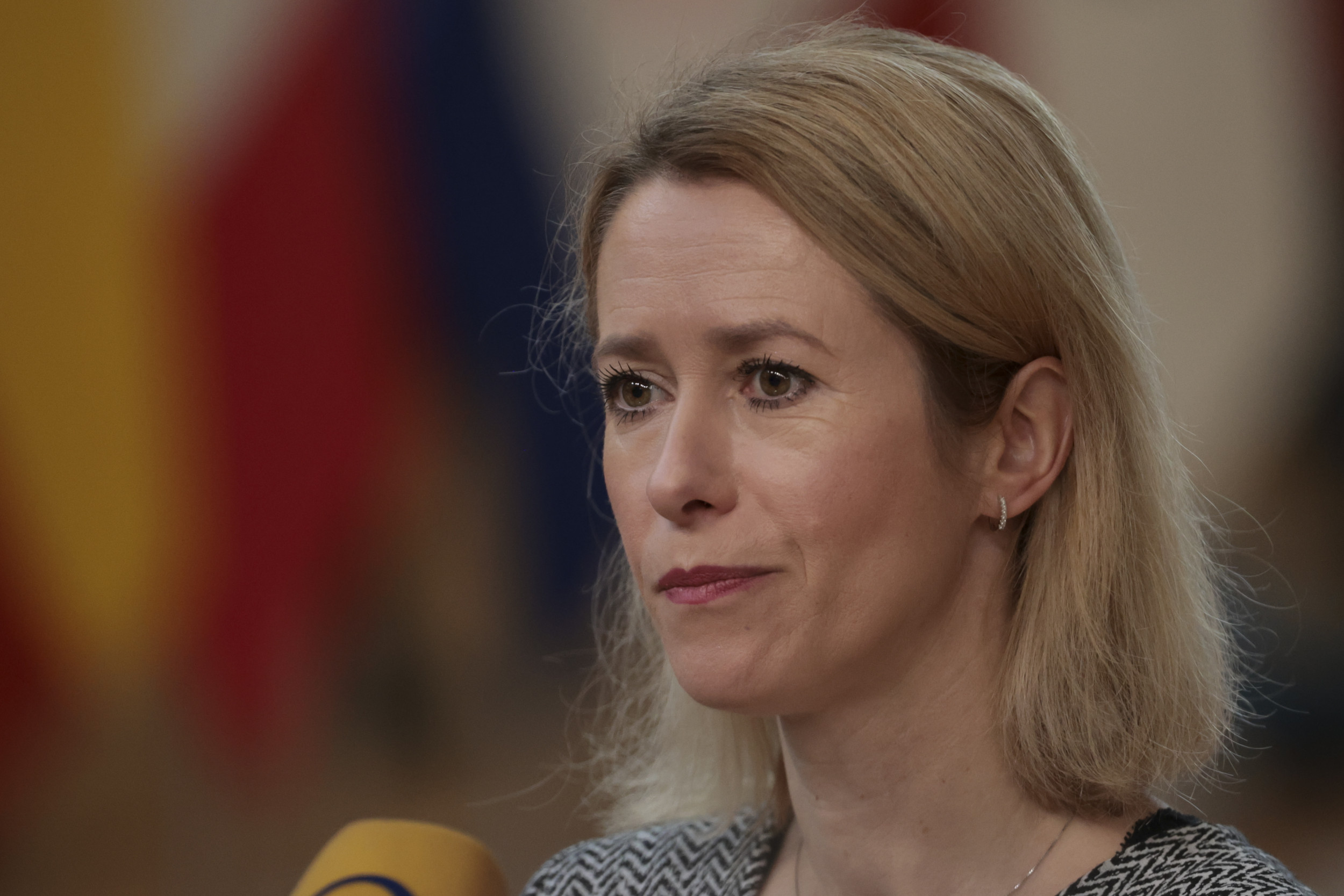
Estonian Prime Minister Kaja Kallas warned that NATO has three to five years to prepare for a potential military threat from Russia, which could target eastern Europe, particularly the Baltic states. Kallas emphasized the importance of unity among NATO members and the danger of any ceasefire or pause in the conflict in Ukraine, as it could allow Russia to gather strength. Ukrainian President Zelensky also urged Western leaders to tighten sanctions against Russia to prevent Moscow from achieving victory in the war.
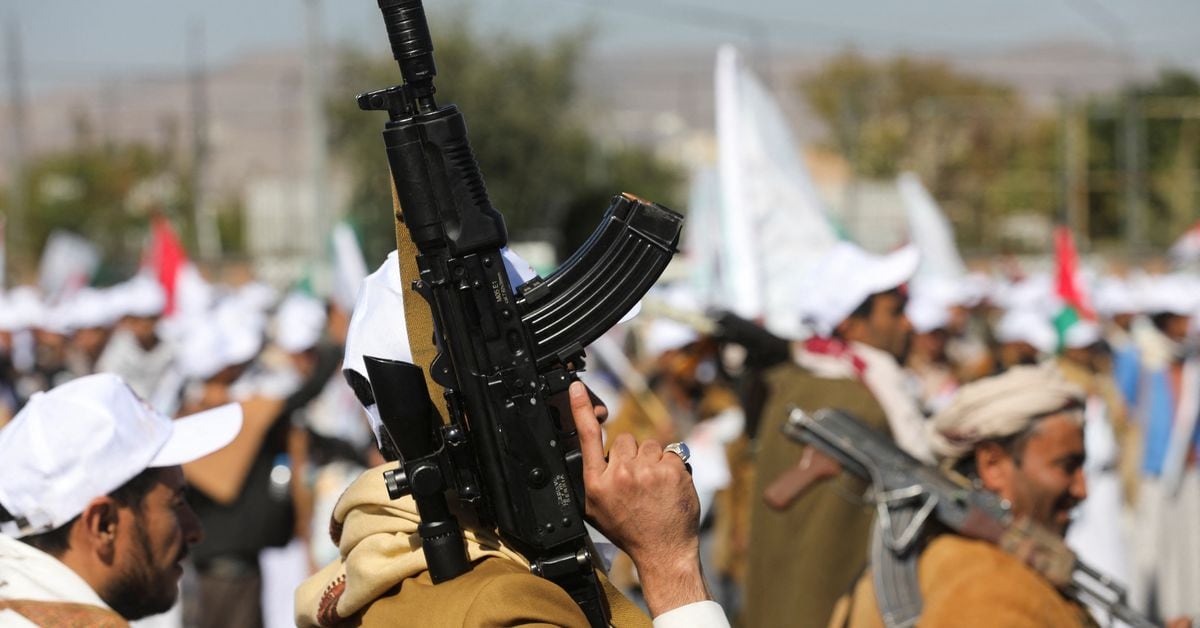
The leader of Yemen's Houthi rebels, Abdel-Malek al-Houthi, has warned that they will target US warships if the US targets the Iranian-backed militia. This comes after the US set up a multinational force to counter Houthi attacks on commercial vessels in the Red Sea. The Houthi rebels have been firing drones and missiles at international ships in response to Israel's assault on the Gaza Strip. The US-led security initiative aims to deter and respond to future Houthi attacks, which have disrupted global shipping routes. The crisis in the Red Sea is part of the wider conflict between Israel and Hamas, with the US and its allies opposing Iran and its Arab militia proxies.
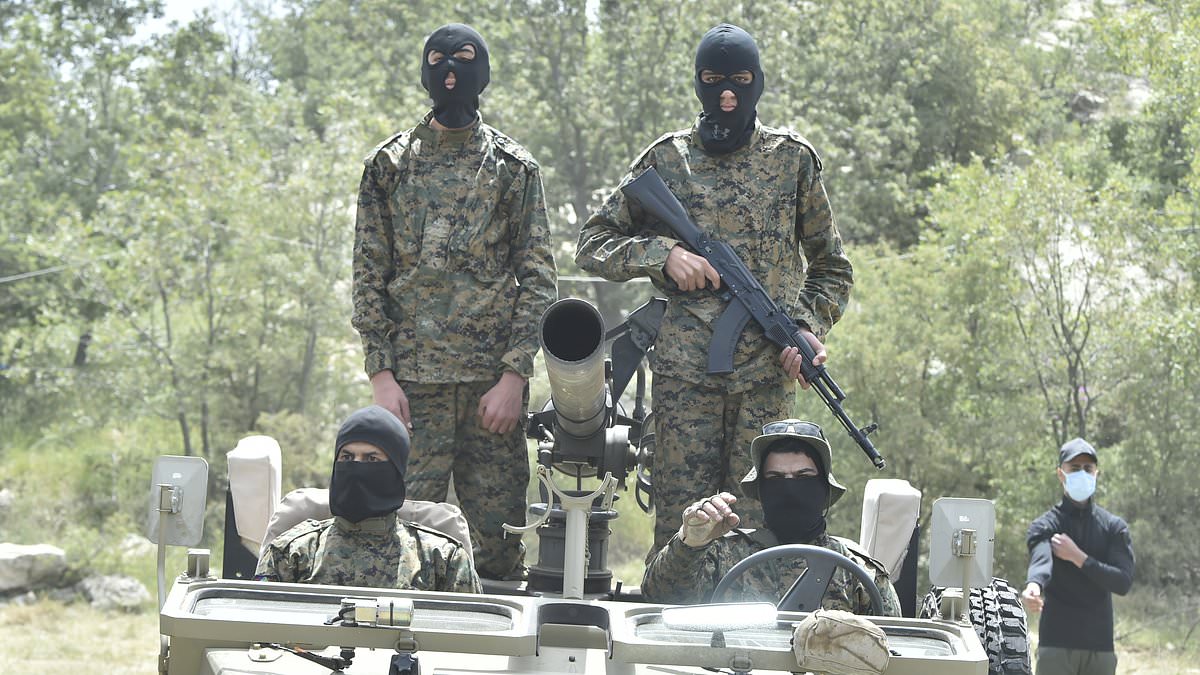
Hezbollah, the Iranian-backed military group in Lebanon, poses a significant threat to Israel with its multifaceted arsenal and military capabilities. As the conflict between Israel and Hamas escalates, there are growing fears that Hezbollah could join the war, further igniting chaos in the region. Hezbollah's extensive weaponry includes rockets, missiles, tanks, armored vehicles, small arms, and air defense systems, many of which are Soviet or Iranian-made. With its dual political and military setup, Hezbollah wields considerable influence and has the potential to split Israel's resources and fight a battle on two fronts.