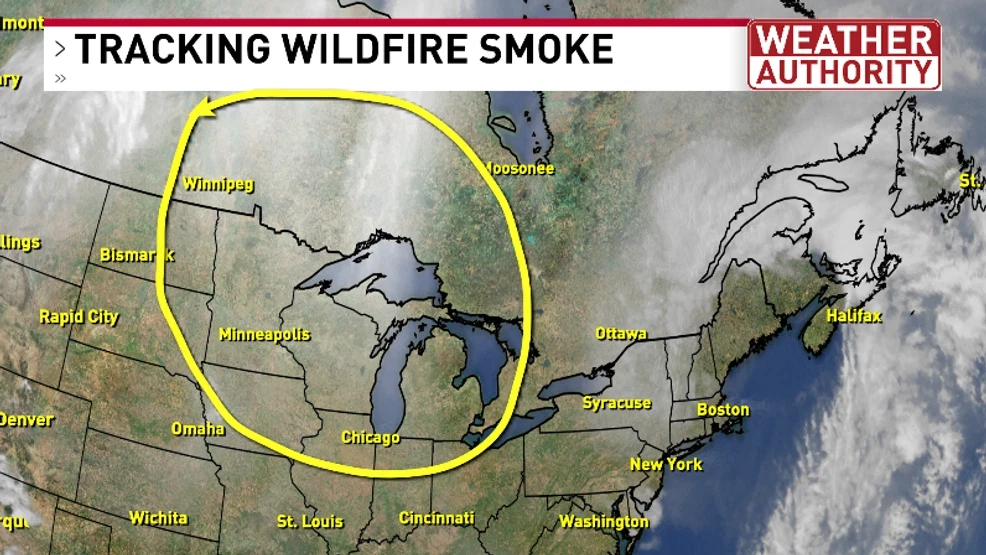
Canadian wildfires are causing smoke to drift into Midwestern U.S. states like Minnesota, Wisconsin, and Michigan due to northerly winds, prompting air quality alerts. The smoke may also reach Central New York by midweek as winds shift, potentially impacting air quality again. Monitoring updates is advised.
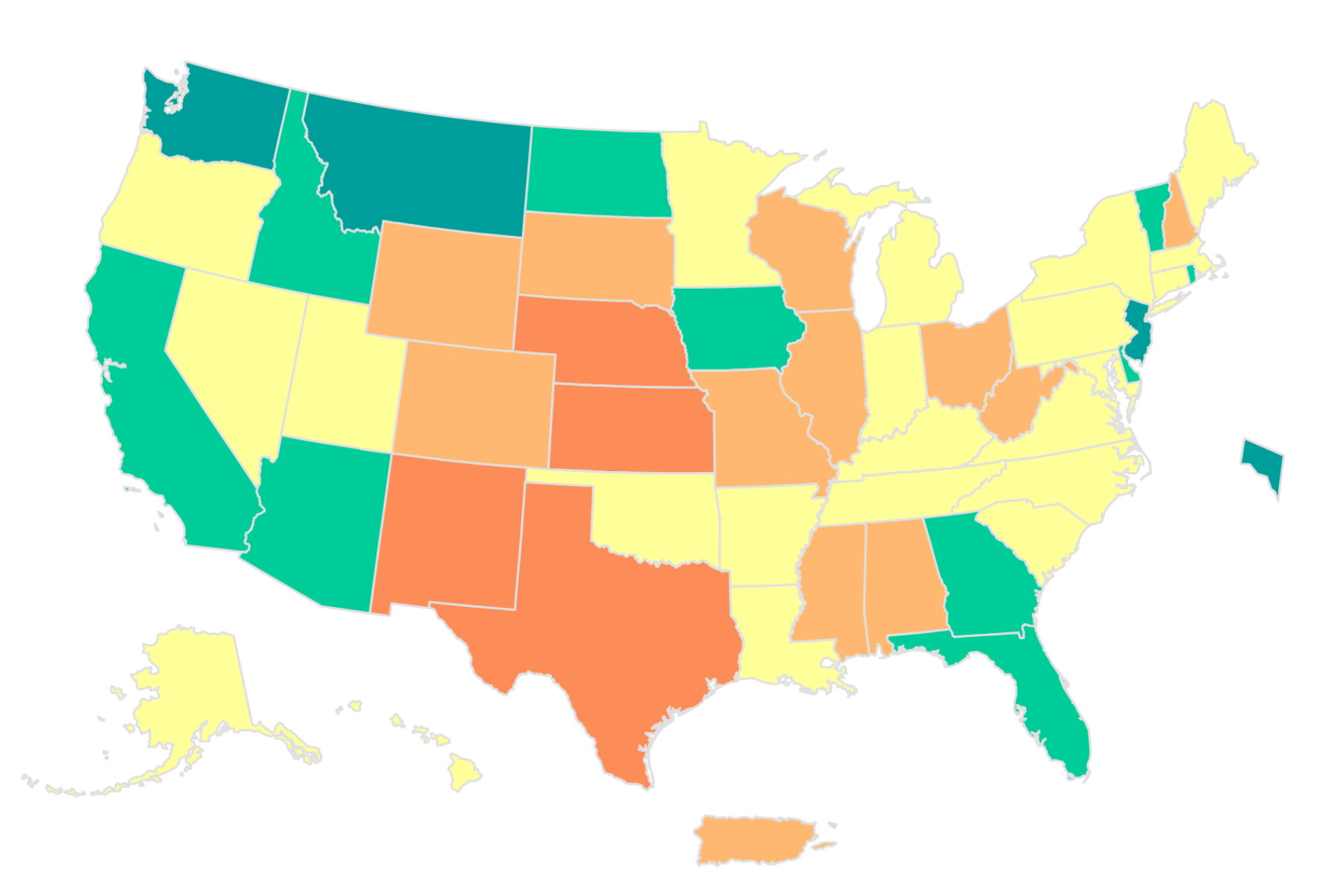
Hospitalizations from COVID-19 have been increasing in Southern and Midwestern states, despite a decrease in hospital admissions across the US as a whole. Texas, New Mexico, Nebraska, and Kansas have seen significant jumps in hospitalizations. Other states with rising hospitalization rates include Colorado, Wyoming, South Dakota, Missouri, Illinois, Wisconsin, Mississippi, Alabama, Ohio, West Virginia, and New Hampshire. However, some states, such as Washington, Montana, and New Jersey, have seen decreases in hospitalizations. A new study suggests that gargling or nasal rinsing with saltwater may help prevent COVID-19 hospitalizations, as it creates a hostile environment for viral replication. Case positivity rates have been increasing, while COVID deaths have decreased slightly.
People in at least 17 states, including Midwestern states like Minnesota, Wisconsin, Michigan, and Indiana, may have a chance to see the northern lights this week due to high auroral activity forecasted on Thursday. The colorful spectacle occurs when particles from the sun collide with gas molecules in Earth's atmosphere. The lights will be visible low on the horizon across Chicago, but city light pollution may make it harder to spot. The best views are suggested in areas with dark skies, such as northern Wisconsin, Minnesota, North Dakota, northern Michigan, or the Upper Peninsula. However, the aurora is difficult to predict, and there's no guarantee it will match the forecast.