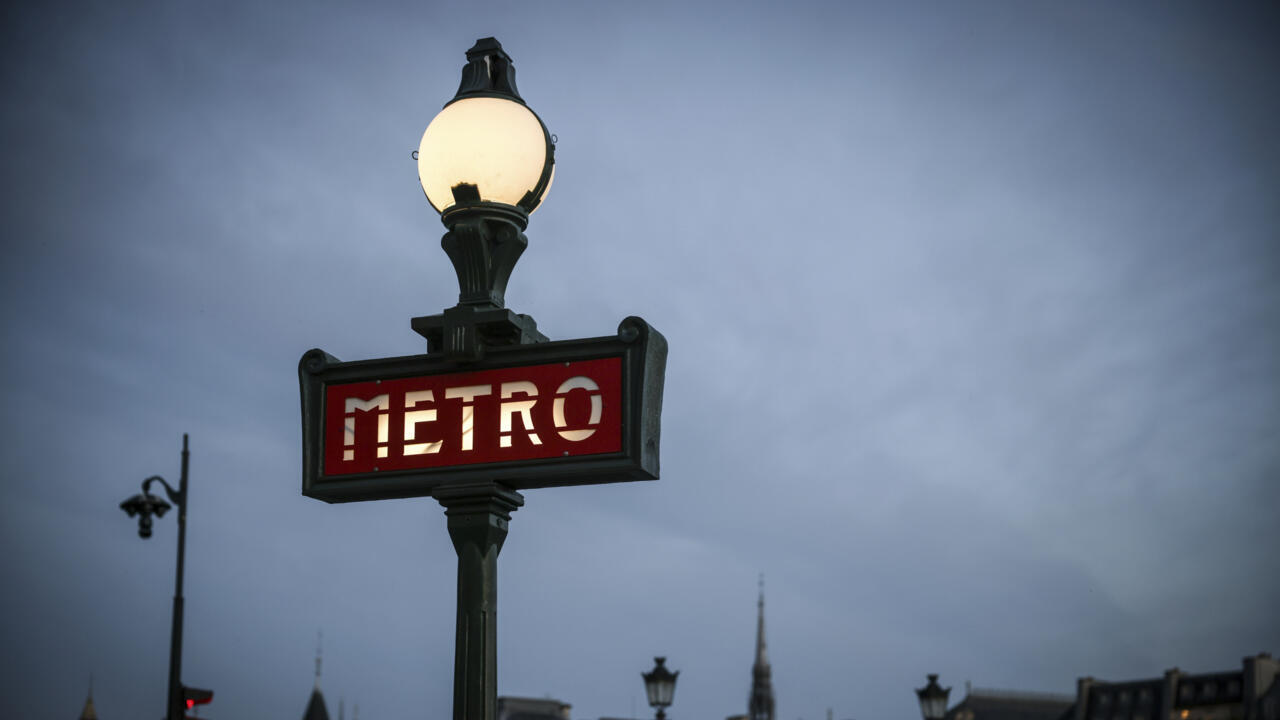
French police arrested a suspect after three women were stabbed at different stations along the Paris metro, with the attacker quickly apprehended within hours using surveillance footage and mobile tracking, amid heightened security concerns during the festive season.
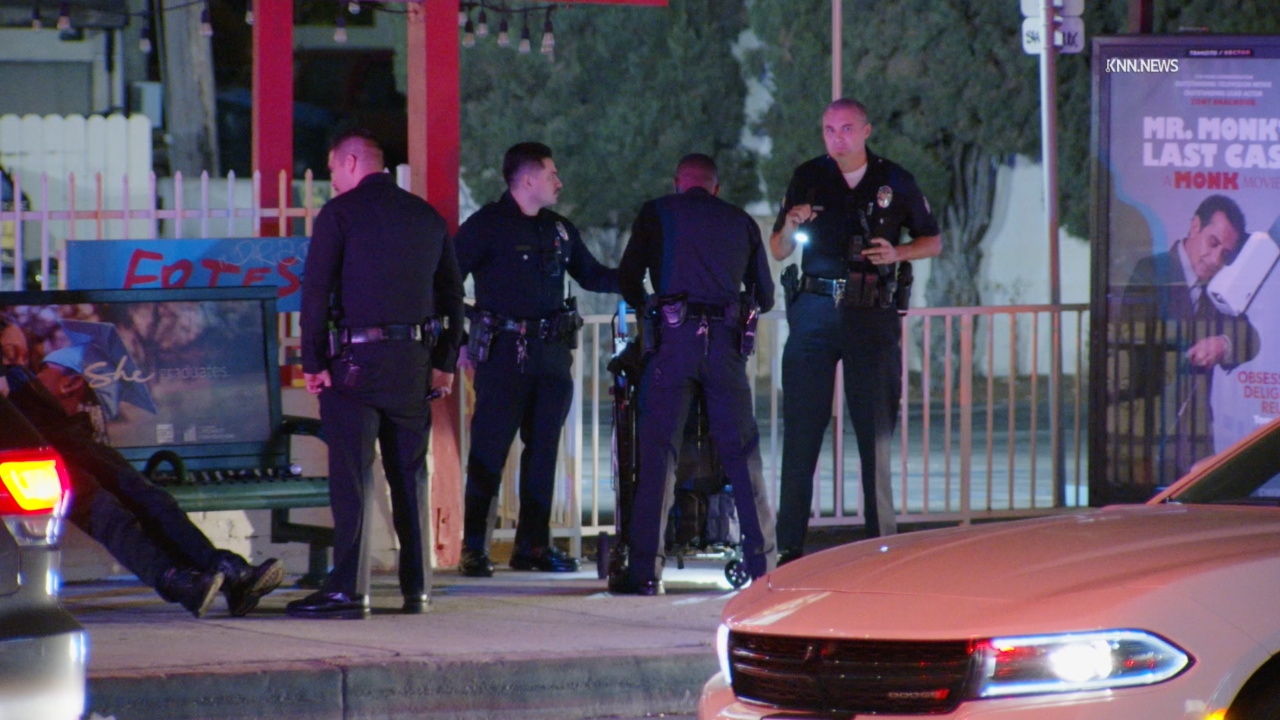
A man was stabbed at a Los Angeles Metro stop late Monday night, hours after a bus driver was attacked by a female suspect who broke the driver's prescription glasses. The incidents are part of a series of violent attacks on Metro operators and passengers, prompting increased law enforcement patrols on the transit system.
Virginia Governor Glenn Youngkin amended his proposed budget to shift more responsibility for closing Metro's budget gap onto Northern Virginia, retracting what was thought to be a pledge of extra funding from Richmond. The Northern Virginia Transportation Commission expressed disappointment, stating that while they currently have the funding for Metro, it will deplete reserve funds for other transportation projects in about a year, potentially leading to increased taxpayer contributions. This could result in delays for various transportation projects, including a second entrance to Metro stations and bike and road projects. The final decision on the budget is pending a vote by lawmakers in Richmond.
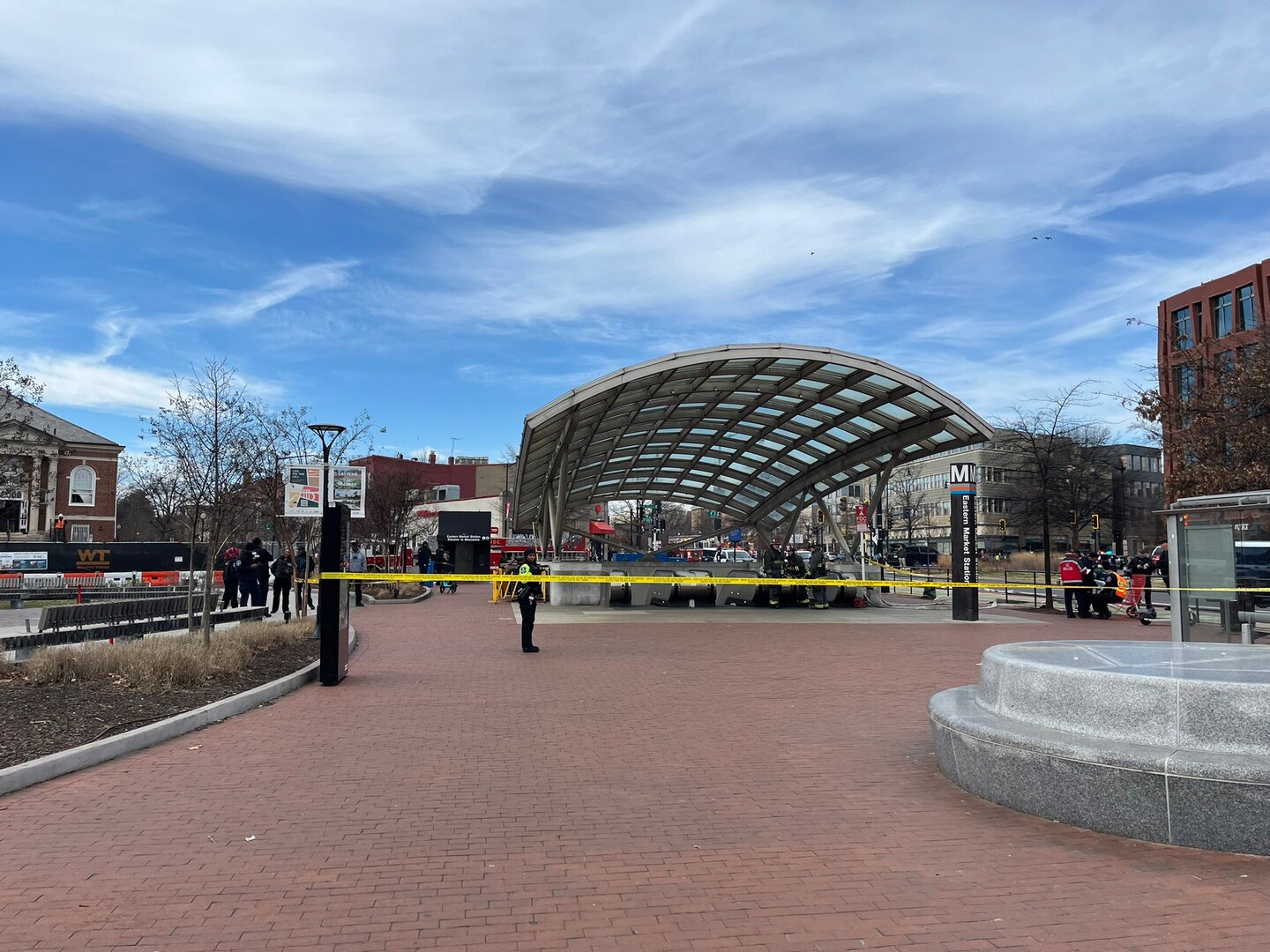
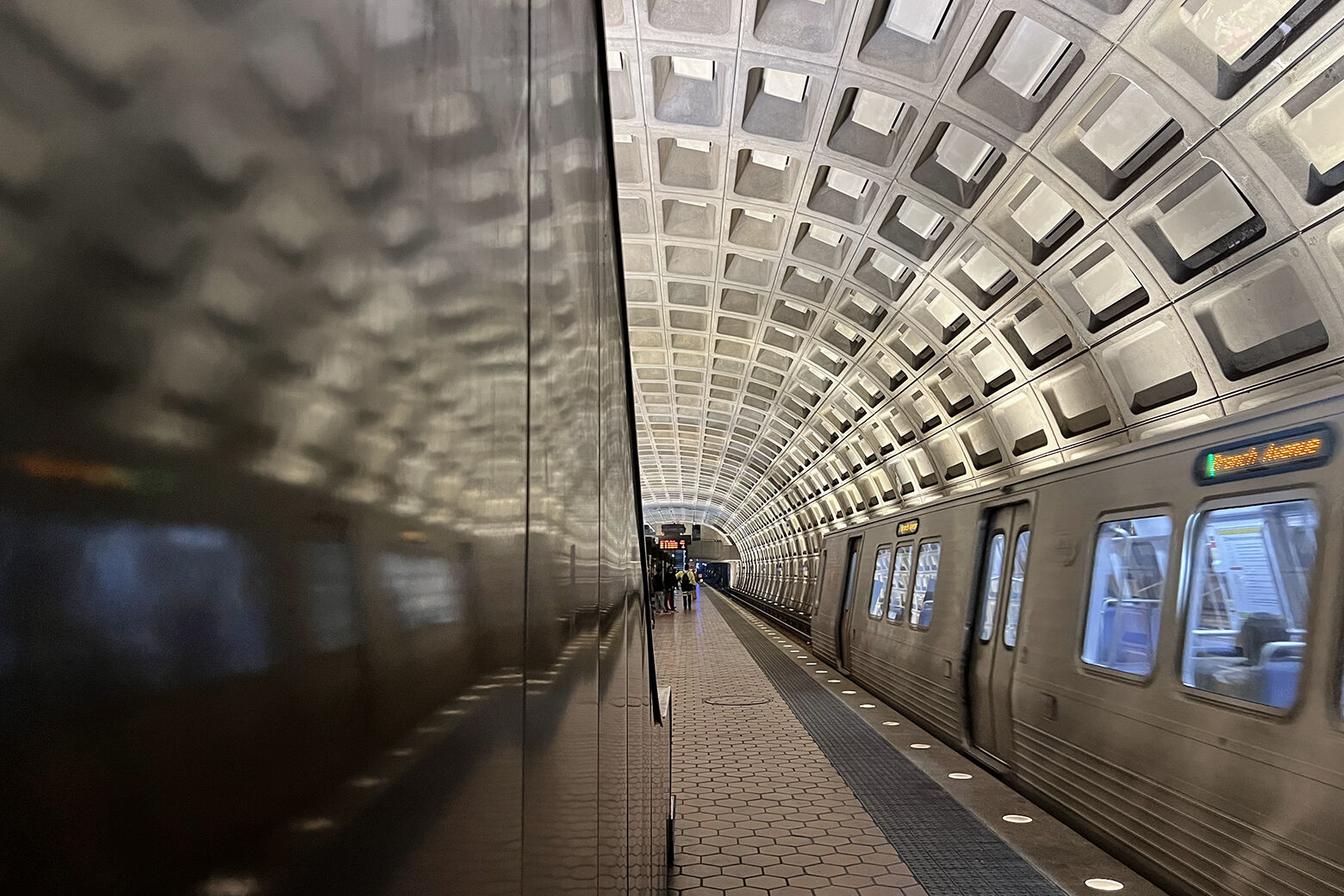
Three Metro stations in Washington, D.C., were evacuated due to smoke caused by an insulator fire under a rail car at the Eastern Market station. The closures affected the Blue, Orange, and Silver lines, with service suspended between Federal Center SW and Stadium-Armory stations. One person was taken to the hospital, and shuttle buses were requested while the stations were closed.
Five stations on the east end of Metro’s Red Line, including Fort Totten, Wheaton, Forest Glen, and Silver Spring, will shut down from early June to around Labor Day to allow for work connecting the Purple Line light-rail project to the system at Silver Spring. The closure will also facilitate infrastructure work, such as leak mitigation and system replacements. Shuttle bus service will be provided, and the Maryland Transit Administration will cover support costs. Additionally, Metro leaders discussed other major upcoming disruptions on its rail system, including winter work and future summer projects.
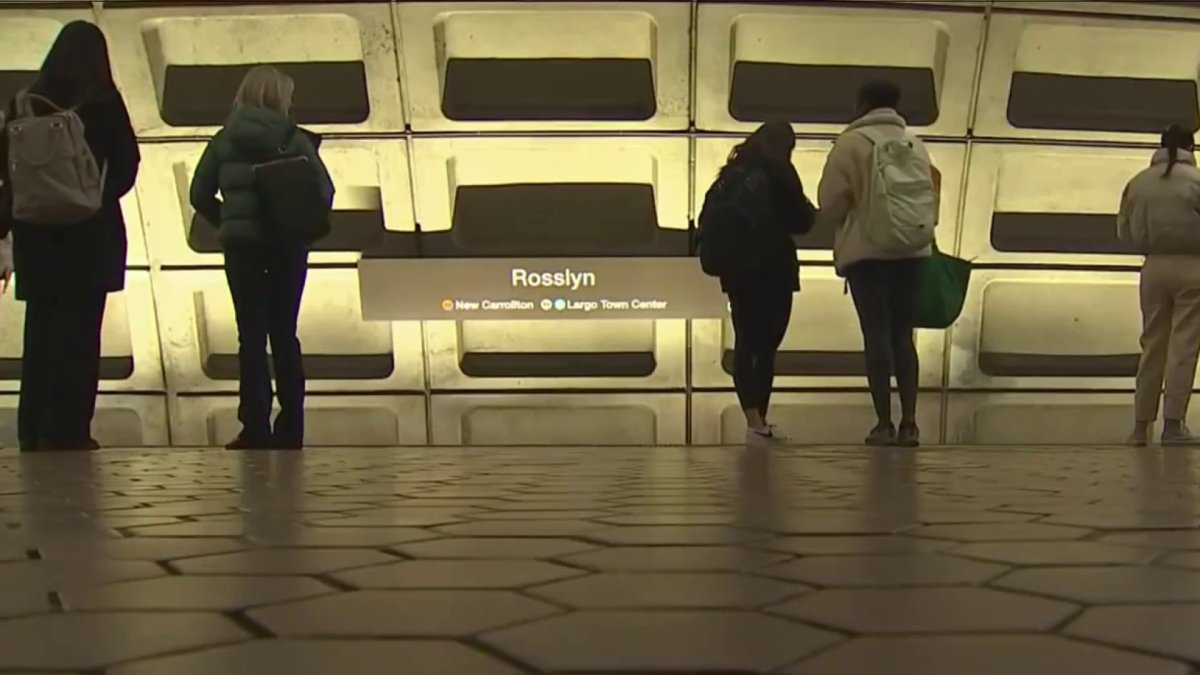
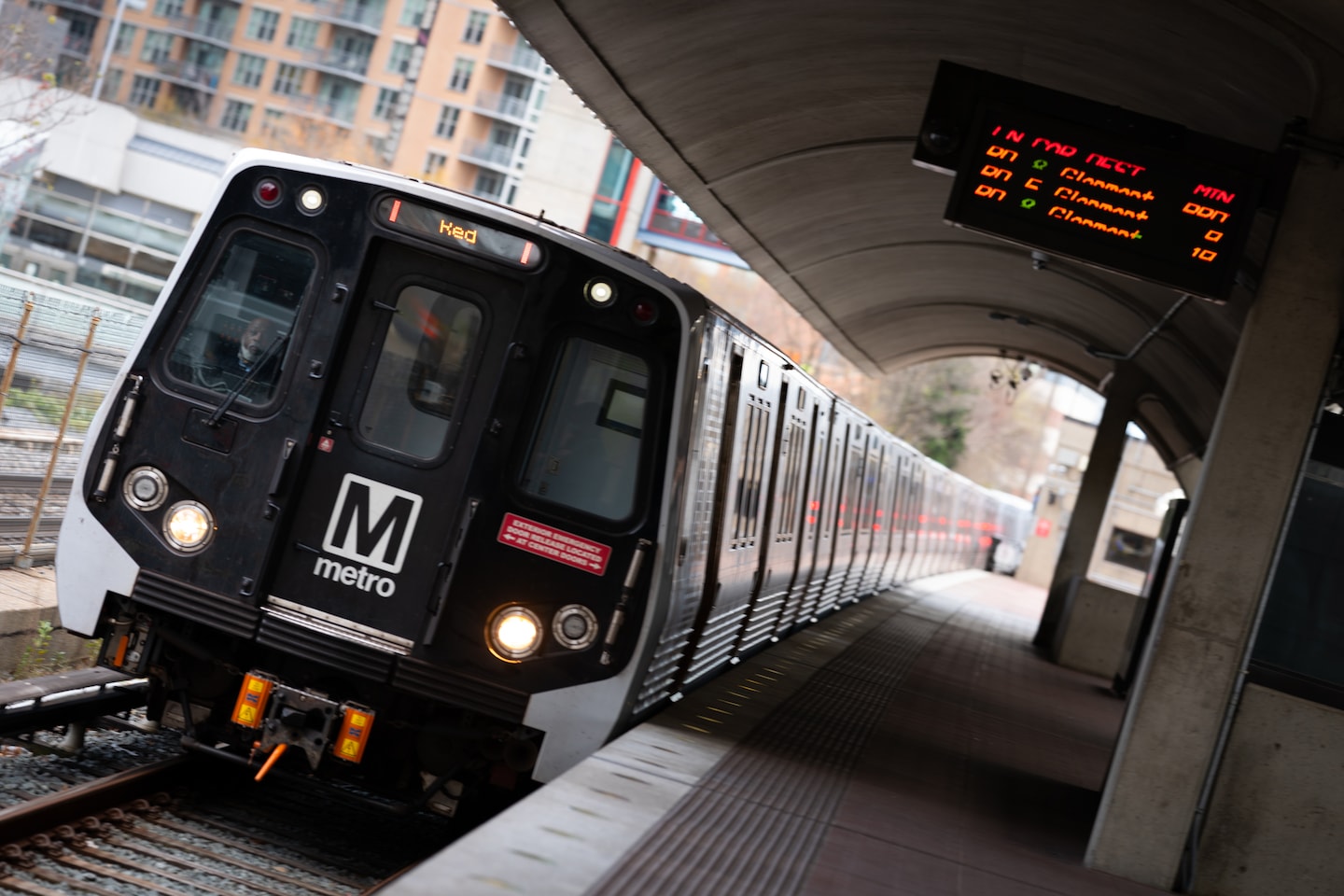
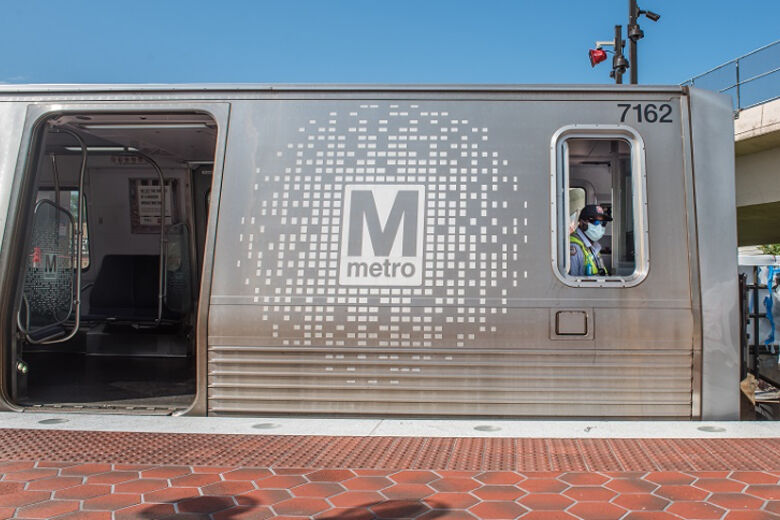
Metro is likely to avoid severe cuts after D.C., Maryland, and Virginia leaders pledged nearly half a billion dollars to make up for the transit system's budget shortfall. However, higher fares are expected, with proposed fare increases of 12.5 percent for both Metrorail and Metrobus, as well as fare hikes of up to 25 percent on late nights and weekends. The funding infusion would prevent station closures and major bus service cuts, but Metro will still need to take significant steps to close its remaining budget gap, including diverting preventive maintenance funds for operations and implementing a salary and wage freeze for managers and employees in two of its largest unions in fiscal year 2025.
Metro's revised budget proposal for the upcoming fiscal year no longer includes major service cuts but does propose a 12.5% fare increase, affecting all riders except those enrolled in a low-income fare program. The proposal also includes smaller cuts to service and relies on large funding increases from D.C., Maryland, and Virginia. The budget is contingent on a combined $480 million in proposed funding becoming a reality and must be approved by the Metro board of directors. Virginia Governor Glenn Youngkin is reviewing the proposal and emphasizes the importance of finding a solution to improve WMATA's financial sustainability and performance.
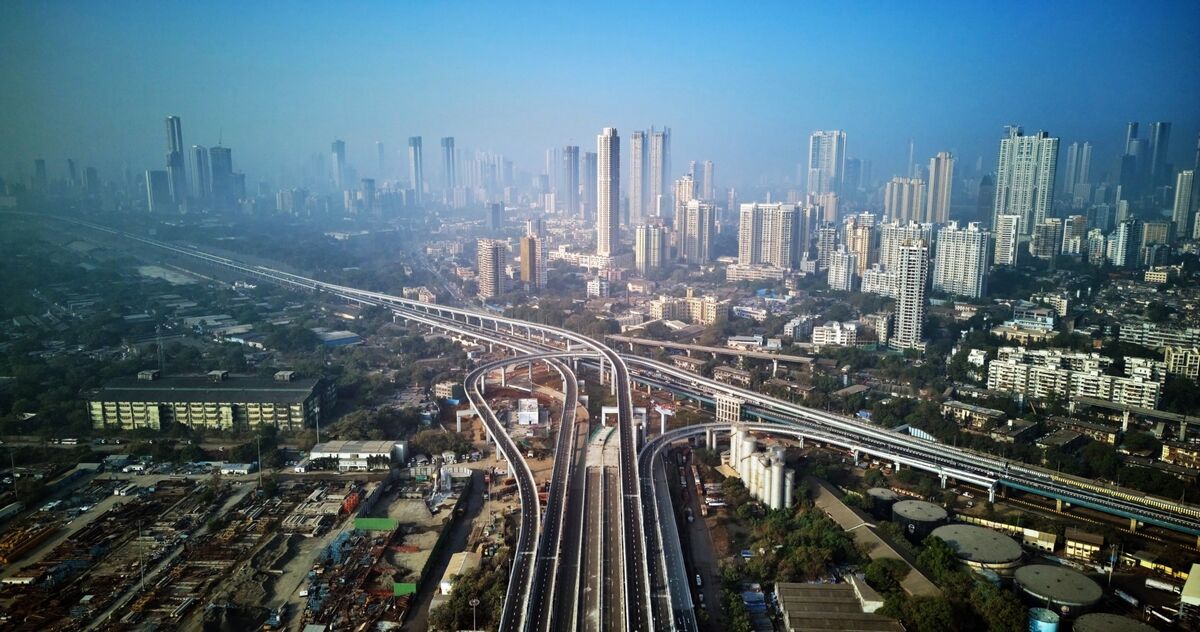
Mumbai is undergoing a $30 billion infrastructure makeover with major projects including the Coastal Road Project, Mumbai Trans Harbour Link (MTHL), and Metro expansion, aiming to enhance the city's connectivity and global competitiveness.
The proposed budget for the Washington Metropolitan Area Transit Authority (WMATA) includes significant cuts, potentially impacting public transportation services in the region. The budget cuts aim to address the financial challenges faced by WMATA due to decreased ridership and revenue during the COVID-19 pandemic. The proposed cuts could result in reduced service frequency, layoffs, and fare increases, raising concerns about accessibility and affordability for commuters in the Washington DC area.
Metro General Manager Randy Clarke warned that if a $750 million budget gap is not closed by the first half of 2024, Metro may have to cut 10 stations, eliminate 67 bus lines, reduce train frequency, increase fares and parking fees by 20%, freeze salary and wage increases, and lay off 2,286 employees. The budget shortfall is due to problems with dedicated funding, ridership, and inflation. Metro is urging jurisdictional partners to find a sustainable funding source to avoid these drastic service and job cuts.
Metro has released a budget proposal outlining drastic cuts to address a projected $750 million deficit in its operating budget for the next fiscal year. Without additional funding, the proposal includes eliminating 67 bus lines, reducing service on 41 others, closing 10 least-used stations, ending Metrorail service at 10 p.m., increasing fares and parking fees by 20 percent, and eliminating nearly 2,300 jobs. Metro officials warn that these cuts would result in reduced service quality, dirtier stations, and longer response times. Jurisdictions that fund Metro agree that more money is needed, but there is no clear solution to the deficit.
Metro's proposed budget for the next fiscal year includes massive layoffs, service cuts, and fare increases. Due to a $750 million deficit caused by lower usage during the pandemic, COVID-19 credits, and inflation, Metro General Manager Randy Clarke stated that drastic measures are necessary. The budget would increase fares by 20%, close 10 Metro stations with low ridership, reduce train frequency, eliminate bus routes, and limit access to Metro Access for people with disabilities. The plan also includes laying off almost 2,300 full-time employees, resulting in reduced police presence, longer response times, and maintenance issues. To avoid these cuts, Maryland, Virginia, and D.C. would need to provide additional funding totaling $663 million.
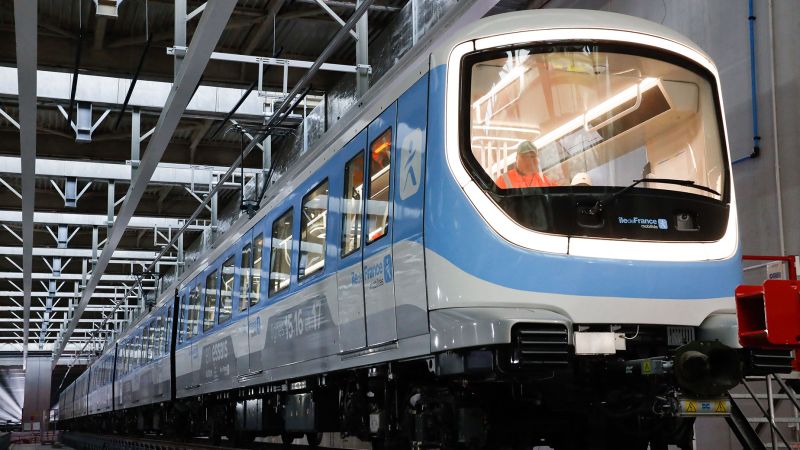
Paris is set to undergo a major upgrade to its Metro system with the introduction of the Grand Paris Express, a new 200-kilometer network that will add four lines and 68 stations to the existing system. The project, the largest civilian infrastructure undertaking in Europe, aims to improve transportation for suburban residents and reduce car usage. The new lines will be fully automated and will connect suburban towns without passing through the city center. Despite delays, the French government remains optimistic that the network will be operational in time for the 2024 Olympic Games.
Los Angeles Mayor Karen Bass rode the Metro's E line to work to promote public transportation amid the traffic nightmare caused by the 10 Freeway fire. The city has implemented measures to speed up E line and Metrolink trains, added more buses to heavily delayed routes, and made CommuterExpress and LADOT Dash buses free. Additional traffic officers will be dispatched to assist commuters during the wet weather.