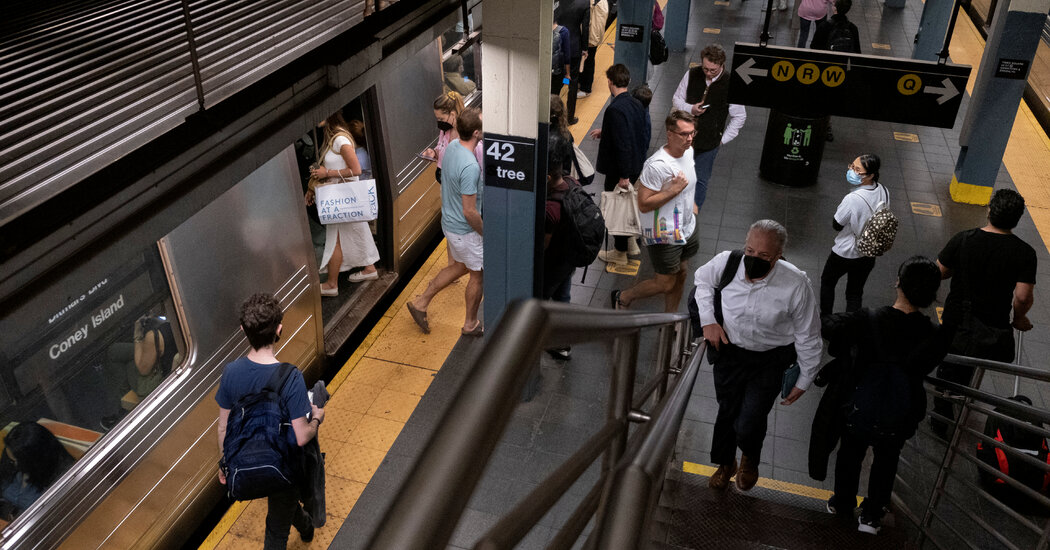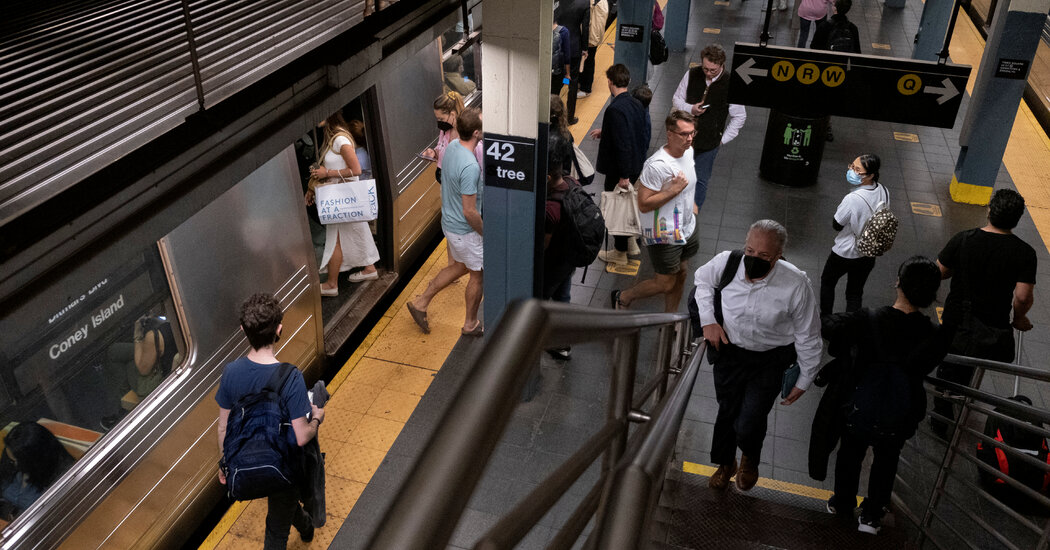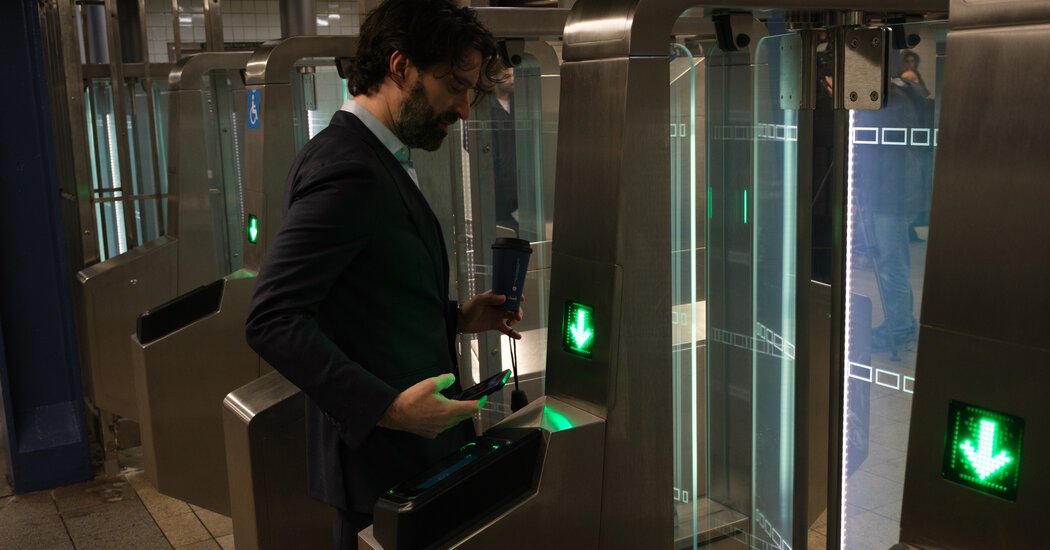
Starting Sunday, New York City subway and bus fares will increase by 10 cents to $3, marking the first rise in over two years, with additional fare hikes on commuter railroads and tolls, raising concerns about affordability for low-income residents amid ongoing efforts to boost revenue and ridership.
A Philadelphia judge has temporarily halted SEPTA's planned service cuts and fare increase, pending a further hearing on September 4, following a lawsuit claiming the cuts unfairly impact low-income communities and alleging the financial crisis is fabricated.
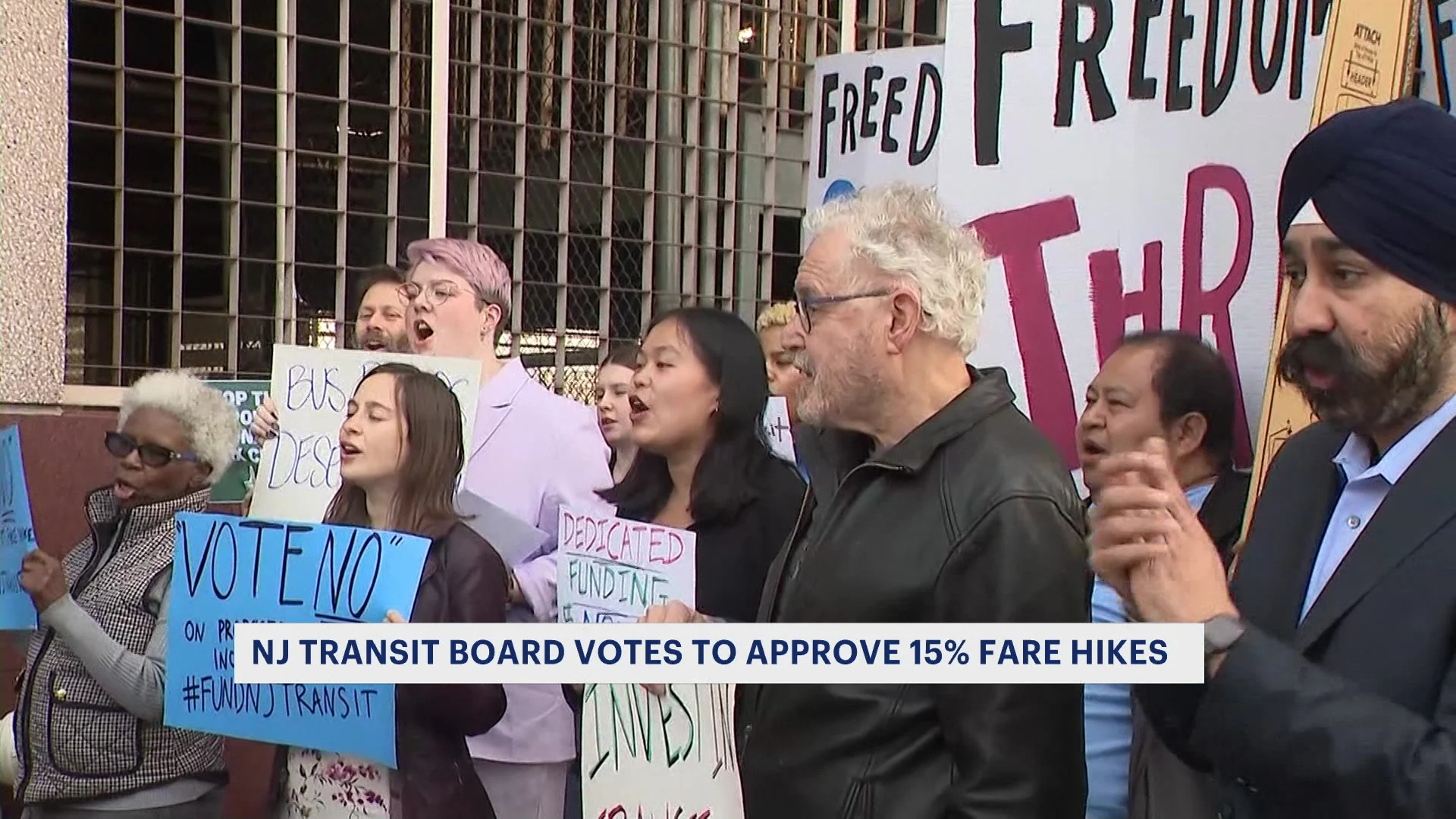
NJ Transit officials have approved a 15% fare increase for train and bus commuters, set to take effect on July 1, with potential 3% increases annually thereafter. The decision, made in response to a $120 million budget shortfall for the year and nearly $1 billion shortfall by 2025, was met with opposition from the public and criticism from New Jersey state Senate Republican Leader Sen. Anthony Bucco, who accused the Murphy administration of betraying its promise to make New Jersey more affordable. Officials cited the fare hike as an alternative to service cuts and called for more funding from Gov. Phil Murphy and the Legislature.
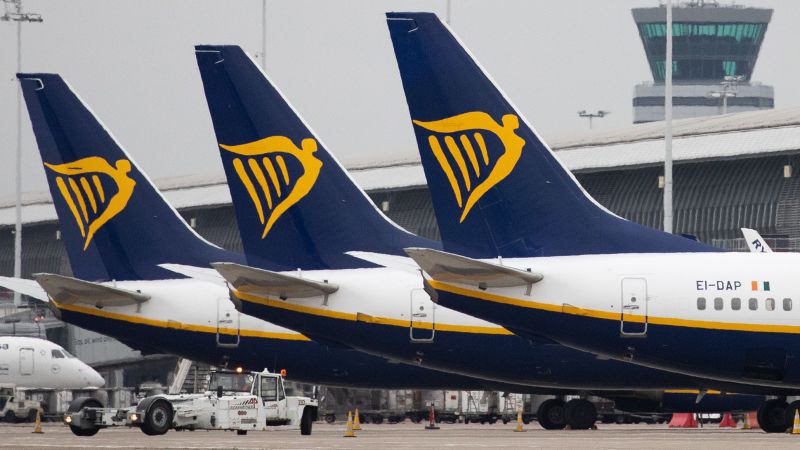
Ryanair warns of potential fare increases this summer due to ongoing issues with Boeing's 737 Max planes, as the aviation giant replaces the head of its 737 Max unit. The budget airline expresses frustration over the situation, calling it "inexcusable."
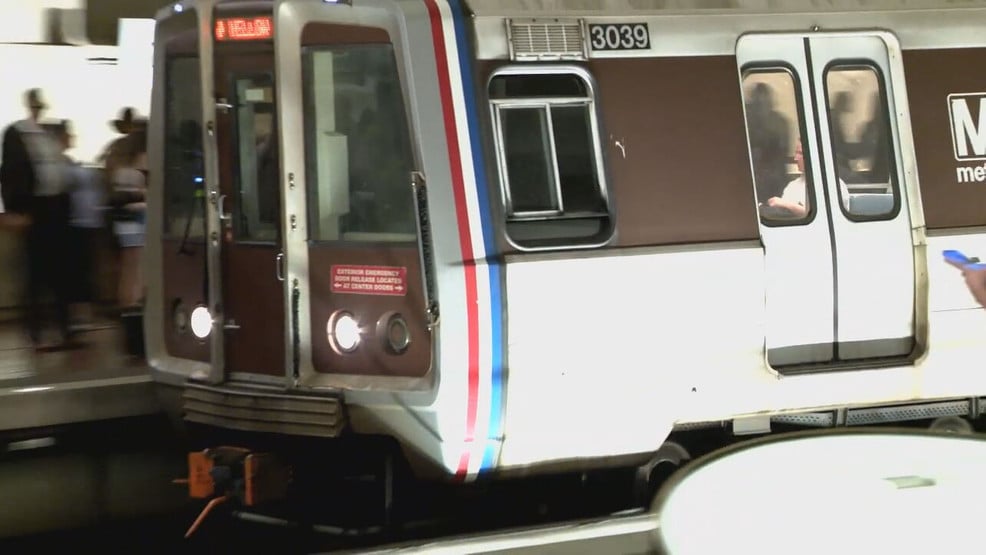
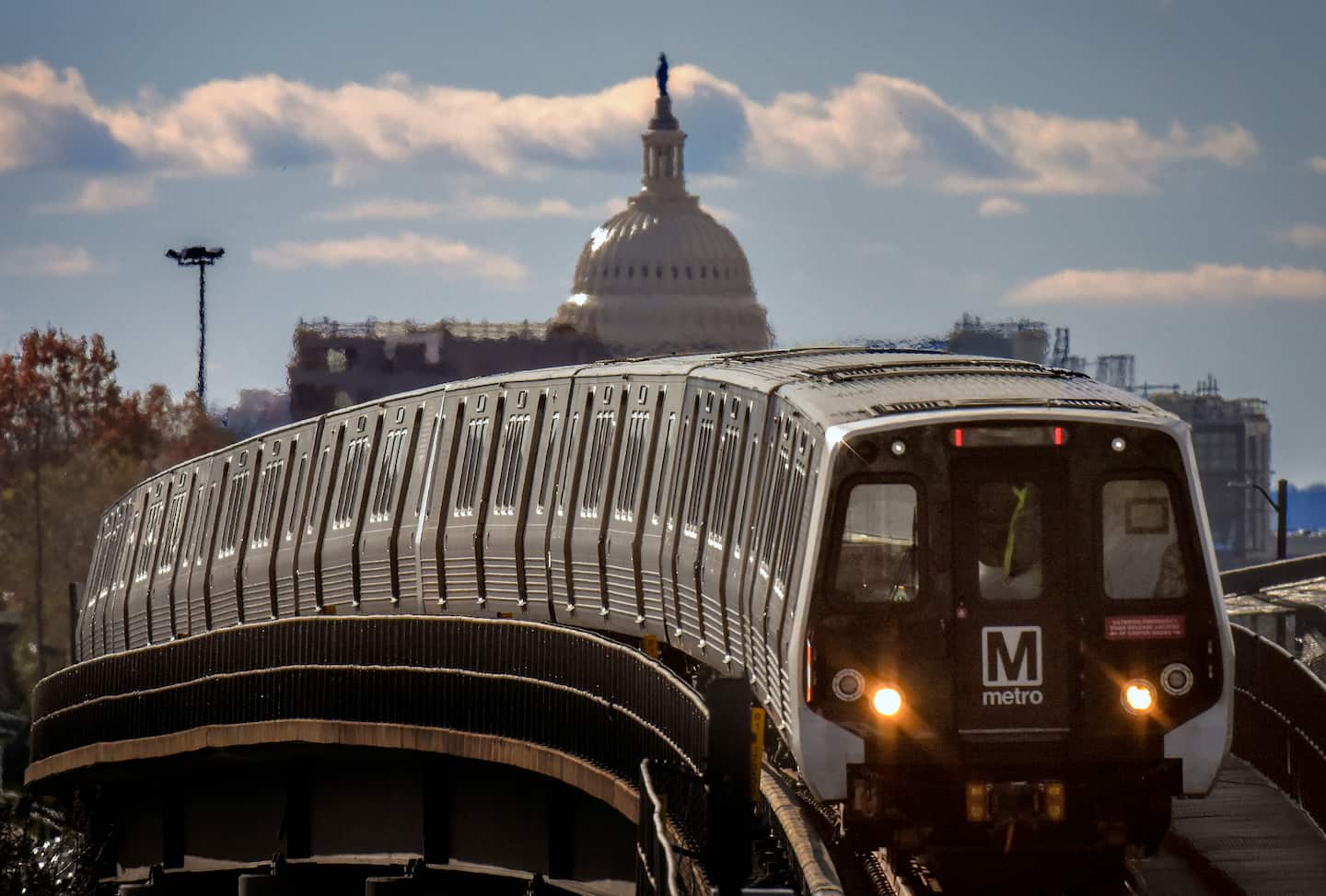
Metro's revised budget proposal for the upcoming fiscal year no longer includes major service cuts but does propose a 12.5% fare increase, affecting all riders except those enrolled in a low-income fare program. The proposal also includes smaller cuts to service and relies on large funding increases from D.C., Maryland, and Virginia. The budget is contingent on a combined $480 million in proposed funding becoming a reality and must be approved by the Metro board of directors. Virginia Governor Glenn Youngkin is reviewing the proposal and emphasizes the importance of finding a solution to improve WMATA's financial sustainability and performance.
New Jersey Transit plans to raise fares on its bus and train network by 15% on July 1, with an additional 3% increase annually thereafter, marking the first fare hike in over six years. The agency, facing a significant budget deficit and decreased ridership due to the pandemic, has received federal aid but still anticipates a deficit of over $100 million in the next fiscal year. The fare increases would result in some commuters' costs rising by more than $3 each way, with the agency citing the need for increased revenue from riders to address the financial shortfall.
Metro has released a budget proposal outlining drastic cuts to address a projected $750 million deficit in its operating budget for the next fiscal year. Without additional funding, the proposal includes eliminating 67 bus lines, reducing service on 41 others, closing 10 least-used stations, ending Metrorail service at 10 p.m., increasing fares and parking fees by 20 percent, and eliminating nearly 2,300 jobs. Metro officials warn that these cuts would result in reduced service quality, dirtier stations, and longer response times. Jurisdictions that fund Metro agree that more money is needed, but there is no clear solution to the deficit.
The Metropolitan Transportation Authority (MTA) board has voted to raise the base fare for subway and bus trips in New York City for the first time in eight years, increasing it from $2.75 to $2.90 by late August. The decision comes as the MTA aims to balance its budget after years of financial uncertainty caused by the pandemic. While weekday ridership has rebounded significantly, it still remains at about 70% of pre-pandemic levels. Advocates argue that lower-income workers, who heavily rely on the system, will bear the greatest burden of the fare increase, especially as the cost of essentials continues to rise. The fare increase is seen as a crucial step to ensure the survival of the transit system, which heavily relies on rider payments.
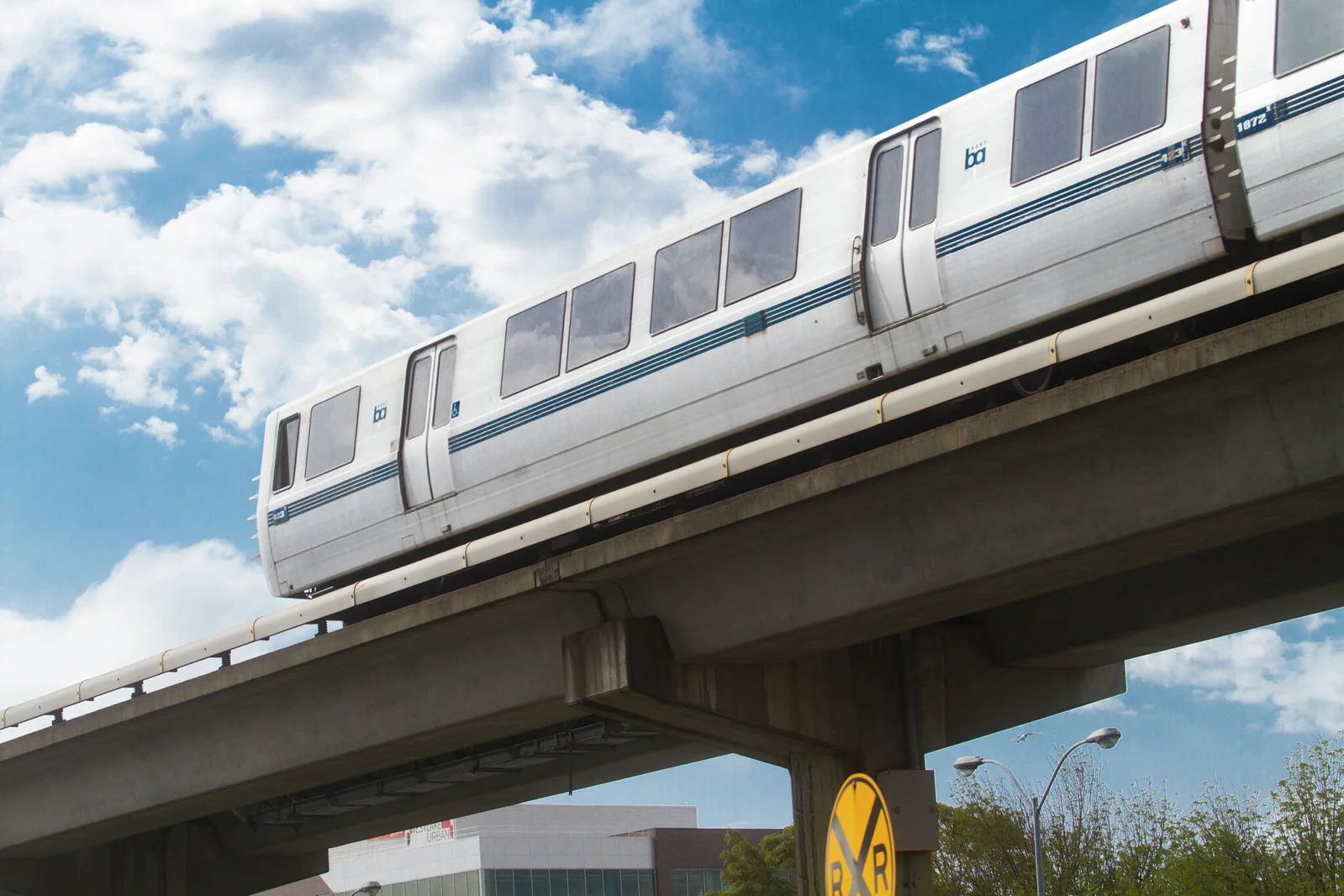
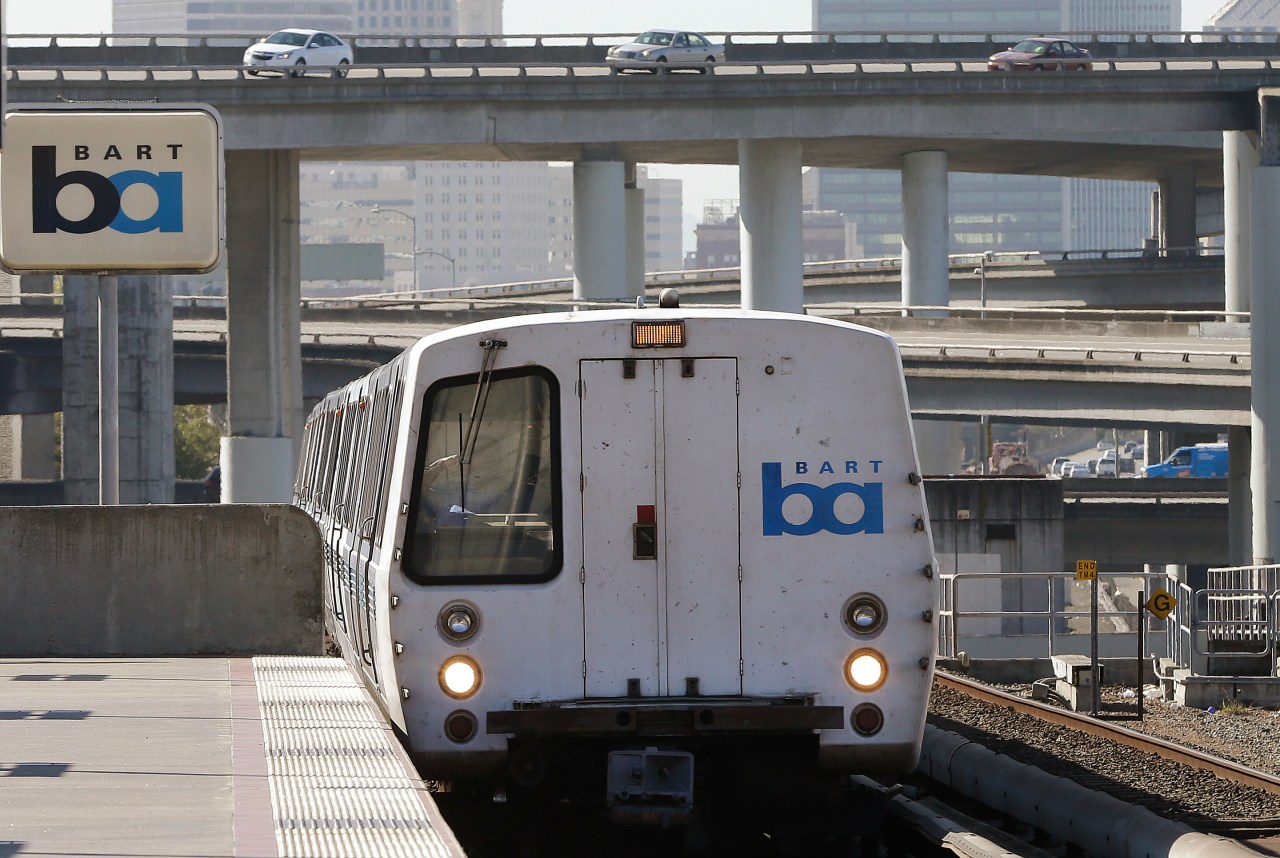
BART's board of directors approved a plan to increase fares and parking fees to address a budget shortfall caused by the COVID-19 pandemic. Fares will increase 11% over two years, and parking fees will vary based on station and time of day. The fare increase is estimated to raise an additional $26 million in operating funds through fiscal year 2025. The discount for low-income riders will increase from 20% to 50% in January 2024. BART is facing a $93 million deficit in fiscal year 2025 and is seeking temporary state funding to bridge the gap.
BART Board of Directors approved a new budget that includes fare increases and a revised parking policy due to a $93 million deficit looming over the 2025 financial year. The fare will increase twice over the next two years, by 5.5% each time, and the new parking policy will allow for varying parking prices within a certain range. The fare increases are expected to bring in $26 million more to BART through the 2025 financial year.
BART's board of directors has voted to increase fares and parking fees to address the agency's budget deficit caused by falling ridership. The plan includes an 11% fare increase over two years, with low-income riders receiving a 50% discount. Parking fees will also be raised, with the proposed daily fee ranging from $3 to $6.30 and the monthly fee ranging from $84 to $220. The changes are expected to allow BART to spend an additional 7.5% on operational expenses, but the agency still expects a two-year deficit of $93 million.
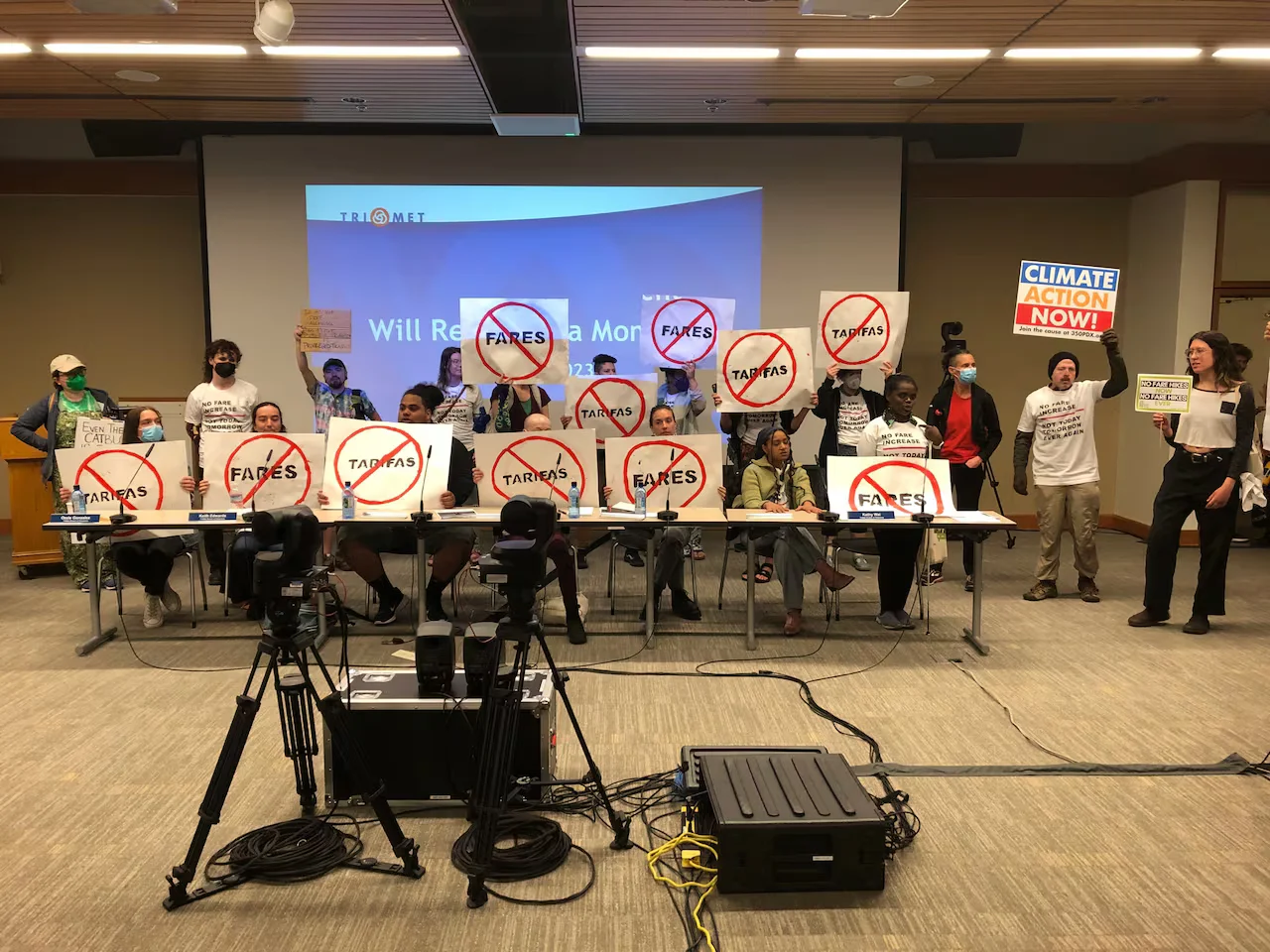
TriMet's board of directors has approved a fare increase of 30 cents for adult riders and 15 cents for students, elderly, and low-income riders, effective from January 2022. The decision was made to help the agency overcome its financial struggles due to the pandemic's impact on ridership. The meeting was disrupted by protesters who opposed the fare hike, and the board members moved to a smaller meeting room to continue the meeting. The fare increase has been the first in a decade and is expected to generate $56.2 million in revenue for the agency.
The Metropolitan Transportation Authority (MTA) has proposed raising the base fare for a single New York City subway, bus or paratransit ride 5 percent, to $2.90 from $2.75, the first increase to the base fare since 2015. The proposal would also raise the cost of a seven-day MetroCard 3 percent, to $34 from $33, and the cost of a 30-day MetroCard would go up 4 percent, to $132 from $127, their first increases since 2019. If approved, the fare increase would take effect no later than Labor Day and is expected to generate $305 million a year in revenue.