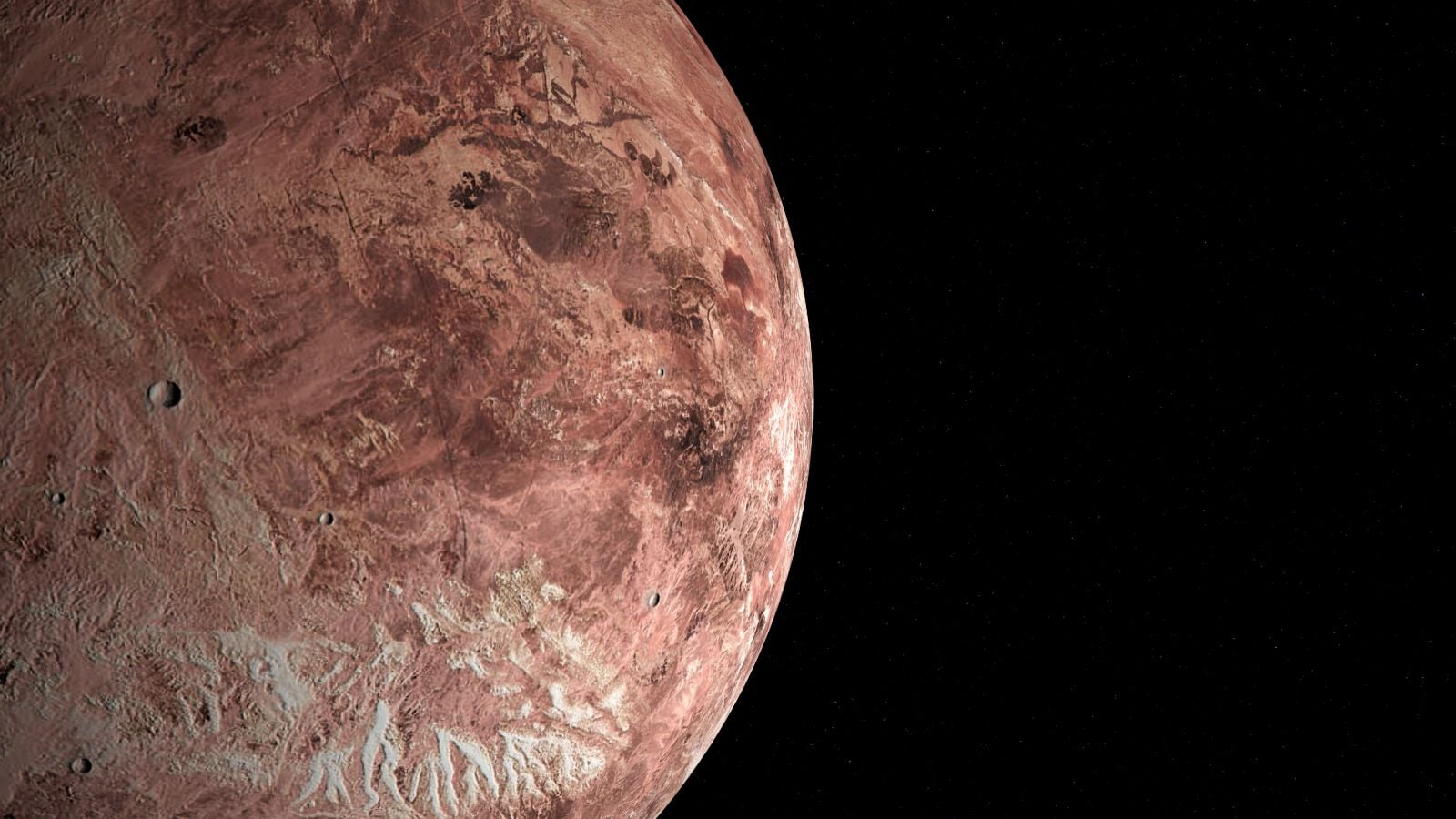
Scientists using the James Webb Space Telescope have detected faint traces of fluorescent methane gas around the dwarf planet Makemake, suggesting it is more active than previously thought and challenging the idea of it being a dormant icy body in the outer solar system.
Twelve Turkish soldiers died after exposure to lethal methane gas during a cave search in northern Iraq, part of Turkey's ongoing military operations against the PKK. The incident highlights the dangers of methane in enclosed spaces and occurs amid recent peace moves by the PKK, which has declared a ceasefire and disbandment after decades of conflict with Turkey.
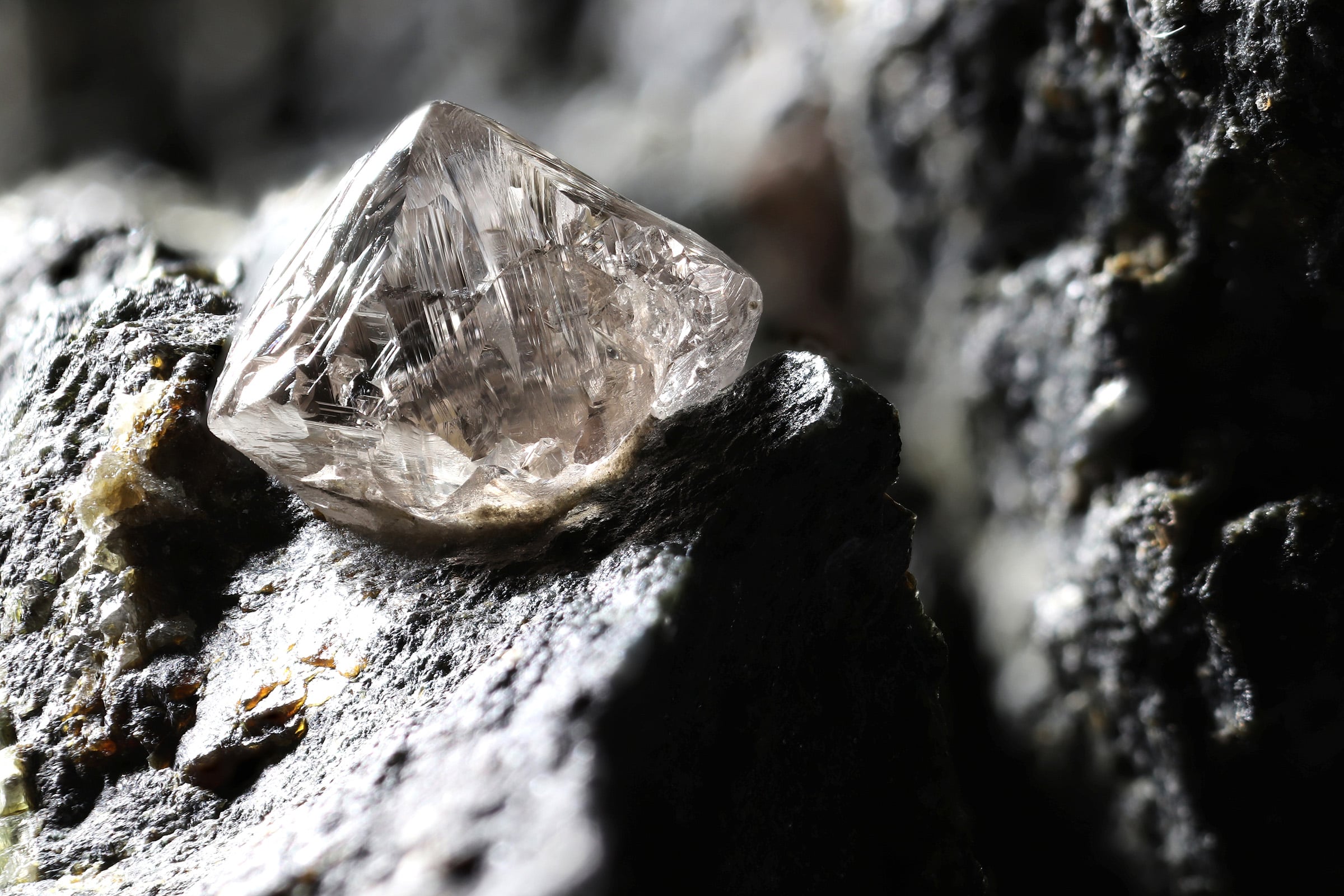
Scientists have developed a new technique to synthesize diamonds in just 15 minutes at normal atmospheric pressure without needing a starter gem. This breakthrough, detailed in a study published in Nature, uses gallium and silicon in a graphite crucible with super-hot carbon-rich methane gas. While the process still requires refinement, it promises to make diamond creation more accessible and eliminate several drawbacks of traditional synthesis methods.
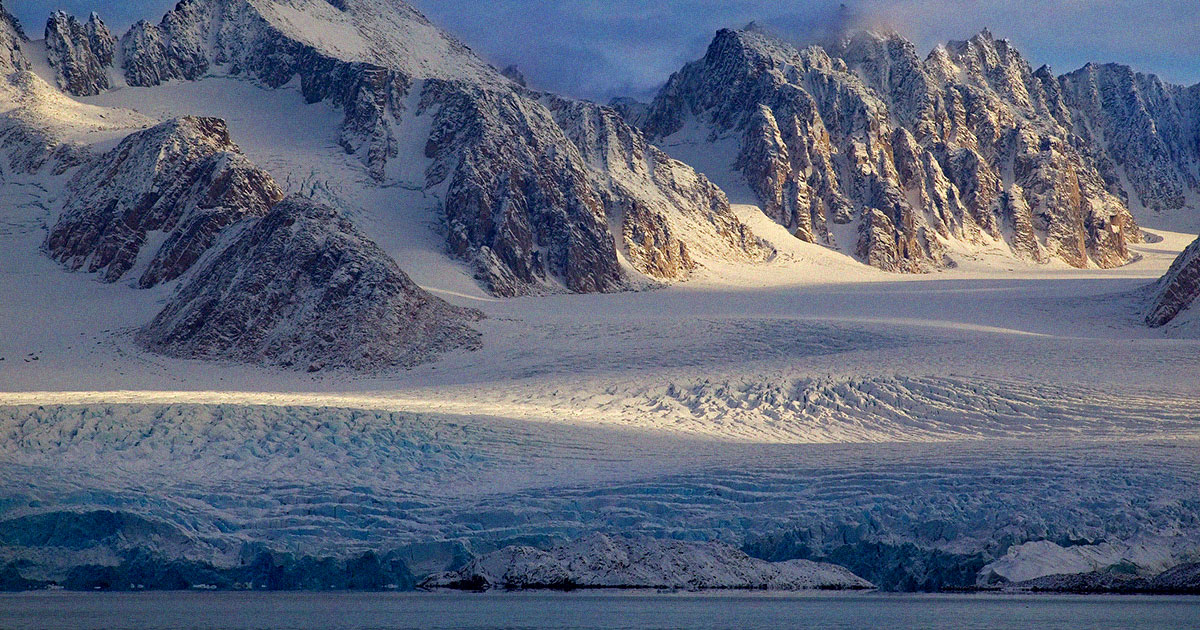
Fossil fuel drilling in the Norwegian permafrost is releasing trapped methane gas, according to a study. Researchers found that half of the hydrocarbon exploration wells in Svalbard struck accumulations of methane gas, which, if released into the atmosphere, could significantly increase carbon emissions and accelerate permafrost melting. The study highlights the potential for a vicious cycle, as melting permafrost would release more methane. Geographical features and drilling operations are both contributing to the release of methane, but scientists are still studying how the gas moves below the ice. The findings underscore the urgent need to address climate change and reduce greenhouse gas emissions.