
Tag

Meteor Observation

All articles tagged with #meteor observation

science1 year ago

Catch the Leonid Meteor Shower Despite the Supermoon

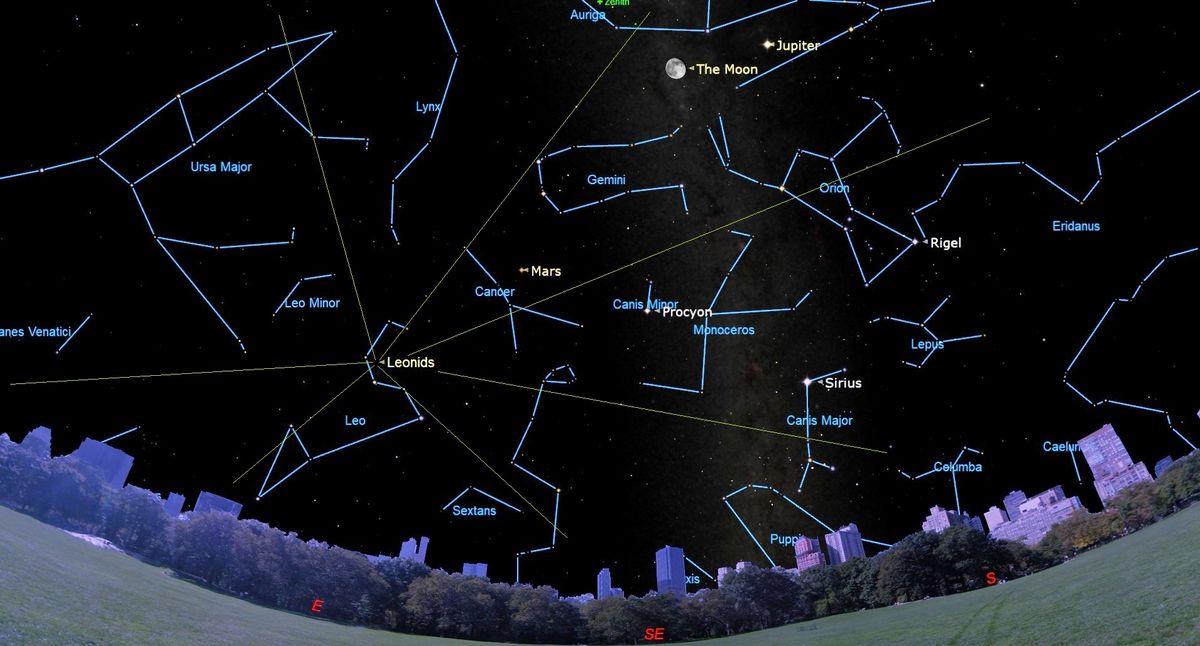
The Leonid meteor shower, peaking on November 17, 2024, is expected to be underwhelming due to the bright moonlight from a nearly full moon, which will obscure the view of the meteors. Typically producing 10 to 20 meteors per hour, this year's display is unlikely to be spectacular. The Leonids originate from the debris of the Tempel-Tuttle comet, and while historically capable of producing meteor storms, no unusual activity is forecasted for 2024. Observers are advised to watch in the pre-dawn hours when Leo is visible, despite the challenging conditions.
science-and-technology1 year ago

"Monitoring the Aurora with All-Sky Cameras"

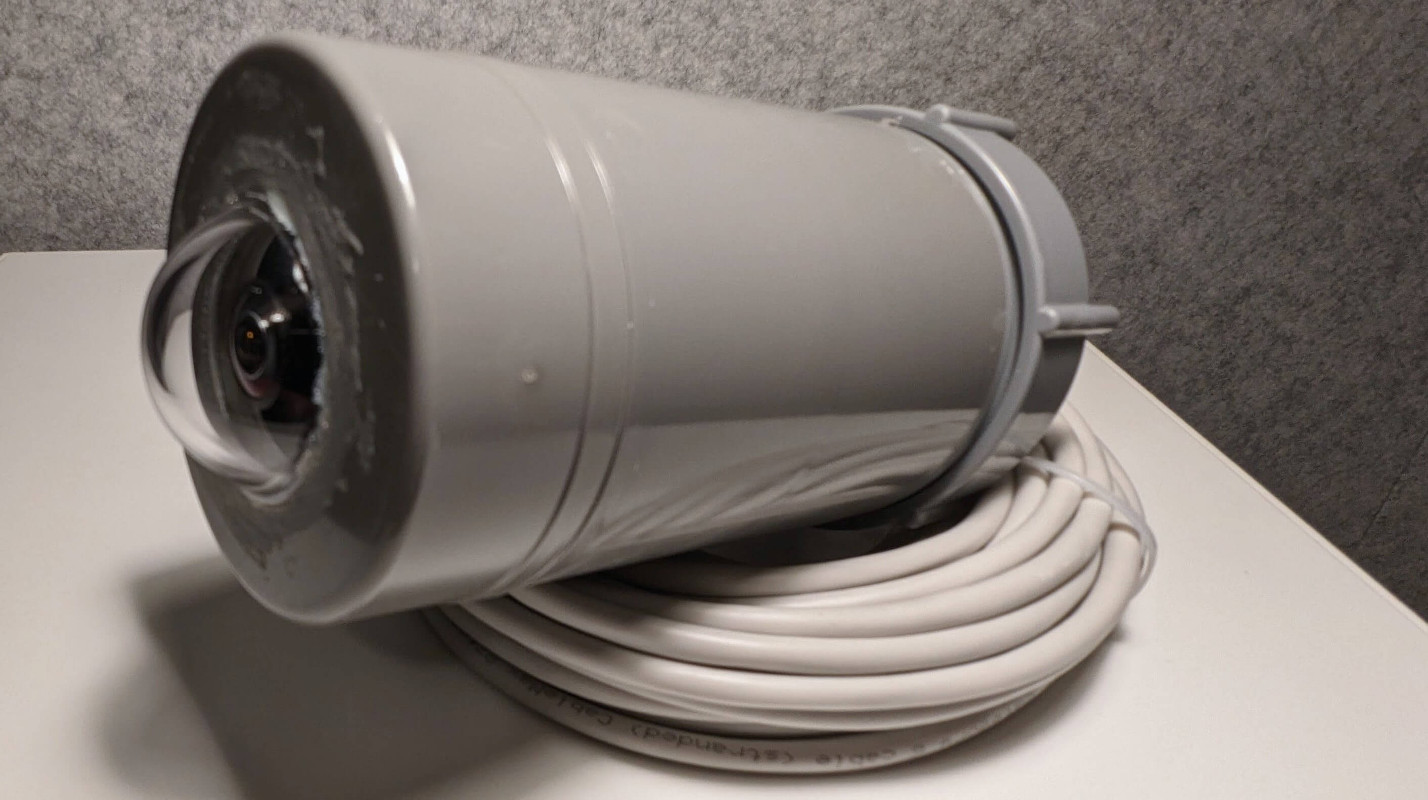
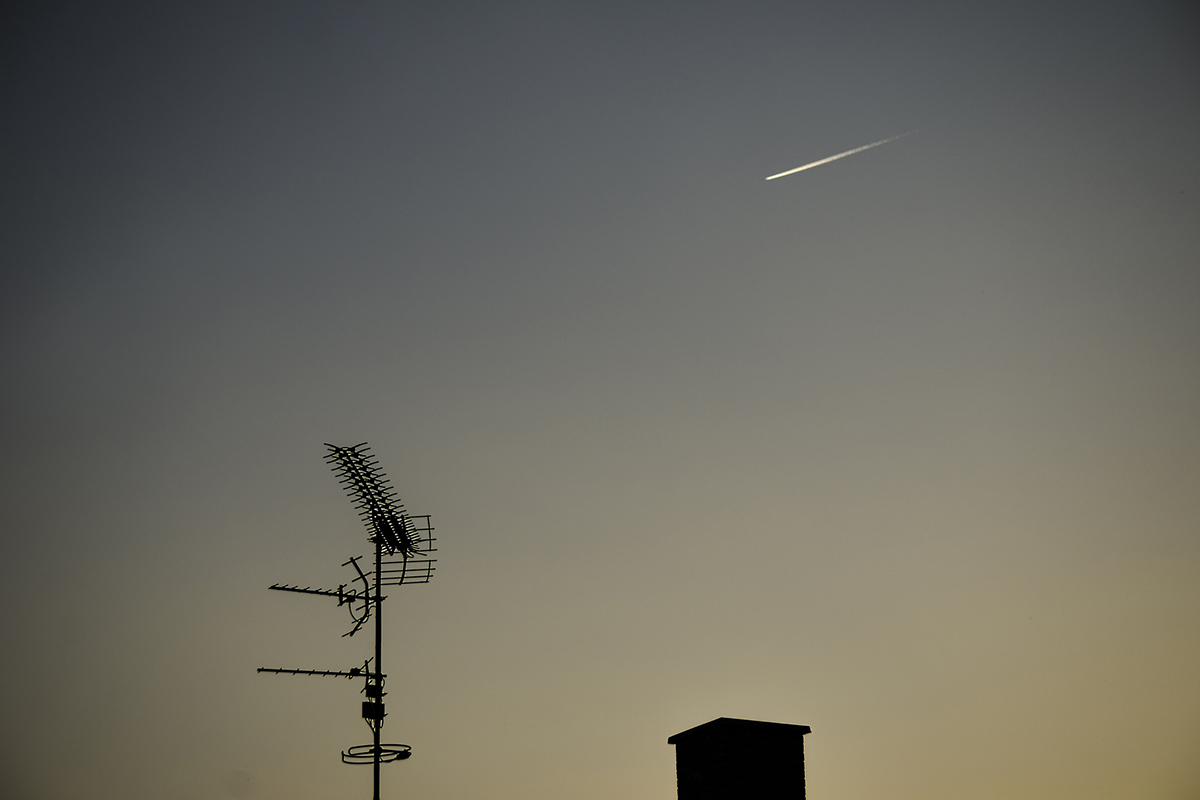
An all-sky camera built by [Frank] using a Raspberry Pi and PVC tubing enclosure is designed to withstand extreme temperatures and capture images of the aurora borealis. The system, powered by ethernet, aims to automatically detect auroras and send notifications. Additionally, the camera can be used to observe meteors and triangulate their positions on the ground.

science-and-technology2 years ago

"Experience the Perseid Meteor Shower through Your FM Radio: A Unique Observing Opportunity"

You can track meteors by listening to them on your FM radio by finding a radio station transmitting from a city far enough from you. Meteors leave an ionized trail in the atmosphere that reflects FM radio signals. Radio observation allows for the detection of smaller particles than visual observations. While radio observation does not provide information on the direction of meteors, it can be done during cloudy nights or daylight hours. Different daytime meteor showers, such as the Arietids, Zeta Perseids, and Beta Taurids, can be observed using radio observation. The Perseid meteor shower, which peaks on the night of 13/14 August, is a favorite for many observers. Radio observations are best conducted overnight when human activity is low, and the number of detectable meteors increases after midnight. A step-by-step guide is provided for setting up and tuning into FM radio stations to listen to the Perseid meteor shower.