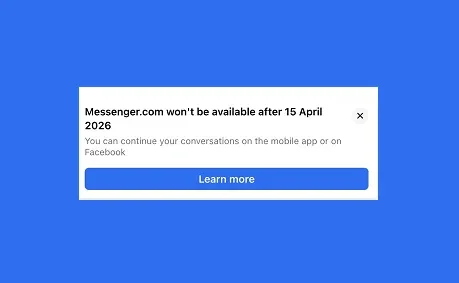
Meta to Discontinue Messenger Desktop Apps for Windows and Mac
Meta is discontinuing its Messenger desktop apps for Windows and macOS, with support ending in December, pushing users to use the web versions or other apps for messaging.
All articles tagged with #messenger

Meta is discontinuing its Messenger desktop apps for Windows and macOS, with support ending in December, pushing users to use the web versions or other apps for messaging.

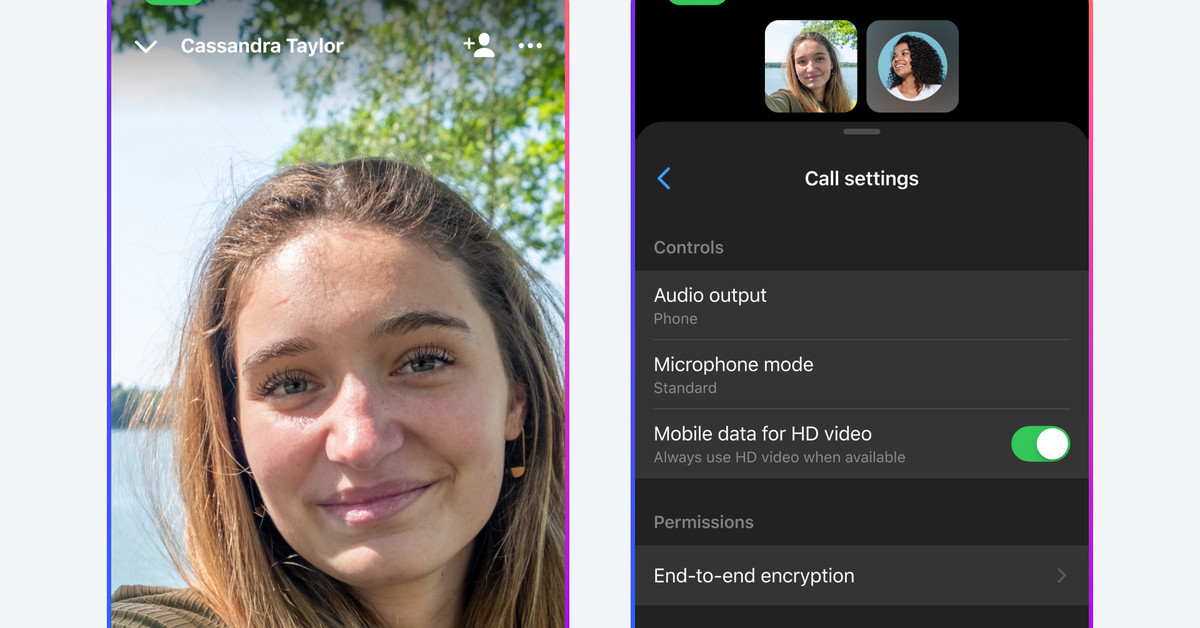
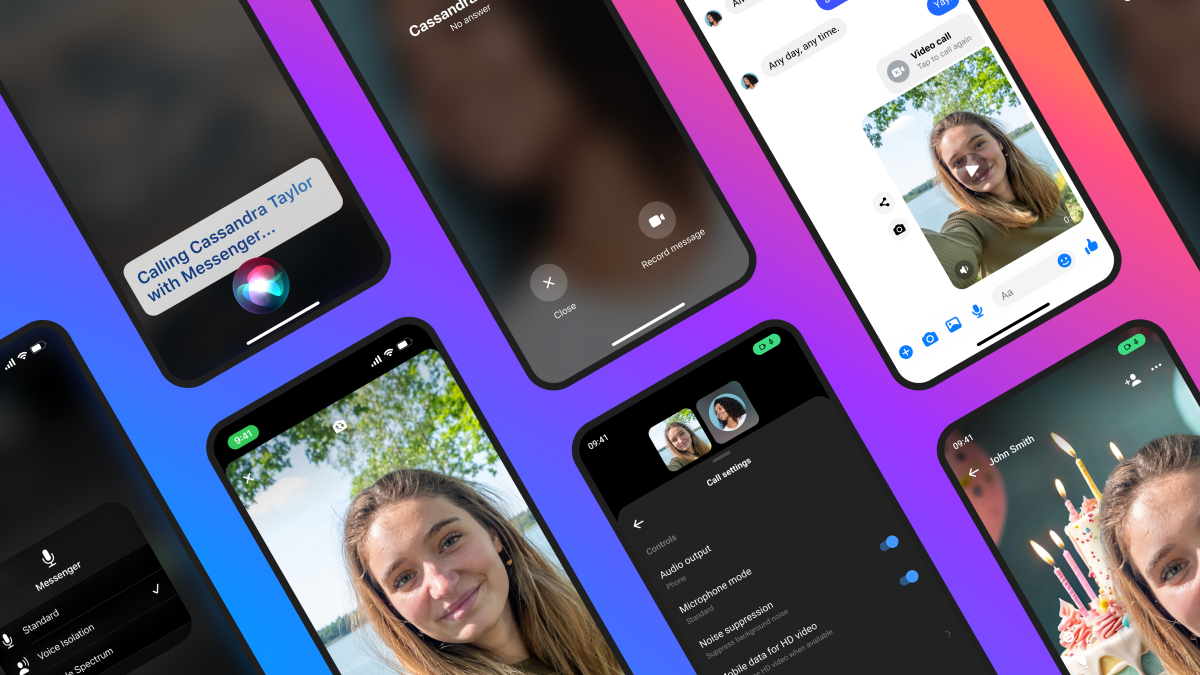
Meta is enhancing its Messenger app with HD video calling, noise suppression, and AI-generated backgrounds to compete with other video calling apps like Zoom and FaceTime. These features, including the ability to leave voice or video messages, are now available, with HD calling enabled by default on Wi-Fi. Users can also use Apple's Siri for hands-free calling and messaging through Messenger.

Meta has announced new features for Messenger Calling, including AI-generated backgrounds for video calls, HD video quality, background noise suppression, and voice isolation to enhance call clarity. Users can also leave audio or video messages for missed calls and utilize hands-free calling and messaging through Siri. These updates aim to make Messenger Calling more reliable and enjoyable, reflecting Meta's commitment to improving user connectivity.

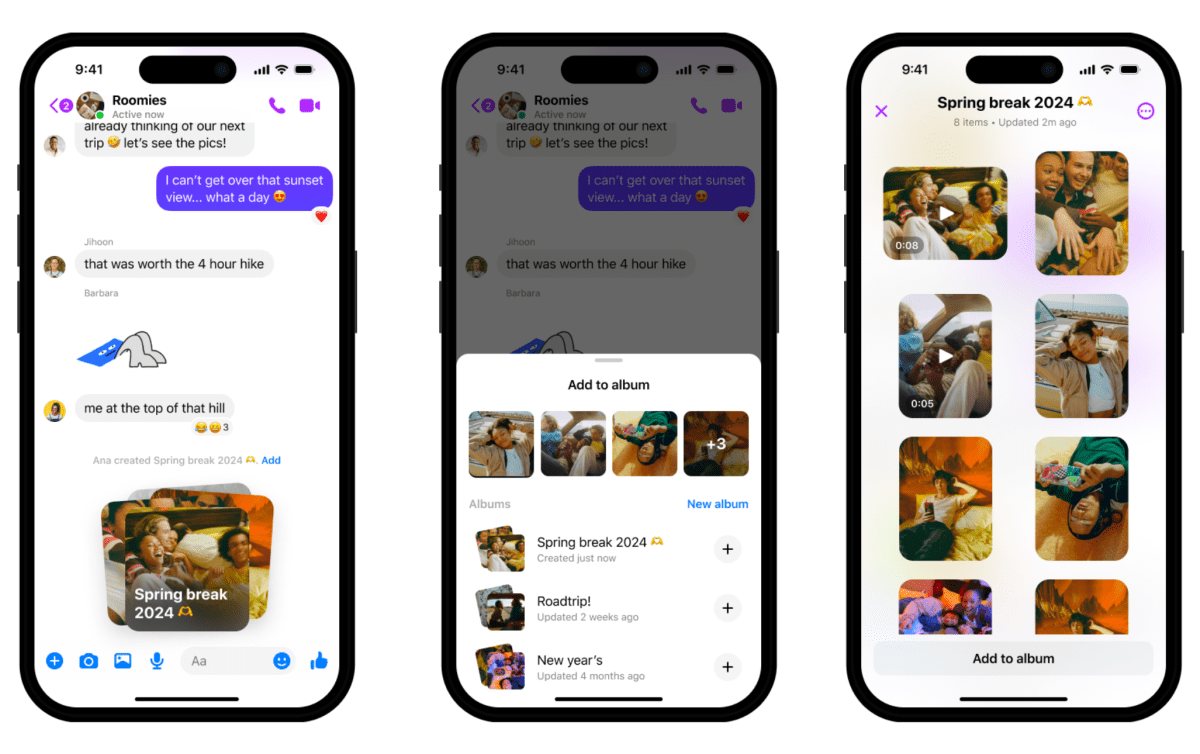
The Messenger app has added four new features, including the ability to send higher-quality photos, create shared photo albums, increase file size limits to 100MB, and add contacts via QR code. These updates aim to enhance the user experience and keep Messenger competitive with other messaging apps.

Meta has released a major update to Messenger, allowing users to send HD photos, create Shared Albums, send larger files, and add new connections using QR codes. The update addresses long-standing complaints about photo quality on the app and provides new features for easier photo sharing and file transfer.

Messenger introduces the ability for users to create shared albums in chats, send high-definition photos, and share larger files up to 100MB. Users can now organize photos and videos in group chats by creating albums, add, delete, and download pictures and videos, and send multiple HD photos by toggling an "HD" option. Additionally, users can now send Word, PDF, Excel, and zip files directly in chats and connect with others by scanning a QR code. These new features are rolling out on mobile to all Messenger users.

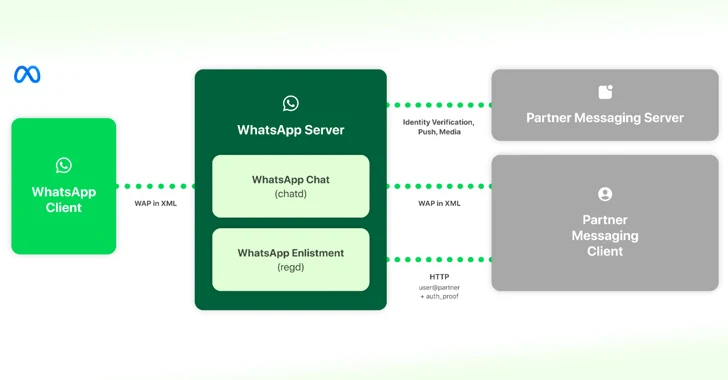
Meta details its plans to implement interoperability in WhatsApp and Messenger with third-party messaging services to comply with the EU's Digital Markets Act (DMA) regulations, which require gatekeeper companies to open some of their services to competitors. The company expects third-party providers to use the Signal Protocol for end-to-end encryption and proposes a "plug-and-play" model for connecting to its infrastructure. However, challenges such as potential data exposure and loss of connection level signals are noted in the proposed technical architecture.

Meta has outlined its plans for third-party messaging apps to be interoperable with WhatsApp and Messenger in compliance with the new European Union law. The company will require third-party developers to use the Signal protocol for end-to-end encryption and host media files on their own servers. While Meta can ensure security within its own ecosystem, it cannot guarantee the same level of security for messages sent to or from third-party apps. Developers will need to sign an agreement with Meta and be prepared to enable interoperability with another service within three months of receiving a request.

In compliance with the Digital Markets Act, Meta plans to make WhatsApp and Messenger interoperable with third-party messaging services, requiring third parties to use the Signal protocol for encryption. While touting the benefits of the Signal protocol, Meta also emphasizes the need for third parties to demonstrate similar security guarantees. The company outlines technical details of how encryption will work and states that third parties will be responsible for hosting media files. However, Meta hedges on the security of third-party providers, suggesting potential security concerns. Third-party providers will need to sign agreements with Meta or WhatsApp before enabling interoperability.

Mercury, the closest planet to the Sun, holds many intriguing facts that make it a compelling target for scientific research and potential human exploration. With a dense core, cooler temperatures than Venus, and evidence supporting Einstein's theory of general relativity, Mercury's unique characteristics offer valuable insights for space exploration. Recent discoveries of water ice, oxygen in its thin atmosphere, and the presence of chromium further highlight the planet's potential for future resource utilization and human habitation.

Meta, the parent company of Facebook, has begun rolling out default end-to-end encryption (E2EE) for chats and calls on Messenger and Facebook, despite opposition from law enforcement agencies such as the FBI. The implementation will take months to reach all 1 billion users. Meta plans to use the Signal Protocol and its own Labyrinth Protocol for encryption. The company assures users that with E2EE enabled, it will not be able to read their messages, but users can still report messages to the company. The Electronic Frontier Foundation praised the move, but noted that it currently only applies to one-to-one chats and voice calls.

Meta, formerly known as Facebook, has finally begun rolling out end-to-end encryption for its Messenger and Instagram chat apps after seven years of development. The implementation of this privacy feature, which makes data unreadable except on the devices of the sender and recipient, has been a challenging task due to technical and political obstacles. Meta had to address concerns from law enforcement and victim advocacy groups while retrofitting its massive communication platforms to maintain user experience and functionality. The company developed an encrypted storage protocol called Labyrinth to securely store users' chat histories on its servers while keeping the data inaccessible to Meta. The rollout will initially cover direct messages between two accounts, with group chats remaining opt-in for now. The move has received mixed reactions, with privacy advocates applauding the increased security while law enforcement and victim defense groups expressing concerns about limited oversight.

Meta, the parent company of Facebook and Messenger, has announced that all chats on the platforms will be automatically encrypted with end-to-end encryption (E2EE), making it the default setting. Previously, users had the option to opt in to encrypted messages. Critics, including the UK government and law enforcement, argue that default encryption will hinder efforts to detect child sexual abuse on Messenger. Meta states that it has worked with experts and governments to address risks and ensure privacy and safety. Instagram messages may also receive default encryption in the future. The move comes amidst a debate between privacy advocates and those concerned about child safety.

Meta has announced that it will expand encryption on its Messenger platform, making it more similar to its sibling app, WhatsApp. The update means that personal calls and chats on Messenger will be encrypted by default, ensuring that nobody, including Meta, can access the content unless a user chooses to report a message. The company plans to encrypt all Messenger chats using various cryptographic principles, including those used by the popular Signal app. This move aligns with Meta's goal of providing more privacy-centric services across its platforms, following previous privacy-related updates on Instagram and Messenger. However, the encryption push has sparked a debate on the balance between privacy and law enforcement investigations, with concerns raised about the detection of online child abuse activities.

Meta Platforms, the parent company of Facebook and Messenger, has announced the rollout of end-to-end encryption for all personal chats and calls on its platforms. While the feature is available immediately, it may take some time for all Messenger accounts to be updated. Previously, users had the option to enable end-to-end encryption, but now it will be the default setting. Meta believes that encryption can enhance user safety by protecting them from hackers, fraudsters, and criminals. However, the implementation of end-to-end encryption has been a contentious issue between companies and governments.