Tag

Interoperability

All articles tagged with #interoperability

Samsung SmartThings now supports Siri Shortcuts for seamless automation

Originally Published 2 months ago — by 9to5Mac

Featured image for Samsung SmartThings now supports Siri Shortcuts for seamless automation
Source: 9to5Mac

Samsung has announced an update that enables Siri to trigger SmartThings routines, enhancing interoperability between Galaxy and Apple devices, including support for Apple Watch and expanded iOS Live Activities, making smart home automation more seamless across platforms.

NATO and Allies Accelerate Military Production and Cooperation

Originally Published 5 months ago — by War on the Rocks

Featured image for NATO and Allies Accelerate Military Production and Cooperation
Source: War on the Rocks

The article emphasizes the importance of shared production, interoperability, and co-manufacturing of munitions among U.S. and allied forces to strengthen deterrence against China and Russia, highlighting existing weapon systems like the SM-6 and Tomahawk, and advocating for expanded allied industrial capacity and distributed manufacturing to ensure credible and resilient defense capabilities in the Indo-Pacific region.

NATO Strengthens Eastern Flank and Modernizes Arsenal at LandEuro 2025

Originally Published 5 months ago — by Defense News

Featured image for NATO Strengthens Eastern Flank and Modernizes Arsenal at LandEuro 2025
Source: Defense News

The U.S. Army and NATO are implementing the Eastern Flank Deterrence Line plan to strengthen ground-based defenses and enhance interoperability across alliance members, focusing on countering Russian threats, especially around the Baltic states and Kaliningrad, with standardized, data-driven systems and collaborative military technology development.

Realtalk and AI: Exploring Their Connection in 2024

Originally Published 6 months ago — by Hacker News

The article discusses Realtalk's relationship with AI, highlighting challenges like interoperability in systems like Dynamicland, which aims for transparency and user understanding but faces technical and practical limitations. It explores the potential and limitations of integrating large language models (LLMs) into physical computing environments, emphasizing the importance of understanding and agency in technology, and reflecting on AI's broader impact on creativity, learning, and societal change.

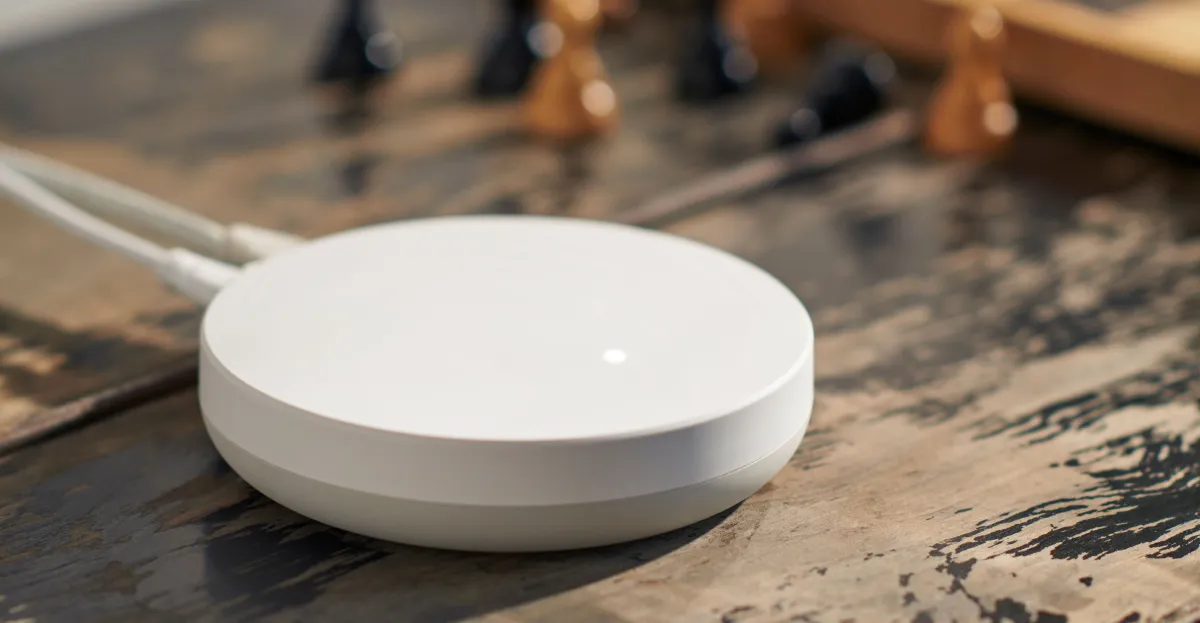
Ikea's Dirigera Hub Gains Full Matter Controller Capabilities

Originally Published 6 months ago — by The Verge

Featured image for Ikea's Dirigera Hub Gains Full Matter Controller Capabilities
Source: The Verge

Ikea is relaunching its smart home line with over 20 new Matter-over-Thread devices, aiming to make smart home products more affordable, compatible across brands, and easier to use. The company is updating its Dirigera hub to support Matter and Thread, enabling seamless control of compatible devices from various brands, and maintaining backward compatibility with Zigbee. This move positions Ikea as a major retailer adopting Matter for broader interoperability and user-friendly smart home experiences.

Microsoft to Remove Password Storage from Authenticator App Next Month

Originally Published 6 months ago — by Hacker News

The article discusses the challenges and concerns surrounding passkeys, including their complex implementation, vendor lock-in issues, limited interoperability, and the potential for increased platform entrenchment, while highlighting that current solutions are often confusing and not yet widely supported across devices and services.

Apple Challenges EU Orders on Compatibility and Data Sharing

Originally Published 7 months ago — by Axios

Featured image for Apple Challenges EU Orders on Compatibility and Data Sharing
Source: Axios

Apple plans to appeal the European Commission's interoperability requirements under the Digital Markets Act, which compel it to share user data with outside developers, citing concerns over privacy, security, and innovation. The company argues these rules threaten its technology foundation and could expose sensitive user information, while some other businesses support the regulations for fostering better features and competition. The appeal deadline was May 30.

Matter 1.4 Enhances Smart Home Integration with New Device Support

Originally Published 1 year ago — by The Verge

Featured image for Matter 1.4 Enhances Smart Home Integration with New Device Support
Source: The Verge

Matter 1.4 aims to address previous shortcomings in the smart home standard by enhancing multi-admin interoperability, improving Thread border router compatibility, and expanding energy management support to include devices like heat pumps and solar panels. While the update promises better integration across platforms like Apple, Amazon, and Google, adoption may be slow as device makers and platforms integrate the new features. The update also introduces Matter-certified routers to streamline smart home infrastructure, potentially accelerating Matter's adoption.

"Proposed Bill Aims to Enhance Secure Interoperability of Zoom and Teams"

Originally Published 1 year ago — by The Verge

Featured image for "Proposed Bill Aims to Enhance Secure Interoperability of Zoom and Teams"
Source: The Verge

Sen. Ron Wyden has proposed the Secure and Interoperable Government Collaboration Technology Act, which would require videoconferencing and messaging tools used by the federal government to be able to communicate with each other, enforce high security standards, and include end-to-end encryption. The bill aims to push the industry toward greater interoperability and would involve the General Services Administration, National Institute of Standards and Technology, and Department of Homeland Security in setting and reviewing standards. The proposal comes in response to concerns about security risks from technology vendors, particularly highlighted by a recent report on a Chinese hack of US government emails involving Microsoft.

"Threads Beta Expands to Connect Users with Fediverse Platforms"

Originally Published 1 year ago — by Facebook Engineering

Featured image for "Threads Beta Expands to Connect Users with Fediverse Platforms"
Source: Facebook Engineering

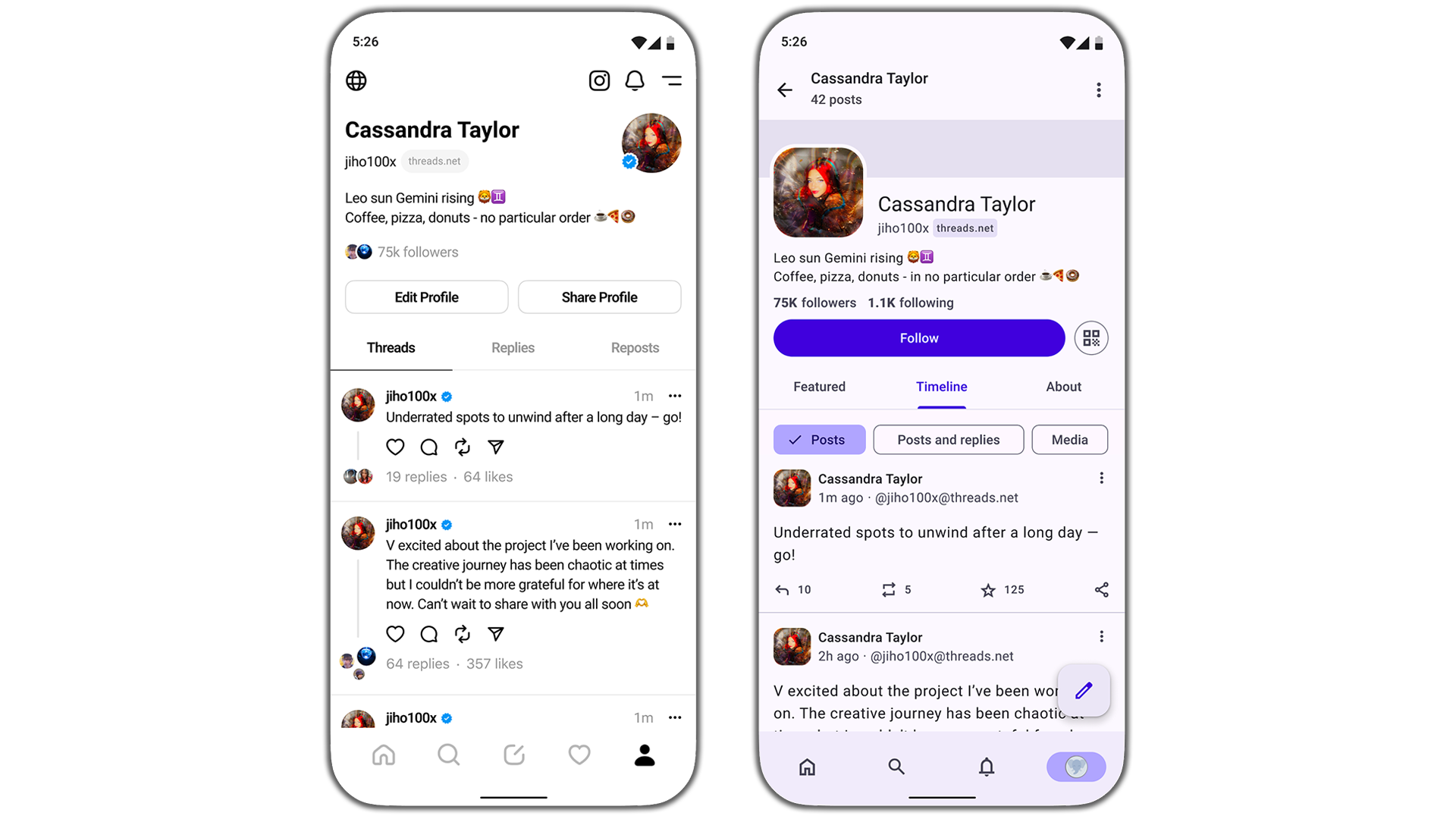
Threads, a social networking app, has integrated with the fediverse, allowing users to share posts to other ActivityPub-compliant servers and interact with users on different platforms. The app leverages ActivityPub, a decentralized open social networking protocol, to enable interoperability. While some content is not federated yet, the team is working on implementing features like quote posts and ensuring seamless interactions between federated and non-federated users. The phased approach aims to build a fully interoperable experience and foster collaboration with the fediverse community.

"WhatsApp Issues Urgent Update Warning to All Users"

Originally Published 1 year ago — by Forbes

Featured image for "WhatsApp Issues Urgent Update Warning to All Users"
Source: Forbes

WhatsApp is warning its 2 billion users about a serious new problem with its upcoming upgrade, which aims to comply with Europe’s DMA and open its platform to third-party chats. The new guidance reveals a fatal flaw in the update, highlighting serious security risks for users due to the challenge of maintaining end-to-end encryption while enabling interoperability with other services. The warning emphasizes the inability to guarantee the security and privacy of messages sent or received through third-party providers, raising concerns about potential compromises to user security.

"WhatsApp and Messenger to Implement Safe Interoperability via Signal Protocol: What You Need to Know"

Originally Published 1 year ago — by Forbes

Featured image for "WhatsApp and Messenger to Implement Safe Interoperability via Signal Protocol: What You Need to Know"
Source: Forbes

WhatsApp is set to comply with Europe's DMA by opening its platform to third-party chats, but a new warning reveals a serious risk for its 2 billion users. The update aims to maintain end-to-end encryption while enabling interoperability, but without control of both endpoints, the platform cannot guarantee the security and privacy of messages sent to or received from third-party providers. This poses significant security risks, leading experts to advise users to stick to separate end-to-end encrypted messengers and avoid mixing and matching platforms.

"Meta Announces WhatsApp and Messenger Interoperability to Comply with EU's DMA Regulations"

Originally Published 1 year ago — by The Hacker News

Featured image for "Meta Announces WhatsApp and Messenger Interoperability to Comply with EU's DMA Regulations"
Source: The Hacker News

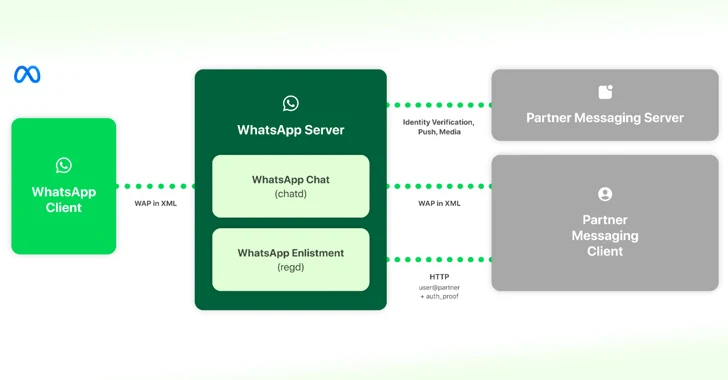
Meta details its plans to implement interoperability in WhatsApp and Messenger with third-party messaging services to comply with the EU's Digital Markets Act (DMA) regulations, which require gatekeeper companies to open some of their services to competitors. The company expects third-party providers to use the Signal Protocol for end-to-end encryption and proposes a "plug-and-play" model for connecting to its infrastructure. However, challenges such as potential data exposure and loss of connection level signals are noted in the proposed technical architecture.

"Meta Unveils Safe Interoperability for WhatsApp and Messenger with Third-Party Apps"

Originally Published 1 year ago — by Engadget

Featured image for "Meta Unveils Safe Interoperability for WhatsApp and Messenger with Third-Party Apps"
Source: Engadget

Meta has outlined its plans for third-party messaging apps to be interoperable with WhatsApp and Messenger in compliance with the new European Union law. The company will require third-party developers to use the Signal protocol for end-to-end encryption and host media files on their own servers. While Meta can ensure security within its own ecosystem, it cannot guarantee the same level of security for messages sent to or from third-party apps. Developers will need to sign an agreement with Meta and be prepared to enable interoperability with another service within three months of receiving a request.

"Meta Unveils Safe Interoperability for WhatsApp and Messenger with Third-Party Services"

Originally Published 1 year ago — by The Verge

Featured image for "Meta Unveils Safe Interoperability for WhatsApp and Messenger with Third-Party Services"
Source: The Verge

Meta explains that it will enable interoperability with third-party services as required by the DMA, but the process may take longer than three months to implement for public use. Initially, support will be limited to one-on-one chats and file sharing, with plans to expand to group chats and calls over time. Third-party providers must sign an agreement to interoperate with Messenger and WhatsApp, using WhatsApp’s Signal protocol for encryption or an alternative that meets the same security standards. While Meta promises secure end-to-end encrypted chats in transit, it cannot guarantee the behavior of apps on the receiving end.