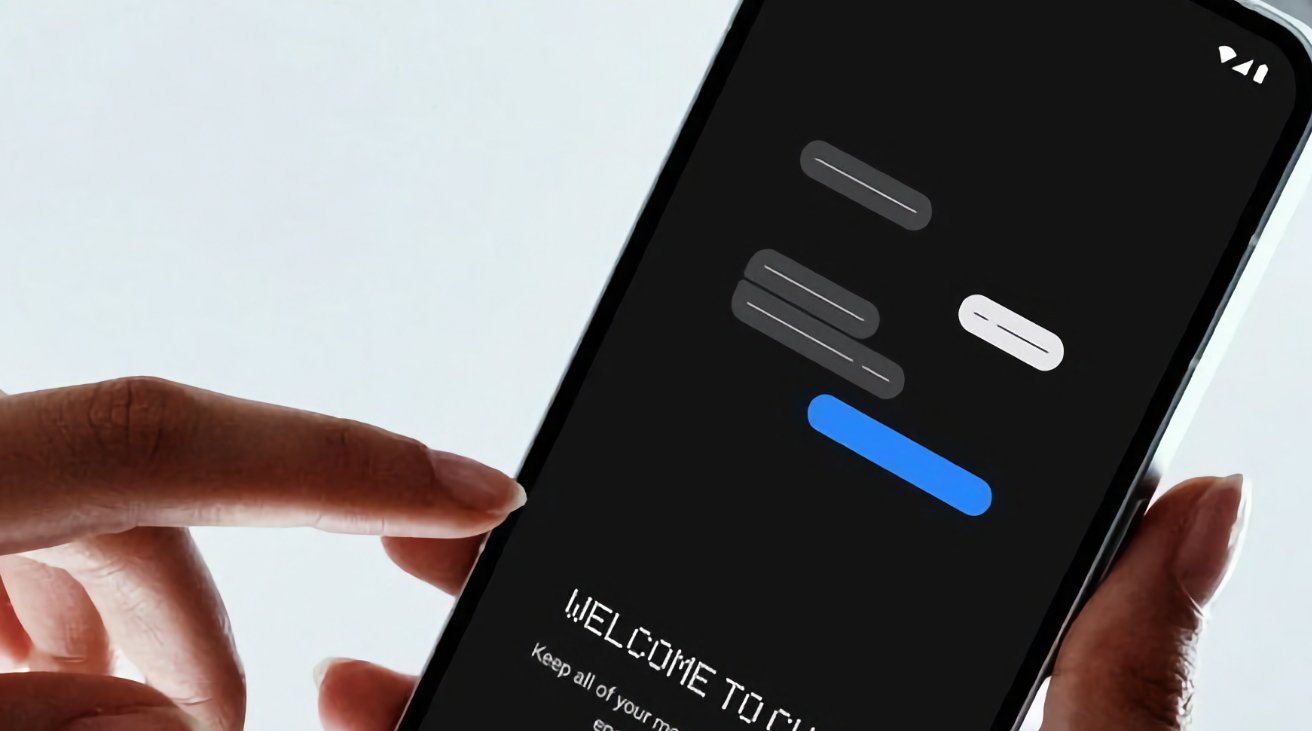
Arattai, an Indian-made messaging app developed by Zoho, has recently surged in popularity in India, driven by government promotion of self-reliance and nationalist sentiment, aiming to challenge WhatsApp's dominance. Despite its growth, experts believe it will be difficult for Arattai to replace WhatsApp due to its extensive user base and privacy concerns, especially regarding data encryption and government access. The app's future success depends on its ability to retain users and address privacy issues, but it faces significant challenges from established global platforms.
Google Messages is testing a new feature to verify the identity of contacts during chats, aiming to enhance security and trust in messaging conversations.
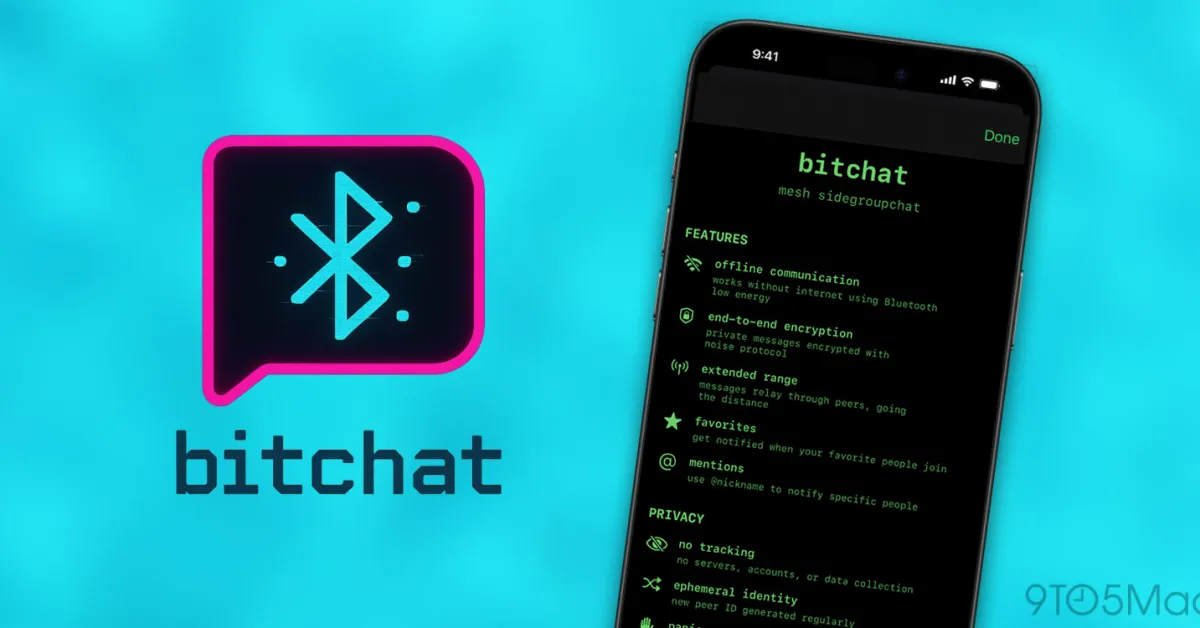
Jack Dorsey's new Bluetooth-based, decentralized messaging app 'bitchat mesh' has launched on the App Store, offering privacy-focused, peer-to-peer communication without servers or user data collection, though it currently has a bug preventing Android connectivity.
ICQ, the pioneering messaging app launched in 1996, is shutting down on June 26th after nearly 28 years. Once boasting over 100 million users, ICQ was known for its ease of use and global communication capabilities. Owned by VK since 2010, users are now advised to switch to VK Messenger and Workspace. The reason for the shutdown has not been disclosed.
WhatsApp has introduced a new "event" feature for community group chats, allowing users to create events for online meetings via voice or video calls with targeted notifications to recipients who have accepted the invitations. The feature, discovered in the latest Android update, enables users to input event details and send invitations to group members, with the creator having the authority to edit event details. The tech giant is considering expanding this feature to regular group chats in the future.
Google Messages is reportedly adding parental controls that will allow parents to block their child from sending messages until they're approved. This feature, uncovered in a recent version of the app, is likely to work on a per-contact basis and may be controlled through Google's Family Link app. It is expected to cover both SMS and RCS messages, but the specifics of its functionality are still unclear as it is in the early stages of development.
Google Messages is reportedly rolling out a new feature called "Selfie GIFs," allowing users to record 3-second GIFs using the app's custom camera. Users can access this feature by long-pressing the camera icon in a conversation or tapping a prompt in the conversation. The recorded GIFs are automatically saved in the camera roll for easy sharing, and the feature is expected to add a fun and creative element to messaging. While a support article for the feature is live, it has not yet been widely rolled out to devices.
WhatsApp is working on new features to encourage proactive conversations, including a section suggesting new contacts to chat with and displaying recently online contacts when adding people to a call. These features have been spotted in beta releases and could roll out to users in the future, aiming to promote more proactive communication within the app.
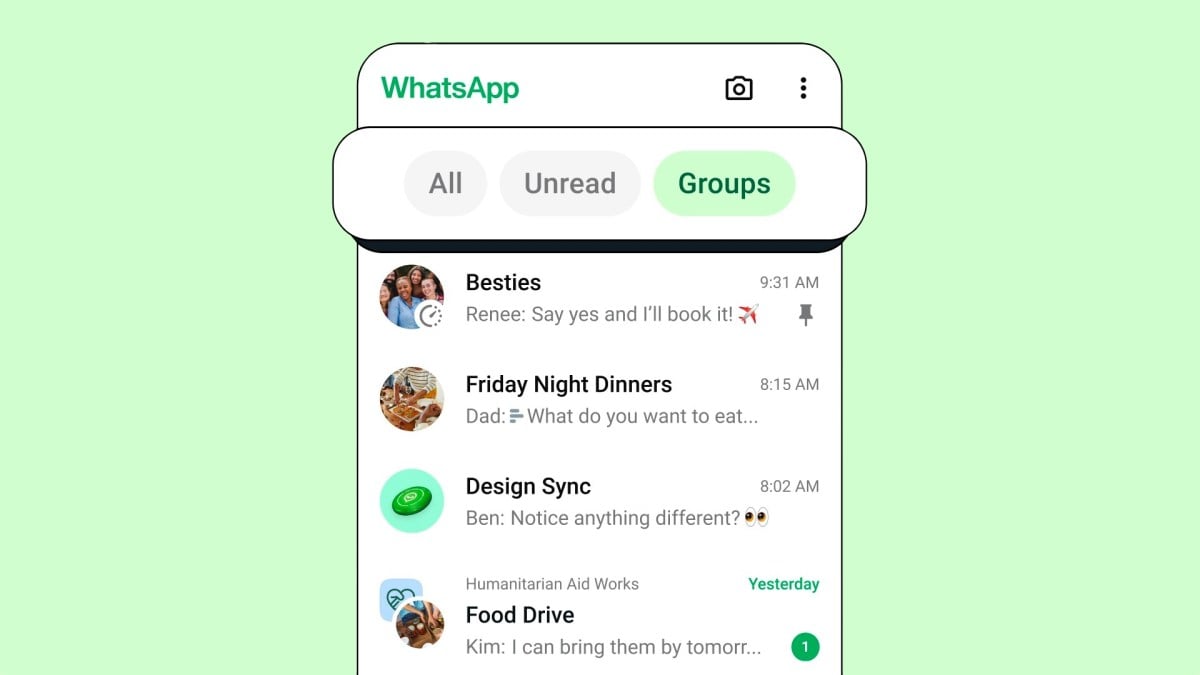
WhatsApp owner Meta is updating the chat app with inbox filters, introducing three filter buttons to help users keep track of conversations. The update, set to roll out in the coming weeks, aims to make it easier for people to stay organized and find important conversations. Despite its popularity, WhatsApp has faced struggles and criticism, including alleged hacks and usability issues. The move is part of Meta's efforts to make the messaging service more useful and user-friendly.
WhatsApp has introduced new chat filters, including "All," "Unread," and "Groups," to help users easily access specific types of messages in their inbox. The "Unread" filter is particularly useful for managing unread messages, while the "Groups" filter allows for quick navigation through group chats and subgroups. These filters aim to simplify inbox organization and will be rolled out to users over the coming weeks.
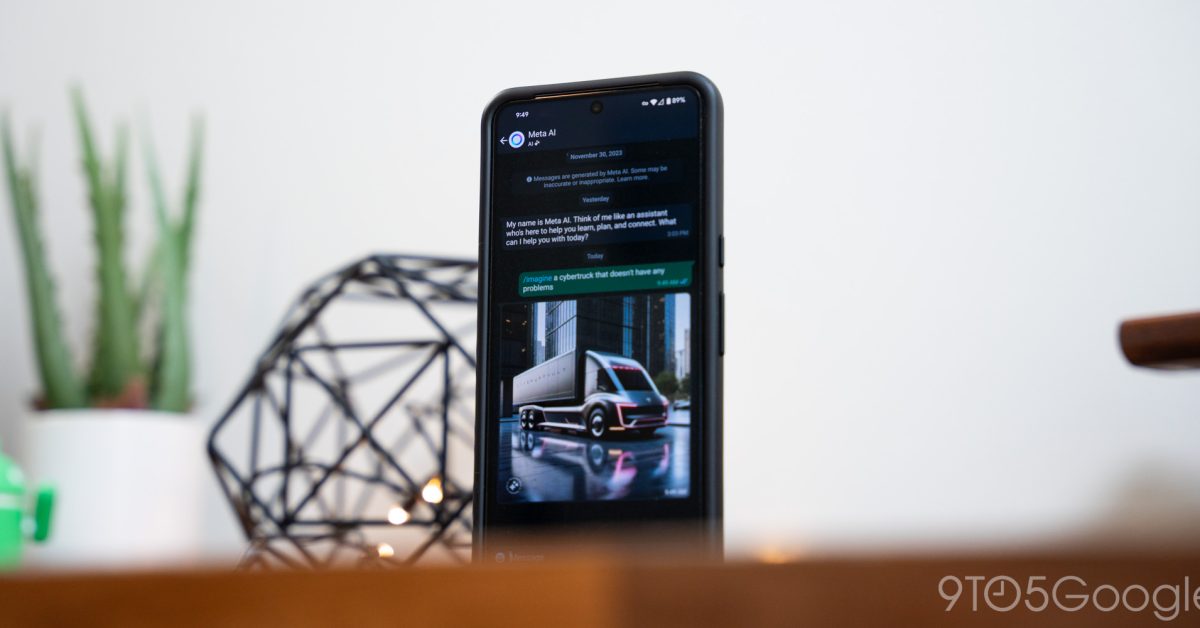
WhatsApp's Meta AI chatbot, developed by Meta, is now available for users, offering features such as chatting and image generation. To activate it, users need to tap the Meta AI logo at the bottom right of the screen, accept Meta's terms and conditions, and start chatting. While similar to other chatbots, Meta AI may not offer the same data privacy options as some other models. Users can ask a wide range of questions and use a slash command to generate images, with a limit of 25 image generations per day. The feature is rolling out widely and is free for users in regions such as the US and India.
The Messenger app has added four new features, including the ability to send higher-quality photos, create shared photo albums, increase file size limits to 100MB, and add contacts via QR code. These updates aim to enhance the user experience and keep Messenger competitive with other messaging apps.
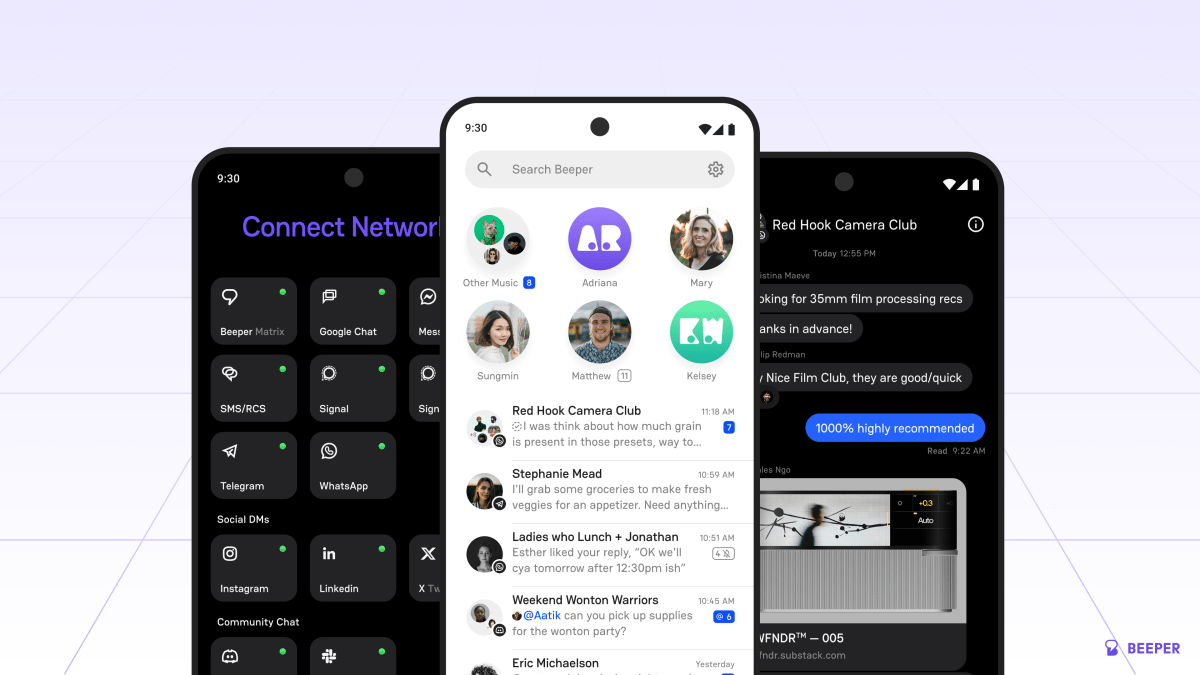
Automattic, the owner of WordPress.com, has acquired Beeper, the company behind the iMessage-on-Android solution, for $125 million. This marks Automattic's second acquisition of a cross-platform messaging solution. Beeper's team will merge with Texts.com's team to combine the best of both companies' products into one platform. The acquisition reflects Automattic's belief in the future of open-source messaging that works across services. Beeper's updated app on Android will connect with 14 different services and will soon support fully end-to-end encrypted messages across various platforms. The app will generate revenue through a premium subscription model, and the team plans to add more services in the future.
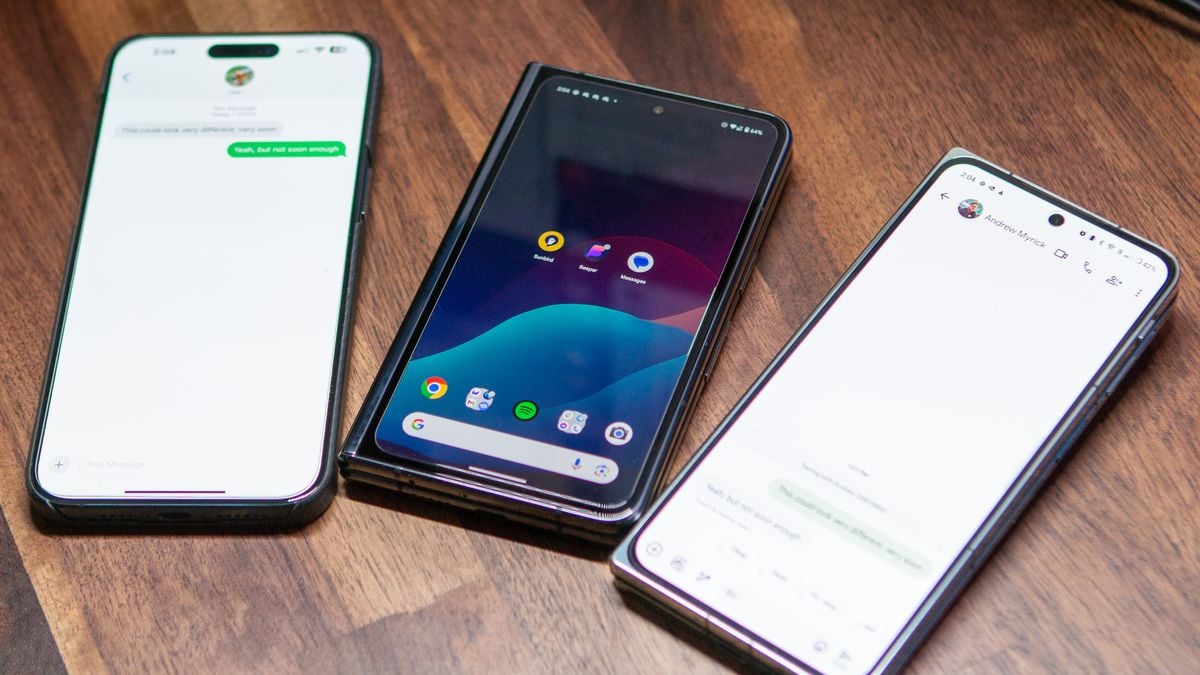
Sunbird, the service that promised to bring iMessage to Android, is back in beta after being pulled due to security concerns. The company claims to have fixed its security issues and hired security experts, but it still requires users to provide their Apple ID, which poses a significant risk. Sunbird attributes its previous security issues to reliance on legacy software and now claims to have moved to a new architecture, but experts advise against using the service.
Sunbird, the messaging app that previously faced security and privacy issues, is relaunching in beta with changes to its backend infrastructure. The app aims to bring iMessage to Android users and has detailed technical changes to address previous privacy concerns. However, skepticism remains as the company has been caught in discrepancies, and it will be up to users to decide whether to trust Sunbird again.