In compliance with the new EU law, the Digital Markets Act (DMA), WhatsApp and Messenger are making changes to enable interoperability with third-party messaging services while maintaining end-to-end encryption and privacy guarantees. The law requires designated messaging services to allow third-party interoperability, enabling users to send and receive messages with opted-in users of either Messenger or WhatsApp. The implementation of interoperability focuses on preserving privacy and security, utilizing the Signal Protocol for encryption, and building on Meta's existing client/server architecture. Meta emphasizes the importance of transparently informing users about the differences in security and privacy when communicating with third-party providers.
WhatsApp is set to announce its plans to support third-party messaging services in March 2024, in compliance with the EU's Digital Markets Act. The company aims to make its app compatible with other chat apps, allowing for the exchange of files, text messages, videos, and voice messages. While the specifics of which companies are on board with this plan remain unclear, there are concerns about data security and encryption standards. The feature, initially discovered in the beta version of WhatsApp, is expected to take several months to roll out to all users.
Instagram and Facebook will no longer have cross-compatible messaging services starting mid-December. New cross-platform chats will be disabled, and existing conversations between the two services will become read-only. The change comes three years after the feature was launched, and it coincides with Meta challenging the European Commission's decision to regulate Messenger as a "core platform service" under the Digital Markets Act. Meta argues that Messenger should be exempted from interoperability requirements because it is a feature of Facebook rather than a standalone messaging platform.
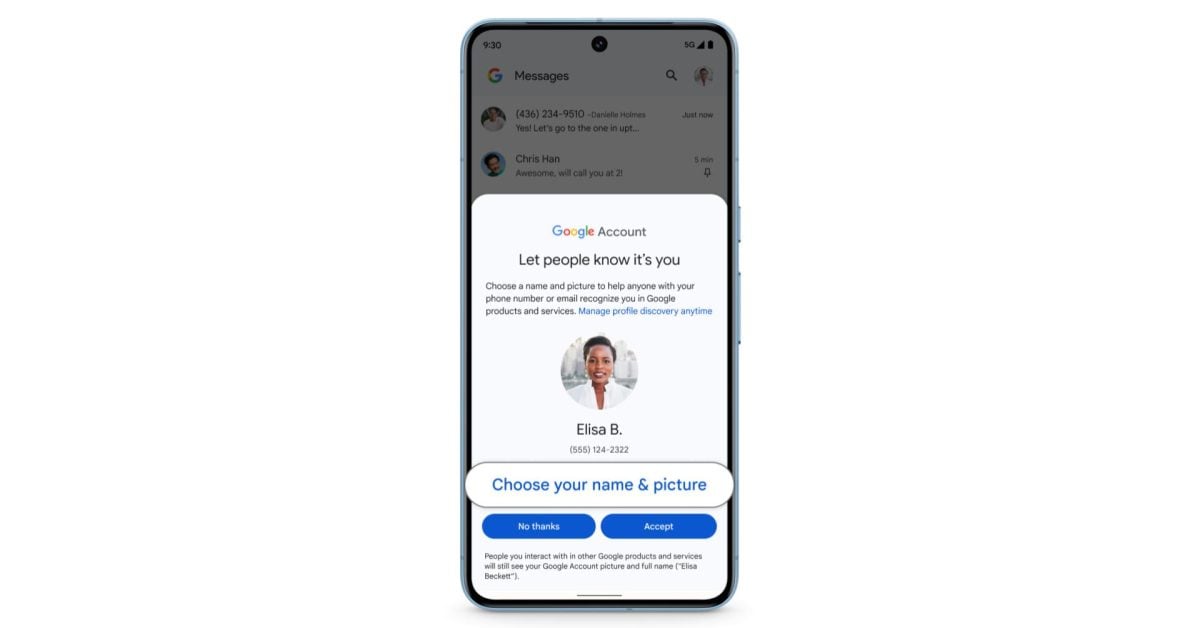
Google Messages has introduced Profiles, which allow users to specify the name and image that others see in a conversation. These profile images will replace any manually set contact photos. While some may not like this change, Google argues that most people do not meticulously maintain contact photos, and Profiles will be a vast improvement. The feature is particularly useful in group chats, as it helps identify participants. Profiles started rolling out in mid-November and are not yet widely available for beta users.
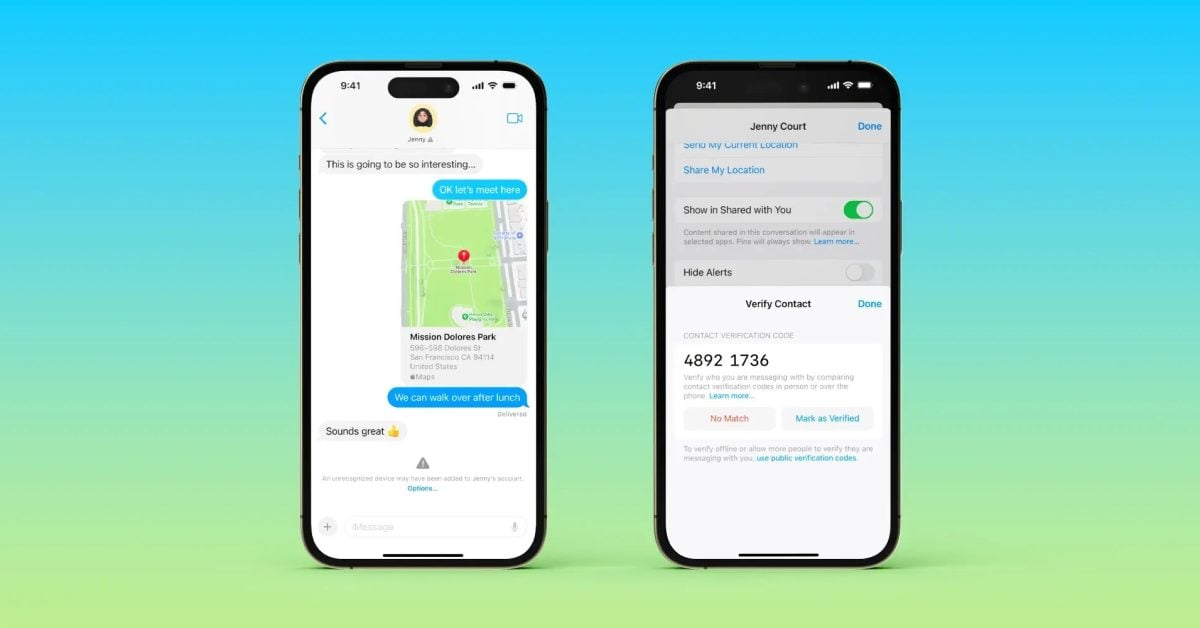
Apple has released technical details about its new iMessage security feature called Contact Key Verification. The feature protects against potential threats by providing automatic alerts if unrecognized devices are added to an iMessage account. Users can enhance security by using CKV in person, on FaceTime, or through another secure method. Apple's iMessage has implemented various security features over the years, including end-to-end encryption, stronger cryptographic primitives, and advanced sandboxing mechanisms. Contact Key Verification aims to secure the key discovery protocol and provide a seamless user experience by automatically verifying key material and metadata, synchronizing the source of truth across devices, and notifying users only when unexpected security conditions occur.
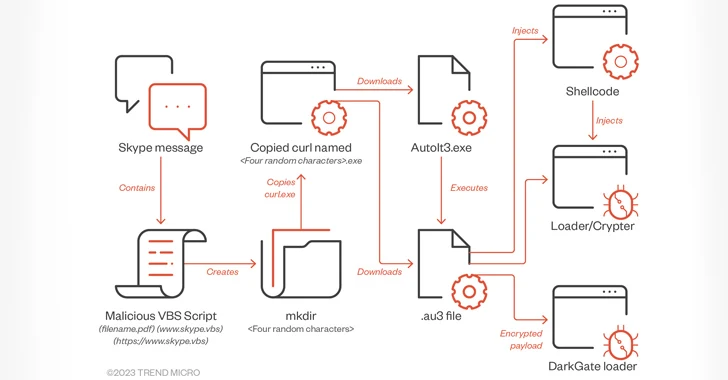
DarkGate malware is being spread through instant messaging platforms like Skype and Microsoft Teams, using a Visual Basic for Applications (VBA) loader script disguised as a PDF document. When opened, the script triggers the download and execution of an AutoIt script that launches the malware. The origin of the compromised accounts used in the attacks is unclear, but it is suspected to be through leaked credentials or previous compromises. DarkGate is a commodity malware that harvests sensitive data, conducts cryptocurrency mining, and allows remote control of infected hosts. The malware has seen an increase in social engineering campaigns, leveraging tactics such as phishing emails and SEO poisoning. The attacks have been detected primarily in the Americas, followed by Asia, the Middle East, and Africa.
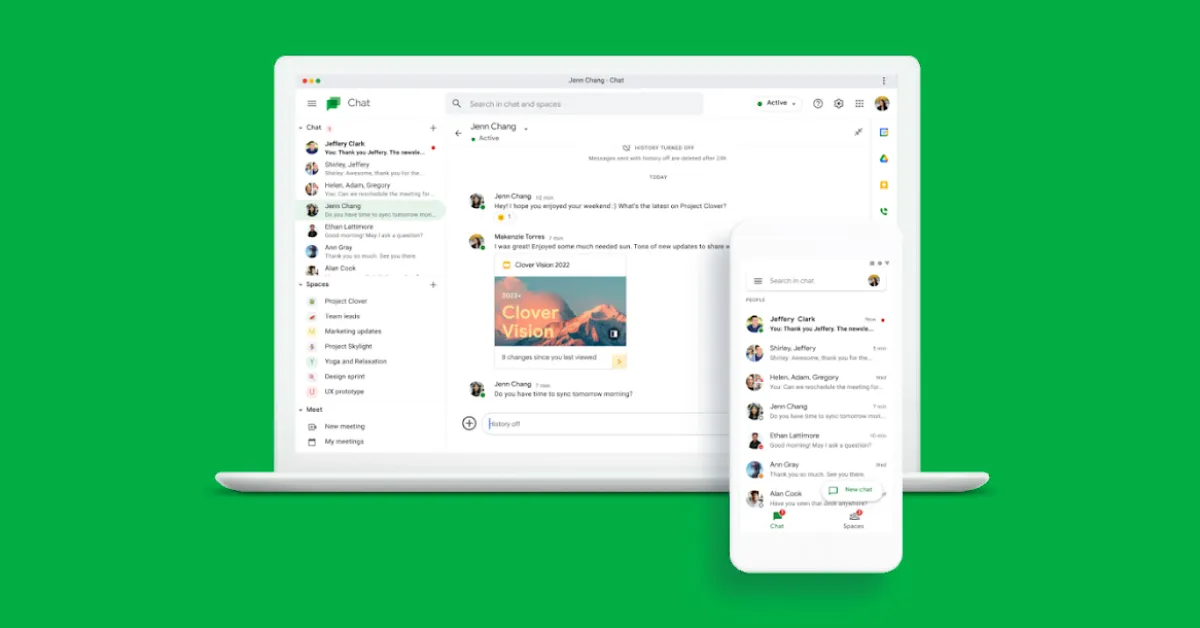
Google Chat is introducing voice messages, referred to as audio snippets, to enhance team collaboration in the first quarter of 2024. Additionally, Google has partnered with Mio to enable interoperability between Google Chat, Slack, and Microsoft Teams, allowing messages to appear across different platforms. This feature aims to streamline communication and enhance productivity, particularly for companies working together. The interoperability feature is currently in beta and is expected to be available in Q1 2024.