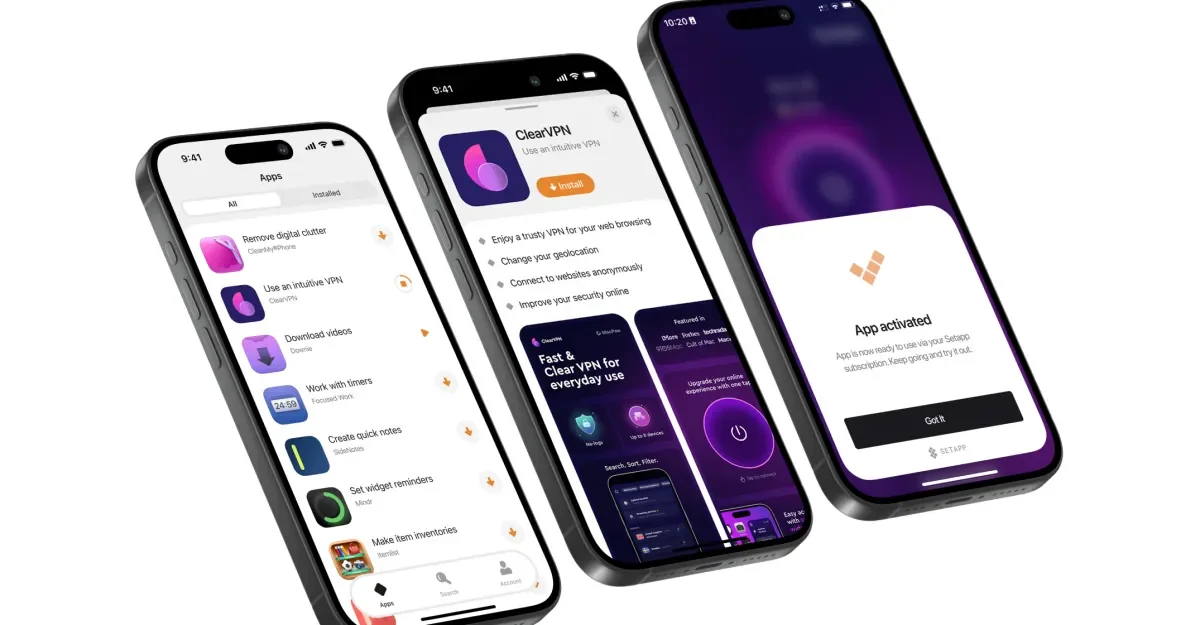
Epic Games claims that Apple has reduced barriers for installing third-party app stores on iOS following the EU's Digital Markets Act, leading to a significant decrease in drop-off rates for Epic's store installations, though Epic alleges ongoing anti-competitive behavior by Apple and Google.
Apple announces the ability for iPhone users in the EU to download apps from websites, complying with the EU's Digital Markets Act, while preparing for the release of iOS 17.4.1 to address bugs and security vulnerabilities. Rumors about upcoming iPad Pro and iPad Air models, iPhone 16 lineup, and next-generation CarPlay are circulating, and a video comparison of the M3 MacBook Air and MacBook Pro is available. Additionally, the iPhone SE 4's resale value is expected to depreciate heavily, and rumors about the iPhone 16 Pro's new features are surfacing.
Apple plans to make it easier for customers to switch to Android by fall 2025 in compliance with the EU’s Digital Markets Act, which aims to increase competition in the app ecosystem. The company will enhance its data portability offerings, allowing users to transfer data from an iPhone to non-Apple devices more "user-friendly." This includes exporting App Store data to authorized third parties and scheduling regular downloads of App Store data. The new project will help other mobile operating system providers build better solutions to transfer data from an iPhone to a non-Apple phone, with Google's Android likely being the biggest beneficiary. Apple's new solution may also address the missing data when migrating to Android, but specific improvements have not been detailed yet.
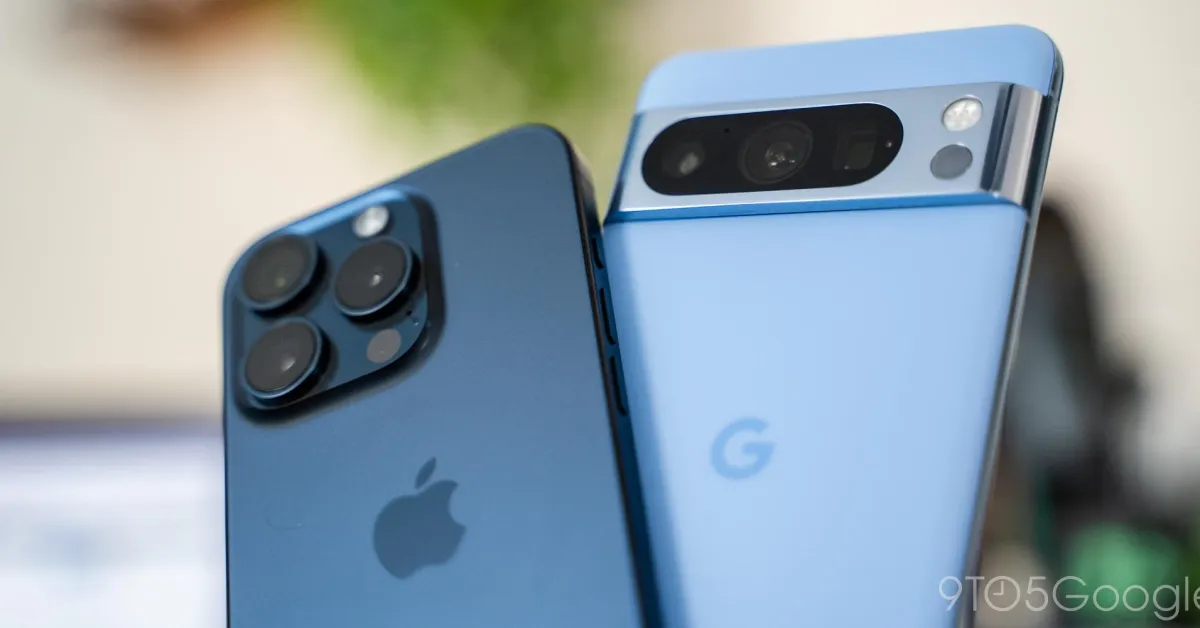
In response to the EU's Digital Markets Act, Apple is working on a "user-friendly" way to transfer data from an iPhone to an Android device, aiming to make the solution available by fall 2025. This move is part of Apple's efforts to comply with the EU's regulations and improve user data portability between iOS and different operating systems. The proposed tool could potentially be available solely in the EU, and it appears that Apple is providing the tools for others, including Google, to build their own apps for transferring data.
iOS 17.4 will be available for all users on March 5 or 6 at around 10 am PT / 1 pm ET, coinciding with the EU Digital Markets Act's March 6 deadline. The release candidate may arrive the week of February 26, with the official launch expected between March 4-6. The update includes new features such as iMessage quantum security, a CarPlay instrument cluster upgrade, and a new "hello" screen.
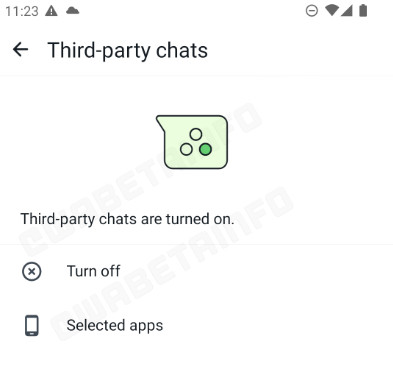
WhatsApp's Android beta version 2.24.6.2 includes a feature for managing third-party chat app interoperability, allowing users to approve specific apps for integration as Meta works to comply with the EU's Digital Markets Act.
Apple's iMessage will not be subject to the EU's Digital Markets Act regulation requiring interoperability with other messaging platforms, following the conclusion of an investigation by the EU regulator. The probe found that iMessage and Microsoft's Bing do not hold a dominant enough position to be brought under the DMA's strict rules for big tech "gatekeepers." Despite this, Apple is still facing major changes to its app ecosystem in the EU, including updates in iOS 17.4 that will allow users to download and install apps outside of the App Store through alternative app marketplaces.
WhatsApp is set to announce its plans to support third-party messaging services in March 2024, in compliance with the EU's Digital Markets Act. The company aims to make its app compatible with other chat apps, allowing for the exchange of files, text messages, videos, and voice messages. While the specifics of which companies are on board with this plan remain unclear, there are concerns about data security and encryption standards. The feature, initially discovered in the beta version of WhatsApp, is expected to take several months to roll out to all users.
Apple's iOS 17.4 update will comply with the EU Digital Markets Act by allowing app side-loading, opening up the app store and iOS ecosystem to outside parties for the first time. This move will bring new options for distributing iOS apps from alternative app marketplaces and new controls for contactless payments in the EU. While the change will provide more flexibility for EU-based iPhone users, it also raises concerns about potential security risks, as Apple's closed ecosystem approach has been a key factor in its security and privacy. The update will be available in the 27 EU countries beginning in March 2024, with the UK potentially being exempt for now.
Apple is resisting the EU's Digital Markets Act, which aims to loosen the control of tech gatekeepers, showing no intention of relinquishing control over the iPhone despite impending regulation. The company's stance has been criticized, with predictions that it may face repercussions in the future. Additionally, the first-ever Common Sense Summit in San Francisco will feature speakers such as Pinterest CEO Bill Ready, Sam Altman, Hillary Clinton, and United States Surgeon General Vivek Murthy.
Epic Games CEO Tim Sweeney criticizes Apple's App Store changes in the EU, calling them "hot garbage" and "a new instance of Malicious Compliance." Apple's updates, made to comply with the EU's Digital Markets Act, include allowing sideloading, alternative app stores, third-party browser engines, and alternative in-app payment options. Sweeney argues that the changes are unfair to developers and could lead to new fees and taxes. He aims to launch the Epic Games Store on iOS and Android, emphasizing payment competition and lower fees. Other developers, such as Spotify, are also expected to respond to Apple's new rules.
Apple is updating its rules around streaming game services and mini-apps, allowing developers to submit a single app that can stream all games offered in their catalog. This change could impact companies like Netflix and OpenAI. In addition, mini-games, mini-apps, chatbots, and plug-ins will now be able to incorporate Apple’s in-app purchase system. Apple is also rolling out new reports to help developers analyze their app’s performance and removing the requirement for developers to add sign-in with Apple alongside other sign-in options.
Code found in the iOS 17.2 beta suggests that Apple may allow iPhone users to sideload apps from third-party app stores, a practice previously prohibited by the company. The code includes a region lock feature, potentially limiting sideloading to specific countries. This development aligns with the EU Digital Markets Act, which states that mobile device users should have the ability to install apps from third-party stores. Apple has until March to comply with the DMA, but it is likely to resist sideloading and other potential changes.
Apple may introduce sideloading apps with iOS 17, but it may only be available to iPhone users in Europe to comply with the EU's Digital Markets Act. Developers who make their services available on a third-party app store may incur an additional fee to receive verification from Apple. iOS 17 will also focus on enhancing Apple's core system apps, including location- and Find My-related features, and improvement to the Wallet app UI. No revolutionary changes are expected, and it's not clear which devices will support iOS 17.