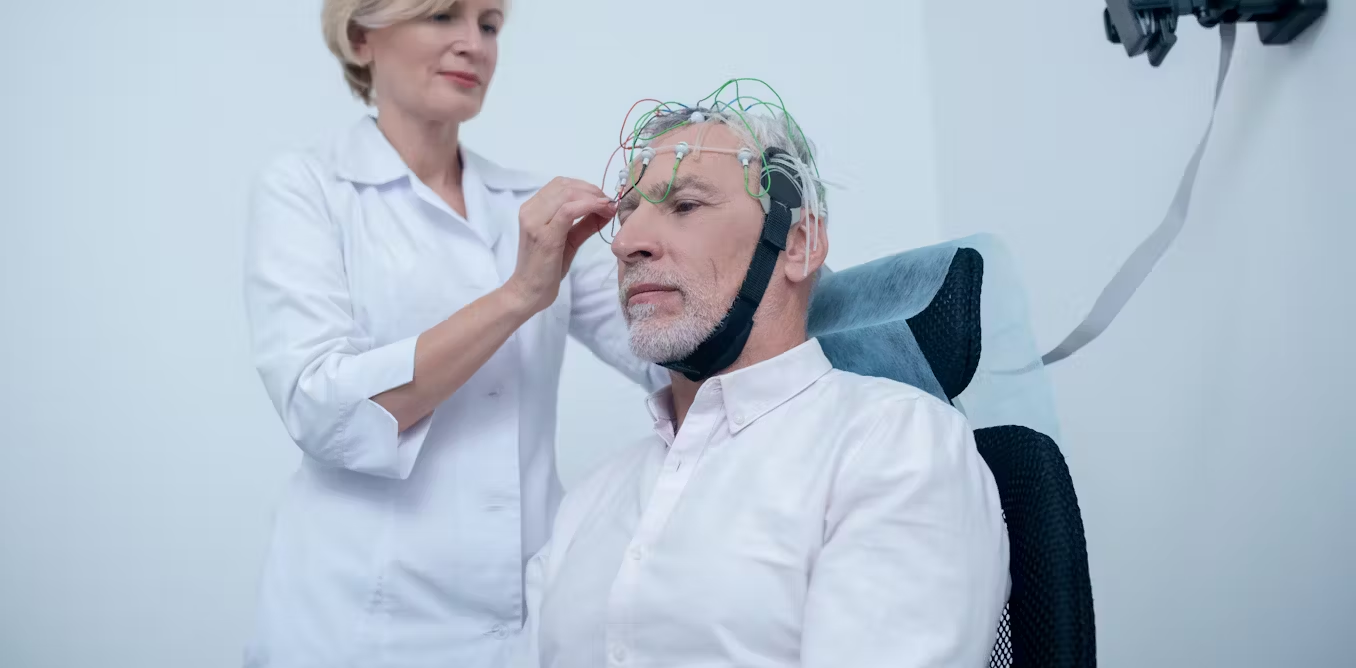
A new three-minute EEG-based test called the Fastball EEG test shows promise in quickly identifying early memory issues related to Alzheimer's disease by measuring brain responses to images, potentially enabling earlier diagnosis and intervention.
President Joe Biden's special counsel interview transcript, released recently, reveals his tendency to share personal anecdotes and tangential stories, rather than memory issues. Despite concerns about his occasional memory lapses, the transcript shows Biden's rhetorical flair and penchant for storytelling, including anecdotes about his marriage, legal cases, and trips. The interview sheds light on his colorful personality and reveals his capacity for restraint rather than memory problems, challenging the narrative of his poor memory.
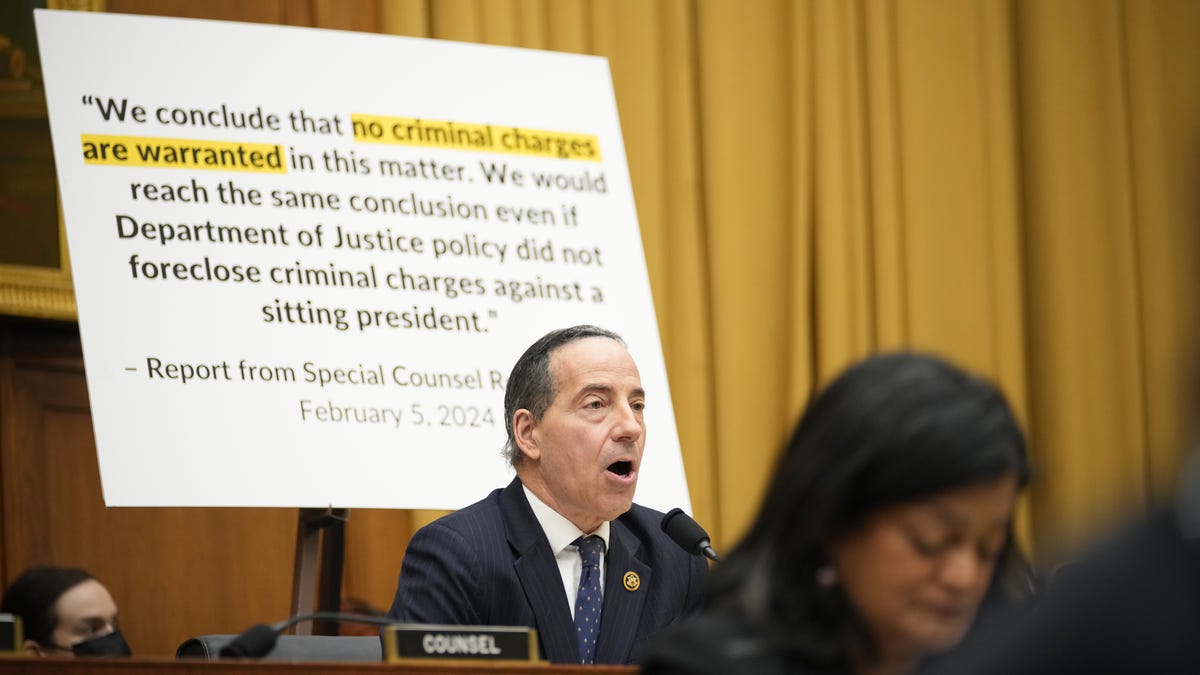
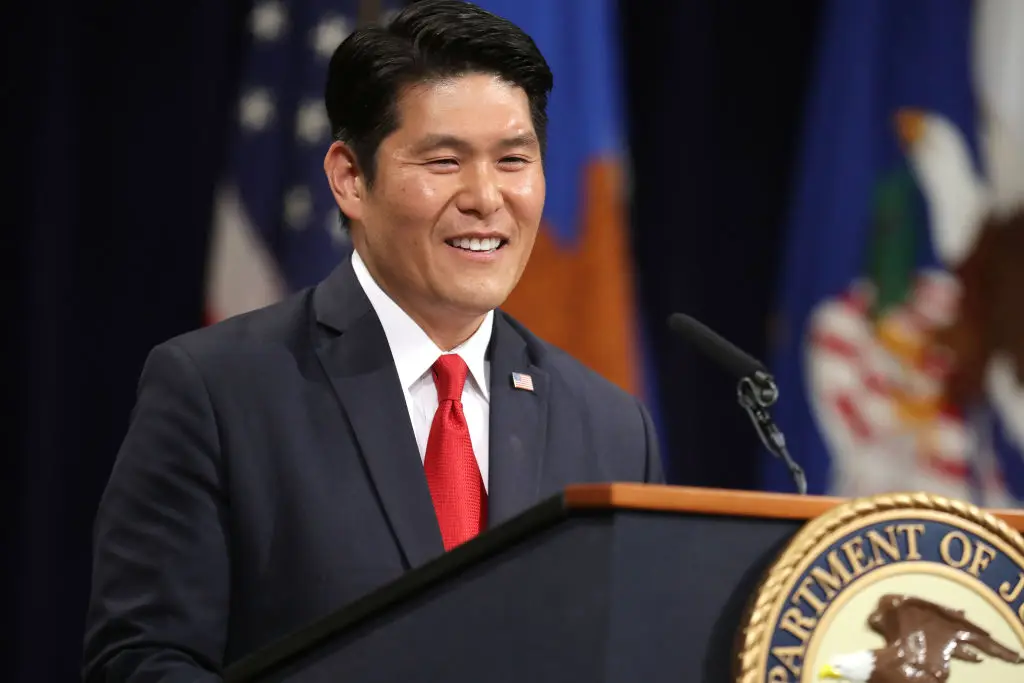
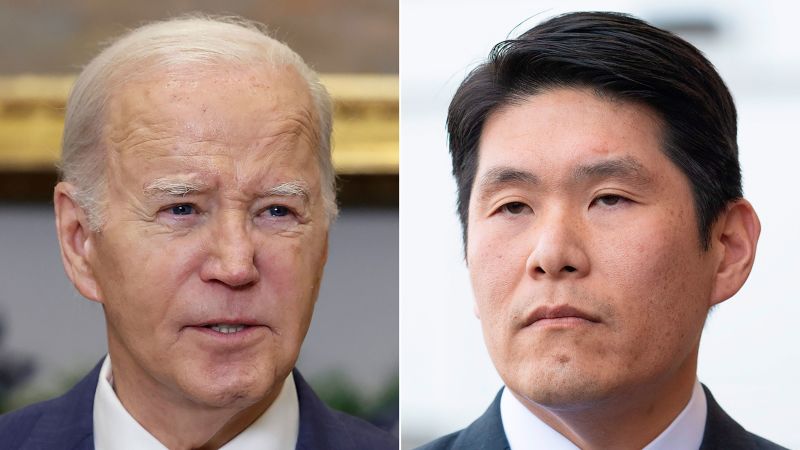
Special Counsel Robert Hur defended his characterization of President Biden's memory during a hearing before the House Judiciary Committee, with Democrats decrying the depiction as inappropriate and politically motivated. Republicans accused Hur of going easy on Biden and highlighted a "double standard" compared to former President Trump. Democrats argued that Biden's cooperation with investigators and the nature of the documents differed from Trump's case. Hur denied being a partisan actor and defended the accuracy and fairness of his report, while also refuting allegations of seeking a federal judge position or attempting to influence the election.
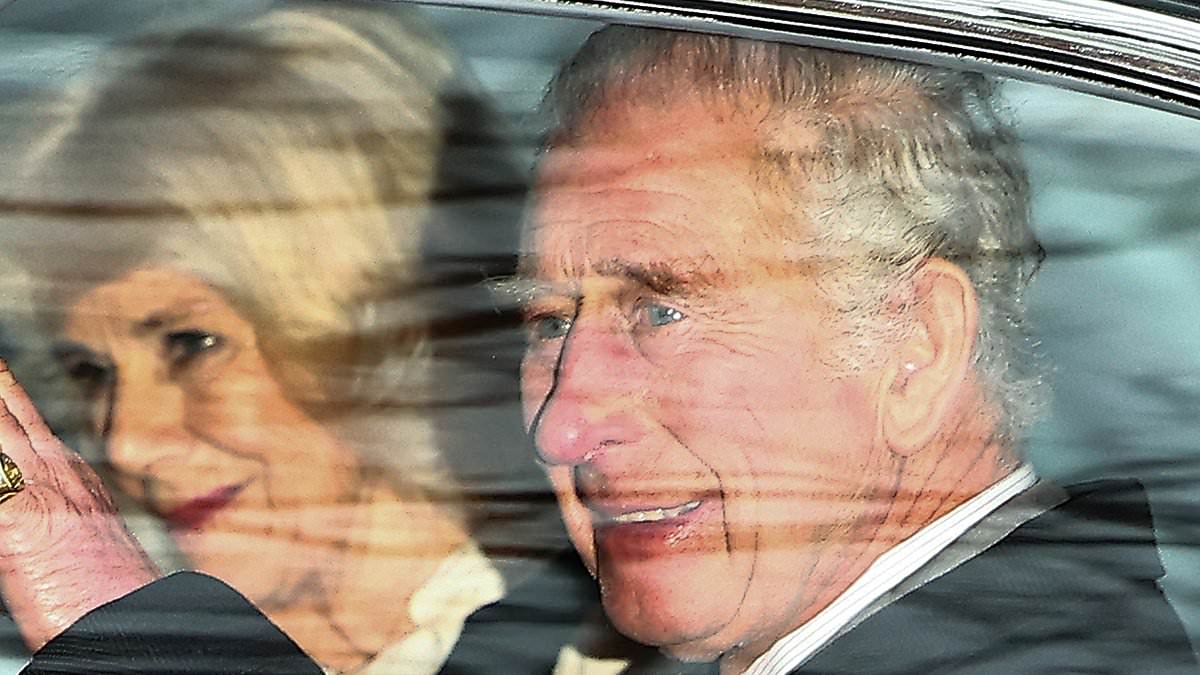
King Charles, 75, reportedly struggles with short-term memory and sleeps in an oxygen tent to combat sinus problems, while also dealing with a recent cancer diagnosis. His son, Prince Harry, visited him after the diagnosis and expressed hope for a reunifying effect on the Royal Family. Meanwhile, Queen Camilla continues her engagements as the King receives treatment.
Special Counsel Robert Hur is set to testify before Congress on his report revealing President Biden's memory issues and mishandling of classified documents, with Republican lawmakers expected to focus on examples of Biden's unreliable memory. The White House has pushed back on the news of Hur's testimony, while a Reuters/Ipsos poll found that a majority of Americans believe Biden received "special treatment" during the investigation. Biden's age and mental capacity continue to be significant concerns for voters, with polls showing that large majorities believe he is too old to run for office.
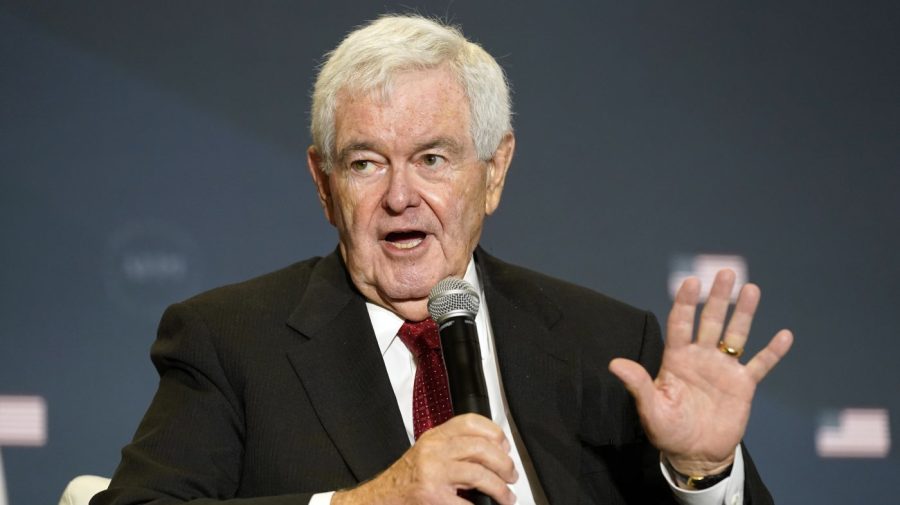
Former Speaker of the House Newt Gingrich criticized President Biden's leadership in light of a special counsel report highlighting the president's memory and recall issues. The report concluded that no charges should be brought against Biden but noted his potential challenges in a trial due to memory issues. Biden defended himself, asserting his mental capability, but Gingrich expressed concern, citing instances where Biden appeared confused.
Neurologists weigh in on the cognitive changes associated with aging, stating that forgetting names or struggling to recall specific details can be normal parts of aging, especially when under stress. They emphasize that difficulty with recent or past experiences, rather than remote memories, may be a sign of a progressive disorder. While aging may bring challenges to memory, it can also enhance decision-making and emotional intelligence. The conversation surrounding aging should consider both the potential memory changes and the cognitive benefits that come with growing older.
Special counsel Robert Hur's investigation into Joe Biden's handling of classified documents concluded that the president would not face criminal charges, but raised concerns about his memory and competency, providing fuel for Republican attacks and stoking concerns among some Democrats. The White House launched a counter-offensive, with Biden asserting his memory was "just fine" despite evidence to the contrary. The report has reignited concerns about Biden's age and competency, with potential implications for his re-election effort.
A special counsel report released Thursday found that President Joe Biden carelessly kept classified documents and notebooks at his home, but concluded that there wasn't enough evidence to charge him with crimes. The report described Biden as an elderly man with memory issues, prompting a furious response from the president. Biden denied disclosing restricted information and insisted he was fit to be president. The report also revealed that Biden's ghostwriter deleted audio recordings of their conversations, but prosecutors decided the evidence of obstruction would not lead to a conviction. The report highlighted Biden's struggles to recall basic facts about his career and life, and portrayed him as well-intentioned but sometimes forgetful.
Special counsel Robert Hur's report did not charge President Joe Biden with a crime but revealed that he mishandled classified information, including top secret documents, and shared some with a ghostwriter. The report cited Biden's age and memory issues as reasons for not prosecuting him, which could become a campaign issue. Republicans criticized the decision not to prosecute and drew parallels to Trump's case, but Hur noted differences, including Biden's cooperation with the investigation. Biden's lawyers objected to the report's portrayal of his memory, calling it "investigative excess."
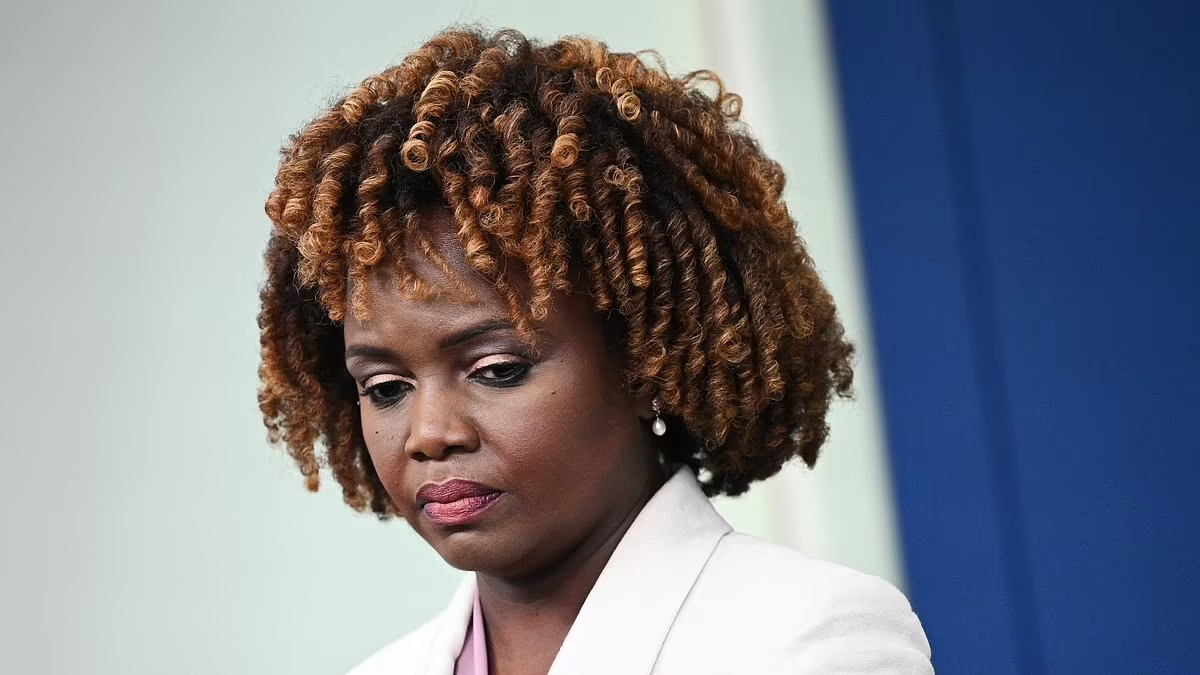
White House Press Secretary Karine Jean-Pierre defended President Joe Biden's recent mix-ups of deceased European leaders' names, attributing them to "misspeaking" and claiming that "everybody does it." This comes after a Department of Justice report highlighted Biden's significant memory issues. Despite facing questions about Biden's repeated flubs, Jean-Pierre emphasized that many elected officials make similar mistakes and focused on the substance of Biden's story rather than addressing concerns about his overall health.
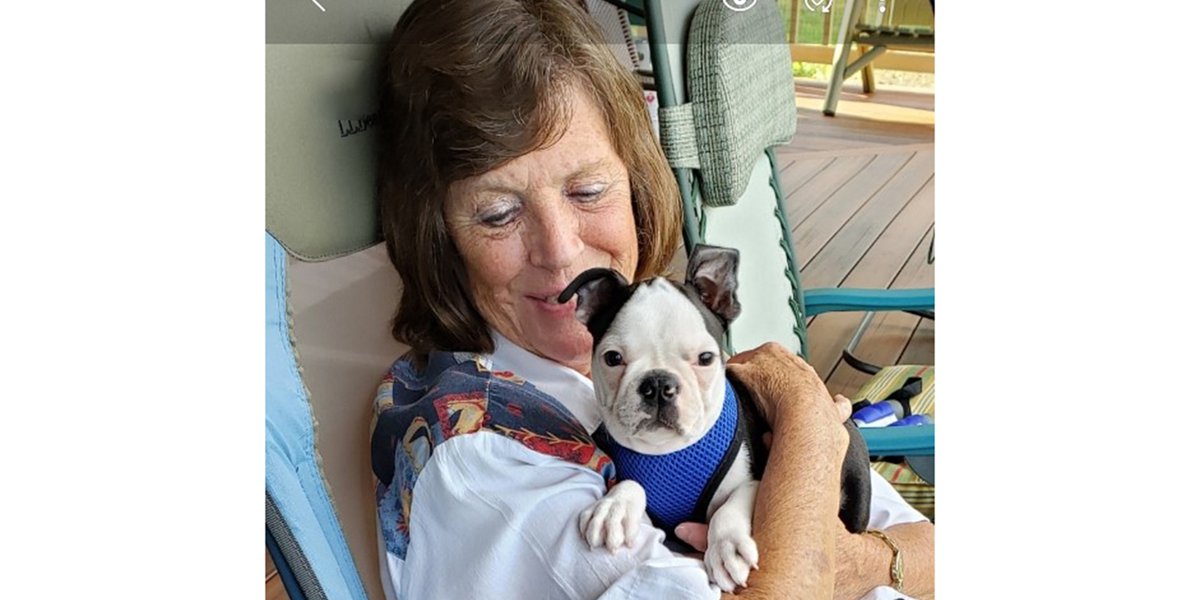
Judith Giglio, a 72-year-old woman from Westmore, Vermont, who had been missing since Friday, was found dead approximately a mile and a half from her home. There are no indications of foul play, and her body has been sent to the medical examiner's office for further investigation. Giglio had a history of wandering off due to memory issues but had always returned on her own in the past.
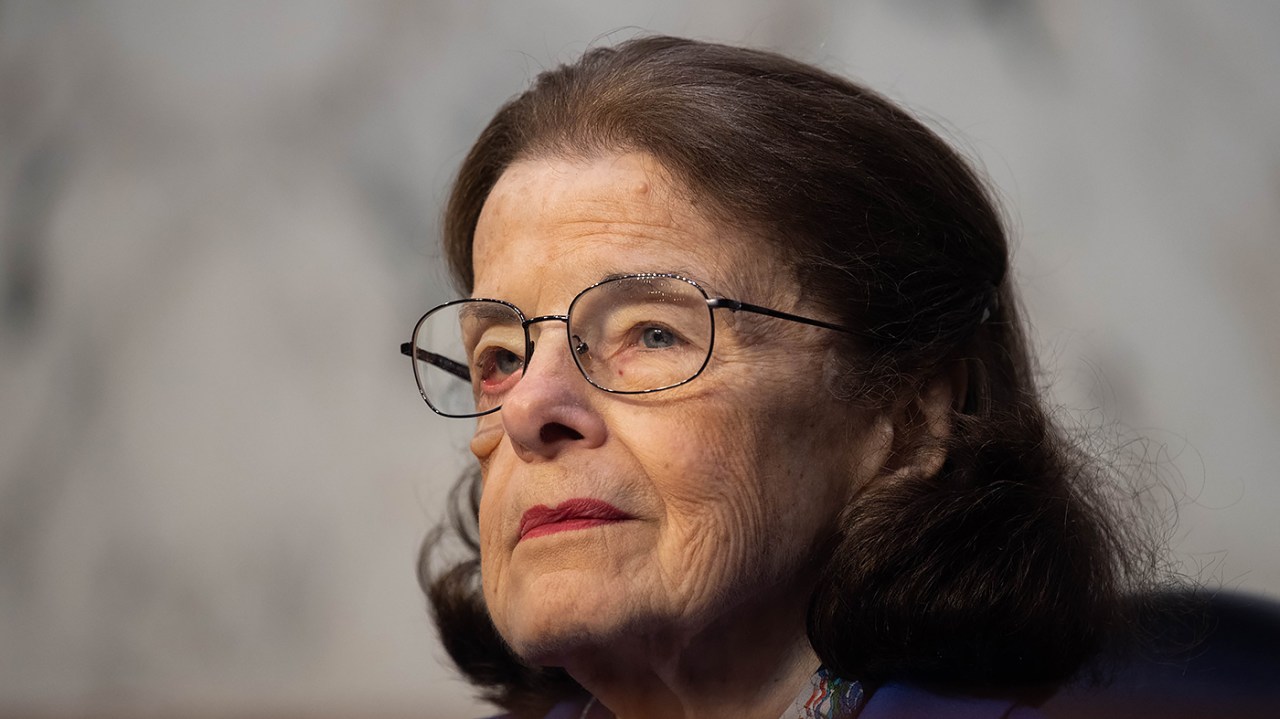
Senator Dianne Feinstein reportedly expressed confusion last year when Vice President Kamala Harris was presiding over the Senate to cast a tie-breaking vote, according to a new report detailing the difficulties the ailing lawmaker faces as she continues her work in the Senate. Feinstein has been struggling with memory issues for over a year, and since returning to the Senate after a prolonged absence due to illness, she appears frailer and relies more on her staff to help her do her job.