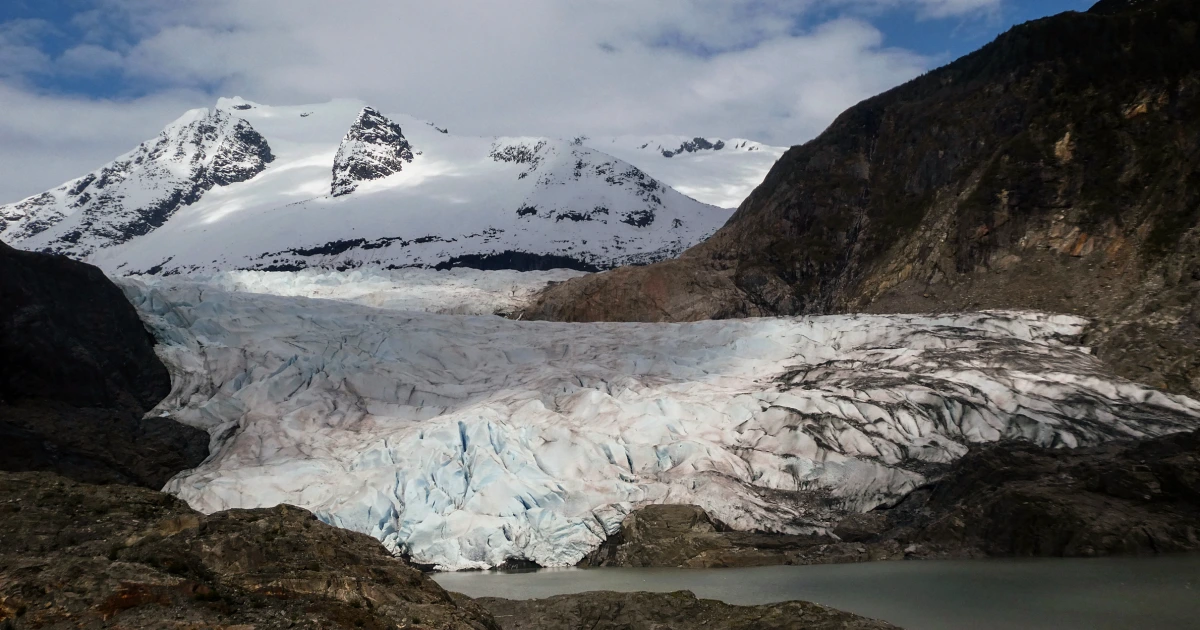
An Italian researcher fell into a moulin on the Mendenhall Glacier in Alaska after being pushed by meltwater, and remains missing as rescue efforts are hindered by dangerous conditions; nearby, a hiker was found dead near the glacier.
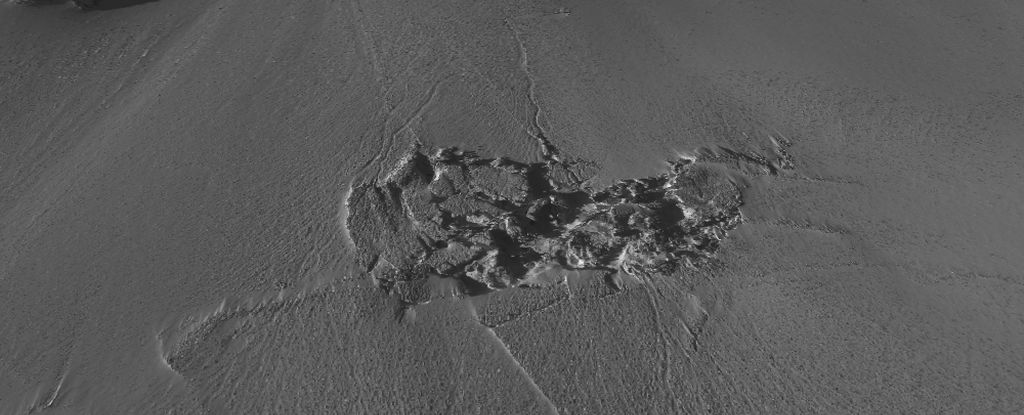
Scientists documented a rare and powerful event in 2014 where meltwater under Greenland's ice sheet caused a massive flood, fracturing the ice and revealing the dynamic and complex subglacial hydrology that could impact future ice sheet stability and sea level rise.
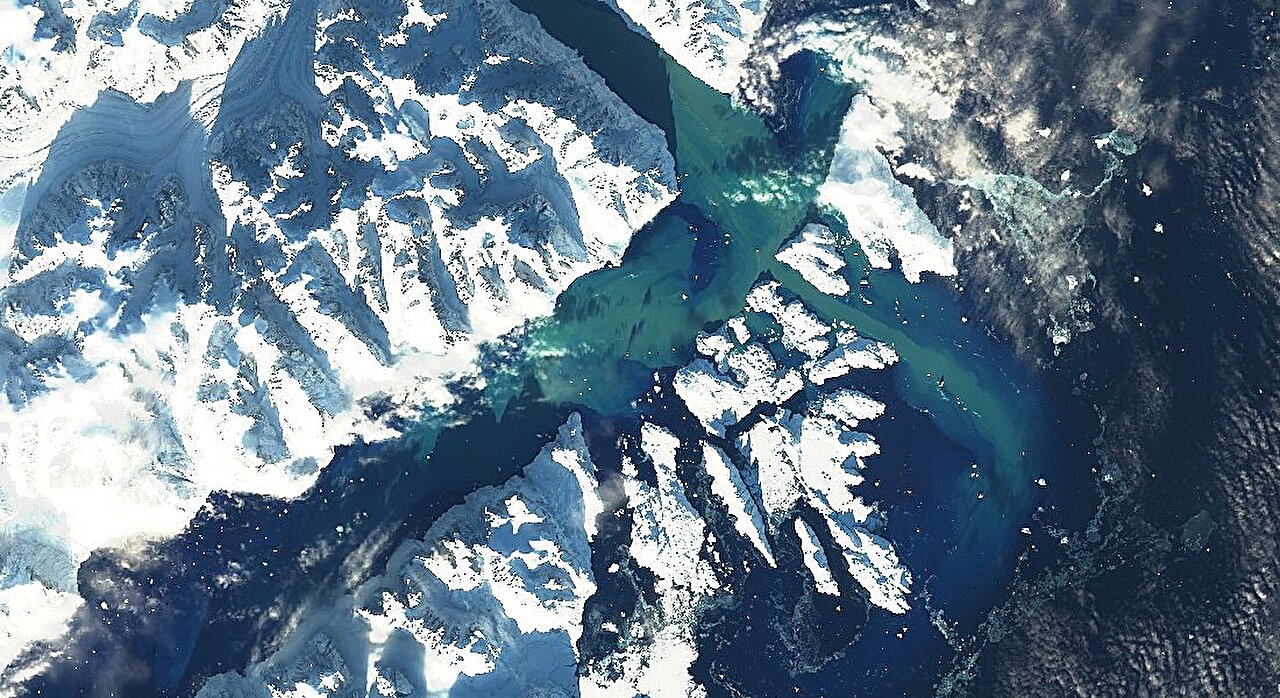
Scientists have documented one of the largest glacial lake outburst floods in East Greenland, where 3,000 billion liters of meltwater from Catalina Lake were released into Scoresby Sound fjord. This event, observed in real time via satellite, highlights the increasing frequency of such floods due to climate change. While this particular flood caused no harm due to Greenland's sparse population, it underscores the potential threat to millions globally. Researchers also note the immense energy potential of these natural phenomena, though harnessing it remains a technological challenge.
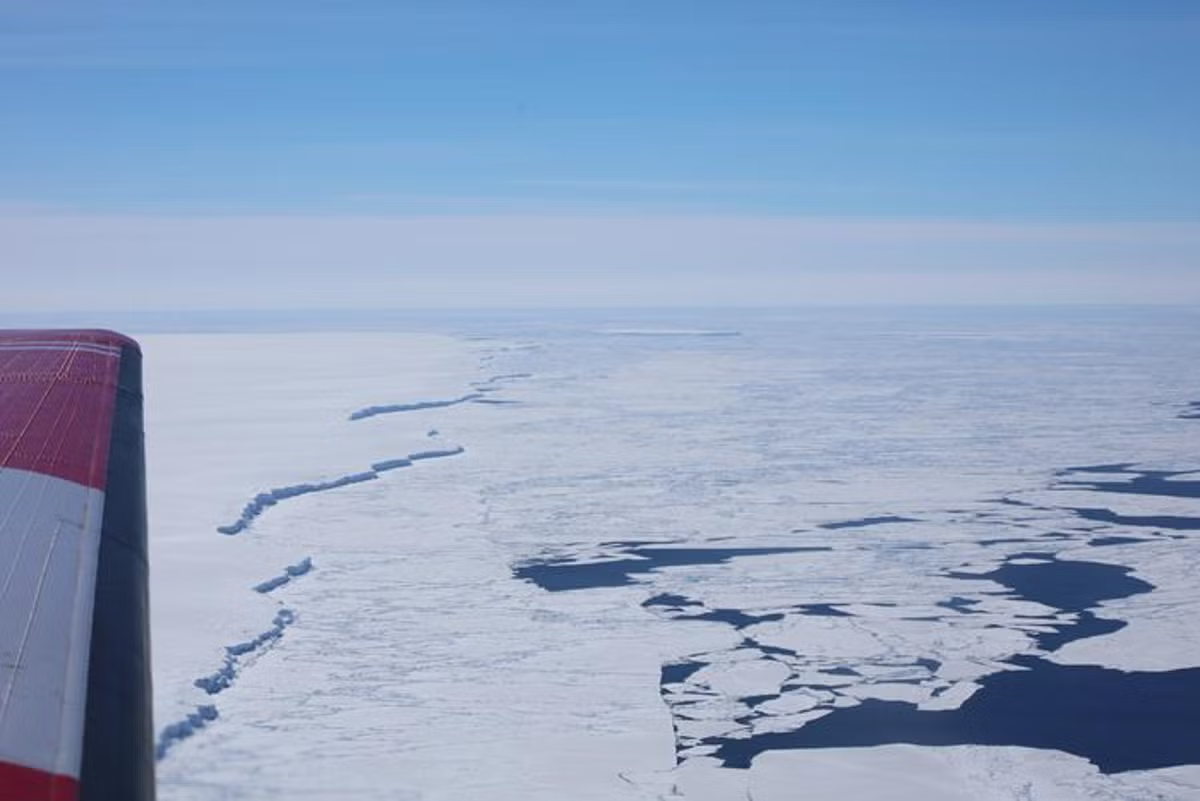
A new study from The Scripps Institution of Oceanography reveals that the impact of "meltwater" flowing out from underneath Antarctic glaciers is causing them to lose ice at a faster rate than previously estimated. This phenomenon, known as "subglacial discharge," is not currently taken into account when predicting sea-level rise. The study suggests that glacier melting could increase sea-level rise by 15% by 2300. The researchers emphasize the importance of accurate sea-level rise projections for the welfare of coastal communities and highlight the need to consider subglacial discharge in modeling future climate scenarios. Ultimately, the study underscores the urgent need to address greenhouse gas emissions as the primary driver of climate change.
A new study from The Scripps Institution of Oceanography reveals that water flowing out from underneath Antarctic glaciers, known as "meltwater," is causing them to lose ice at a faster rate than previously estimated. This impact is not currently taken into account in sea-level rise projections. The study focused on two glaciers in East Antarctica and found that including the influence of "subglacial discharge" significantly increased sea-level rise projections by 15.7% by 2300. The researchers emphasize the importance of accurately modeling these systems and highlight the need to address greenhouse gas emissions as the primary driver of climate change.