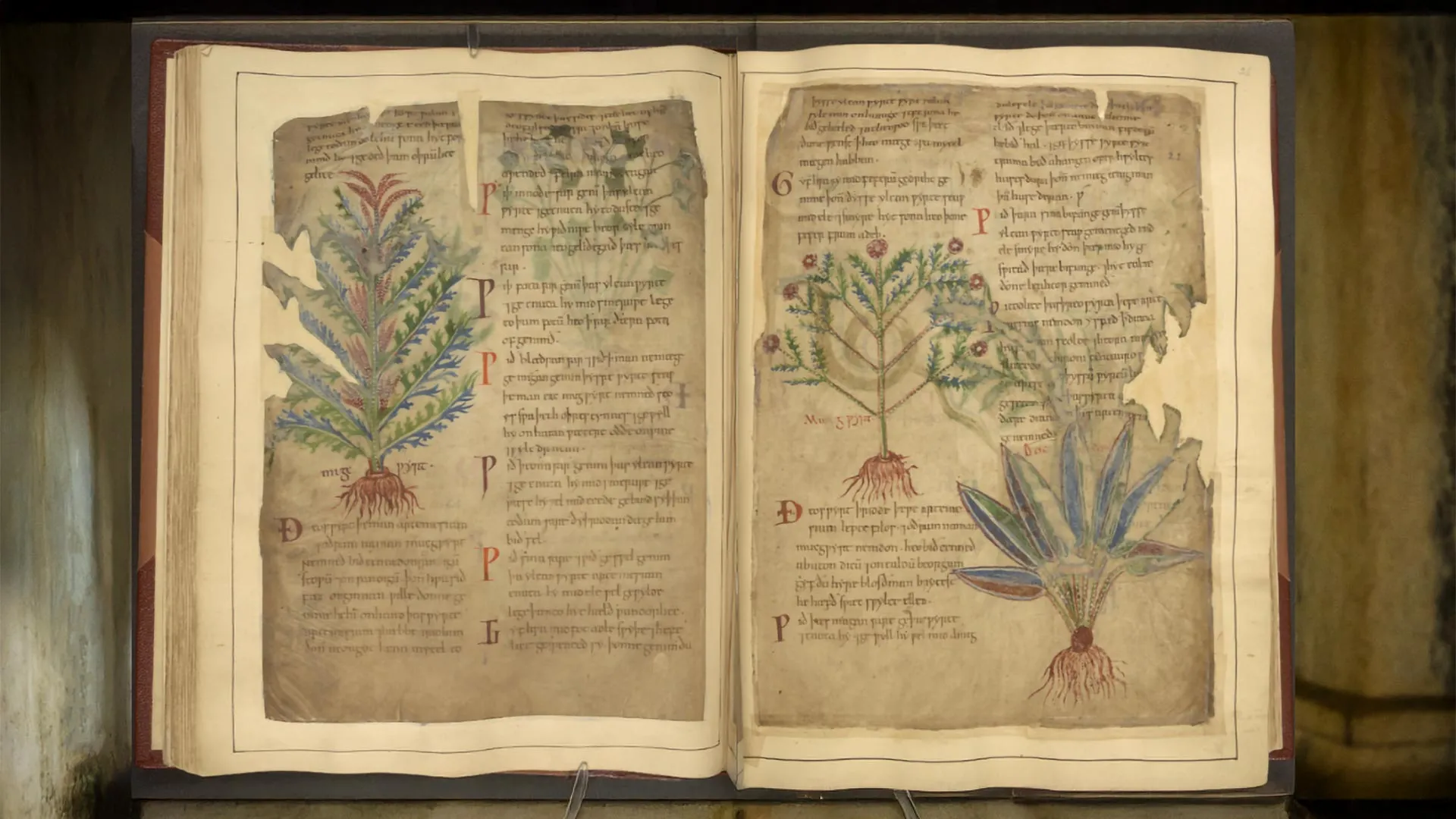
New research reveals that medieval medicine was more advanced and scientific than previously thought, with some remedies resembling modern health trends, and a comprehensive online catalog of medieval medical manuscripts has been released, highlighting the period's curiosity and observational approach to health.
Medieval manuscripts containing detailed descriptions of lunar eclipses are helping present-day researchers study a mysterious cluster of volcanic eruptions on Earth. Over a five-year period, researchers scoured 12th and 13th-century European, Middle Eastern and East Asian sources for lunar descriptions, which, when combined with ice core and tree ring data, are allowing more accurate dating of what scientists think must have been some of the biggest volcanic eruptions the world has seen. The new research sheds light on the onset of the Little Ice Age, a period of cold weather between 1280 and 1340 that disrupted harvests, saw the advance of European glaciers, and led to a shift in the social and economic order.
Researchers have found a new way to learn about historical volcanic eruptions by studying descriptions of lunar eclipses in medieval manuscripts. By compiling hundreds of records of lunar eclipses from across Europe, the Middle East, and Asia, the researchers were able to estimate the timing of the eruptions more precisely than from previous ice core records. The study also sheds light on the potential impact of volcanic eruptions on the climate during the European Middle Ages and their role in the transition to the Little Ice Age.