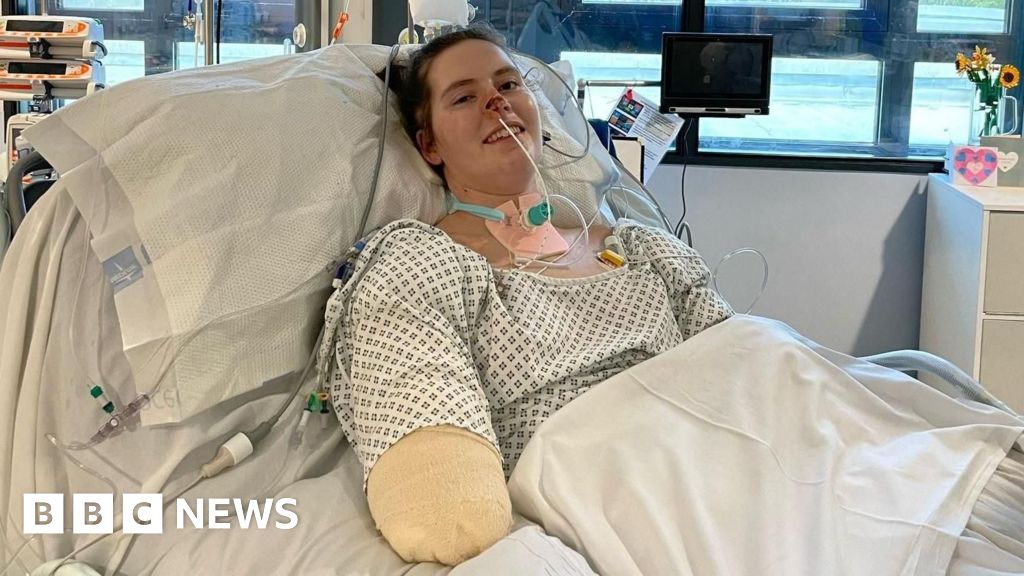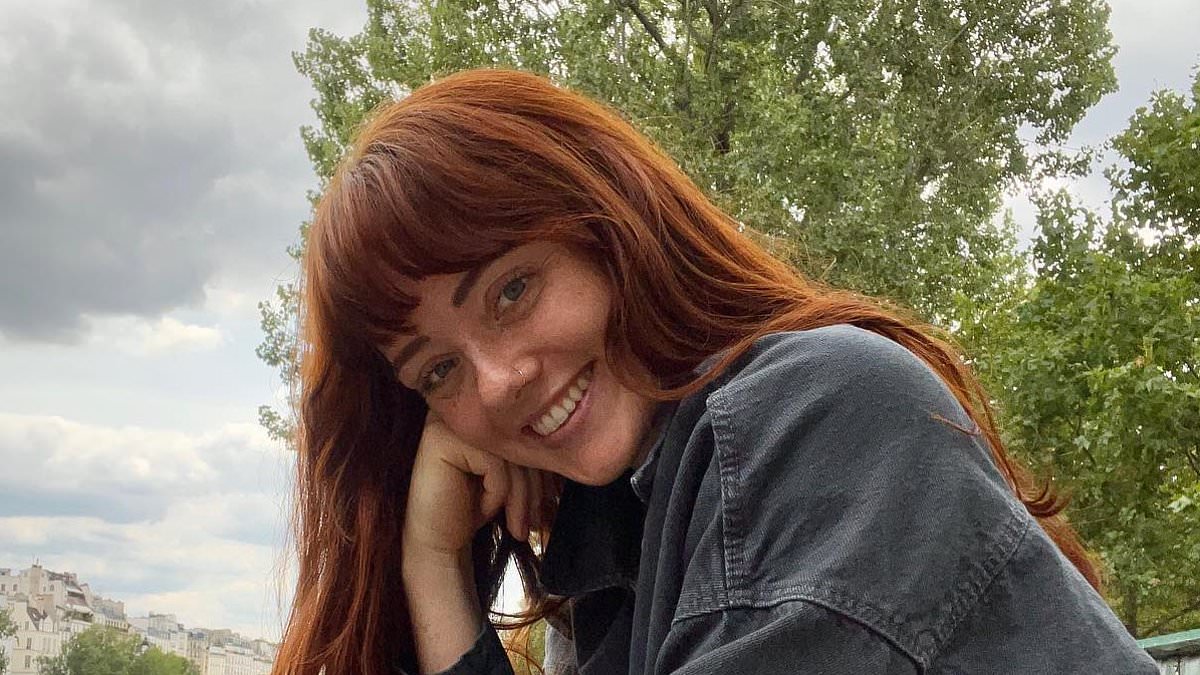
Lily McGarry, a 24-year-old Cardiff medical student and triathlete, faced life-threatening sepsis that led to the amputation of all her limbs after a misdiagnosed flu-like illness resulted in two heart attacks and a coma. Despite her challenges, she remains positive and is exploring adaptive sports to regain her active lifestyle.
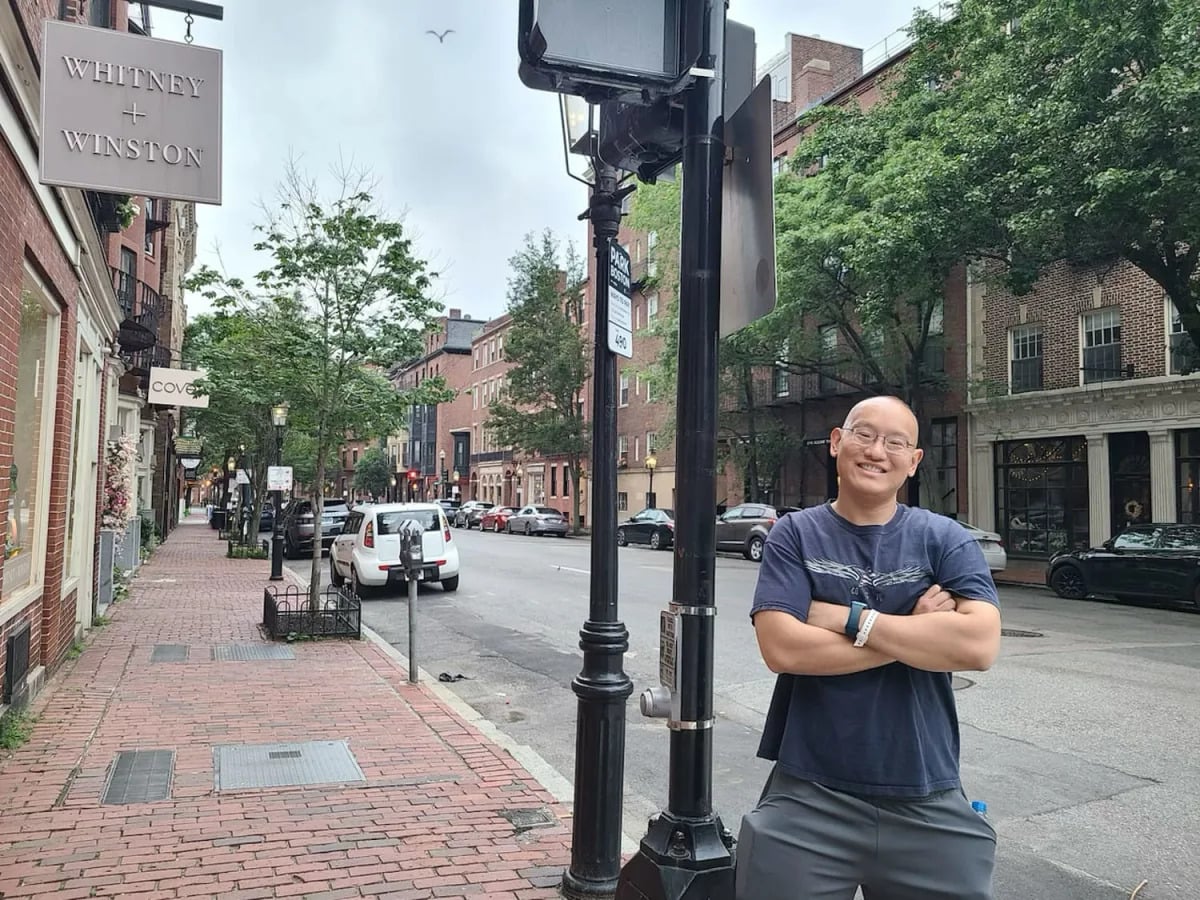
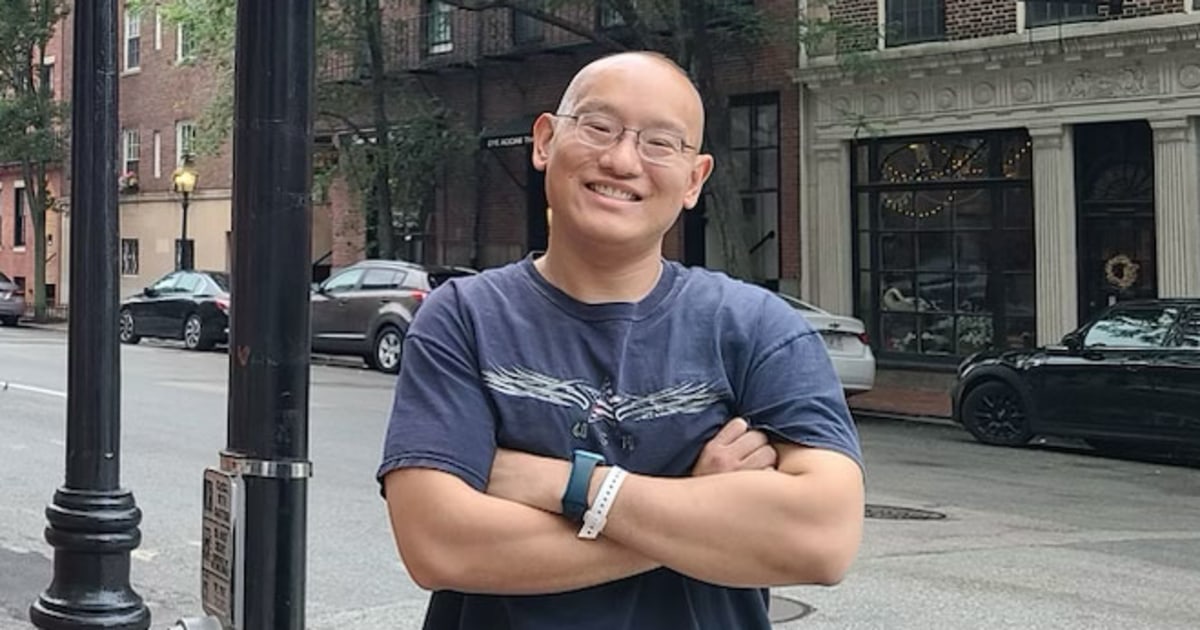
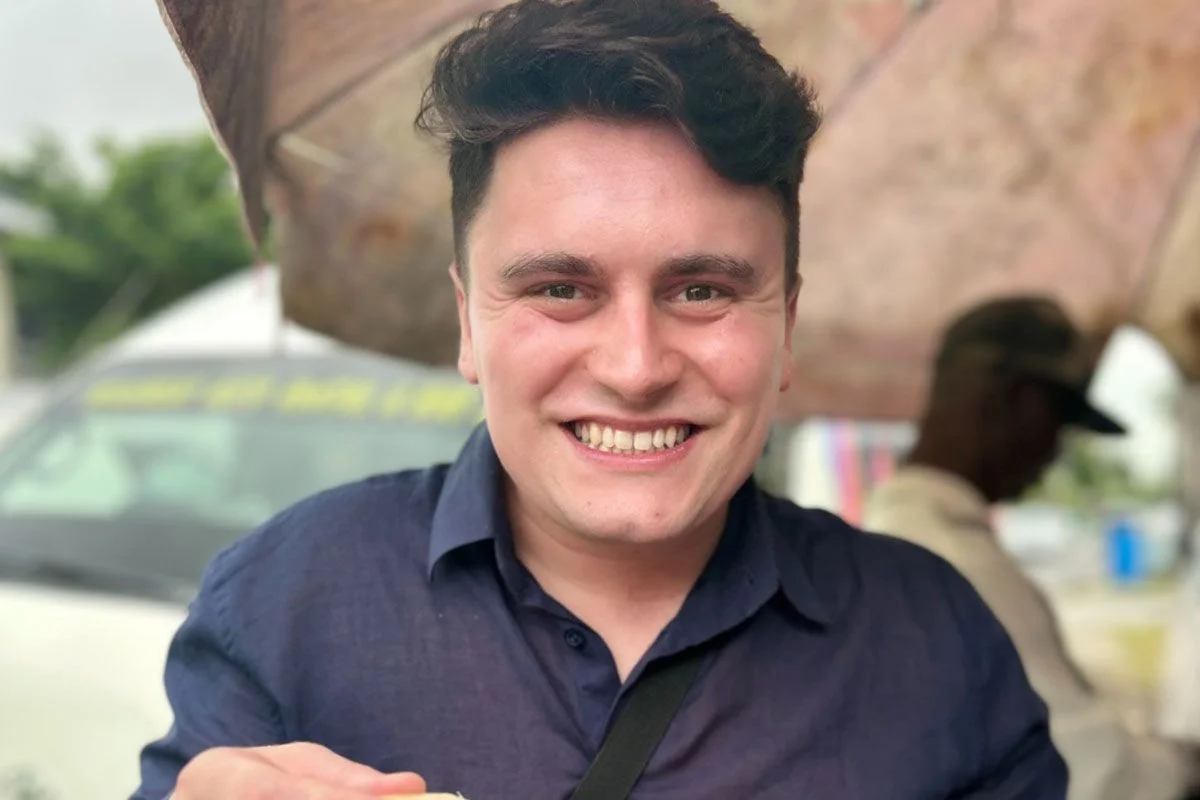
Medical student James Shen, 31, discovered a large thymoma tumor in his chest after developing COVID-19 related pneumonia. Despite a grim stage 4 diagnosis, he found a surgeon who successfully removed the tumor without taking his lung, allowing him to recover and pursue radiation oncology in his residency training. Shen's experience has shifted his career focus towards patient care, and he hopes his story offers hope to others facing challenging diagnoses.
Medical student James Shen, 31, discovered a large thymoma, a rare cancerous tumor, in his chest after developing pneumonia from COVID-19. Despite initial recommendations to remove his lung, he found a surgeon who successfully removed the tumor while preserving his lung. Shen's recovery was challenging, but he's now cancer-free and pursuing radiation oncology in his residency training, with a renewed focus on patient care. His experience has given him empathy for patients and a new perspective on life.
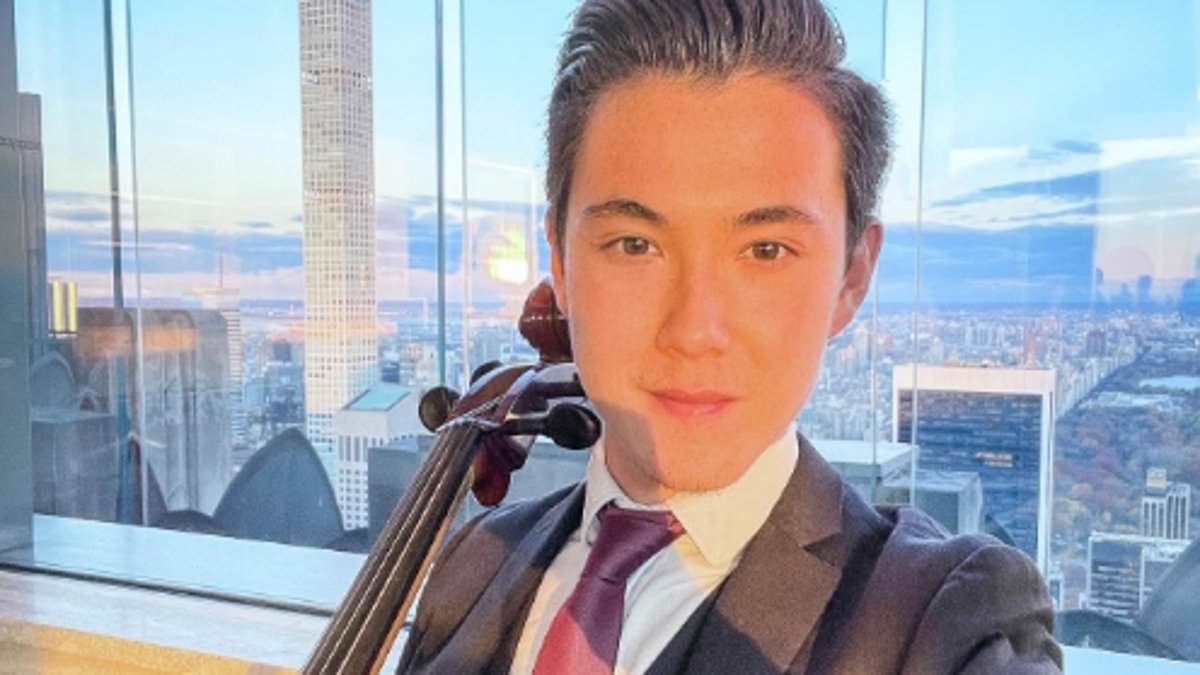
Iain Forrest, a medical student and musician, was attacked in the New York City subway while playing his electric cello, prompting him to form the Subway Performers Advocacy Group (SPAG) and suspend his subway performances indefinitely. This marks the second attack he has endured while performing in the subway in less than a year. Forrest is calling for better tracking of crimes against subway musicians and seeking systemic changes to protect performers.
Cellist and medical student Iain Forrest, 27, was attacked in the New York City subway for the second time in less than a year while performing, this time being bludgeoned over the head with a water bottle by an unidentified woman at the Herald Square station. The incident, caught on video, has led Forrest to suspend his subway performances indefinitely. The Metropolitan Transit Authority condemned the attack, and police are searching for the perpetrator. Forrest, known as "Eyeglasses," is a member of the MTA's Music Under New York program and is completing his MD-PhD studies at Mount Sinai's Icahn School of Medicine.
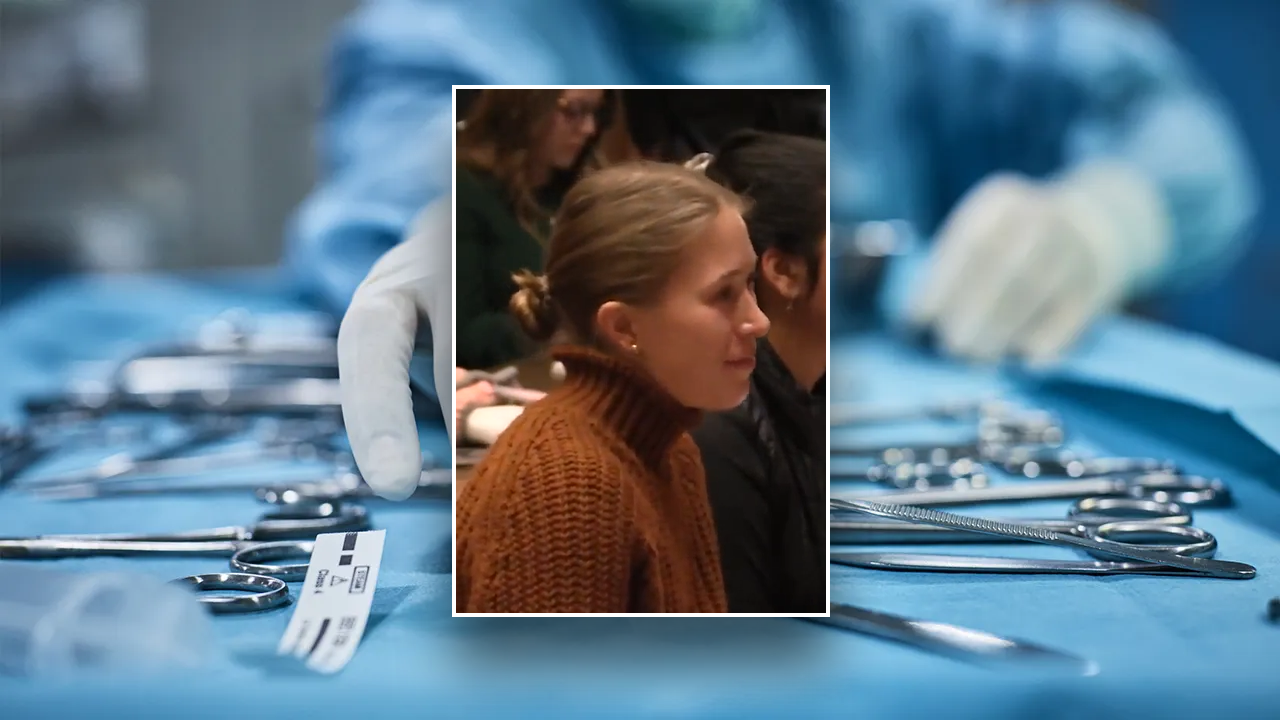
A Wisconsin medical student expressed support for full-term abortions during a public hearing on a bill that would ban abortion after 14 weeks, stating that she and her colleagues would leave the state if they couldn't perform abortions or receive proper training. The bill, co-authored by Republican lawmakers, has drawn criticism for not including exceptions for rape or incest, and is expected to be vetoed by the state's Democratic governor. The Medical College of Wisconsin students voiced concerns that the proposed ban would deter people from becoming licensed OBGYN practitioners and emphasized the importance of access to comprehensive reproductive healthcare.
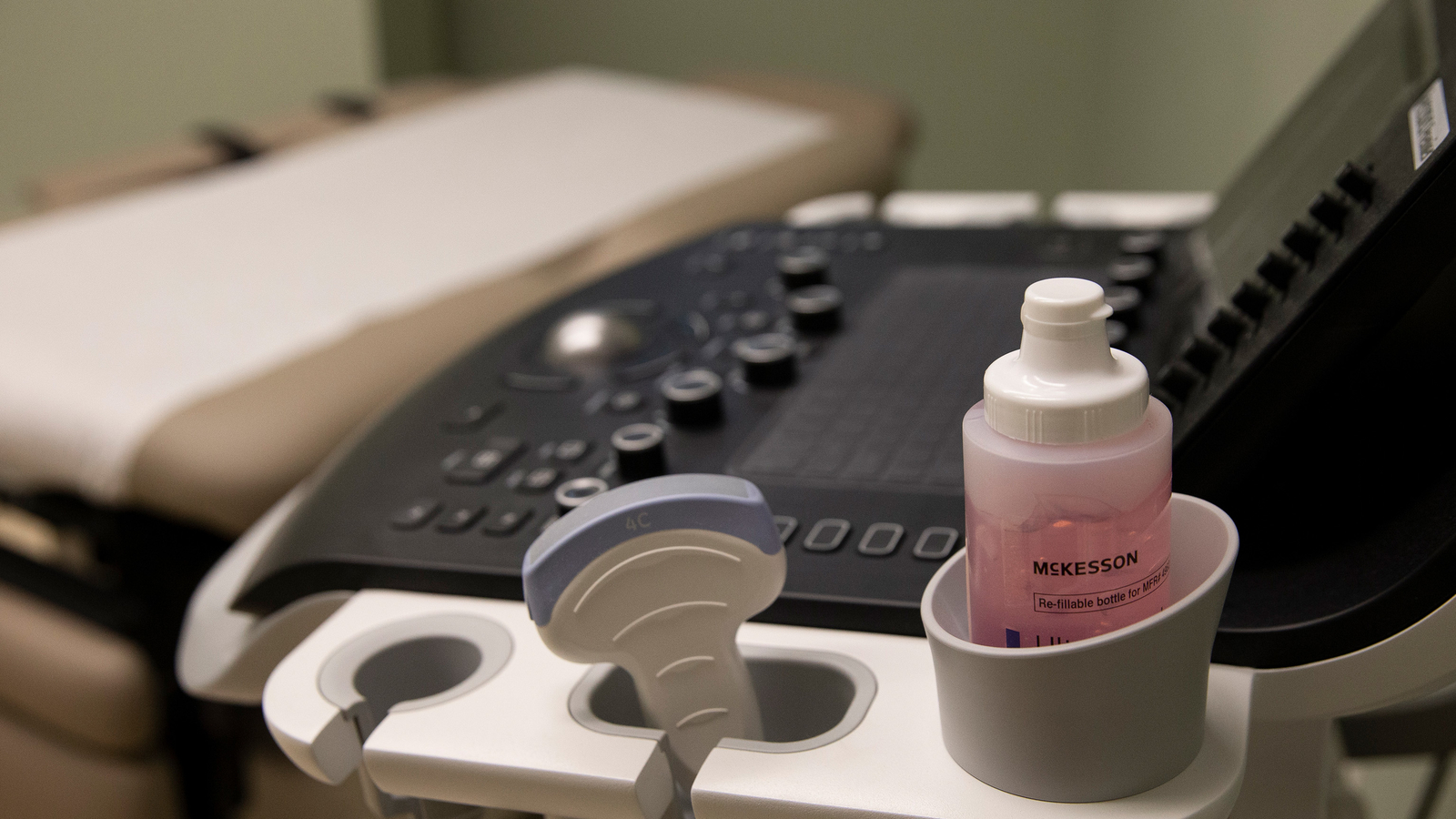
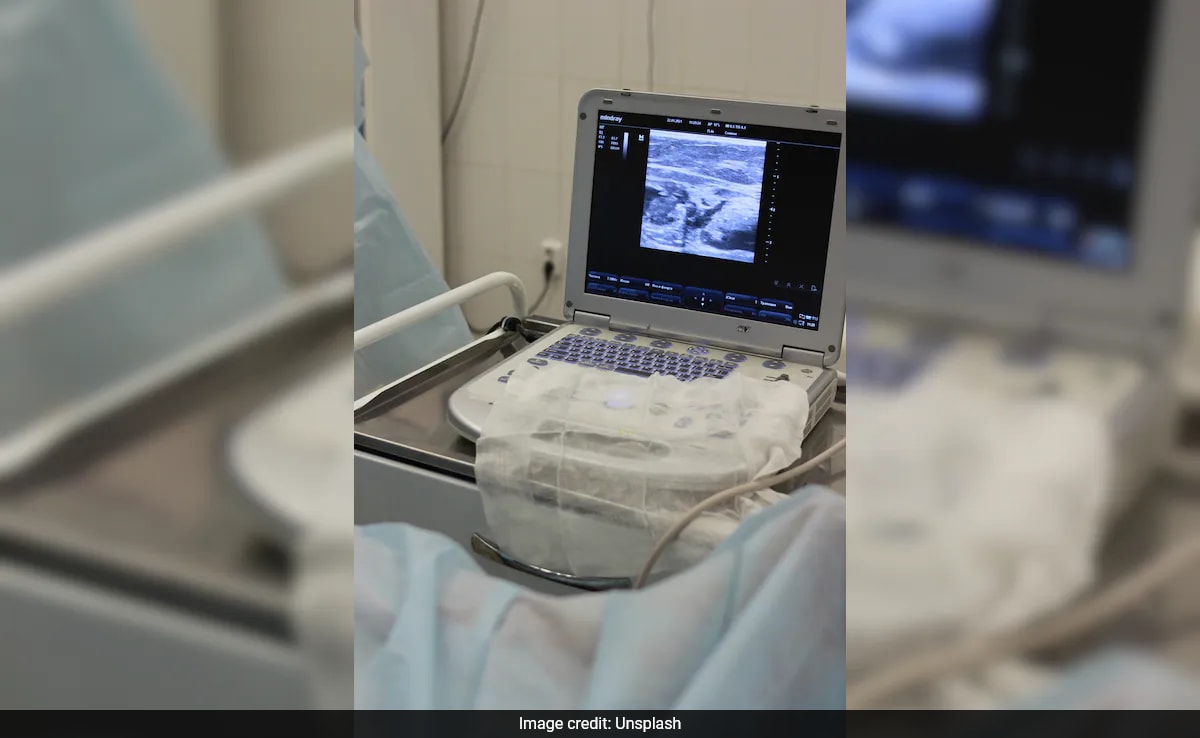
A second-year medical student at Rowan-Virtua School of Osteopathic Medicine in New Jersey discovered she had thyroid cancer during a class on ultrasounds. While practicing on each other, she noticed abnormalities in her own thyroid and sought medical advice. Due to insurance issues, she had to wait a year for further testing, but eventually received a diagnosis of thyroid cancer that had spread to her lymph nodes. She underwent surgery and will need to take thyroid hormone replacement therapy. The experience has given her a greater sense of empathy and will shape her approach to patient care in the future.
A second-year medical student at Rowan-Virtua School of Osteopathic Medicine in New Jersey discovered she had thyroid cancer during a class on ultrasounds. While acting as a patient, she noticed abnormalities in her own thyroid and sought medical advice. Due to insurance issues, she had to wait a year for a diagnosis, but eventually underwent surgery to remove her thyroid and lymph nodes. The student believes her experience will make her a more empathetic future physician.
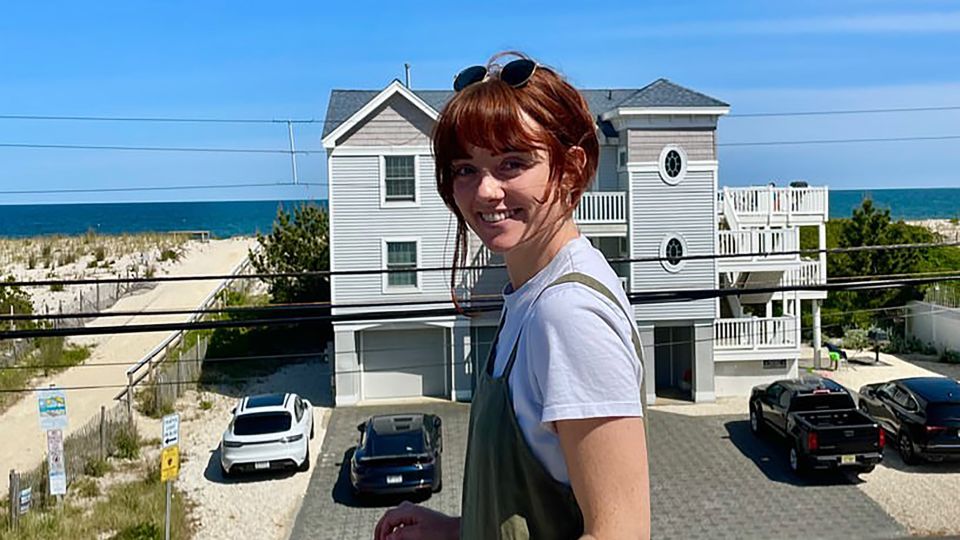
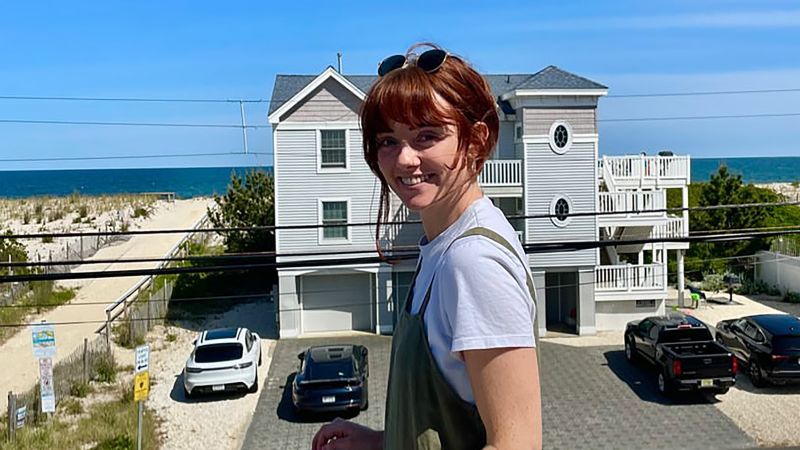
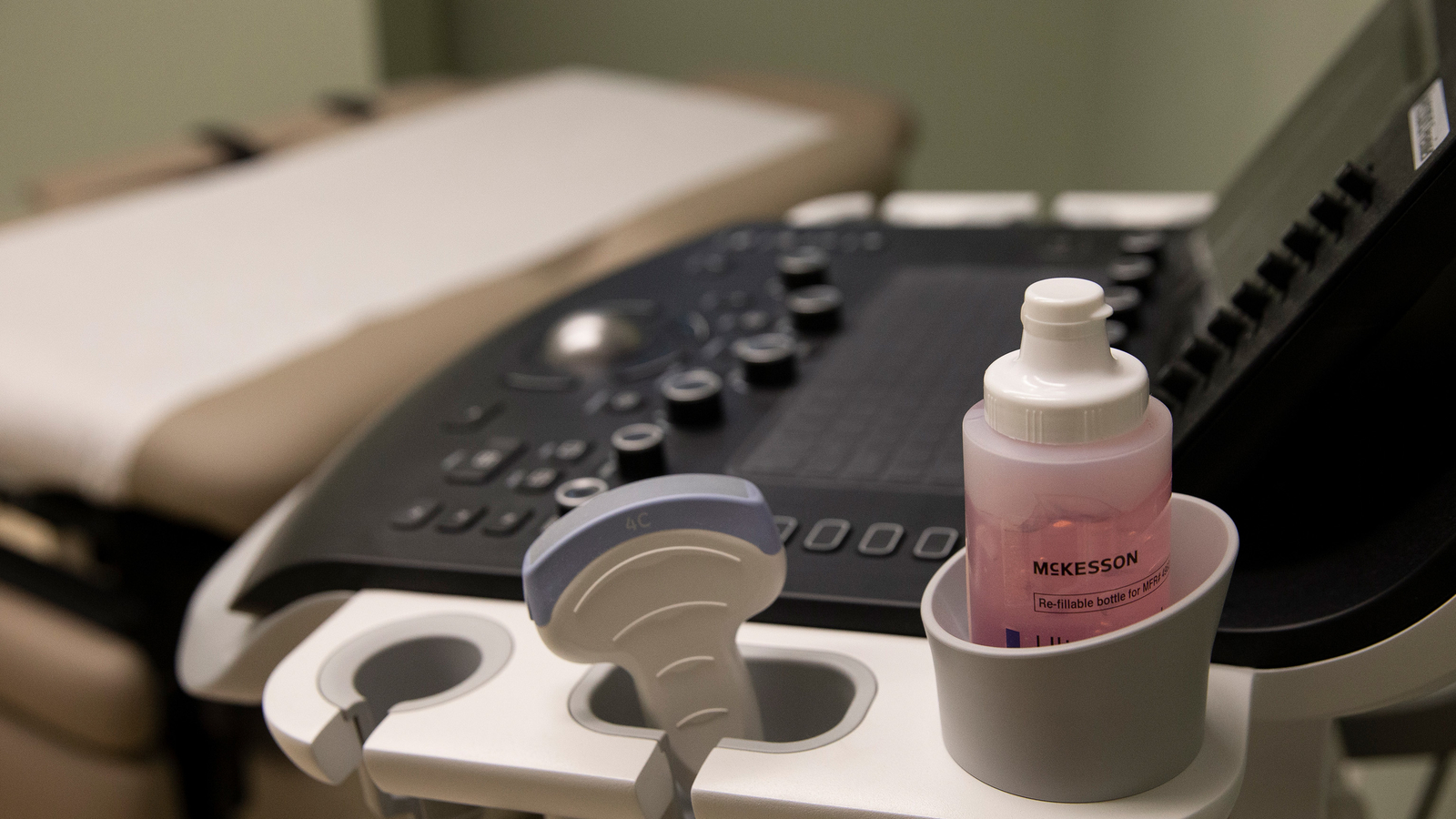
Sally Rohan, a medical student, discovered her own thyroid cancer during an ultrasound class. While learning how to use an ultrasound machine, she noticed a bump on her thyroid and followed up with a doctor. Despite normal bloodwork and no symptoms, a formal ultrasound later revealed Stage 1 papillary thyroid cancer that had also spread to her lymph nodes. Rohan's diagnosis, which could have been missed without the ultrasound class, highlights the importance of early detection. She is now undergoing treatment and sharing her story to raise awareness about cancer screening and demystify the medical process.
A 27-year-old medical student in New Jersey, Sally Rohan, discovered her own Stage 1 papillary thyroid cancer during an ultrasound class. While learning how to use an ultrasound machine, she noticed a lump on her thyroid and consulted her instructor, who advised her to seek further evaluation. Due to a gap in her medical insurance coverage, Rohan didn't undergo a formal ultrasound until a year later, when she received a diagnosis of thyroid cancer that had spread to her lymph nodes. As she continues her studies to become a doctor, Rohan's experience has given her valuable insights into the patient journey. She is now scheduled for surgery and radiation therapy as part of her treatment plan.
A medical student, Sally Rohan, discovered her own thyroid cancer during an ultrasound class at New Jersey's Rowan-Virtua School of Osteopathic Medicine. Despite not having any symptoms, she stumbled upon the nodules and later underwent a year-long process to schedule appointments for further examination. Sally remains positive and believes that her experience will make her stronger, expressing gratitude that she found the cancer after being approved for Medicaid. She is scheduled for a CT scan and surgery, and although her medical school journey may differ from her peers, she plans to keep her options open and use her experience to help future patients.