
Apple Watch Alerts Lead to Life-Saving Brain Tumor Diagnosis
A woman from Brighton was alerted by her Apple Watch to an unusual heart rate, leading to the discovery of a benign brain tumor, highlighting the device's role in early health detection.

All articles tagged with #medical discovery
A woman from Brighton was alerted by her Apple Watch to an unusual heart rate, leading to the discovery of a benign brain tumor, highlighting the device's role in early health detection.
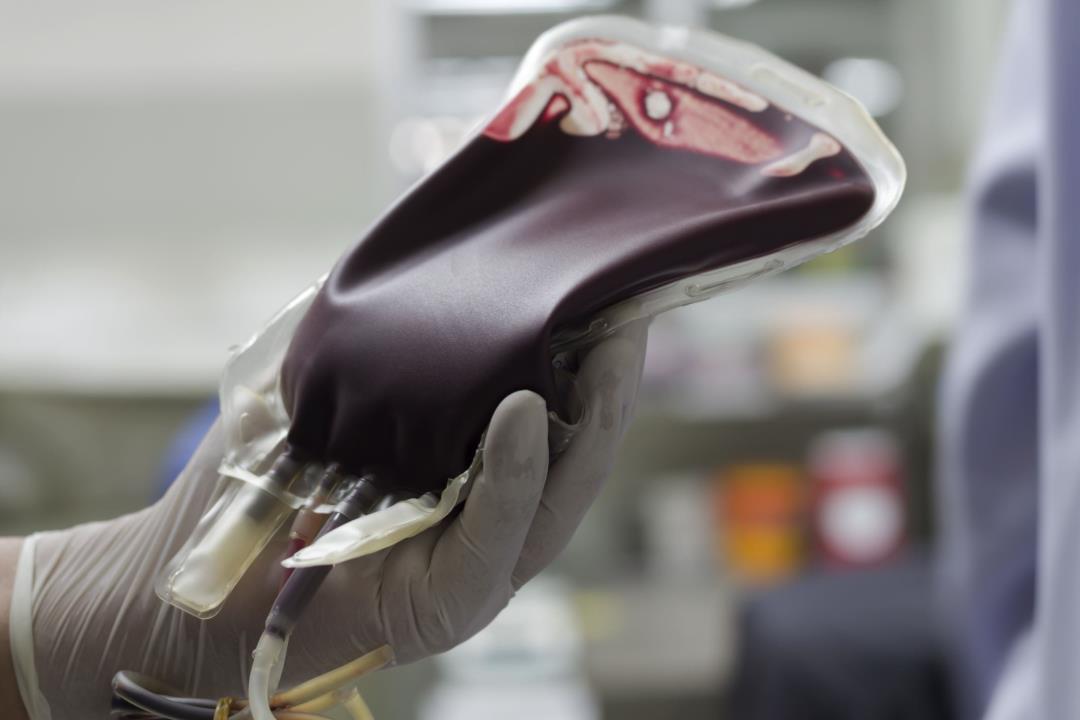
A 68-year-old woman from Guadeloupe is the only known person with a newly discovered, extremely rare blood type called Gwada negative, which is only compatible with herself. Scientists are investigating whether others share this blood type, which was identified through genome sequencing after initial tests in 2011 failed to determine her blood type.
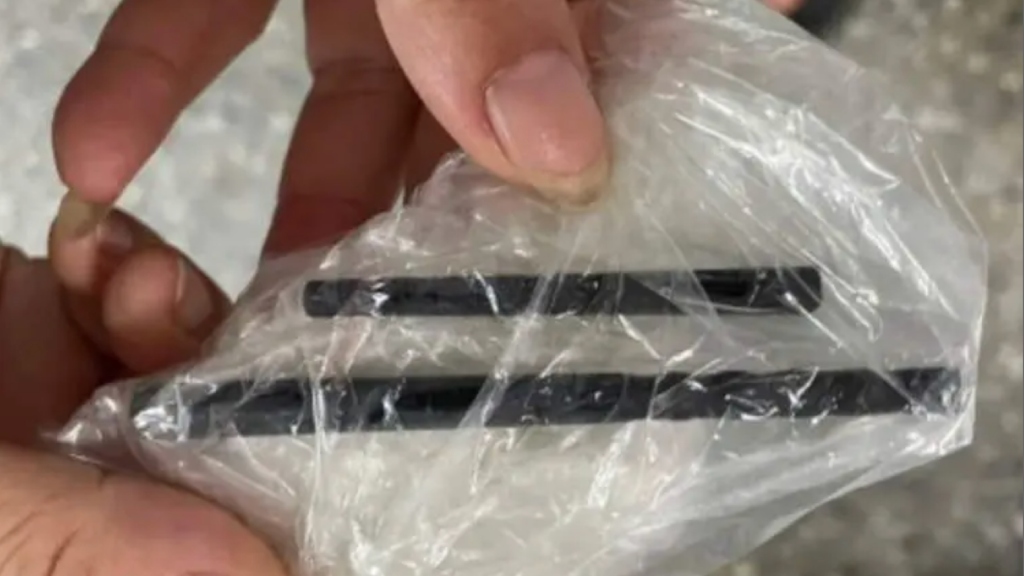
A 35-year-old man in Vietnam who had been suffering from severe headaches for five months discovered that a pair of chopsticks had been lodged in his skull. CT scans revealed tension pneumocephalus, a potentially life-threatening condition causing increased intracranial pressure. The man recalled being involved in a fight where he was possibly stabbed in the face with the chopsticks. Doctors successfully removed the chopsticks through endoscopic surgery and sealed a fistula in his brain, and the patient is now in stable condition.

Surgeons in Australia made a world-first discovery when they found a live parasitic worm, about 3 inches long, in a woman's brain during a biopsy. The 64-year-old patient had been experiencing abdominal pain, diarrhea, respiratory symptoms, forgetfulness, and depression. The worm, identified as Ophidascaris robertsi, is typically found in pythons and had never been seen in a human before. It is believed that the woman unknowingly consumed the worm's eggs through contaminated vegetation. Experts warn that with human encroachment on animal habitats, more cases of parasitic infections may occur in the future.
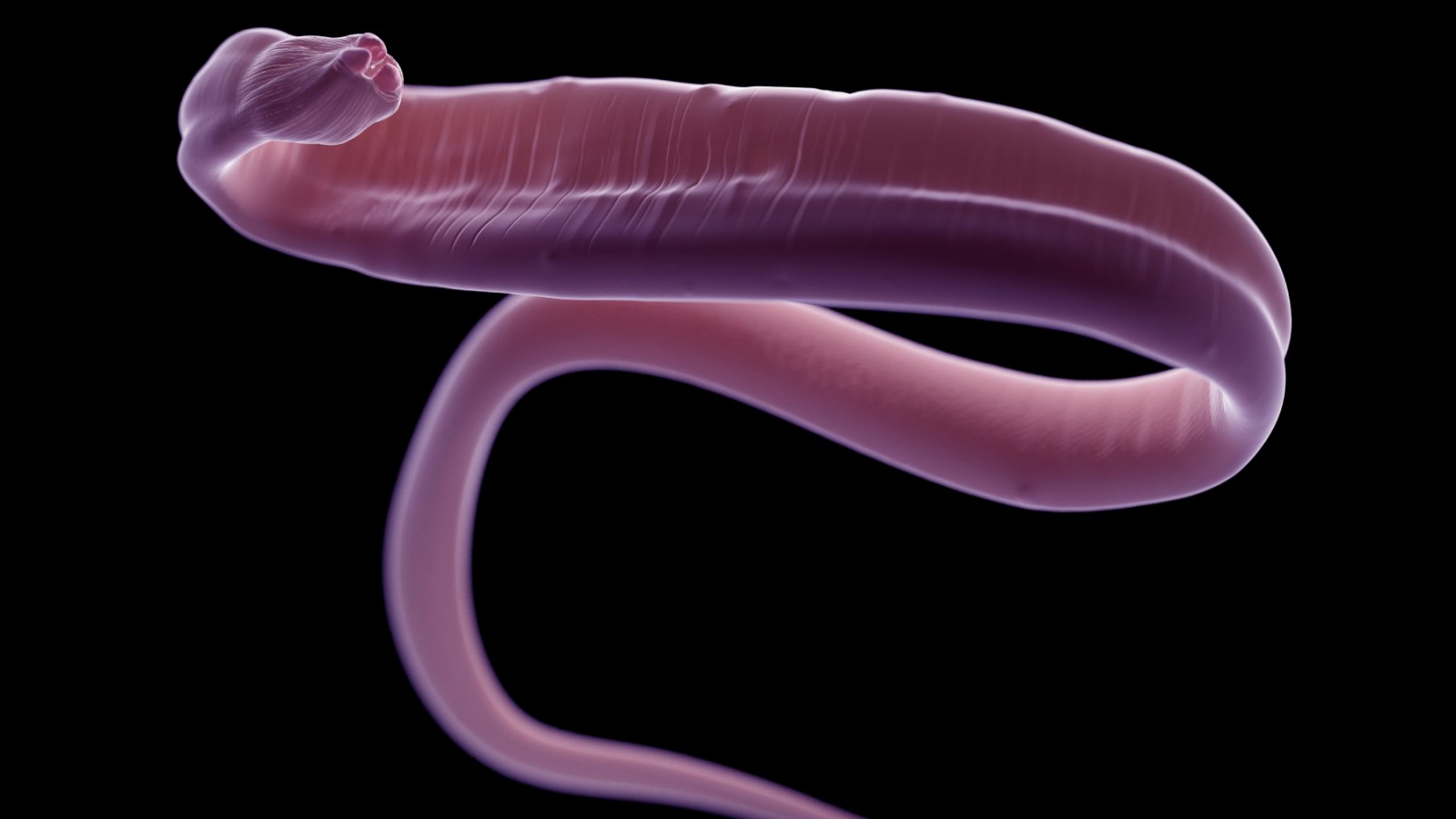
In a world-first discovery, doctors in Australia removed a live parasitic roundworm from a woman's brain. The 64-year-old patient had been experiencing abdominal pain, diarrhea, and a cough, which later progressed to forgetfulness and depression. The worm, identified as a third-stage larva of Ophidascaris robertsi, is typically found in carpet pythons. It is believed that the woman inadvertently ingested the worm's eggs, either from vegetation or through contamination. The patient is recovering and being monitored, while researchers investigate if a preexisting medical condition made her immunocompromised, allowing the parasite to enter her central nervous system.
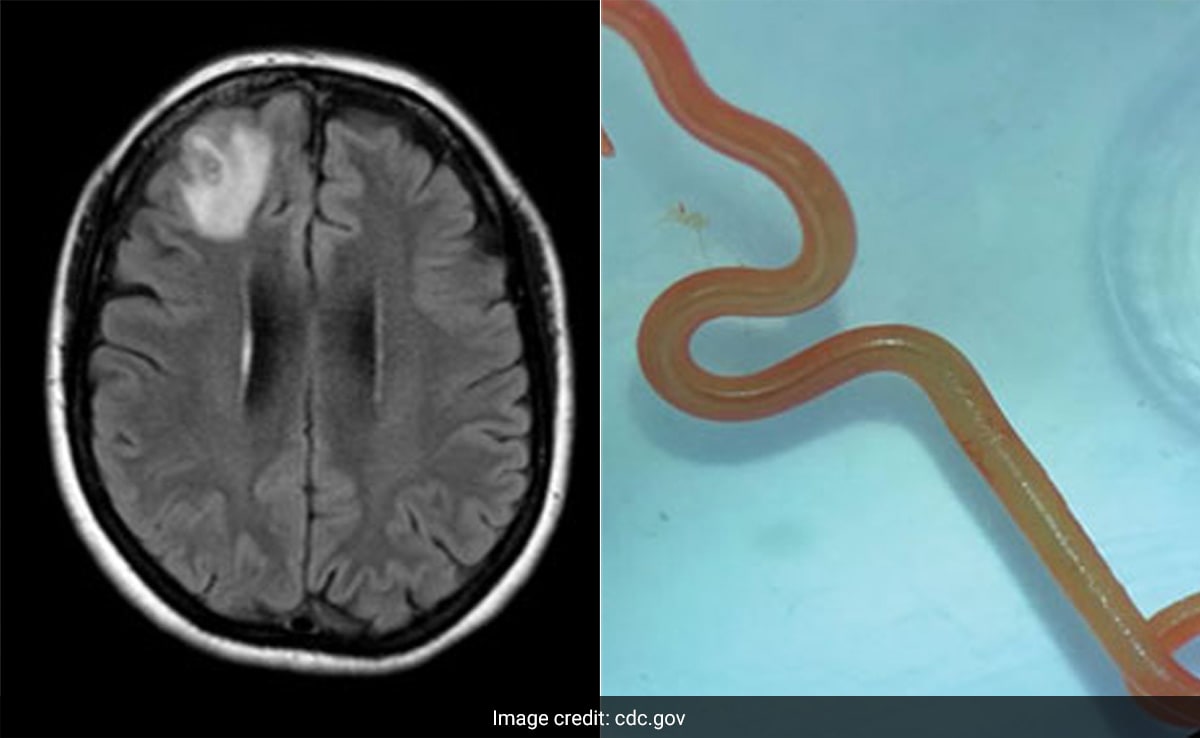
Australian doctors made a world-first discovery when they found a live parasitic roundworm measuring 8 centimeters in a woman's brain. The 64-year-old patient had been experiencing symptoms of memory loss and depression. The worm, identified as a third-stage larva of the Ophidascaris robertsi species, is typically found in the gastrointestinal systems of carpet pythons in New South Wales. It is believed that the woman may have contracted the parasite by coming into contact with contaminated grass.