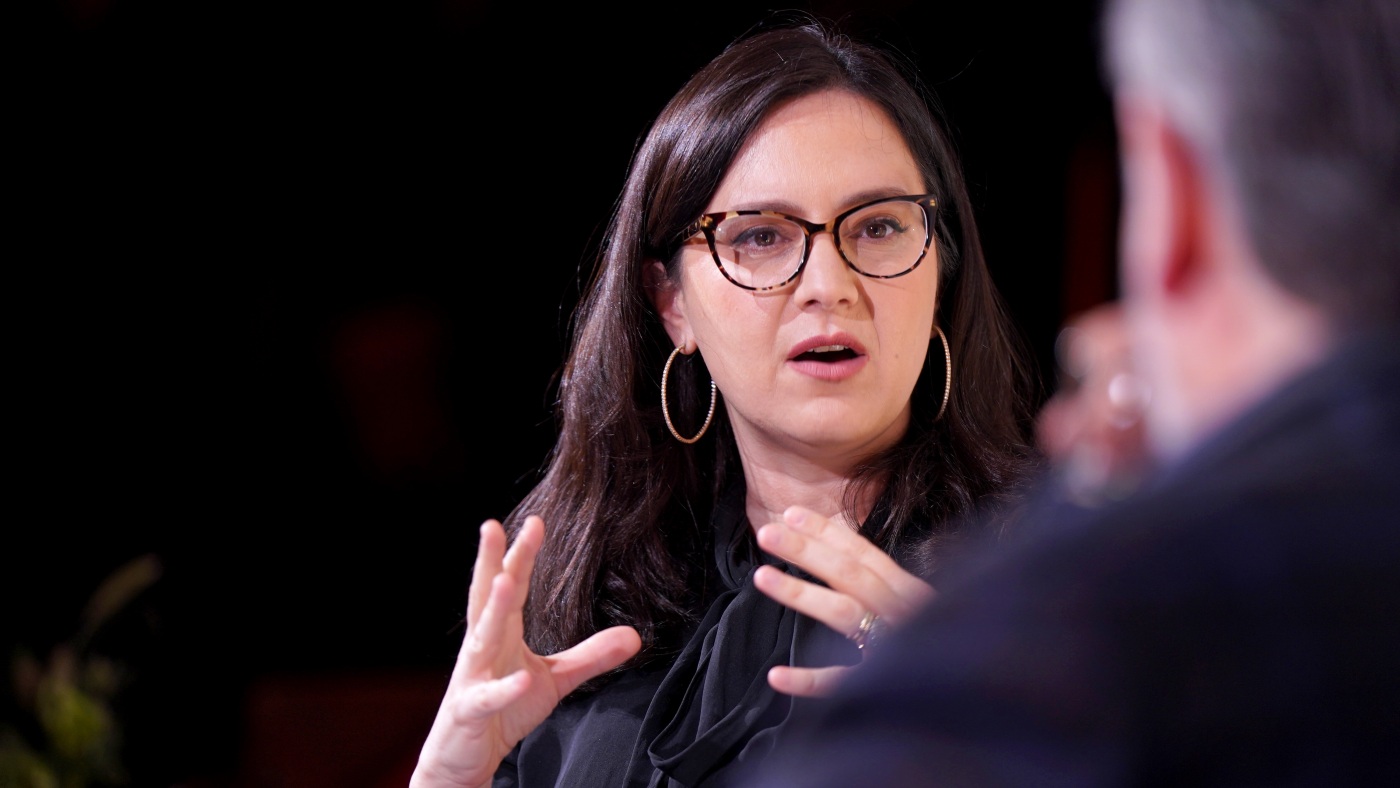
Bari Weiss, co-founder of The Free Press known for criticizing mainstream media and left-leaning culture, has been appointed as the new editor-in-chief of CBS News, marking her return to a major legacy media organization where she aims to promote honest, diverse, and principled journalism amid a polarized media landscape.
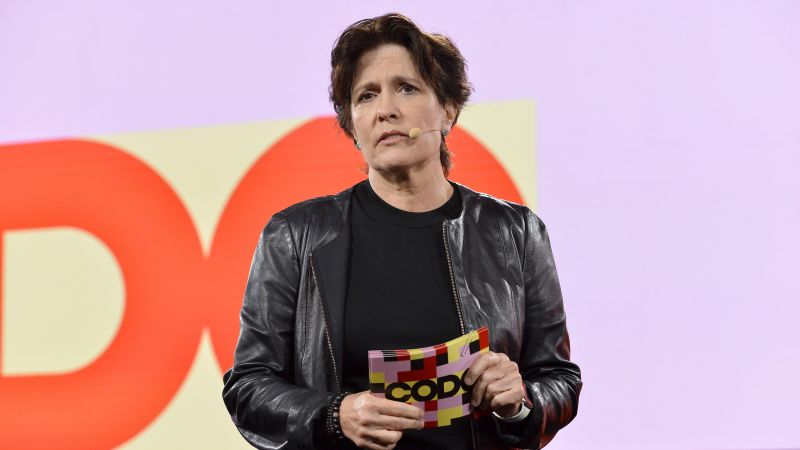
Kara Swisher, a prominent tech journalist, emphasizes the need for news organizations to reinvent themselves in the face of existential crisis, attributing the industry's struggles to a failure to adapt to digital shifts and the encroachment of tech companies into media. Swisher criticizes legacy media for not attracting top tech talent due to financial disparities and points to Big Tech's dominance in advertising and referral traffic as contributing to the media's plight. She also addresses media coverage of the 2024 race and billionaire figures, while expressing concern about the threat of emerging AI technology. Despite the challenges, Swisher sees opportunities for impactful and creative endeavors in the media industry, albeit on a smaller scale.
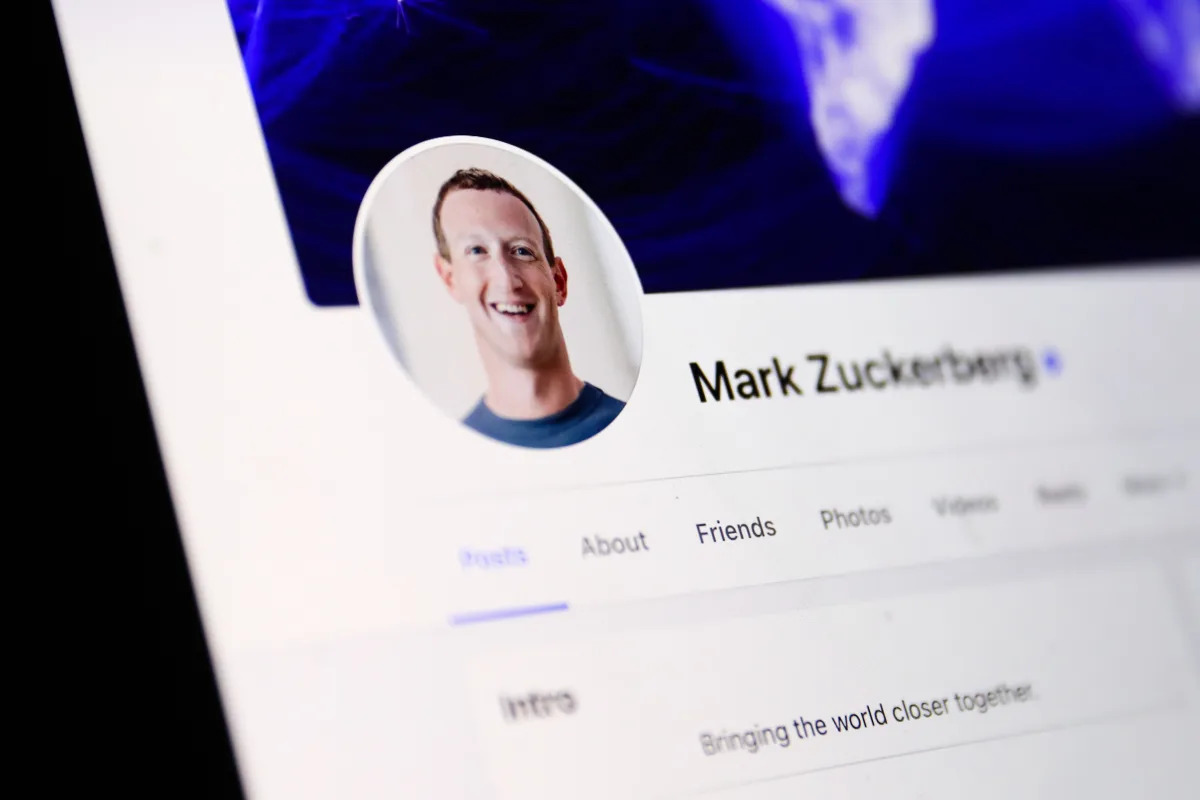
Big Tech giants like Google and Meta are reaping the rewards of the advertising resurgence, expected to haul in over $140 billion this year and claim nearly half of all digital ads revenue. While brands spend their way out of a multiyear ad slump, smaller players like Snap are struggling to keep up, with investors punishing anything that doesn't match the growth of tech behemoths. Amazon, Walmart, and TikTok are also expected to amplify their ads business, while legacy media companies like Disney and Fox continue to struggle with declining ad revenue.
Some of Netflix's competitors, including Warner Bros Discovery's HBO network, are reversing their strategy by licensing their old TV shows and movies to Netflix, boosting its programming offerings but potentially squeezing its profit margins. This shift comes as legacy media groups seek streaming profits and view licensing revenue as attractive. While analysts see this as a positive for Netflix, they also warn that the cost of licensing, along with Netflix's investments in gaming and other sectors, could put pressure on its profit margins in 2024. Despite the potential challenges, licensing deals have given old shows new life and increased engagement on both Netflix and Warner Discovery's Max streaming platform.
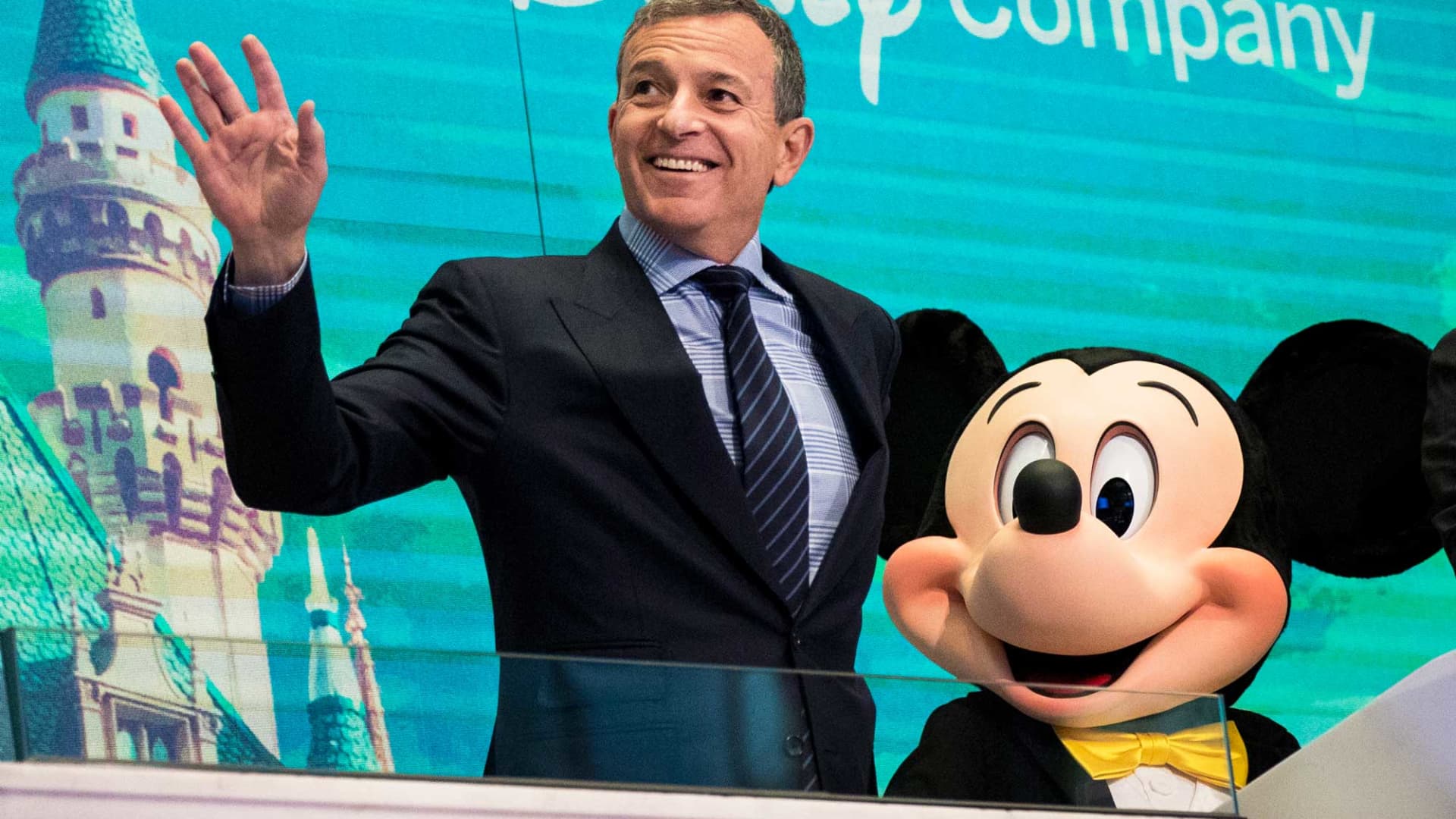
Disney's potential sale of ABC and its owned affiliates, linear cable networks, and a minority stake in ESPN is not primarily motivated by the money it will fetch, but rather to signal to investors that the era of traditional TV is over and Disney is ready for its next chapter. Selling these assets would help Disney lower its leverage ratio and focus on its streaming businesses, which are seen as its future. While no decision has been made yet, potential buyers like Nexstar and media mogul Byron Allen have expressed interest. The declining value of broadcast and cable networks, as well as the changing media landscape, have prompted Disney to consider divesting these assets. However, selling ABC could have implications for ESPN's sports rights deals and future growth. If Disney successfully sells ABC and investors respond positively, it could inspire other legacy media companies to sell their declining assets as well.
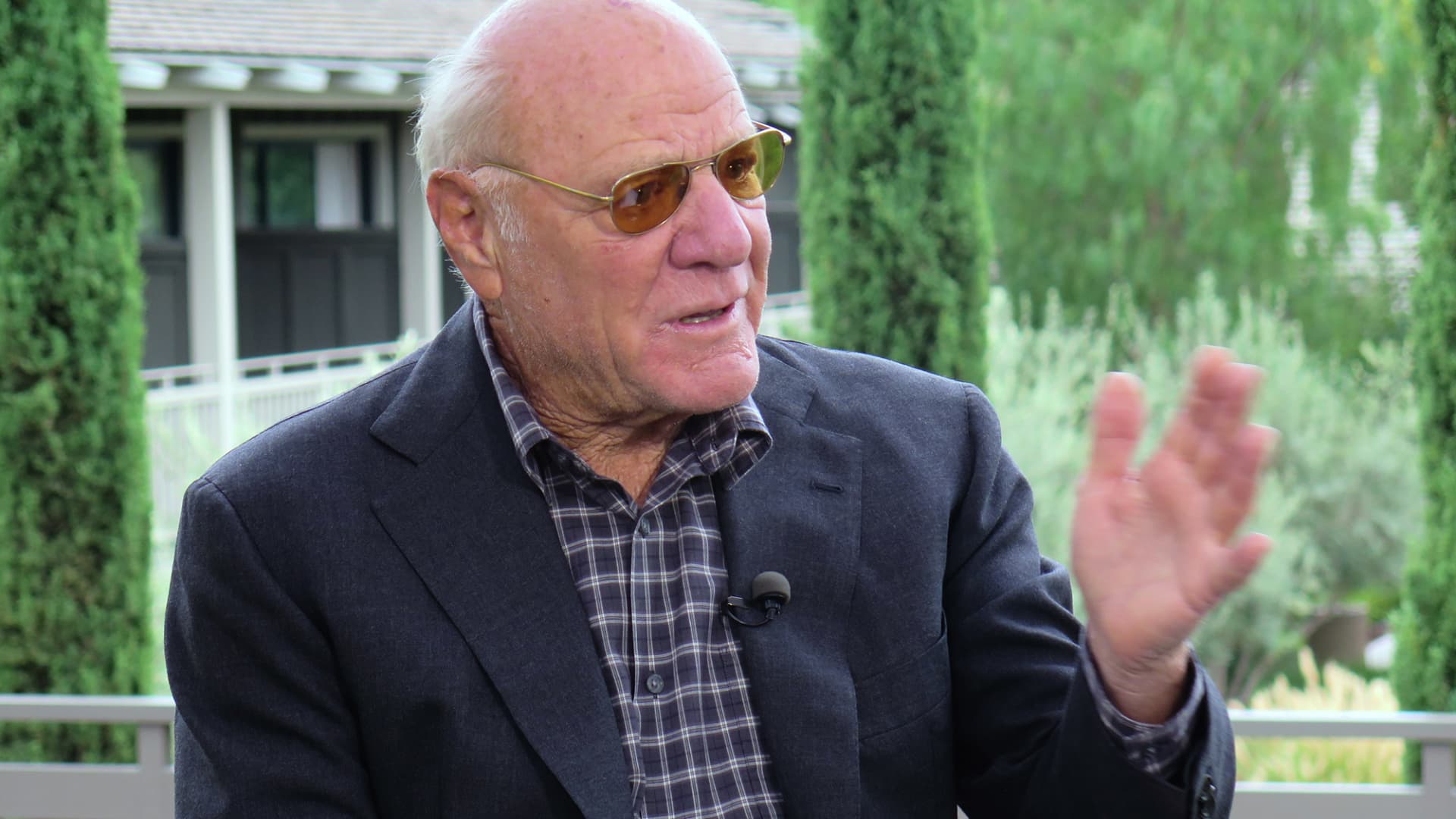
Media mogul Barry Diller is urging Hollywood studios to exclude Netflix from strike negotiations with writers and actors, warning that the strikes will only strengthen the streaming giant and weaken the legacy studios. Diller believes that the strikes could have catastrophic consequences for the industry, leading to a collapse of the entire industry and revenue losses for the studios. He suggests that legacy media should focus on rebuilding their broadcast and pay-TV networks instead of solely relying on streaming platforms.