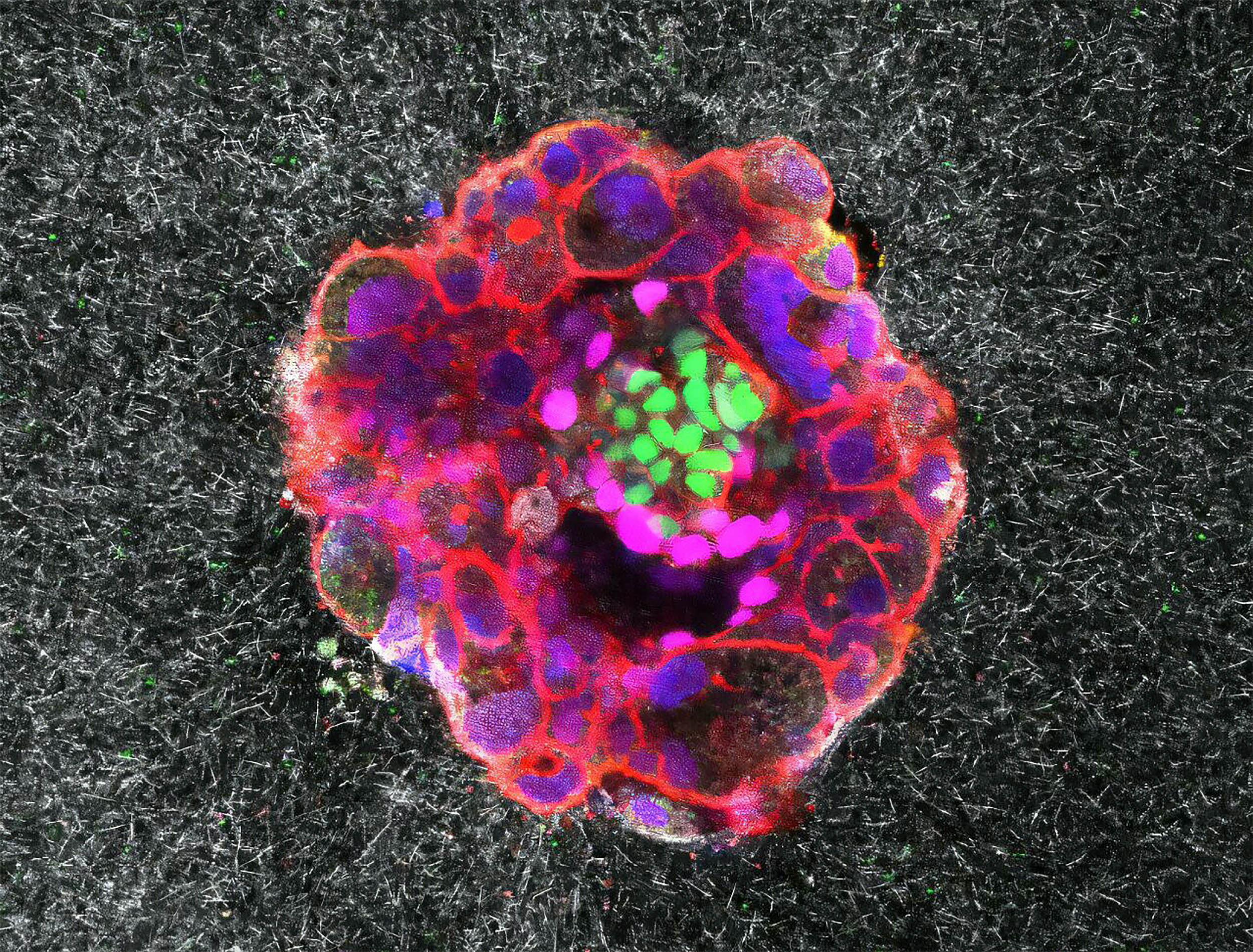
Scientists at IBEC have captured the first real-time 3D videos of human embryo implantation, revealing that embryos actively invade the uterine tissue by exerting mechanical forces and remodeling their environment, which could improve fertility treatments and understanding of early human development.
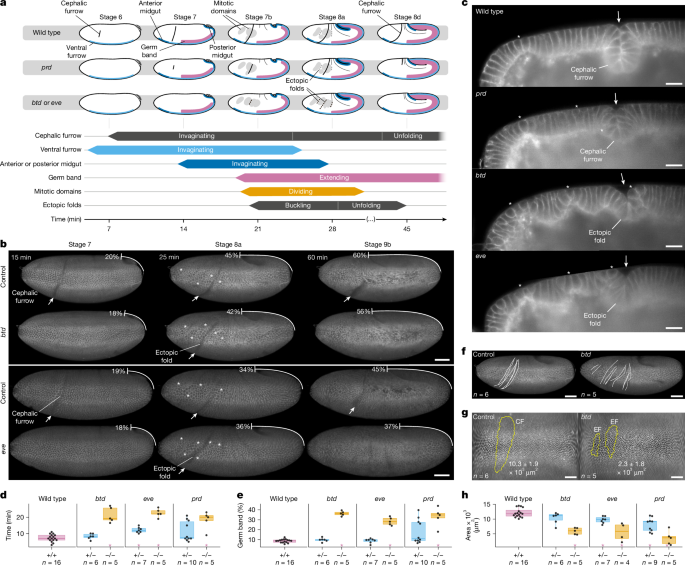
The study reveals that the patterned invagination of the cephalic furrow in Drosophila prevents mechanical instability during gastrulation by absorbing compressive stresses caused by mitotic domains and germ band extension, with its formation regulated by specific gene expression patterns, and suggests that mechanical challenges have driven the evolution of this morphogenetic feature in dipteran flies.
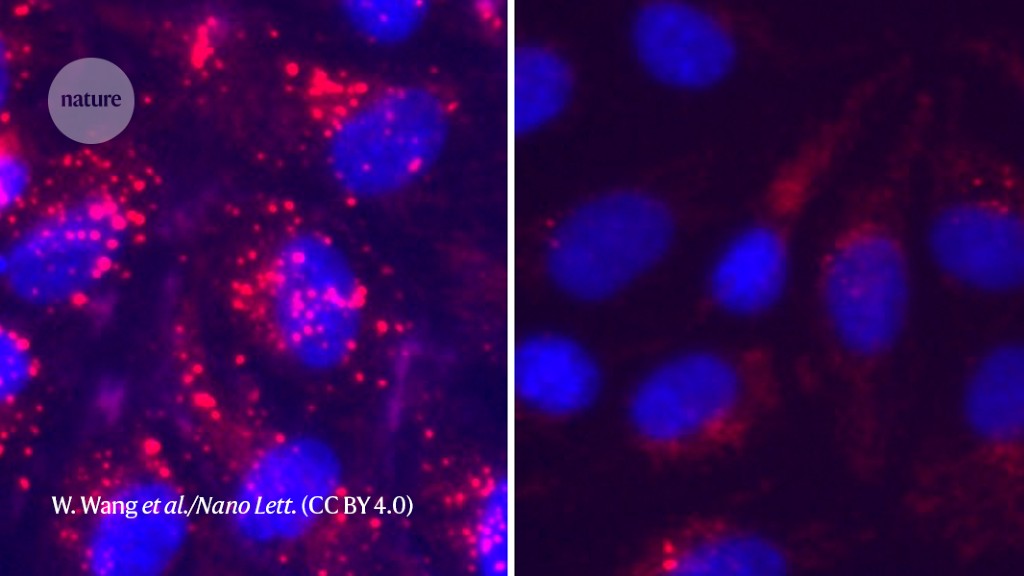
Scientists have developed a protective shell made of twisted, folded DNA nanorods that shields living cells from external mechanical forces while still allowing them to interact with each other. This DNA origami provides a stout armor for cells, offering both protection and freedom for cellular assembly.