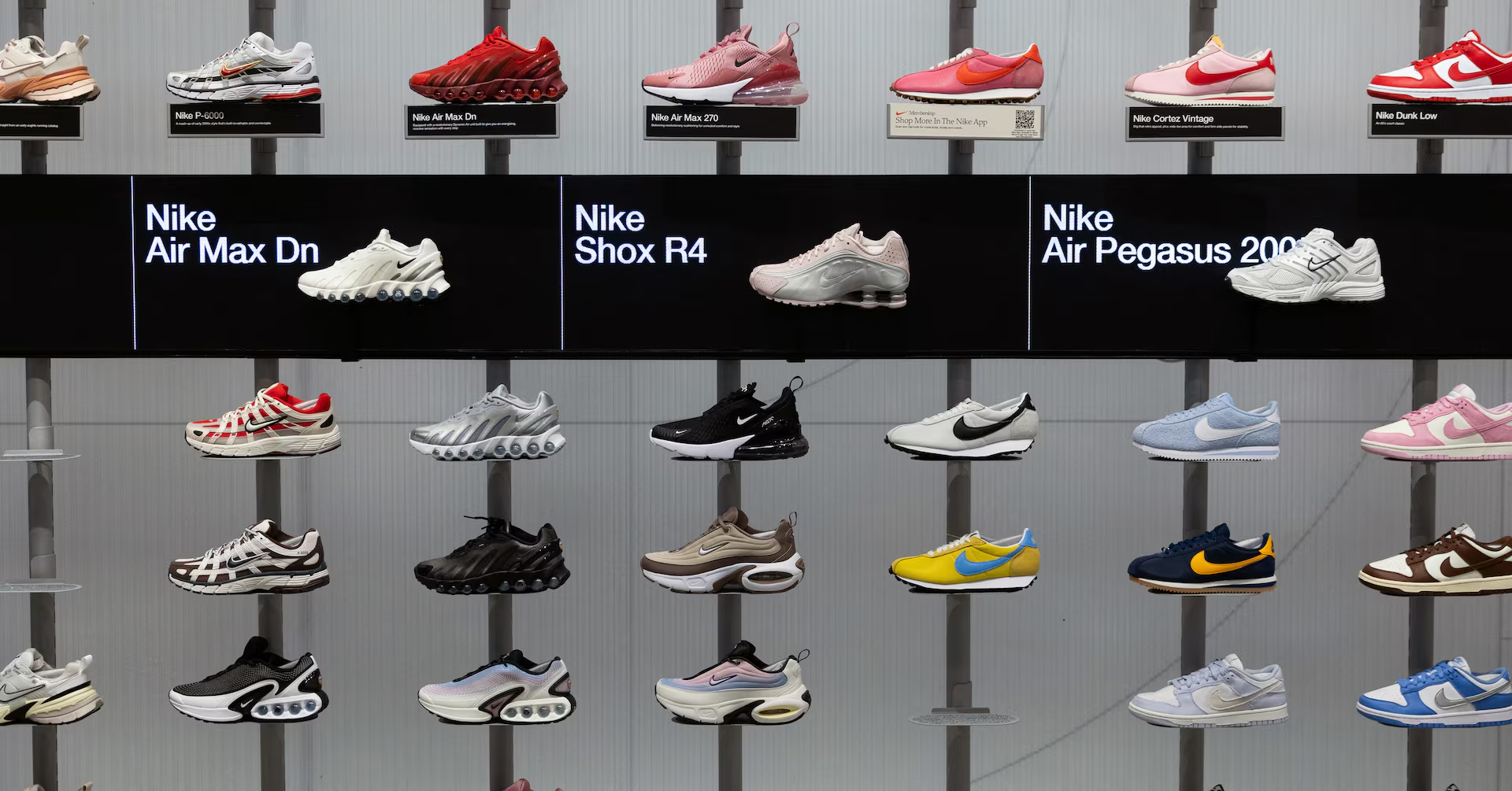
Nike's shares fell 10% as it reported a second consecutive quarter of declining gross margins due to poor sales in China, high tariffs costing $1.5 billion, and strategic shifts towards core sports and retail partnerships. Despite beating revenue estimates with $12.43 billion, net income dropped 32%, and margins are expected to decline further, highlighting ongoing challenges in its turnaround efforts.
Nike reported better-than-expected Q2 earnings despite a 17% decline in China sales and ongoing challenges like rising tariffs and increased promotional spending. While revenue increased slightly and some regions showed growth, overall profits declined, and the stock fell over 5% after the report. Analysts see signs of a potential recovery as Nike works to reduce reliance on China and improve margins, with some optimistic about the company's long-term prospects.
Nike's quarterly earnings exceeded estimates due to strong North American sales, but its stock fell 10% after reporting a 17% decline in China sales and impacts from tariffs, with overall revenue growth offset by challenges in China and increased costs.
Merck's Q3 earnings surpassed estimates driven by strong Keytruda sales, reaching over $8 billion, while adjusting its full-year profit outlook downward due to lower tariff costs and challenges in China sales of Gardasil. The company plans to cut costs and offset revenue losses from upcoming patent expirations, with revenue guidance narrowed for 2023.
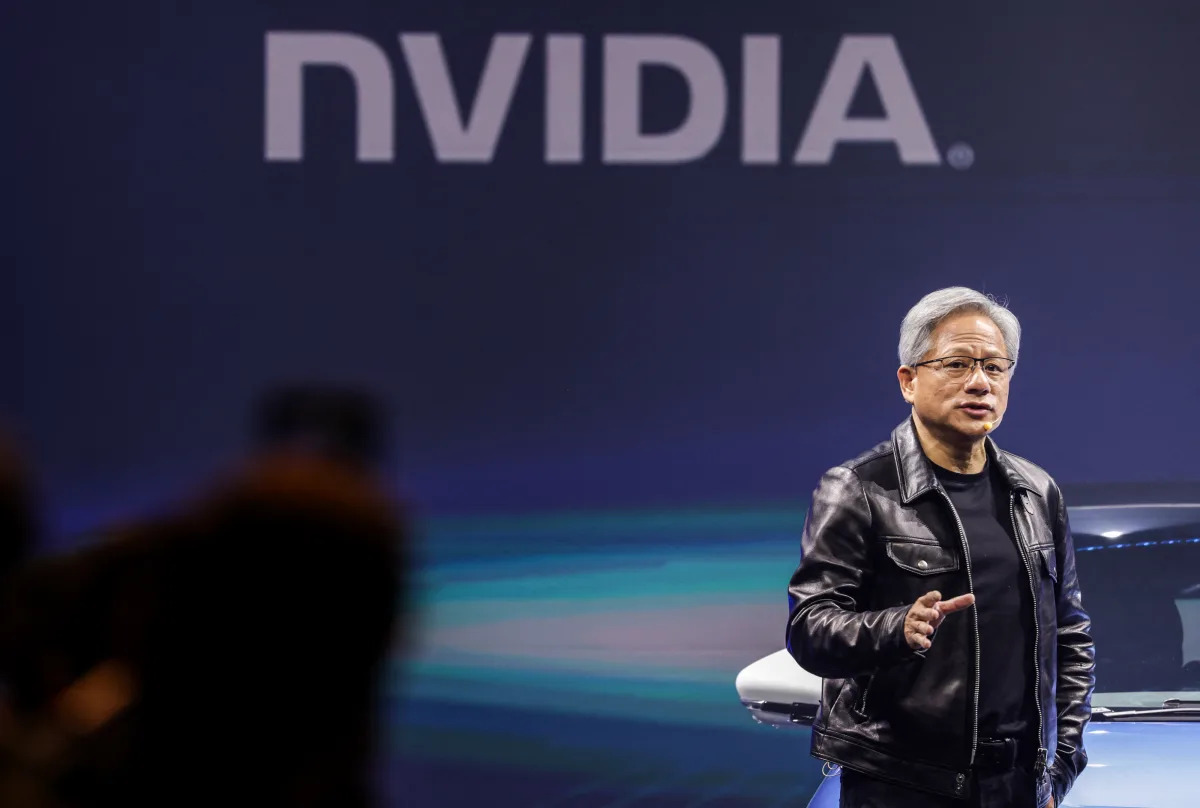
Nvidia's Q2 earnings slightly beat expectations with $46.74 billion in revenue, but shares fell 4% due to the absence of H20 chip sales to China amid ongoing trade restrictions. The company highlighted strong demand for AI infrastructure, especially for its upcoming Blackwell chips, and called for US regulatory approval to sell more advanced products to China. Despite geopolitical hurdles, Nvidia's datacenter revenue and margins are growing, and the company remains optimistic about future opportunities.
Nvidia reported strong Q2 earnings exceeding revenue estimates but provided a cautious sales outlook due to ongoing geopolitical issues affecting China sales, leading to a slight stock decline. The company announced a $60 billion stock repurchase and expects significant growth in AI infrastructure spending by 2030, while navigating regulatory challenges in China and potential new chip sales to Saudi Arabia.
Nvidia's revenue surged 56% to $46.7 billion driven by strong AI chip demand, with positive outlooks despite uncertainties around China sales due to US export controls. The company's AI-related data center revenue and net income also saw significant increases, highlighting its pivotal role in the AI industry, though its stock experienced some volatility.
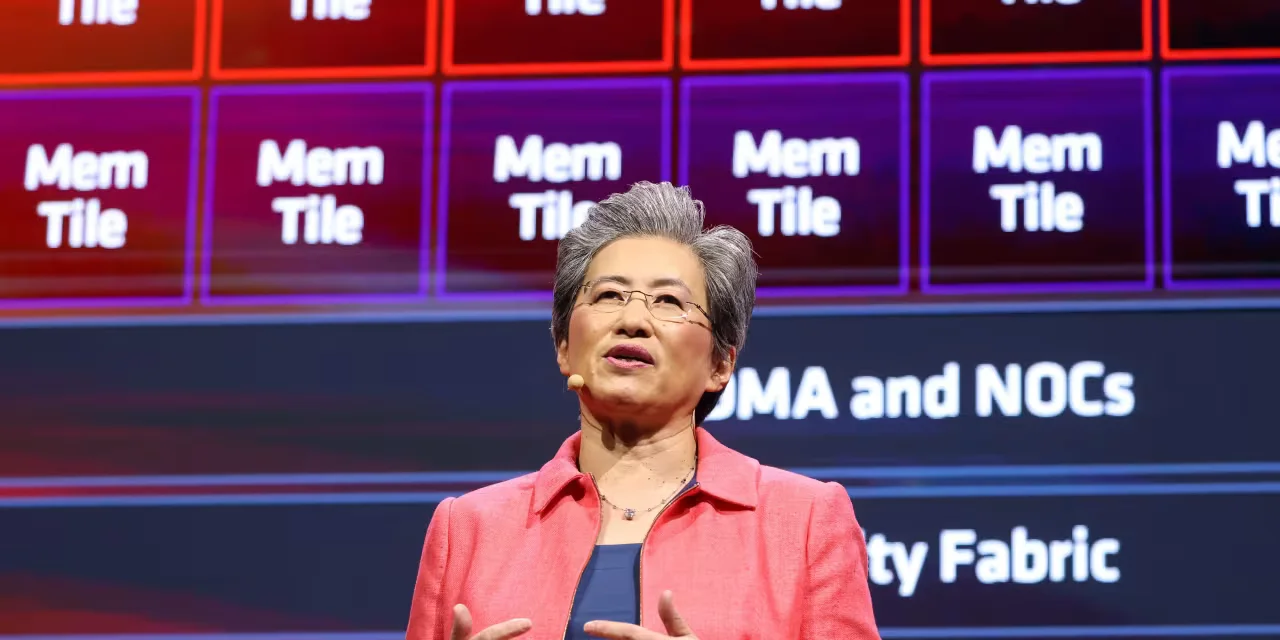
Despite an optimistic revenue forecast for the third quarter driven by demand for AI and PC processors, AMD's stock fell after-hours due to concerns over the absence of Chinese sales in the guidance, stemming from ongoing licensing issues with the US government. The company expects to benefit from new AI chips and market share growth, but uncertainties around China sales and inventory adjustments have impacted investor confidence.
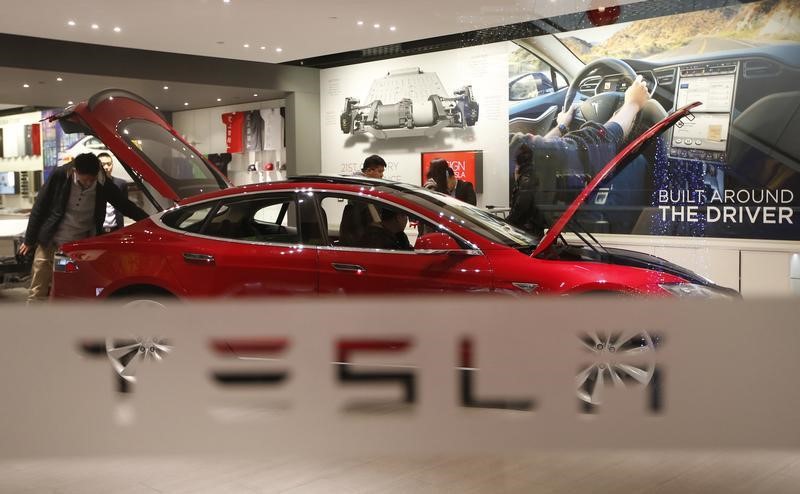
Tesla's second-quarter delivery numbers are expected to be lower than previous years, with significant declines in Europe and China, raising concerns about sales growth amid geopolitical and brand challenges. Despite this, Tesla's stock rose slightly in premarket trading, but overall investor sentiment remains cautious as the company prepares to report earnings and unveil a new model to boost sales.
Tesla's stock has surged to an all-time high, closing at $424.77, marking a 70% increase since Donald Trump's election win. This rise is driven by investor optimism about Tesla's future under the new administration and strong sales figures from China, where Tesla sold 21,900 EVs in the first week of December. Analysts predict further growth, with potential stock prices reaching $504 by mid-2025, supported by favorable federal policies towards Tesla's self-driving technology.
Tesla's stock is nearing a record high, driven by CEO Elon Musk's support of Donald Trump and a bullish outlook from Morgan Stanley analyst Adam Jonas, who raised his price target to $400. Strong sales growth in China, which accounted for 40% of Tesla's Q3 sales, and confidence in Tesla's autonomous vehicle technology are also contributing factors. Investors are optimistic about the potential for Tesla to monetize self-driving technology as a subscription service, which could be more lucrative than car sales.
Applied Materials Inc. experienced a significant stock decline after issuing a disappointing revenue forecast for the fiscal first quarter, predicting sales of $7.15 billion, below analysts' expectations of $7.25 billion. Despite strong demand for AI-related chips, other sectors like industrial equipment and vehicles are seeing reduced demand, impacting orders. Revenue from China has also decreased, though it remains a significant market. The company's profit outlook remains strong, with earnings expected to slightly exceed projections.
Nvidia reported strong fourth quarter earnings, surpassing analysts' expectations with adjusted EPS of $5.16 on revenue of $22.1 billion and a full-year revenue of $27 billion. The company also provided a positive outlook for the first quarter, anticipating revenue of $24 billion. However, Nvidia's CFO noted a significant decline in data center revenue from China due to US licensing requirements. Despite its strong performance, Nvidia faces challenges from competitors like AMD and Intel, as well as from customers developing their own AI chips, prompting Nvidia to explore building custom chips for major tech firms.
ASML Holding NV's shares hit a record high after its orders more than tripled last quarter to €9.19 billion, driven by demand for its most sophisticated chip-making machines, signaling a resurgence in the semiconductor industry. The company's strong performance reflects optimism among major customers like Intel, Samsung, and TSMC, with CEO Peter Wennink citing artificial intelligence as a key driver for future business. While ASML's success points to a broader chip sector recovery, some parts of the industry, such as sales for industrial and automotive chips, remain weak. Additionally, ASML's sales in China surged in 2023, but the company expects up to 15% of its China sales to be affected by new export control measures imposed by the US.