Amateur investors, fueled by social media and the 'buy the dip' mentality, have successfully capitalized on recent market declines, often outperforming institutional investors who tend to avoid market timing, leading to a broader shift in market dynamics and investor behavior.

Strategists suggest that the remaining bearish sentiment among Democratic investors could soon capitulate, potentially fueling a new upward leg for the stock market, as the S&P 500 continues its impressive recovery and investor pessimism remains relatively high.
Jim Cramer advocates for stock investors to break free from relying solely on short-rate forecasts controlled by the Federal Reserve, as those who have done so are reaping significant returns despite skepticism from mainstream media and financial experts. He emphasizes the importance of focusing on stock profits rather than being constrained by interest rate cycles.
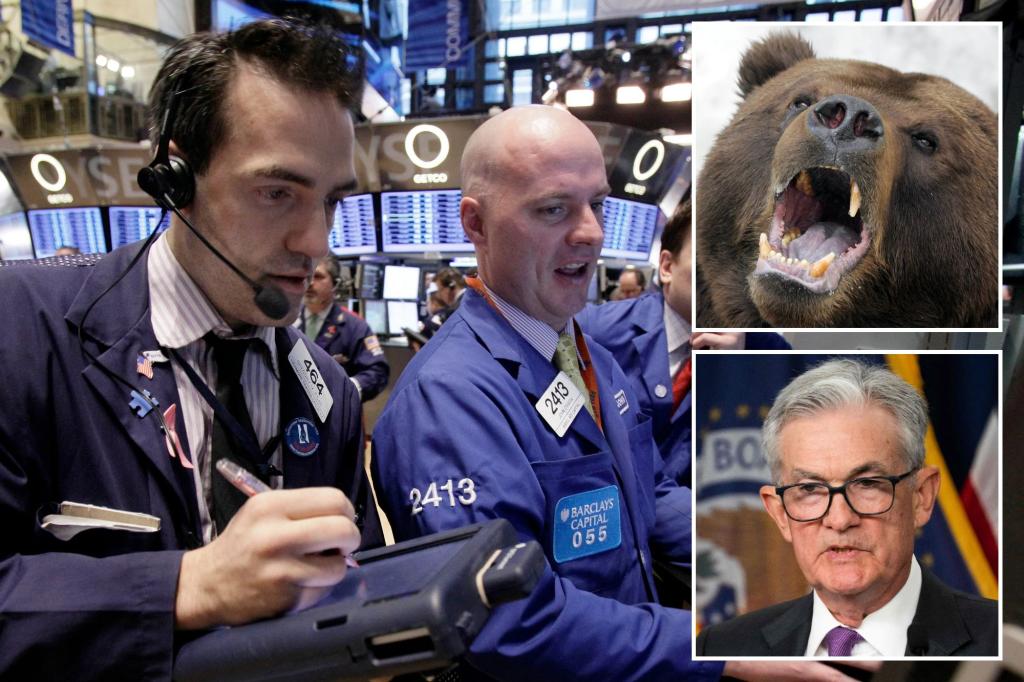
The concept of a "Goldilocks economy" has resurfaced as the US shows steady economic growth, but recent stock market performance suggests that the bears are returning. Despite concerns earlier this year about a recession, inflation has fallen and GDP growth has exceeded expectations. However, market psychology plays a role in the return of negativity and panic, leading to short-term volatility. While the future may have its ups and downs, it is advised to stay invested and not get too wrapped up in the fluctuations.
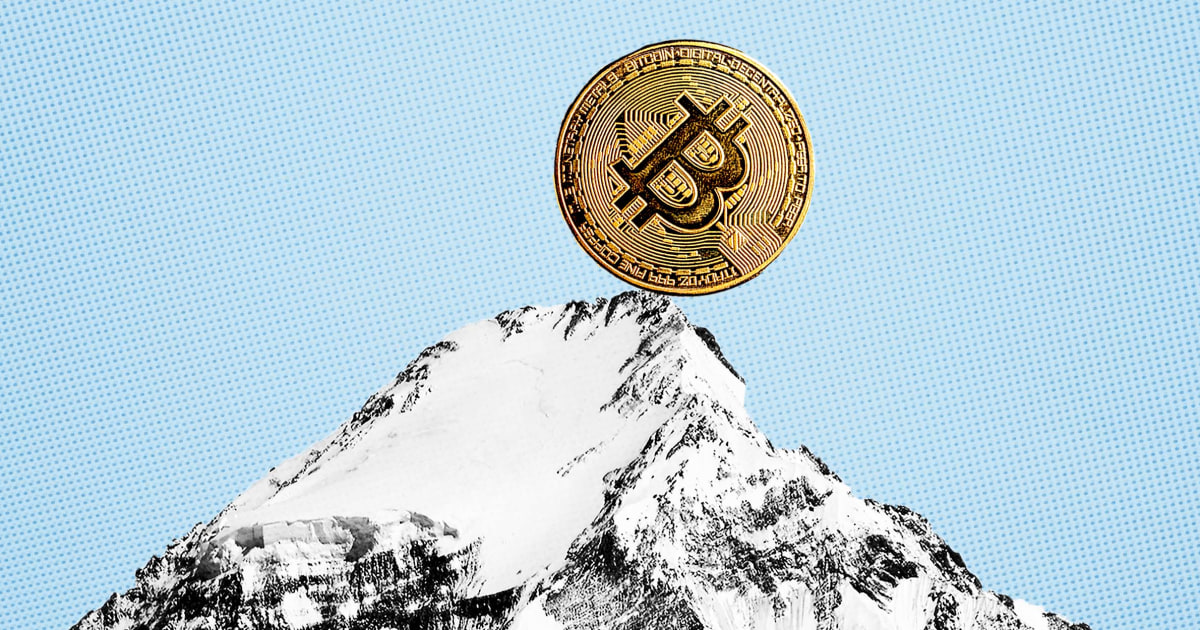
Despite the ongoing collapse of the crypto industry, Bitcoin remains the gold standard in cryptocurrency and is still trading at around $27,000. Its supporters argue that it is a safe haven at a time of global financial unrest. Bitcoin's adoption is growing among people in parts of the world where the banking system is either inconsistent or at the whims of an authoritarian. This need adds to the number of people who see Bitcoin as distinct from the rest of the crypto world, and for now, that appears to be enough to keep it at about $27,000.