Tag

Marinelife

All articles tagged with #marinelife

Future Climate Change Threatens Ocean Life with Acidification and Warming
science1 year ago

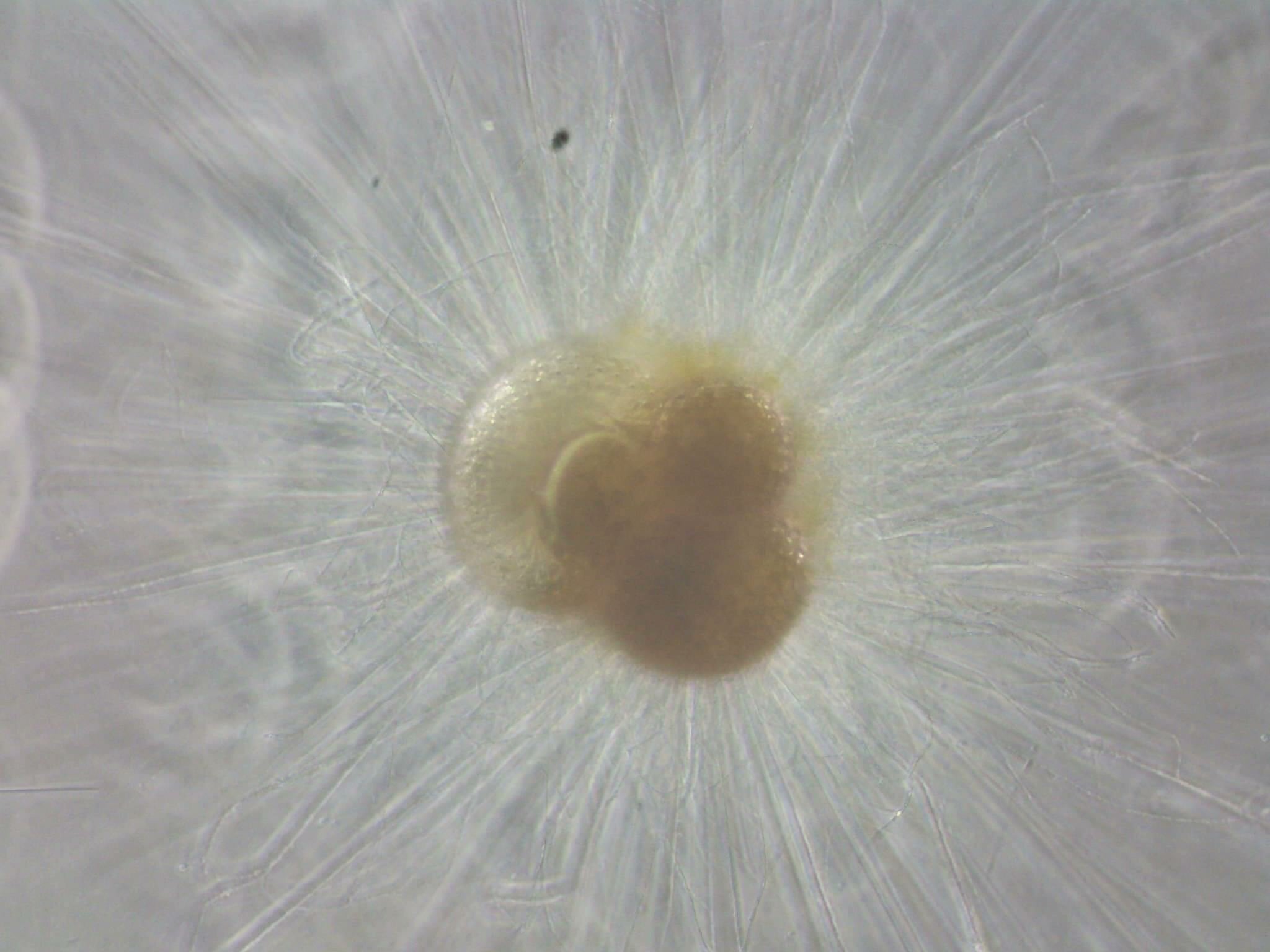
Future Climate Change Threatens Ocean Life with Acidification and Warming

A study by the University of Bristol, published in Nature, warns that marine life, particularly plankton, may struggle to survive future global warming. The research compares ancient plankton responses to past warming with current climate projections, revealing that plankton cannot adapt quickly enough to the rapid temperature rise expected by the century's end. This threatens marine ecosystems and human food supplies, emphasizing the need for urgent global action to limit warming to below 2°C, as outlined in the Paris Agreement.
240-Million-Year-Old 'Dragon' Fossil Discovered
science1 year ago

240-Million-Year-Old 'Dragon' Fossil Discovered

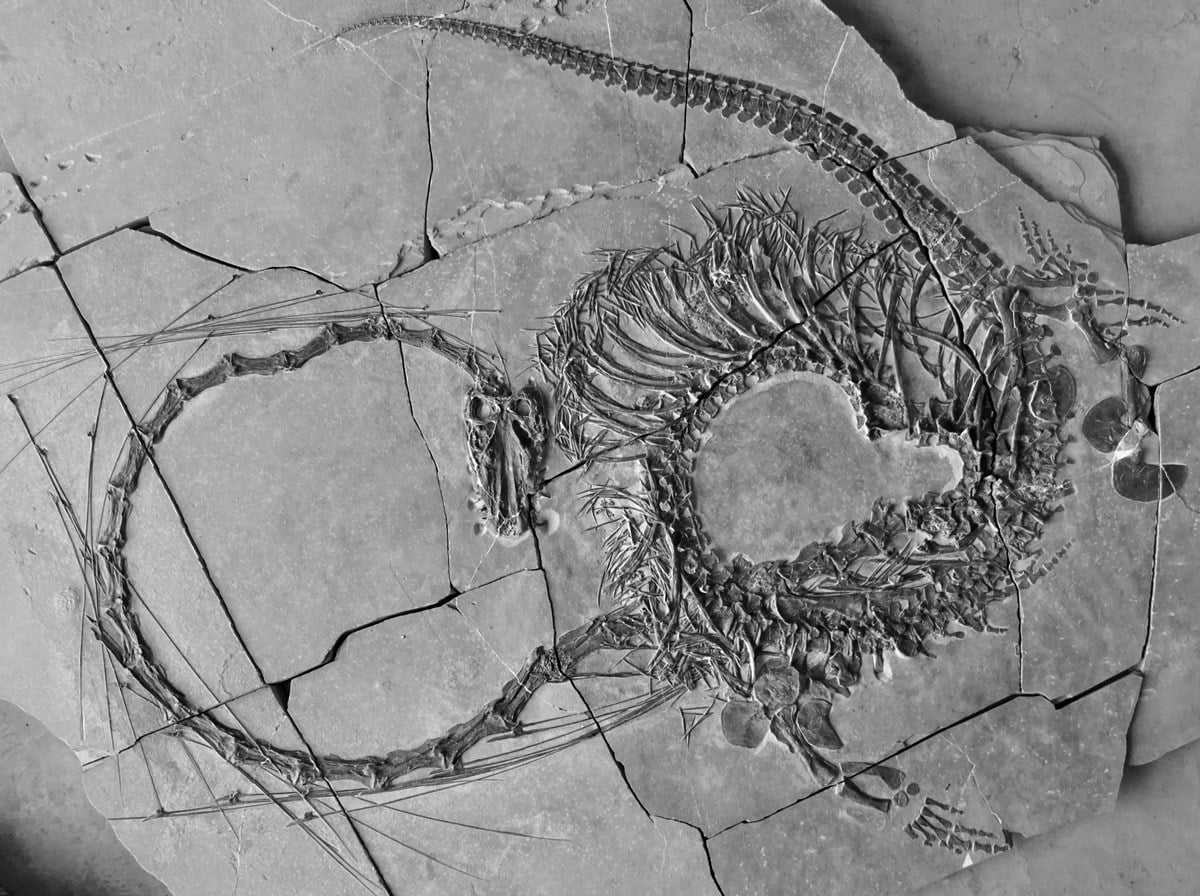
Researchers in China have unveiled the fossils of Dinocephalosaurus orientalis, an ancient marine creature known as the "Chinese dragon," which lived around 240 million years ago during the Triassic period. This creature, notable for its long neck with 32 vertebrae, used its flexible neck and flippered limbs to catch prey in shallow waters. The discovery, detailed in a recent study, highlights the unique adaptations of this species to open waters and adds to the understanding of marine life evolution during the Triassic period.

Mysterious Deaths of Endangered Sawfish Puzzle Experts in Florida
environment1 year ago

Mysterious Deaths of Endangered Sawfish Puzzle Experts in Florida

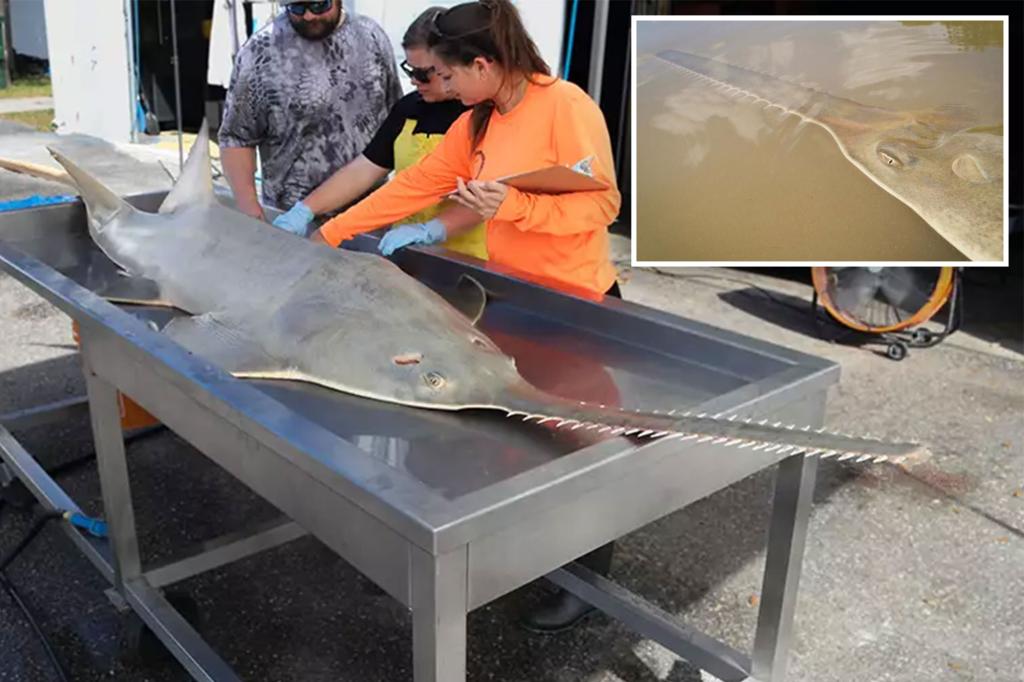
Dozens of endangered smalltooth sawfish have been found dead in the Lower Florida Keys, exhibiting bizarre behavior of "whirling and spinning" onto beaches, leaving experts puzzled. The National Oceanic and Atmospheric Administration has launched an unprecedented "emergency response" to investigate the cause, with at least 109 sawfish affected and 28 killed. Despite necropsies showing no signs of infection or contamination, the cause of this erratic behavior remains a mystery. Efforts are underway to rescue and rehabilitate affected sawfish, while officials urge the public to report any similar behavior.

"Squid Supermom: Stunning Video Shows Black-eyed Squid Adorned with Egg Cape"
science-and-environment2 years ago

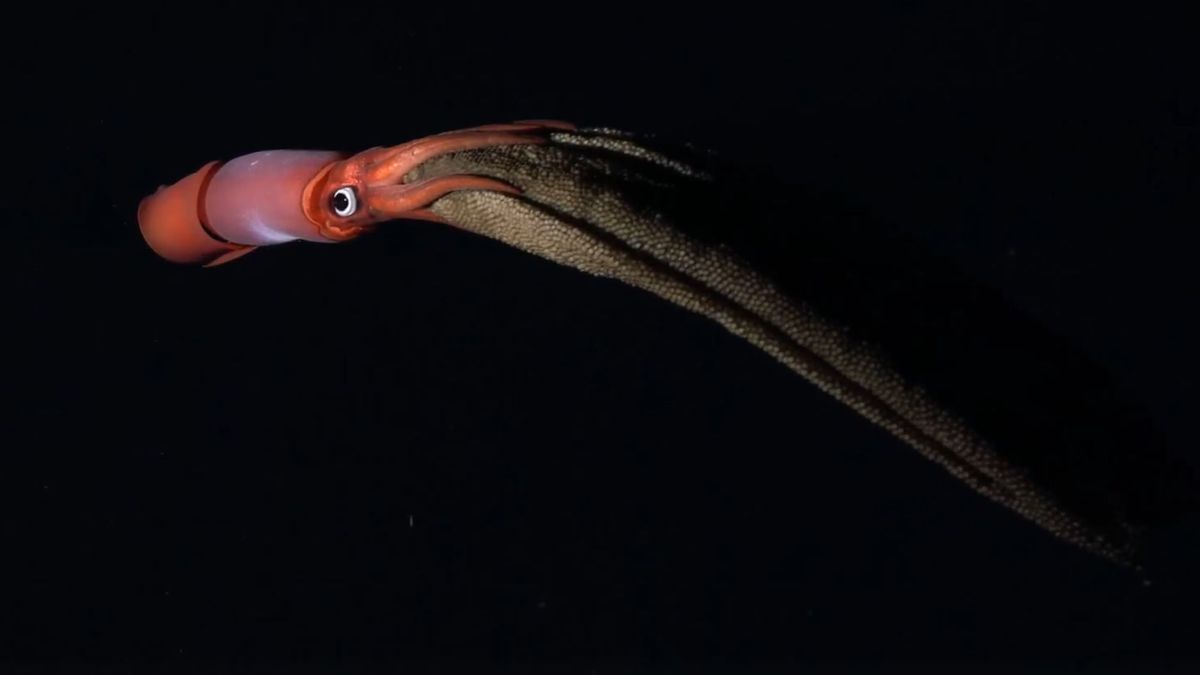
"Squid Supermom: Stunning Video Shows Black-eyed Squid Adorned with Egg Cape"

Researchers on a Schmidt Ocean Institute expedition captured rare footage of a black-eyed squid (Gonatus onyx) off the coast of Costa Rica, carrying thousands of eggs attached to its arms. This sighting challenges the previous belief that squids lay their eggs on the seafloor, as the black-eyed squid is known to brood its eggs in open water, foregoing feeding for several months while it cares for the egg mass. The discovery highlights the unique reproductive behavior of this deep-sea species, which is abundant in the Pacific and Atlantic oceans.

"Squid Supermom Filmed Toting Egg-Cape in Costa Rican Depths"
science-and-environment2 years ago

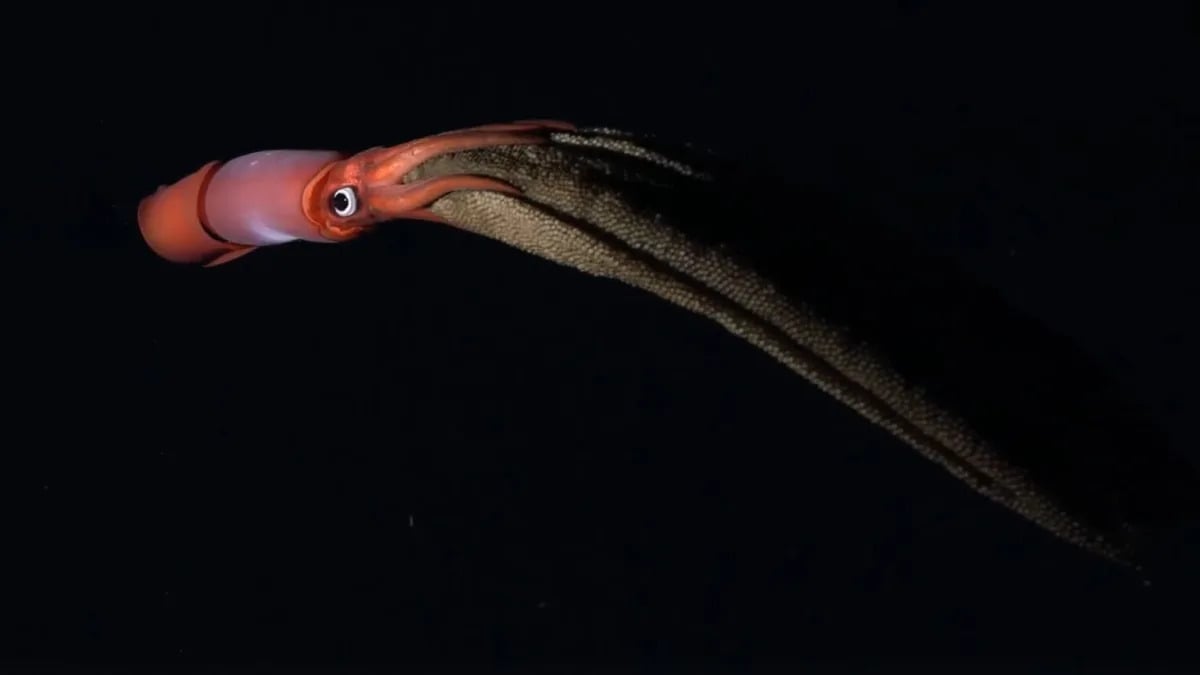
"Squid Supermom Filmed Toting Egg-Cape in Costa Rican Depths"

Researchers captured footage of a black-eyed squid (Gonatus onyx) off the coast of Costa Rica, exhibiting a rare behavior of brooding thousands of eggs attached to its arms. This sighting challenges the previous belief that squids lay their eggs on the seafloor and contradicts the notion that they do not care for their offspring. The squid, which is abundant in the Pacific and Atlantic oceans, carries the eggs until they hatch, foregoing feeding during this period. This discovery provides new insights into the reproductive behaviors of deep-sea cephalopods.

Surviving on 'Snowball Earth': Life Finds a Way.
science2 years ago

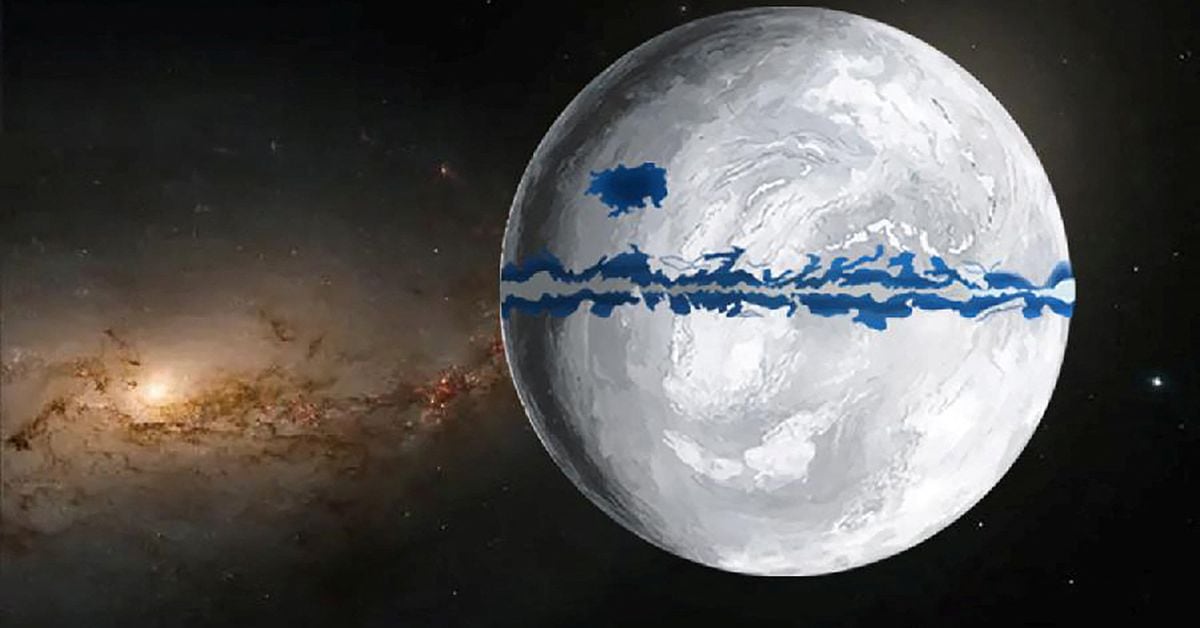
Surviving on 'Snowball Earth': Life Finds a Way.

Fossils of seaweed found in black shale in China's Hubei Province indicate that habitable marine environments were more widespread during the Cryogenian Period than previously known, when Earth twice froze over with runaway glaciation. The findings support the idea that it was more of a "Slushball Earth" where the earliest forms of complex life - basic multicellular organisms - endured even at mid-latitudes previously thought to have been frozen solid. The Cryogenian freeze was much worse than the most recent Ice Age that humans survived, ending roughly 10,000 years ago.