
Surviving on 'Snowball Earth': Life Finds a Way.
TL;DR Summary
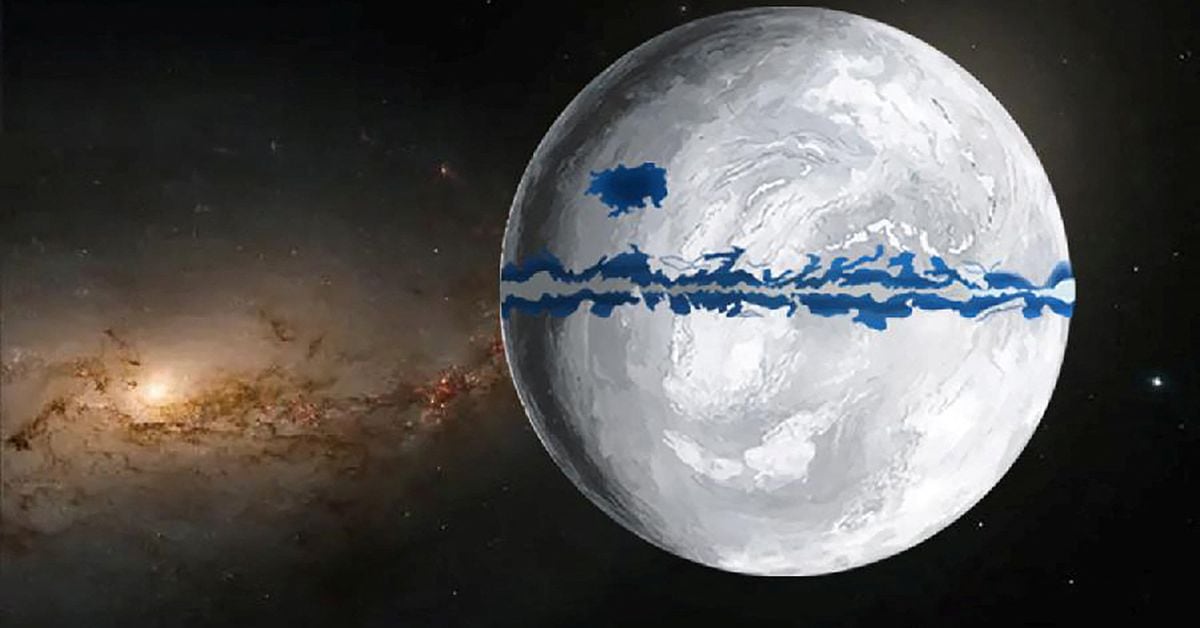
Fossils of seaweed found in black shale in China's Hubei Province indicate that habitable marine environments were more widespread during the Cryogenian Period than previously known, when Earth twice froze over with runaway glaciation. The findings support the idea that it was more of a "Slushball Earth" where the earliest forms of complex life - basic multicellular organisms - endured even at mid-latitudes previously thought to have been frozen solid. The Cryogenian freeze was much worse than the most recent Ice Age that humans survived, ending roughly 10,000 years ago.
Reading Insights
Total Reads
0
Unique Readers
1
Time Saved
3 min
vs 4 min read
Condensed
86%
640 → 90 words
Want the full story? Read the original article
Read on Reuters