
Tag

Marine Invertebrates

All articles tagged with #marine invertebrates

"Unveiling the Astonishing Secrets of a 500-Million-Year-Old Marine Invertebrate Fossil"
paleontology2 years ago

"Unveiling the Astonishing Secrets of a 500-Million-Year-Old Marine Invertebrate Fossil"

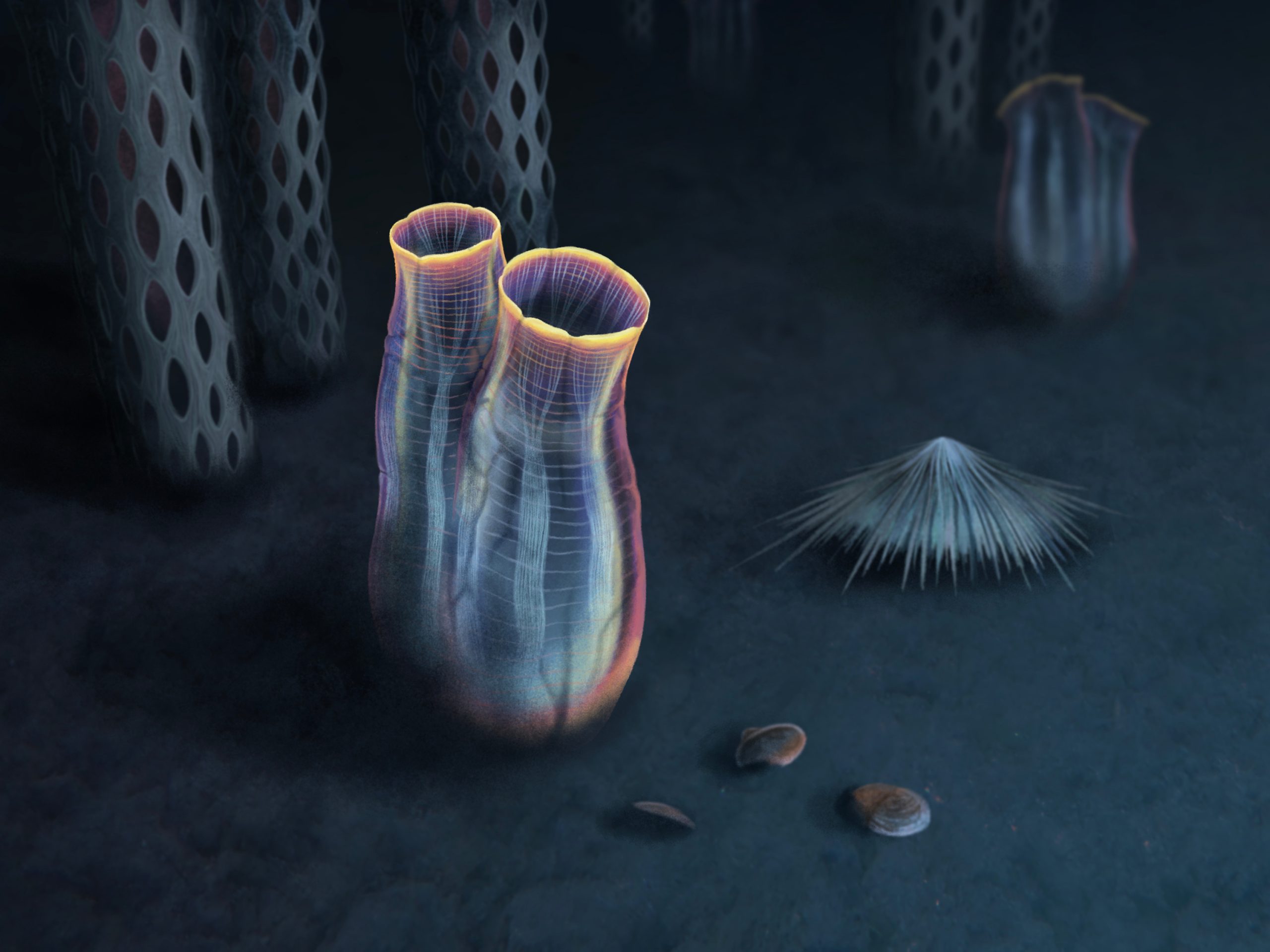
Researchers have discovered a 500-million-year-old fossil of a tunicate, a strange marine invertebrate, shedding light on the ancestral lifestyle and evolutionary origins of these creatures. The fossil, named Megasiphon thylakos, reveals that ancestral tunicates were stationary, filter-feeding adults that likely underwent metamorphosis from a tadpole-like larva. Tunicates are the closest relatives of vertebrates, making their study crucial for understanding our own evolutionary origins. M. thylakos is the oldest definitive tunicate fossil with soft tissue preservation, providing valuable insights into the anatomy and early evolutionary history of these enigmatic creatures. The discovery was made in the middle Cambrian Marjum Formation in Utah, which has the potential to reveal more secrets about ancient animal groups.
From Ocean Floor to Success: The Rise of Sea Squirts
paleontology2 years ago

From Ocean Floor to Success: The Rise of Sea Squirts

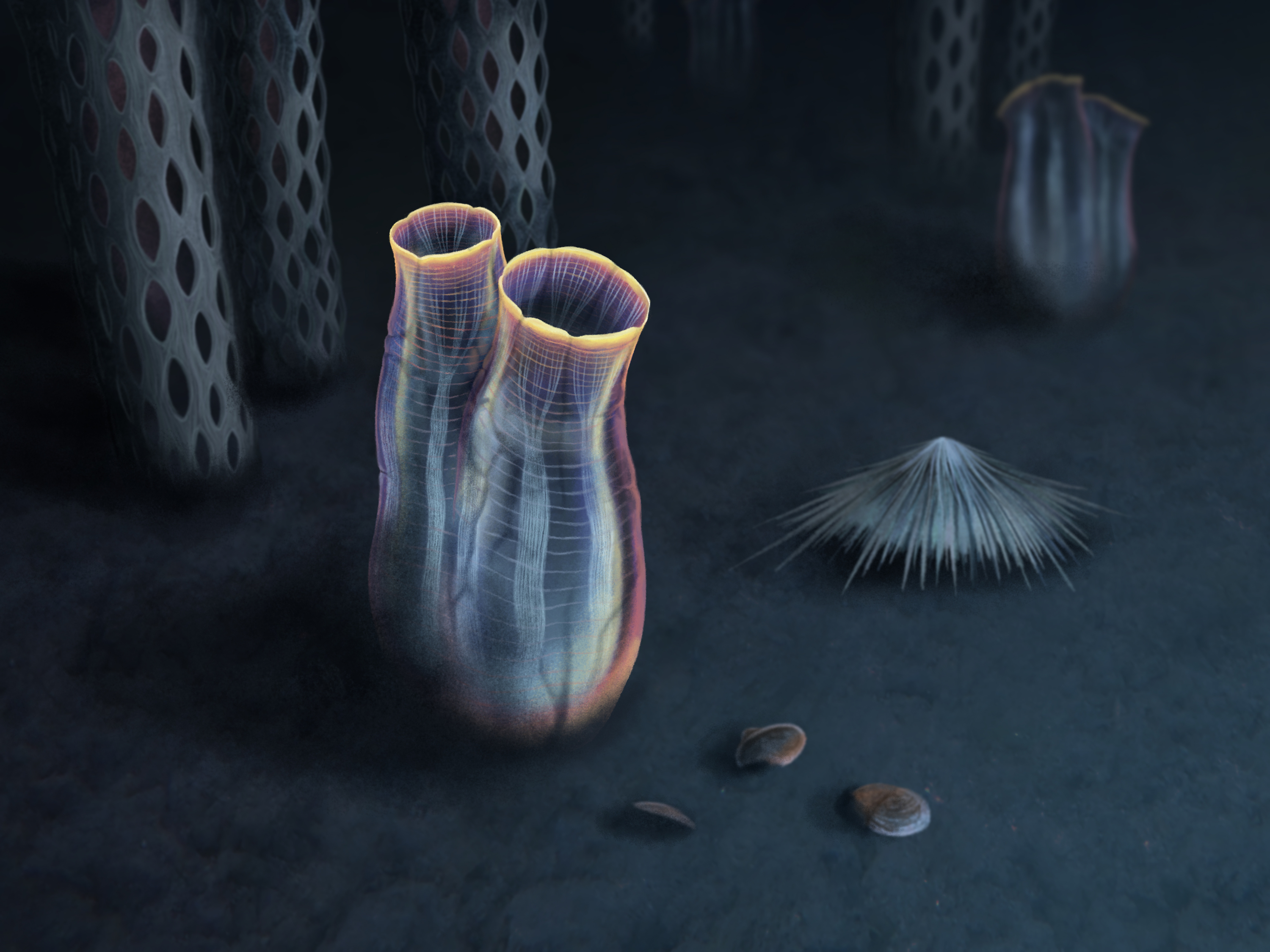
Researchers have discovered a 500-million-year-old fossil, named Megasiphon thylakos, that closely resembles a modern sea squirt, providing evidence that the ancestors of tunicates were bottom-dwellers. This finding pushes back the origin of the basic vertebrate body plan by 50 million years. The fossil's well-preserved soft tissues, including muscle structures and two siphons, strongly suggest that it is a tunicate. The discovery raises questions about the scarcity of tunicate fossils and the evolution of their different lifestyles.

Ancient Fossil Unveils Startling Tunicate Origins
paleontology2 years ago

Ancient Fossil Unveils Startling Tunicate Origins

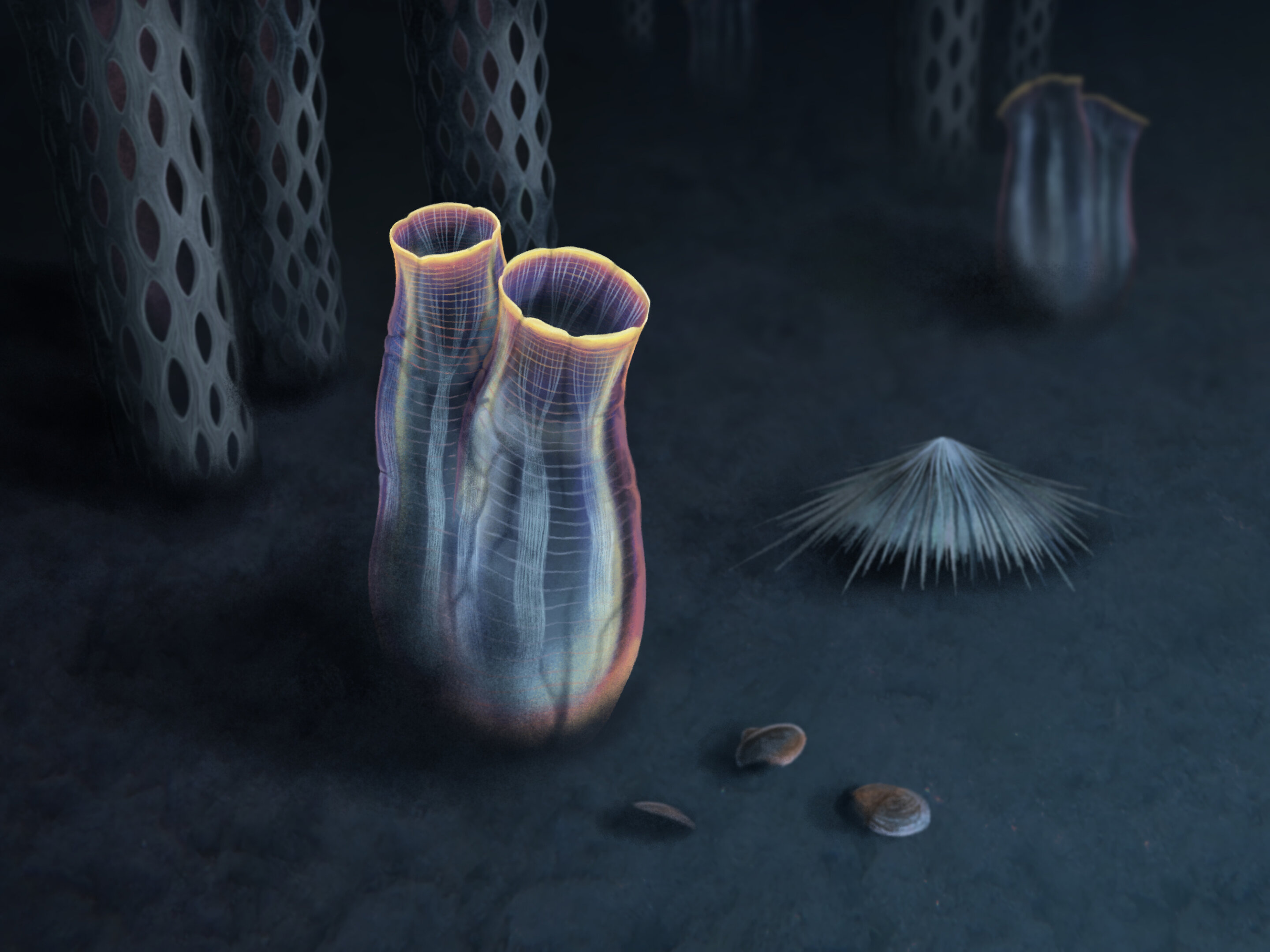
The discovery of a 500-million-year-old fossil named Megasiphon thylakos sheds light on the origins of tunicates, a group of marine invertebrates closely related to vertebrates. The fossil reveals that ancestral tunicates lived as stationary, filter-feeding adults and underwent metamorphosis from a tadpole-like larva. The fossil, found in Utah's Marjum Formation, is the oldest definitive tunicate fossil with soft tissue preservation and provides valuable insights into the early evolutionary history of this enigmatic group. The discovery suggests that the basic body plan of tunicates was already established soon after the Cambrian Explosion, a major evolutionary event.