
From Ocean Floor to Success: The Rise of Sea Squirts
TL;DR Summary
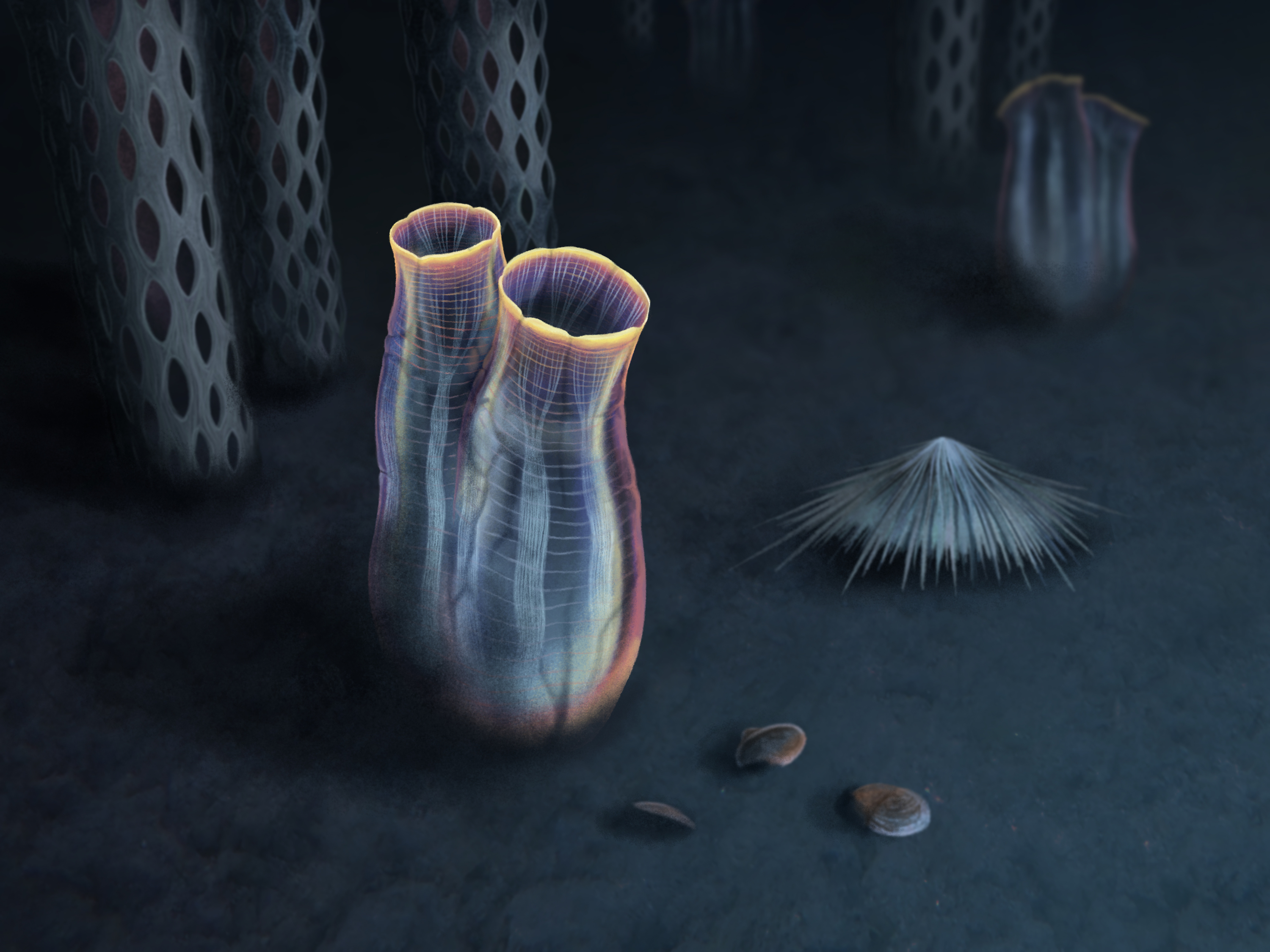
Researchers have discovered a 500-million-year-old fossil, named Megasiphon thylakos, that closely resembles a modern sea squirt, providing evidence that the ancestors of tunicates were bottom-dwellers. This finding pushes back the origin of the basic vertebrate body plan by 50 million years. The fossil's well-preserved soft tissues, including muscle structures and two siphons, strongly suggest that it is a tunicate. The discovery raises questions about the scarcity of tunicate fossils and the evolution of their different lifestyles.
Reading Insights
Total Reads
0
Unique Readers
6
Time Saved
6 min
vs 7 min read
Condensed
94%
1,236 → 76 words
Want the full story? Read the original article
Read on Defector