
Ancient Fossil Unveils Startling Tunicate Origins
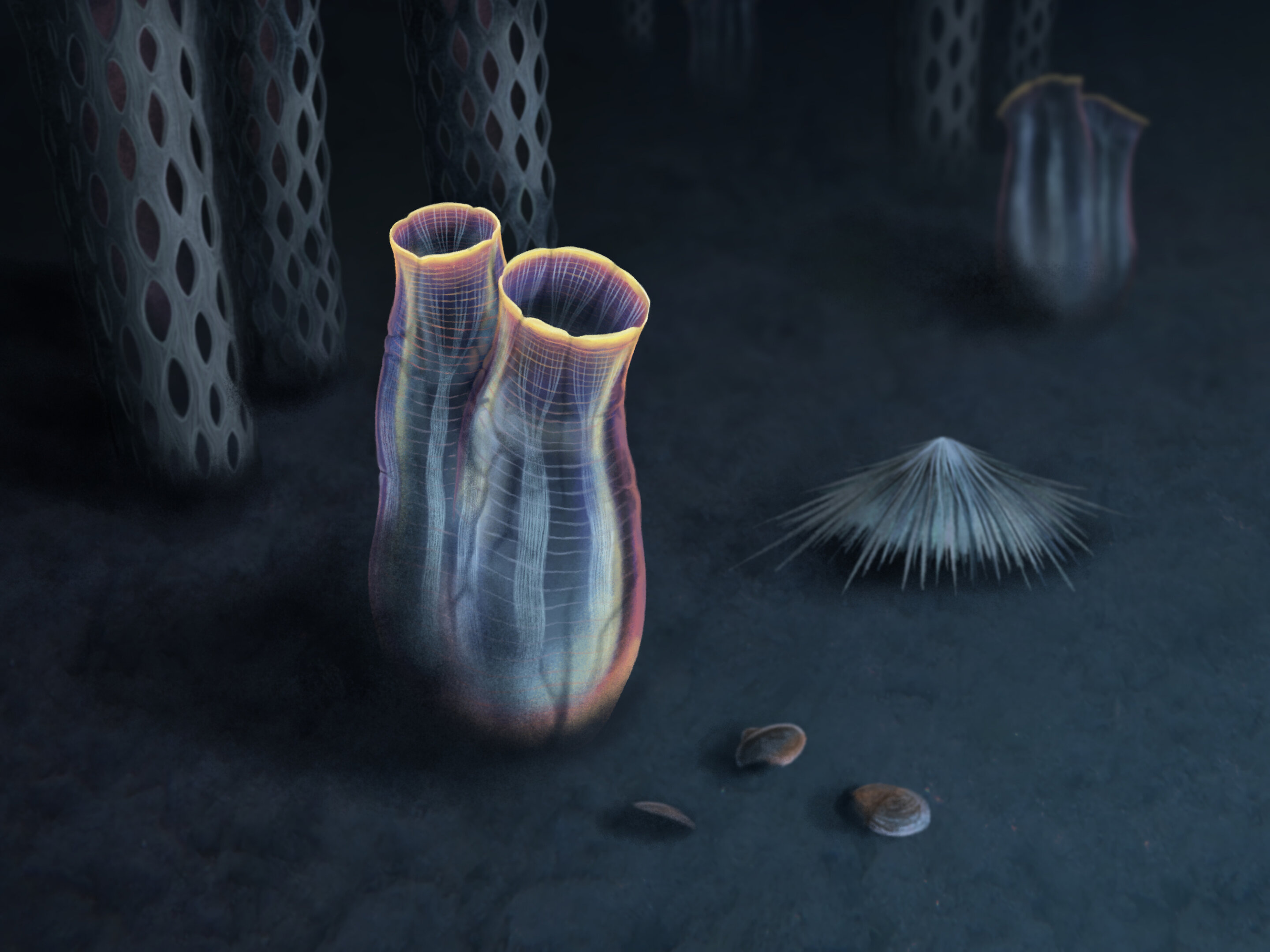
The discovery of a 500-million-year-old fossil named Megasiphon thylakos sheds light on the origins of tunicates, a group of marine invertebrates closely related to vertebrates. The fossil reveals that ancestral tunicates lived as stationary, filter-feeding adults and underwent metamorphosis from a tadpole-like larva. The fossil, found in Utah's Marjum Formation, is the oldest definitive tunicate fossil with soft tissue preservation and provides valuable insights into the early evolutionary history of this enigmatic group. The discovery suggests that the basic body plan of tunicates was already established soon after the Cambrian Explosion, a major evolutionary event.
Reading Insights
0
6
6 min
vs 7 min read
93%
1,341 → 95 words
Want the full story? Read the original article
Read on Phys.org