Retired Justice Stephen G. Breyer, in a new book and interview, expressed concern over the direction of the Supreme Court, particularly its 2022 decision in Dobbs v. Jackson Women’s Health Organization, which eliminated the constitutional right to abortion. Breyer criticized the decision as naive and warned that the hope of leaving the abortion question to legislatures instead of courts will not be realized. He emphasized the importance of pragmatism in constitutional interpretation and urged for a reevaluation of the Court's direction.
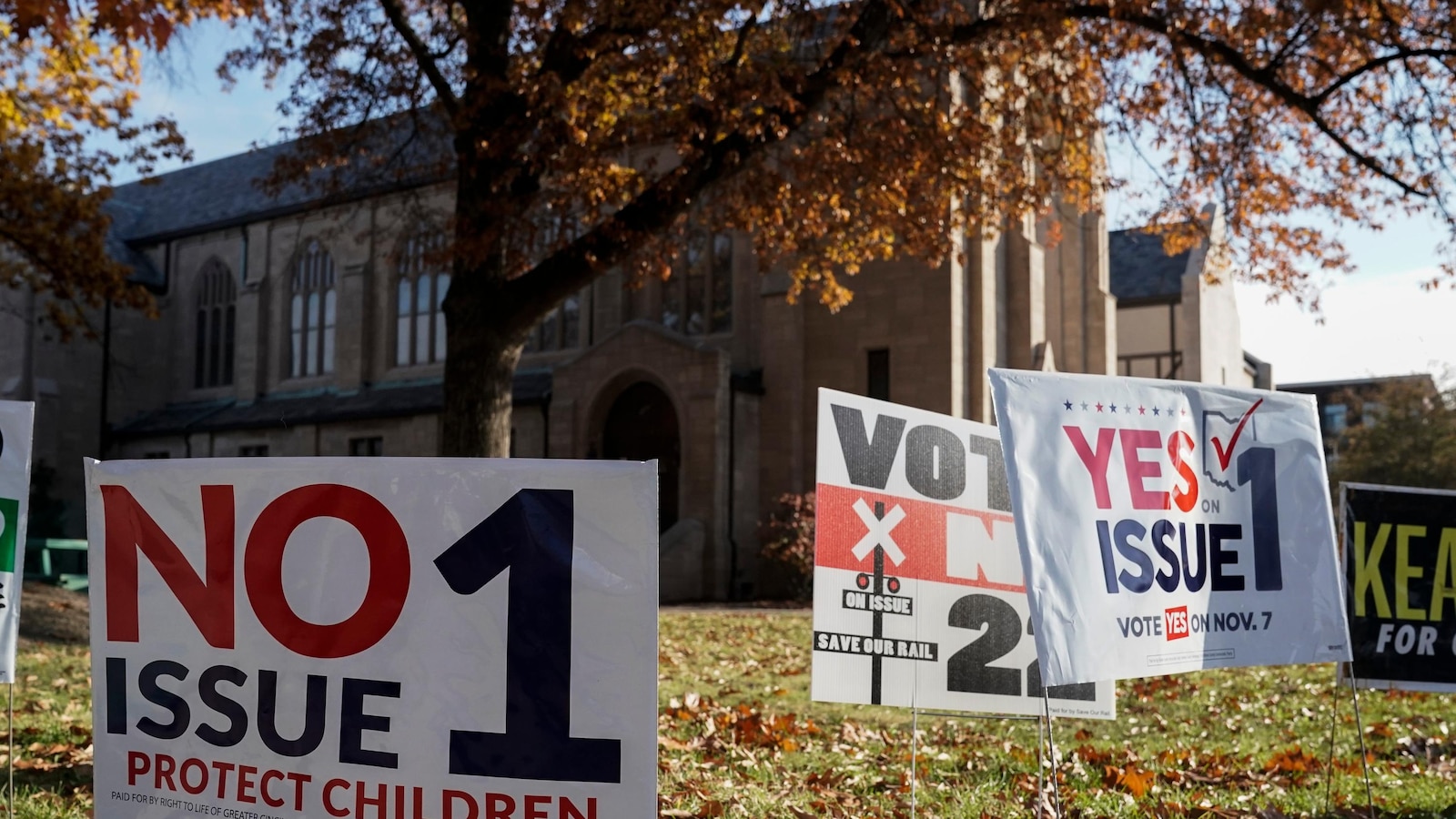
Anti-abortion activists are gathering for their annual March for Life amid challenges, including a seven-state losing streak in votes on abortion-related ballot measures and a shift in decision-making on abortion policy to individual states following the Supreme Court’s Dobbs v. Jackson Women’s Health Organization ruling. The theme of this year’s march is “Pro Life: With Every Woman, For Every Child,” aiming to convey support for women facing unexpected pregnancies. Both sides of the abortion debate are determined, with uncertainty surrounding the inconsistent adjudication of abortion-related cases in federal and state courts, and concerns about potential federal and state legislative actions.
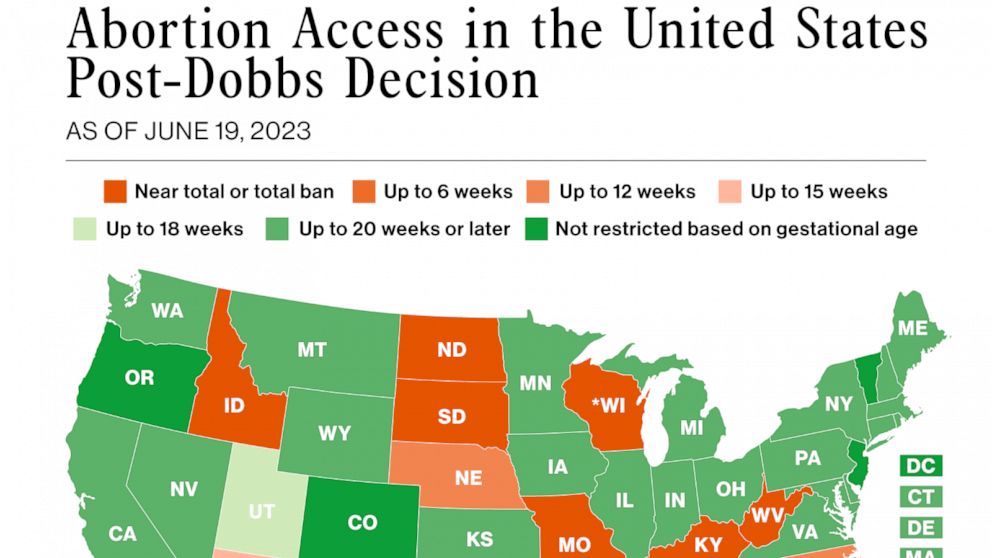
One year after the Dobbs v. Jackson Women’s Health Organization decision, which overturned Roe v. Wade, abortion access in the US has become increasingly restricted. Abortion laws vary widely across states, with some banning the procedure altogether and others allowing it with few restrictions. Medication abortion is the most common form of abortion in the US, but access to it is also being restricted. Abortion is a safe procedure, but denying access to it can have dire consequences. Public opinion on abortion is complex, with most Americans supporting access to legal abortion but also supporting some restrictions. The prevalence of abortion since Dobbs is difficult to track, but there is evidence that abortions done in US clinics and hospitals have declined.
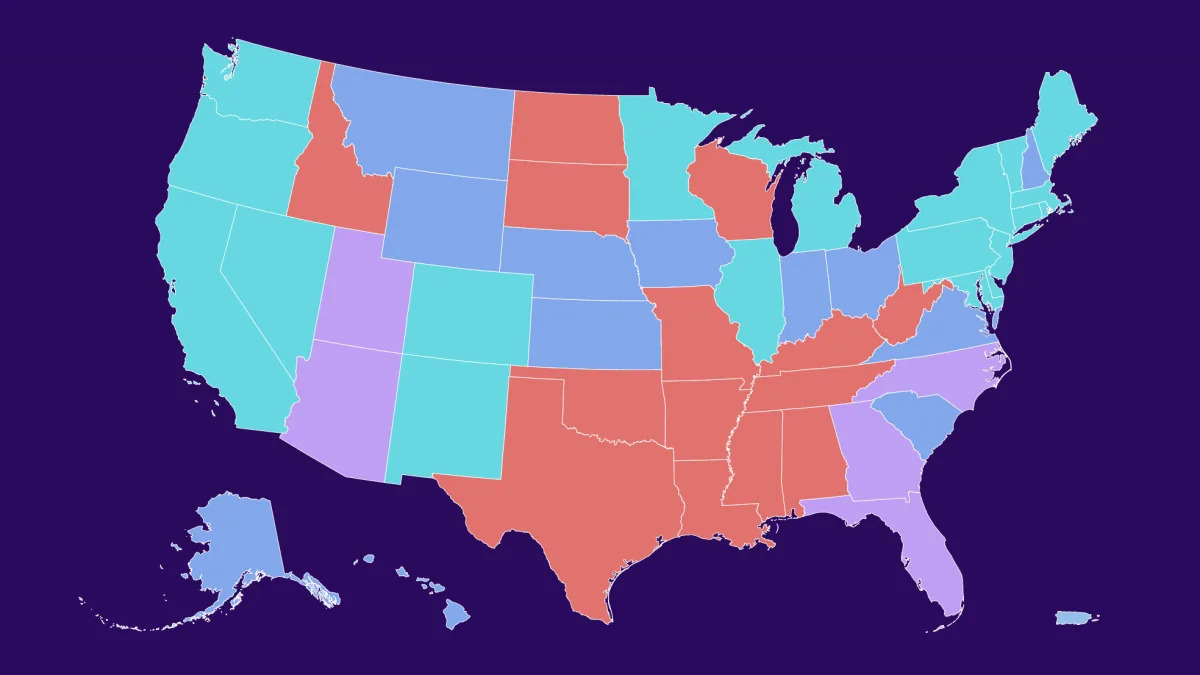
One year after the Supreme Court overturned Roe v. Wade, at least 15 states have ceased nearly all abortion services, and 13 states have near-total or total abortion bans. The number of abortions per month in each state, compared to the averages before Dobbs, rose or fell depending on the legal status of abortion in the state. However, support for abortion has increased, especially in the first trimester, and abortion providers in states where the procedure remains legal have seen an increase in patients. Nearly 700 abortion bills have been introduced in state legislatures across the country, with 25 measures enacted restricting abortion access and 30 protecting and expanding abortion access.
Nebraska has become the latest state to pass post-Roe abortion restrictions with a 12-week ban, signed into law by Republican Governor Jim Pillen. Exceptions are made for rape, incest, and when the mother's life is in danger. Since the Supreme Court overturned Roe v. Wade last summer, 18 Republican states have passed "trigger laws" outlawing abortion, and eight other Republican-led states have enacted new laws that outlaw abortion at various stages of pregnancy.
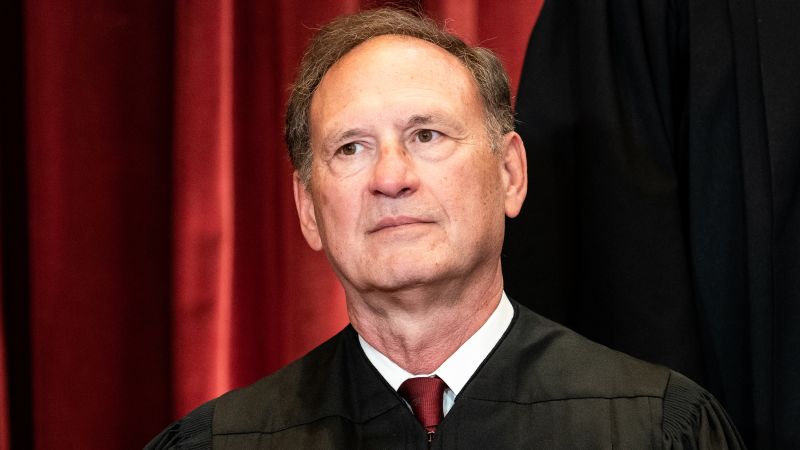
Justice Samuel Alito has said that he has a "pretty good idea" who was responsible for the leak of a draft opinion of a Supreme Court ruling last year, suggesting it was someone who opposed reversing the Roe v. Wade precedent that protected abortion rights nationwide. Alito dismissed the idea that the draft was leaked by one of the five conservative justices who were in the majority of the ruling. The Supreme Court in a January statement called the disclosure a "grave assault on the judicial process."