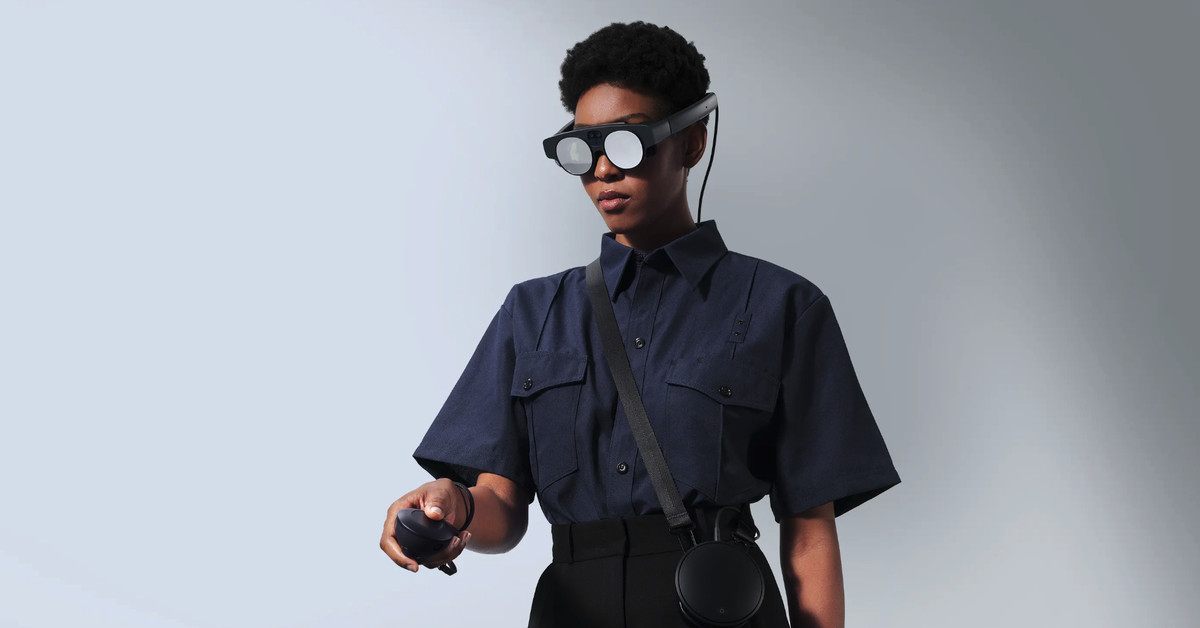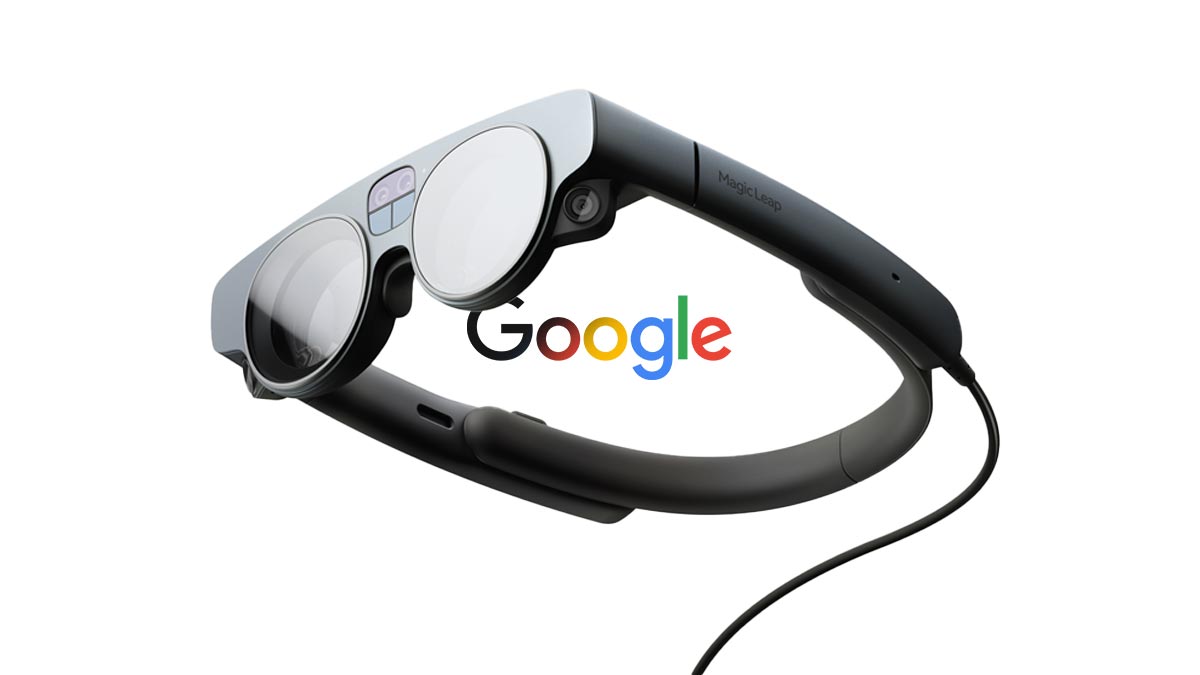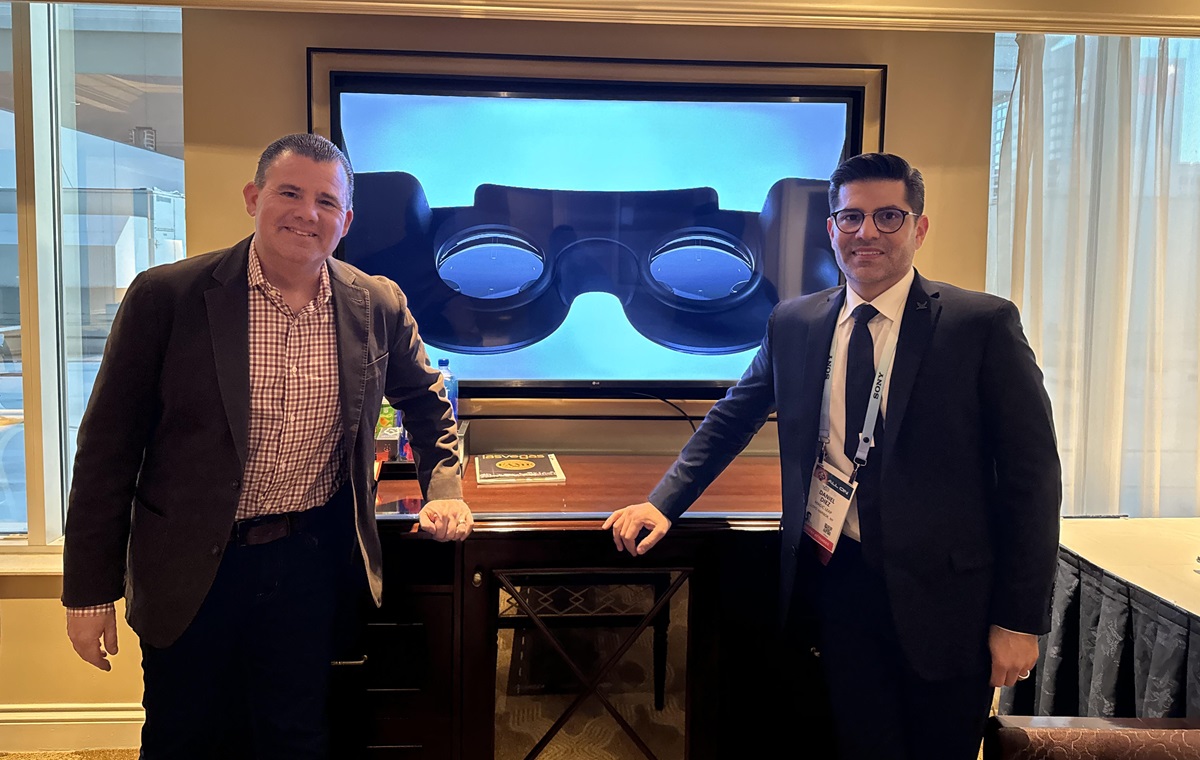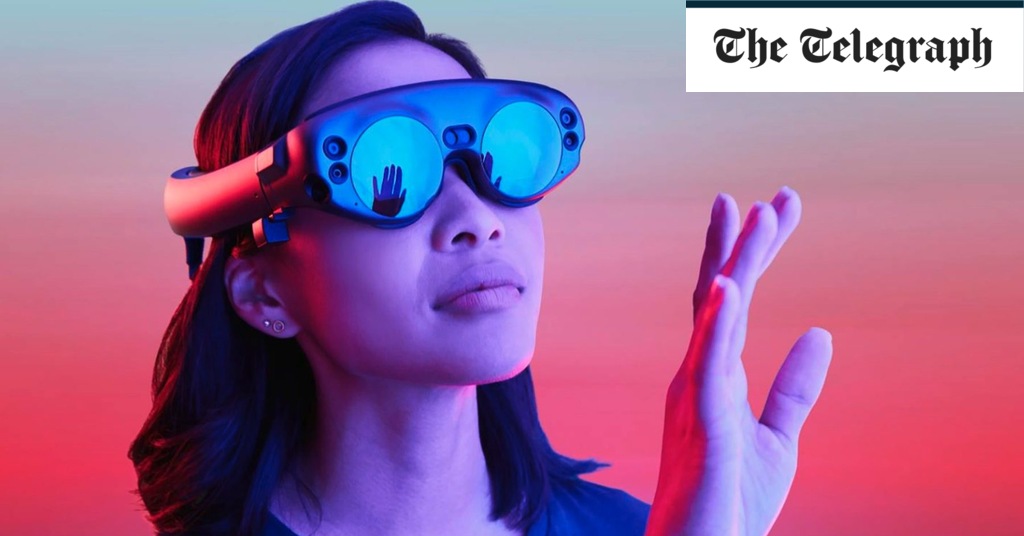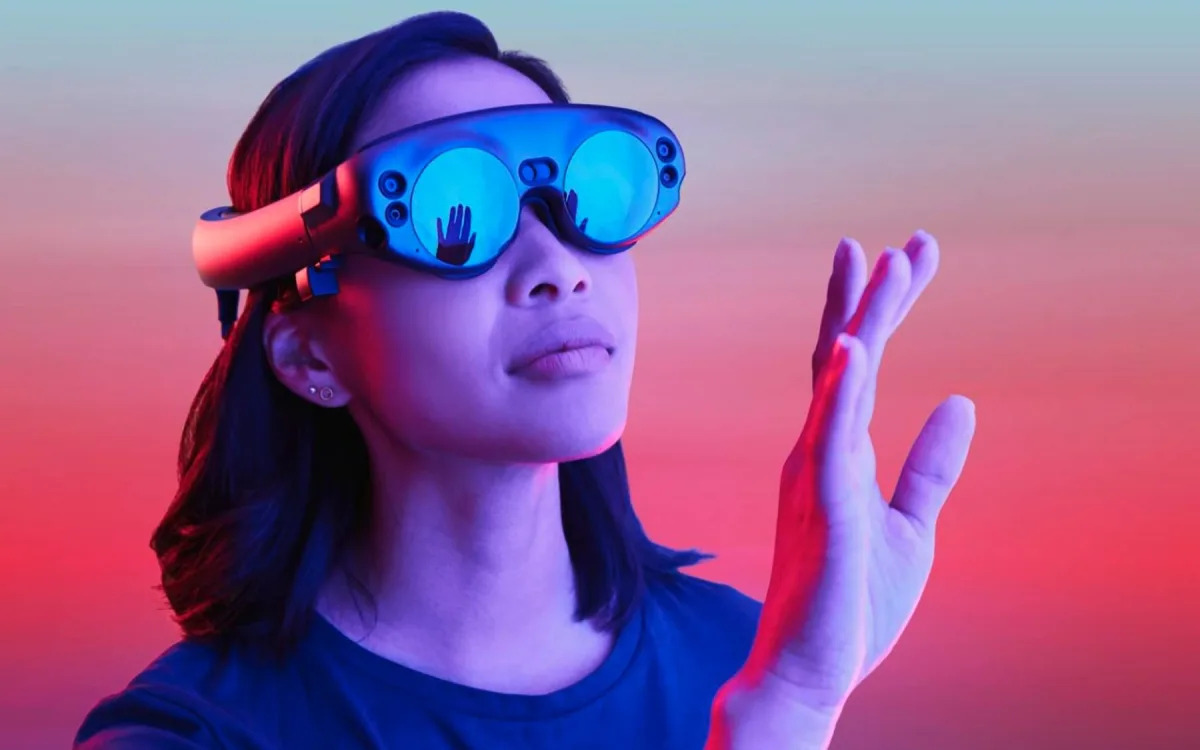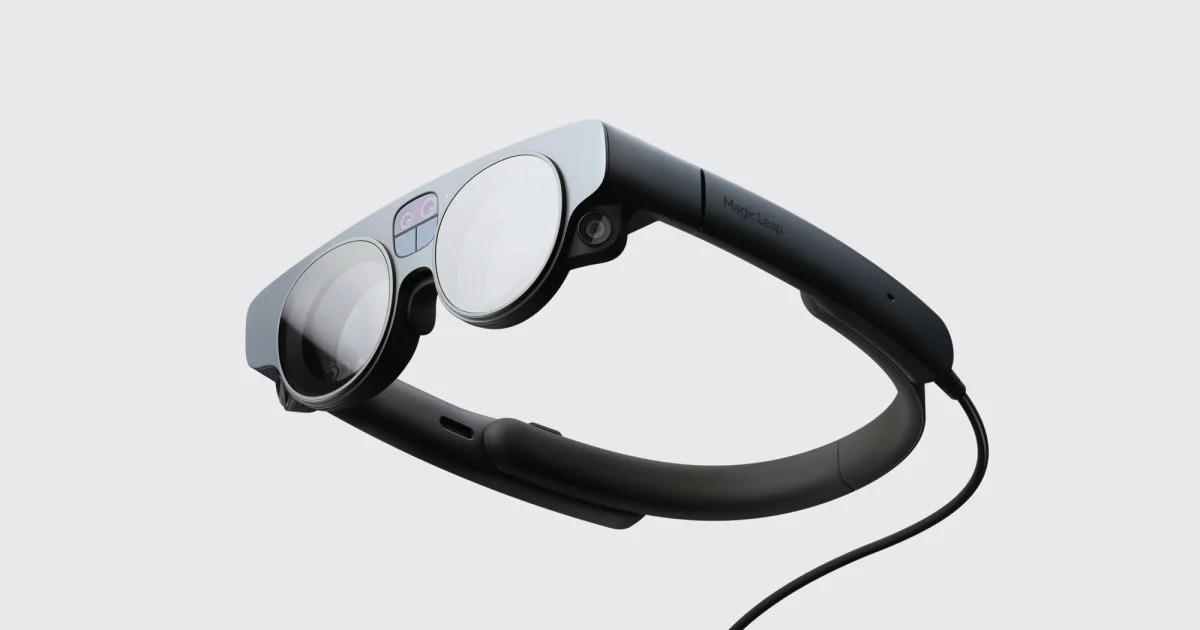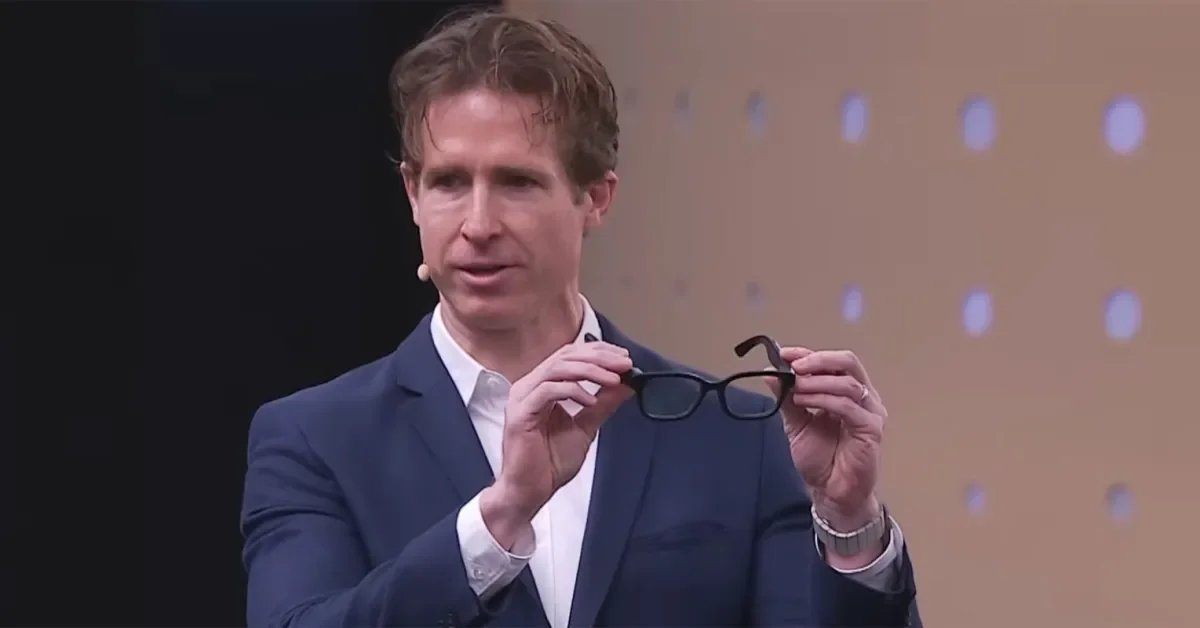
Google has extended its three-year partnership with Magic Leap to develop Android XR glasses, showcasing a new prototype that integrates Magic Leap's AR technology with Google's Raxium microLED light engine, aiming to create stylish, comfortable smart eyewear that blends digital content seamlessly into the real world.
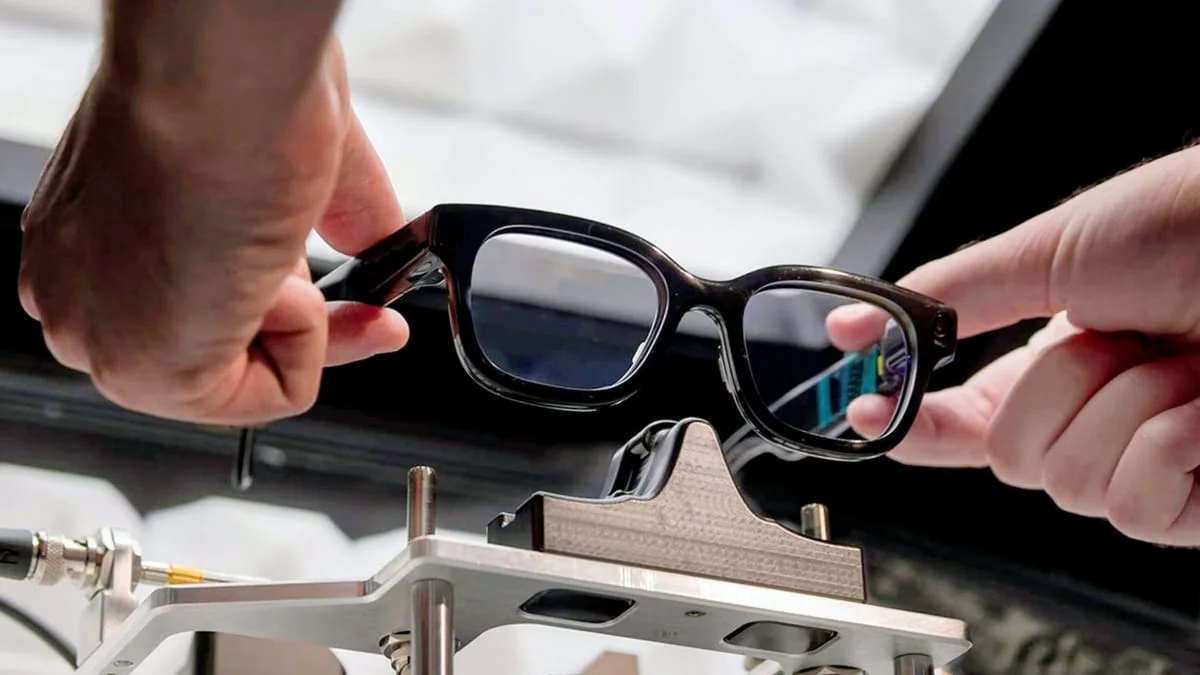
Magic Leap and Google have extended their three-year partnership, showcasing a prototype HUD glasses design that leverages Magic Leap's optics and waveguide technology, with plans for hardware companies to license this tech to develop high-quality AR glasses, potentially competing with Meta and Samsung in the AR market.
Magic Leap has unveiled a prototype of Android XR smart glasses, extending its partnership with Google to develop display technologies for wearable AR, aiming to enhance all-day usability, as part of its shift from consumer to enterprise markets amid ongoing innovation and investment.
Google and Magic Leap have announced a strategic partnership to advance the XR ecosystem, leveraging Magic Leap's expertise in optics and manufacturing. While details are scarce, the collaboration aims to develop innovative AR glasses, despite both companies' past struggles in the AR/VR market. This move follows Google's previous mystery deal with Samsung and Qualcomm for a headset, indicating ongoing interest in augmented reality technologies.
Google has formed a strategic technology partnership with Magic Leap to advance its AR headset technology, focusing on optics. This collaboration aims to help Google compete with Meta and Apple in the AR market by leveraging Magic Leap's expertise in optics and manufacturing. The partnership may result in Google developing its own AR headset using Magic Leap's technology, while Magic Leap continues its enterprise-focused business.
Google has announced a strategic technology partnership with Magic Leap, focusing on Magic Leap's expertise in optics and manufacturing. This collaboration aims to enhance immersive experiences by combining Magic Leap's technology with Google's platforms. Despite the partnership, Google's collaboration with Samsung remains unaffected. The specifics of the partnership are still vague, but it could involve integrating Magic Leap's display technology into Google's AR hardware projects.
Magic Leap and Google have announced a strategic technology partnership that combines Magic Leap's expertise in optics and manufacturing with Google's technology platforms. This collaboration could potentially help Magic Leap reenter the consumer market by leveraging Google's services and software capabilities. The partnership follows Magic Leap's pivot to enterprise-focused AR solutions and suggests a shift from previous talks with Meta.
Google and augmented reality startup Magic Leap have announced a strategic partnership to develop immersive experiences that blend physical and digital worlds. This collaboration combines Magic Leap's expertise in optics and device manufacturing with Google's technology platforms, signaling Google's potential re-entry into the AR/VR market. The partnership aims to explore various applications, including AI integrations, although specific consumer products have not been confirmed.
Magic Leap executives believe that the metaverse needs to align with real-world needs to take off, emphasizing the integration of digital experiences into the physical world. Despite a recent decline in venture investment, the industry shows promise with the rise of metaverse tokens and a bullish market for AR/VR. The company aims to redefine the metaverse as a tool for enhancing physical experiences rather than escaping reality, as global spending on AR/VR is projected to increase significantly by 2026.
Magic Leap has received an additional $590 million in funding from Saudi Arabia’s Public Investment Fund, just as Apple prepares to launch its mixed-reality goggles. The company's new CEO, Ross Rosenberg, and CTO, Daniel Diez, discussed the future of Magic Leap, emphasizing its focus on solving customer problems and commercial adoption of its technology. They highlighted the device's applications in healthcare, military, and industrial settings, and its unique capabilities in spatial computing. Additionally, they addressed the company's roadmap for technology expansion and the potential impact of advances in AI.
Saudi Arabia's sovereign wealth fund has invested $590m into Magic Leap, a US company developing a virtual reality headset to rival Apple's Vision Pro goggles. This investment comes as Apple prepares to launch its Vision Pro headset, competing with Magic Leap and Meta in the virtual and augmented reality market. Magic Leap, which has struggled commercially, has now raised over $4.5bn in total funding, with Saudi Arabia becoming its majority owner two years ago. The company has shifted its focus towards corporate customers and has explored licensing its technology to other tech giants like Meta.
Saudi Arabia's sovereign wealth fund has invested $590 million into Magic Leap, a US company developing a virtual reality headset to compete with Apple's Vision Pro goggles. Apple is set to launch its Vision Pro headset on Friday, entering the race with Magic Leap and Meta to develop virtual and augmented reality devices. Magic Leap, which has struggled commercially, has now raised over $4.5 billion in total funding, with Saudi Arabia becoming its majority owner two years ago. The company has shifted its focus from consumers to corporate customers and has explored licensing its technology to other tech giants like Meta.
Meta is reportedly in talks with Magic Leap to sign a multi-year IP licensing and manufacturing pact, which could see Magic Leap provide Meta with access to some of its optical tech and assist with manufacturing Meta devices. The partnership could help Meta stay ahead of new entrants in the AR space, such as Apple, and produce more of its VR headsets domestically.
Facebook's parent company, Meta, is reportedly in talks with augmented reality (AR) firm Magic Leap over a potential deal. The negotiations are said to be in the early stages, but could result in Meta acquiring Magic Leap or forming a partnership to develop AR technology.