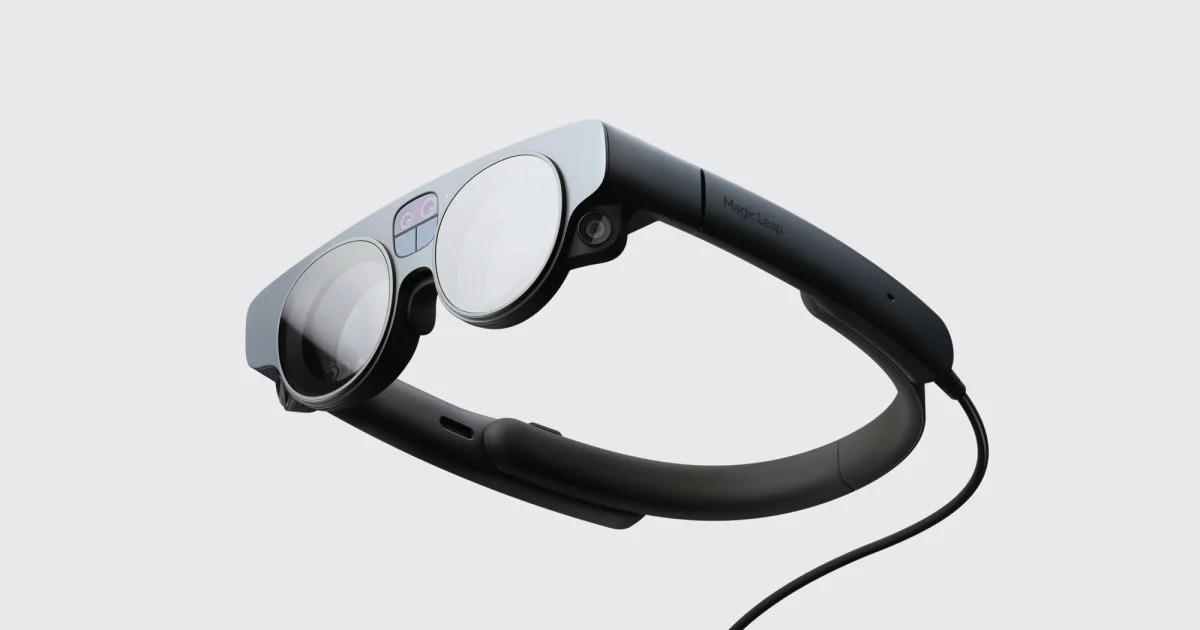
Google has extended its three-year partnership with Magic Leap to develop Android XR glasses, showcasing a new prototype that integrates Magic Leap's AR technology with Google's Raxium microLED light engine, aiming to create stylish, comfortable smart eyewear that blends digital content seamlessly into the real world.

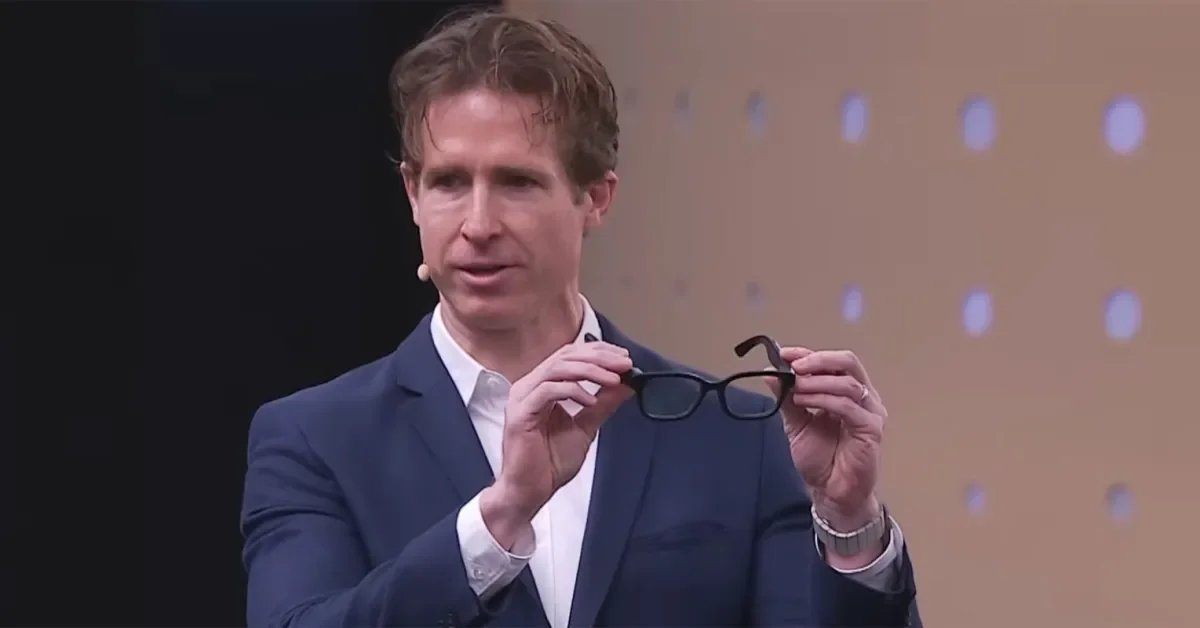
Meta is launching pop-up locations in major cities like Burlingame, Las Vegas, Los Angeles, and New York to offer demos of its new Ray-Ban Display smart glasses, which feature a display and gesture controls. Appointments are filling up quickly, and interested users can also find demos at select retailers such as Sunglass Hut and LensCrafters. The glasses are priced at around $800, and the experience aims to showcase Meta's latest AR technology.
A Swedish startup, Fibbl, is revolutionizing online shopping by providing affordable and rapid 3D product scans, enhancing customer engagement and potentially increasing sales through interactive models and augmented reality features, with companies like Samsonite and Kybun Joya already benefiting from this technology.
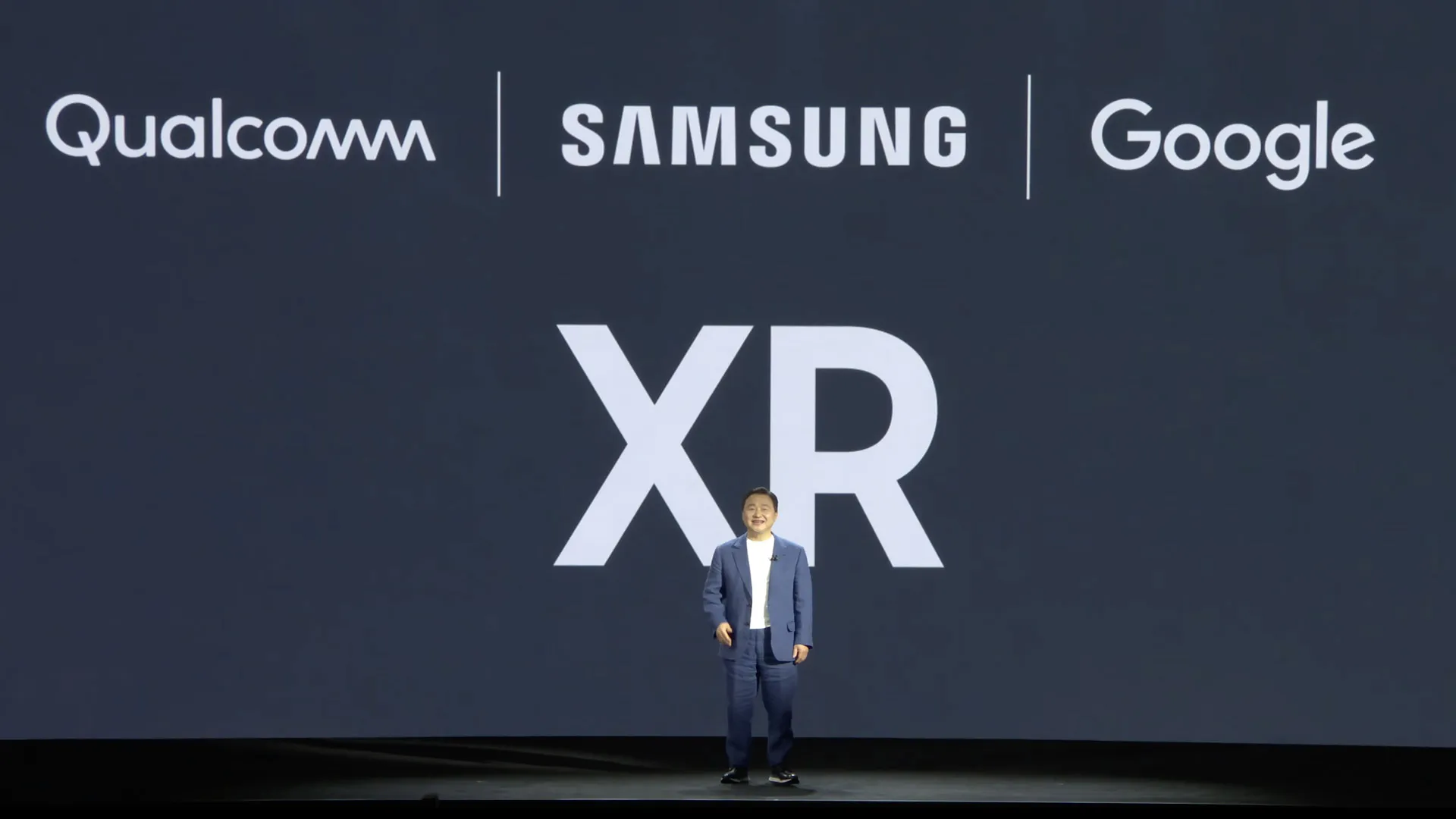
Samsung is reportedly set to unveil new smart glasses at its upcoming Galaxy S25 Unpacked event in January, according to a Yonhap News report. These glasses, developed in collaboration with Google and Qualcomm, are expected to feature payment, gesture, and facial recognition functions, and weigh around 50g. While described as "AR glasses," their functionality may align more closely with smart glasses like Ray-Ban Meta, focusing on data access rather than immersive imagery. The product is anticipated to launch in Q3 2025, with its Android-powered XR software debuting this month.
Meta is reportedly in talks with Magic Leap to sign a multi-year IP licensing and manufacturing pact, which could see Magic Leap provide Meta with access to some of its optical tech and assist with manufacturing Meta devices. The partnership could help Meta stay ahead of new entrants in the AR space, such as Apple, and produce more of its VR headsets domestically.
Niantic, the developer of Pokémon GO, is creating a new mobile game called Monster Hunter Now, which will allow players to hunt monsters in the real world using AR technology. The game will launch in September 2023, with a Closed Beta starting on April 25th. Capcom is looking to make a mark in the mobile gaming industry with its popular IP, as another Monster Hunter mobile game is also in development.
Niantic and Capcom are teaming up to launch Monster Hunter Now, a location-based mobile game that builds upon the formula of previous Niantic titles such as Pokémon Go. The game is set to launch in September and will feature AR mode, different ecological zones, and multiplayer options. Niantic hopes to differentiate the game from Pokémon Go by introducing new features such as the Paintball item and tap and flick battle controls. The game is designed to be accessible and will have in-game purchases. Niantic and Capcom are confident that Monster Hunter Now will have strong international appeal.
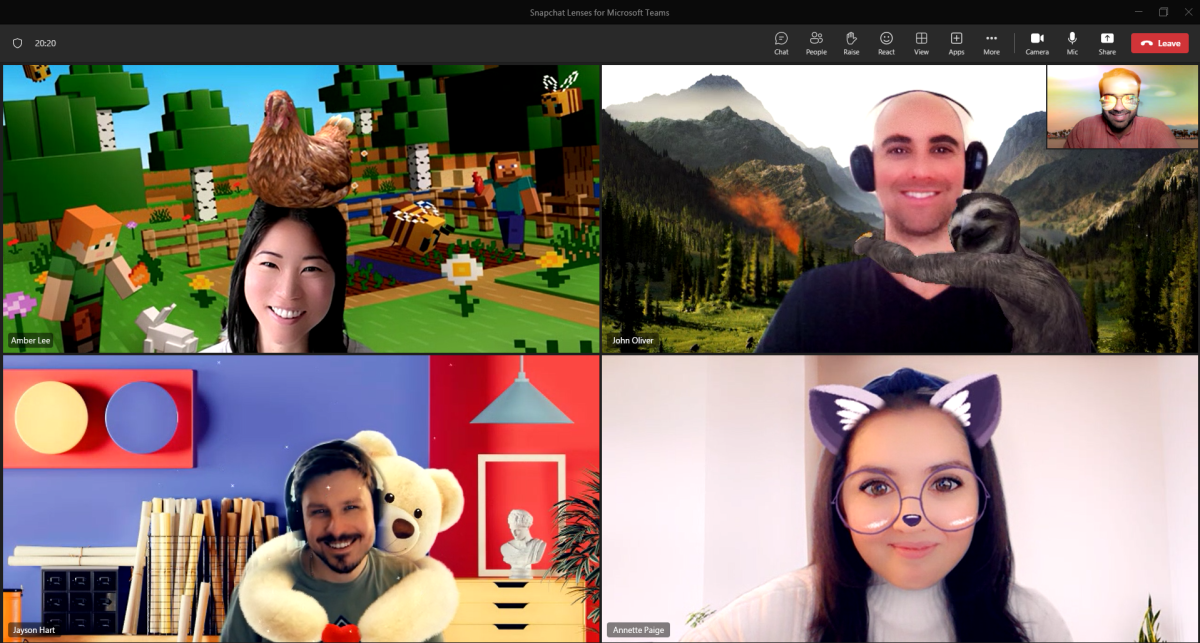
Microsoft Teams has integrated Snapchat Lenses to bring more fun and engagement to virtual meetings. Teams users can access a collection of 26 popular Lenses during meetings, transforming themselves into cartoon characters or adding fun backgrounds to their video. The integration is made possible by Camera Kit, Snap's SDK that allows partners to leverage Snap's AR technology in their own applications and websites. This is Microsoft's second integration with Camera Kit, following the success of Snap AR in Flip, Microsoft's video learning platform.