Tag

Lonsdaleite

All articles tagged with #lonsdaleite

Lab-Forge Confirms Hexagonal Diamond, Ending a Half-Century Controversy
physics-and-chemistry20 minutes ago

Lab-Forge Confirms Hexagonal Diamond, Ending a Half-Century Controversy

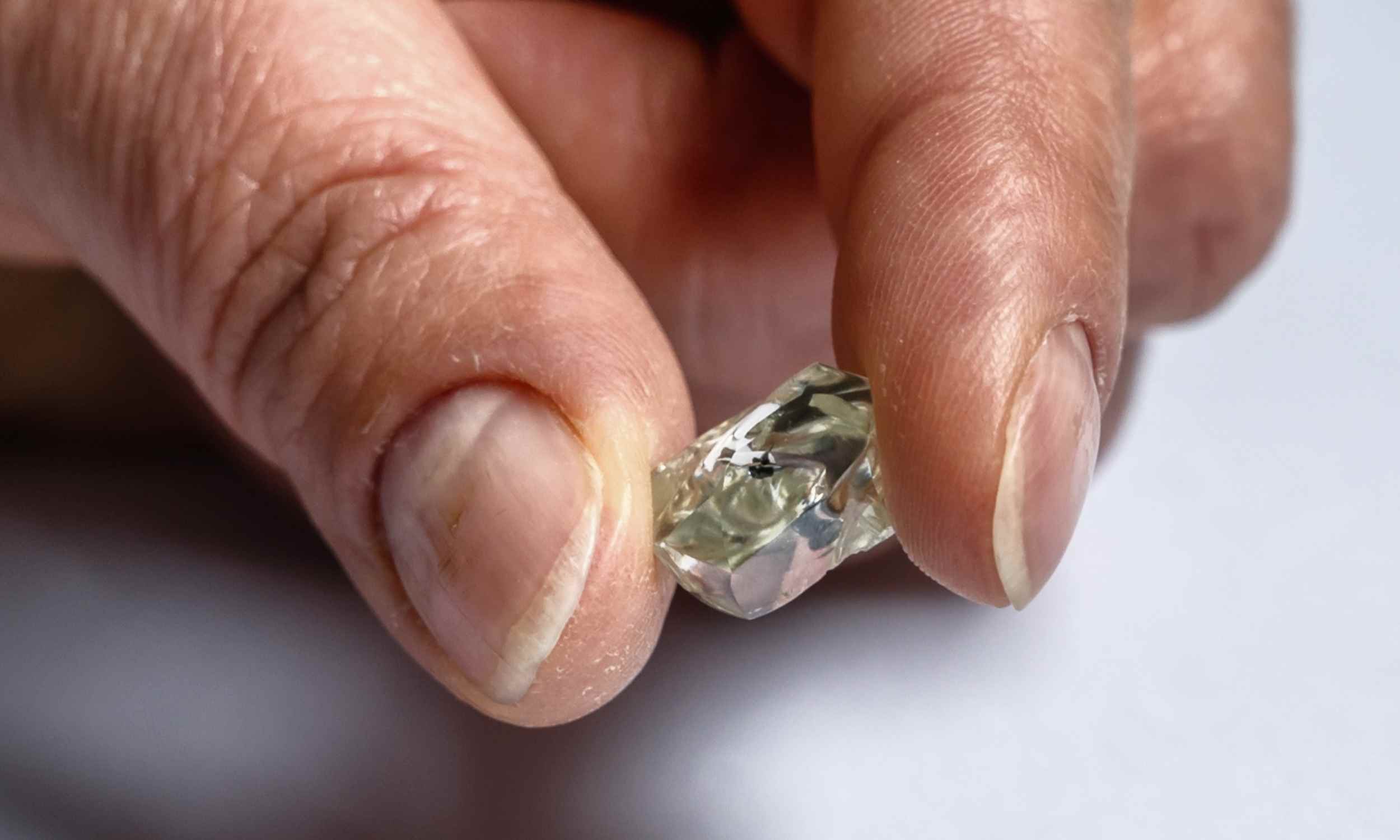
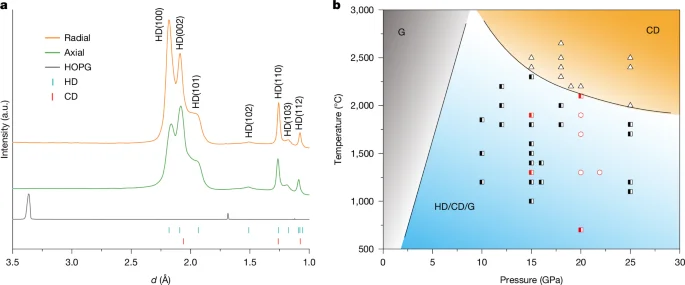
Chinese researchers report the synthesis of a millimeter-sized, phase-pure hexagonal diamond by compressing graphite at 20 GPa and temperatures up to 1,900°C, with X-ray and atomic-scale imaging confirming a hexagonal crystal structure; the diamond is slightly harder and more oxidation-resistant than cubic diamonds, suggesting the long-sought material exists and could have practical uses, though the hardness gain is not the often-cited 50%.
Bulk hexagonal diamond emerges from graphite under high pressure, resolving a long-standing debate
science4 hours ago

Bulk hexagonal diamond emerges from graphite under high pressure, resolving a long-standing debate

A Nature study reports the synthesis of millimeter-sized, phase-pure bulk hexagonal diamond (HD) from highly oriented pyrolytic graphite under high-temperature, high-pressure conditions, with structural and computational confirmation. HD shows slightly higher hardness than cubic diamond and strong thermal stability, resolving the long-standing question of HD’s existence and offering new insight into graphite-to-diamond transformation and potential applications in advanced technologies.

Strongest evidence yet that hexagonal diamond is real and potentially harder than cubic diamond
science10 hours ago

Strongest evidence yet that hexagonal diamond is real and potentially harder than cubic diamond

Chinese researchers report millimeter-sized samples of hexagonal diamond (lonsdaleite) produced by compressing graphite at ~20 GPa and 1300–1900 °C, with X-ray diffraction peaks that conclusively confirm the hexagonal structure; tests show the material is stiffer, more oxidation resistant, and slightly harder than conventional cubic diamond, marking the strongest evidence to date in decades-long debates and offering potential uses in tools, thermal management, and quantum sensing.

Scientists Create Earth's Toughest Lab-Grown Diamond
science9 months ago

Scientists Create Earth's Toughest Lab-Grown Diamond

Scientists in China have successfully synthesized lonsdaleite, a hexagonal form of diamond known for its exceptional hardness and stability at high temperatures, marking a 50-year milestone in creating this rare material in the lab. The new samples are larger and tougher than previous efforts, opening potential applications in industrial cutting tools, electronics, and protective coatings, although mass production challenges remain.

"The Unbreakable Mystery: Exploring Materials Tougher Than Diamonds"
science-and-technology2 years ago

"The Unbreakable Mystery: Exploring Materials Tougher Than Diamonds"

Diamond is still considered the hardest material for most practical purposes, but there are ways to create diamonds that are even harder. Lonsdaleite, a hexagonal crystal structure made of carbon atoms, is a prime contender for a material harder than diamond. However, it is still being studied and is not yet widely available. Scientists are also exploring the creation of superhard materials that are cheaper and easier to make in the lab, such as nanotwinned diamonds and superhard metals. While diamond remains the reigning champion in terms of hardness, it may face challenges in the future as new materials are developed.

Prospecting for Precious Gems in Space Rocks Before Formation.
science-and-technology2 years ago

Prospecting for Precious Gems in Space Rocks Before Formation.

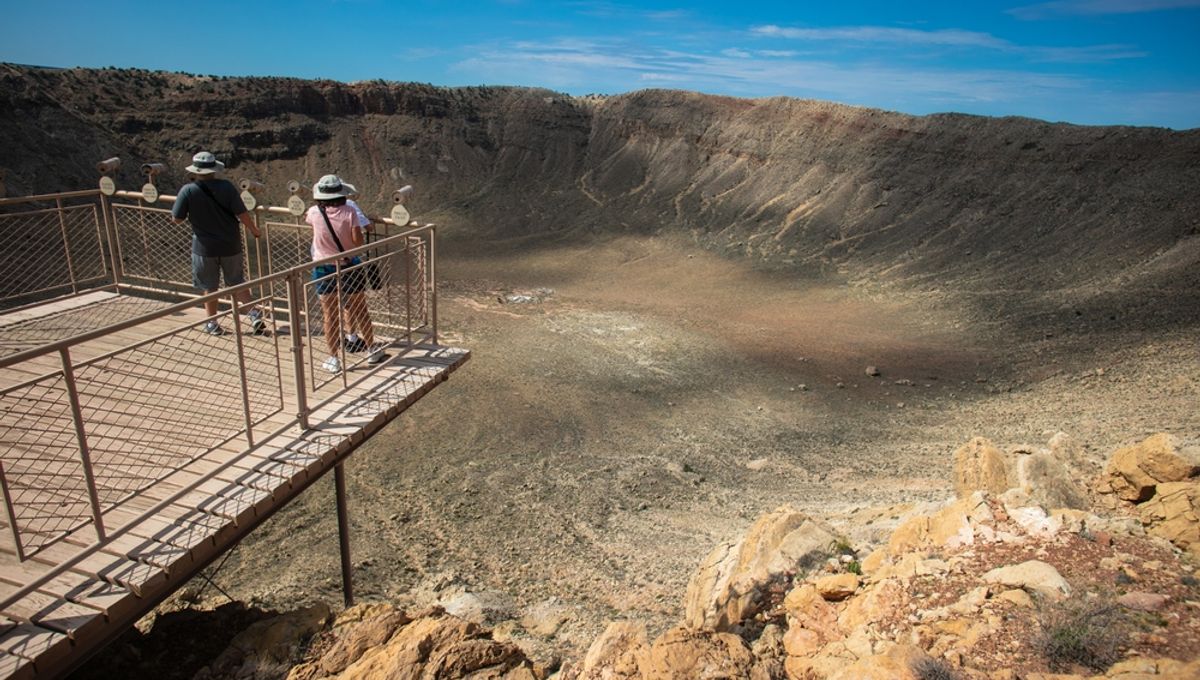
Diamonds found in the Canyon Diablo meteorite have unusual structures that make them potentially useful for electronics. These stones share diamonds' proverbial hardness but are also unusually malleable and have electronic properties that can be tuned. The diamonds are made up of carbon atoms in a cubic shape with each atom joined to four others, occasionally interrupted by impurities of other elements that can add a hint of color. Lonsdaleite, a rare form of carbon, was previously thought to be made up of atoms in a hexagonal lattice but was found to involve traditional cubic diamonds and graphene-like domains that have grown together in what are known as diaphites. The crystal also contains numerous errors where atoms are misplaced. These crystals have a number of potential applications ranging from abrasives and electronics to nanomedicine and laser technology.