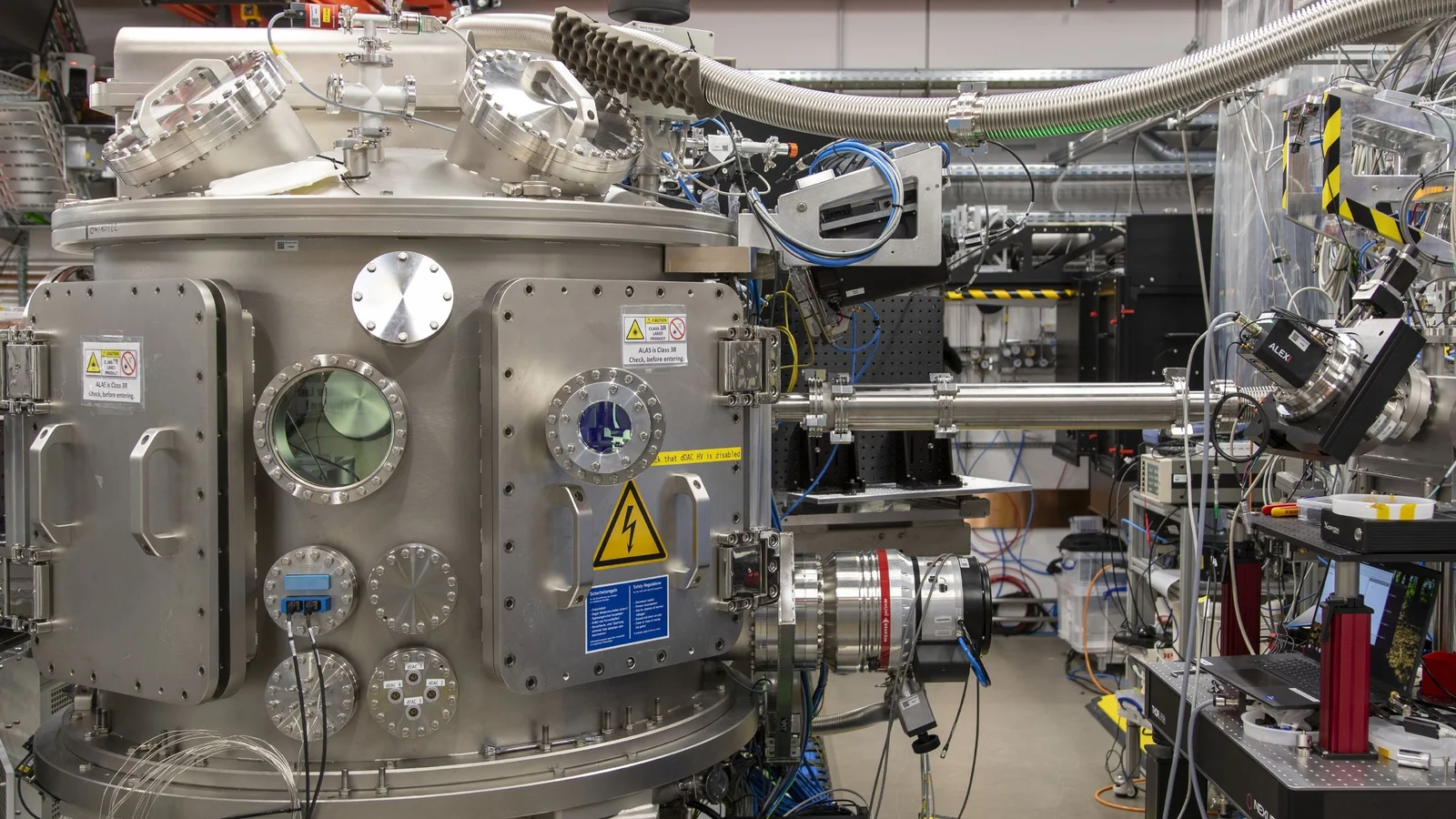
Scientists using Europe's largest X-ray laser discovered a new form of ice, ice XXI, which remains solid at room temperature under extreme pressure, potentially impacting our understanding of icy worlds in space.
Scientists discovered a new phase of ice, called ice XXI, that forms at room temperature under extreme pressure using an X-ray laser experiment, suggesting more unknown ice phases could exist on icy planets and moons.
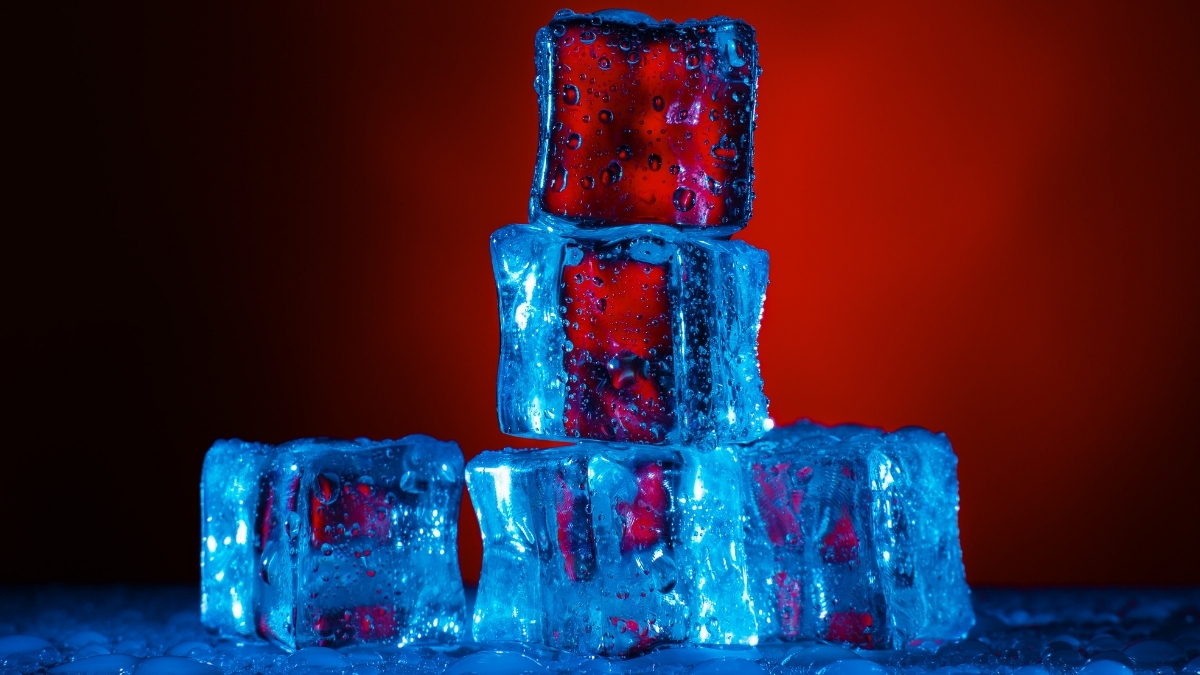
Scientists have discovered a new form of ice, called ice XXI, which forms under extreme compression at room temperature, providing new insights into water's behavior deep within icy moons and expanding our understanding of ice's complex phases.
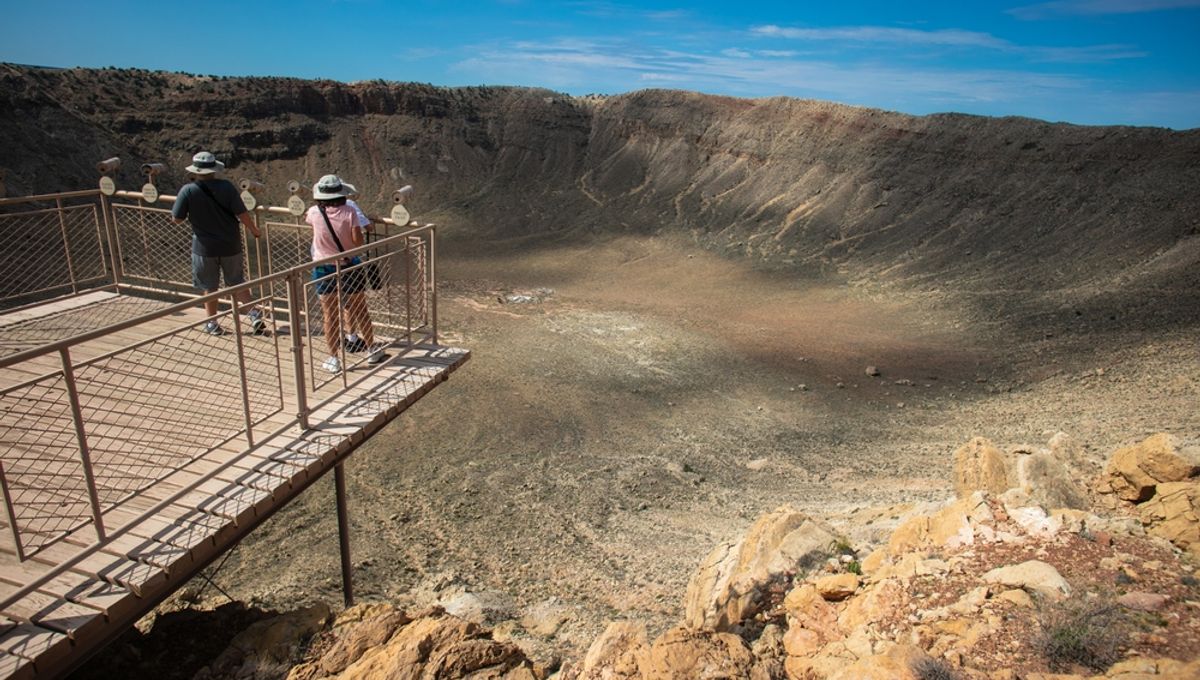
Diamonds found in the Canyon Diablo meteorite have unusual structures that make them potentially useful for electronics. These stones share diamonds' proverbial hardness but are also unusually malleable and have electronic properties that can be tuned. The diamonds are made up of carbon atoms in a cubic shape with each atom joined to four others, occasionally interrupted by impurities of other elements that can add a hint of color. Lonsdaleite, a rare form of carbon, was previously thought to be made up of atoms in a hexagonal lattice but was found to involve traditional cubic diamonds and graphene-like domains that have grown together in what are known as diaphites. The crystal also contains numerous errors where atoms are misplaced. These crystals have a number of potential applications ranging from abrasives and electronics to nanomedicine and laser technology.