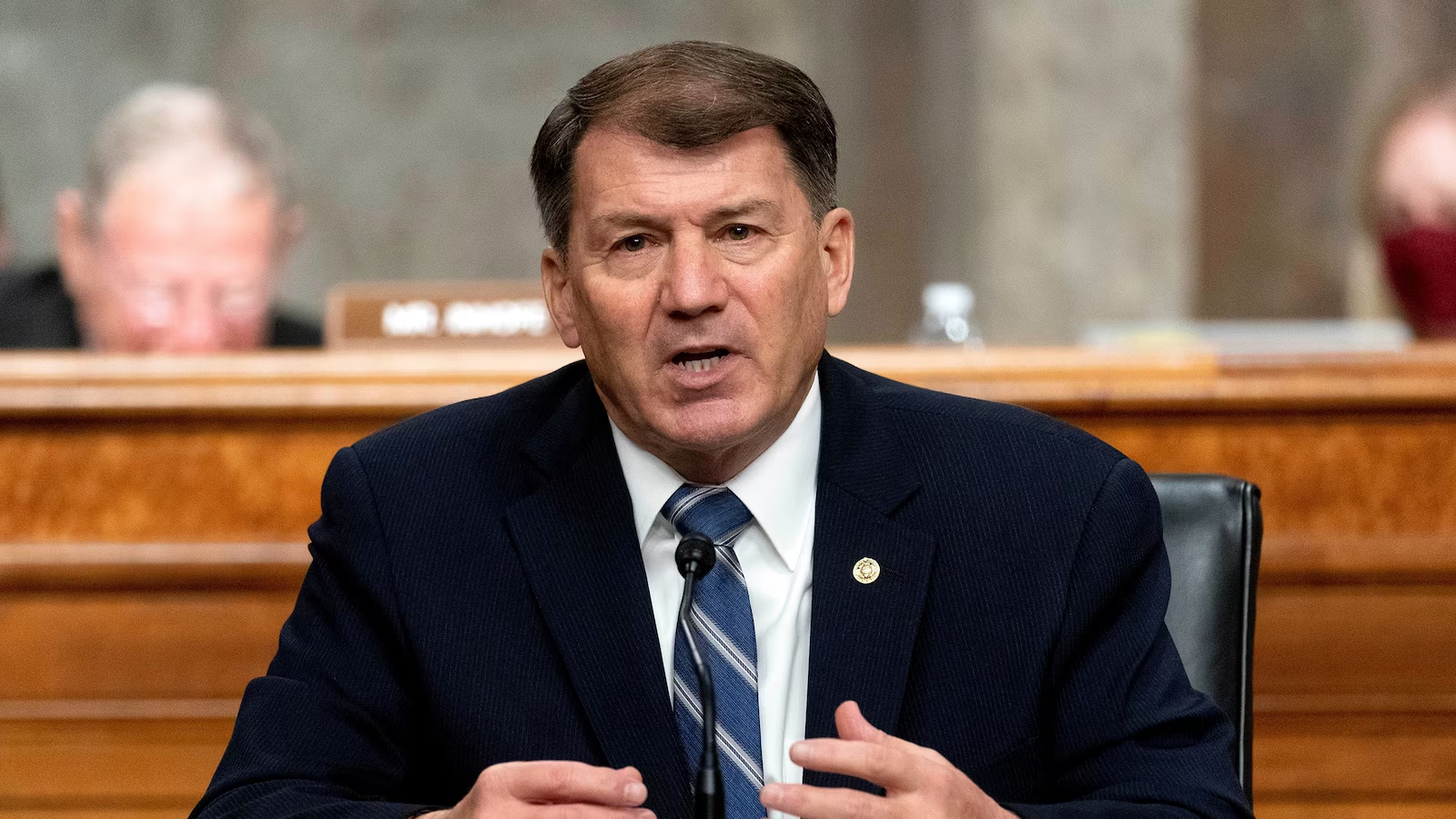
Senator Mike Rounds and other Congressional Republicans are pushing to dismantle the Department of Education, aligning with President-elect Donald Trump's vision to return education control to states. Rounds introduced a bill to redistribute the department's responsibilities to other federal agencies, while Rep. Thomas Massie plans to propose legislation to abolish the department by 2026. Critics argue that such moves could disrupt federal education programs and funding, particularly affecting high-need districts.

Georgia lawmakers are considering measures to address rising property taxes, including a bill to limit increases in a home's value for property tax purposes to 3% per year and doubling the state's homestead tax exemption. Supporters argue that these measures would prevent large surprise increases in home values and help homeowners stay in their homes, while opponents express concerns about potential long-term inequality and the impact on local control. Similar efforts to address property tax issues are also underway in other states, reflecting a broader trend of voter discontent over higher levies.
The Michigan Legislature has passed a two-bill package that grants the state the power to approve large wind, solar, and energy storage projects, even if local communities oppose them. This move comes as Michigan aims to meet its renewable energy goals of 60% renewable and 100% clean energy by 2040. Proponents argue that local ordinances have hindered the expansion of renewable energy, while opponents argue that the bills strip away local control and decision-making authority. The Michigan Public Service Commission will now have control over permitting and zoning for utility-scale renewable projects, with a limited period for developers to work with local officials before state control takes effect.
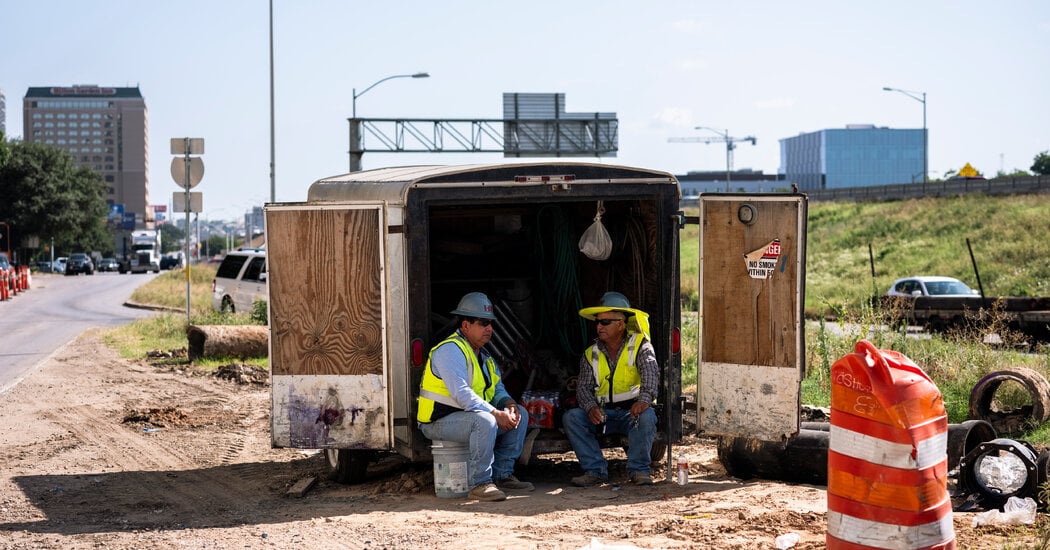
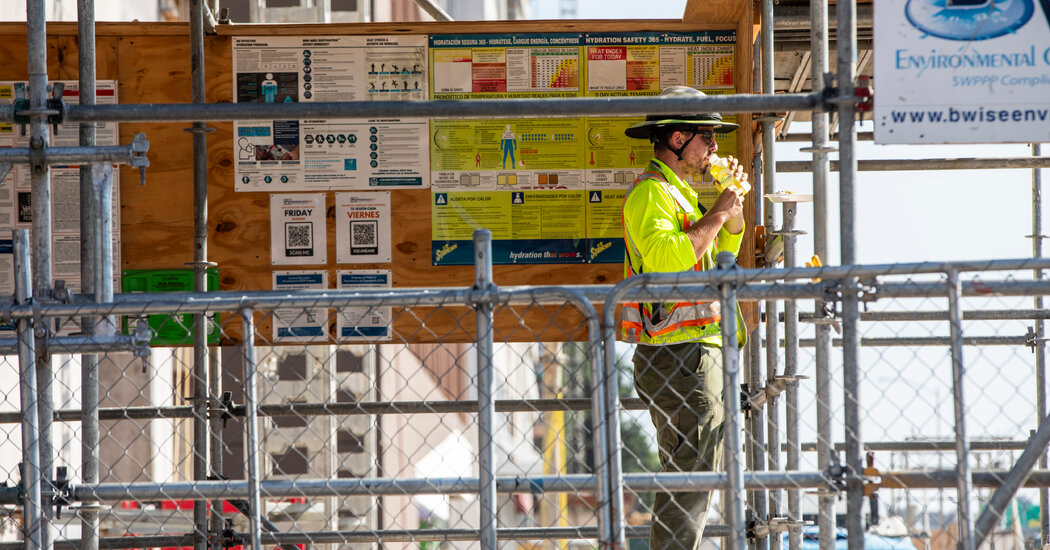
A Texas district court judge has ruled that a state law aimed at preventing cities from making local rules on various subjects, including rest breaks for construction workers, is unconstitutional. The law, known as House Bill 2127, was set to go into effect on Friday and was seen as a move by the Republican-dominated Legislature to exert control over the state's progressive, Democratic-led cities. The ruling is considered a victory for city leaders who argued that the law infringed on their power to make their own rules. The Texas attorney general is expected to appeal the decision.
Tulsa Mayor G.T. Bynum opposes the state takeover of Tulsa Public Schools, calling it an extreme action and an affront to democratic principles. State Superintendent Ryan Walters has delayed a decision on the district's accreditation renewal and has suggested options including a state takeover or nonaccreditation. Mayor Bynum urges collaboration with the State Department of Education instead, emphasizing that the district is not guilty of criminality or an unwillingness to improve outcomes for students. The Tulsa Regional Chamber also supports the reaccreditation of Tulsa Public Schools and opposes a state takeover.
San Antonio Mayor Ron Nirenberg criticized Texas' legislature for hindering efforts to protect residents and workers during the record-breaking heatwave. A new state law signed by Governor Greg Abbott prevents cities and counties from passing regulations stricter than state ones, including rules mandating water and rest breaks for construction workers. San Antonio had been considering an ordinance for water breaks but is now seeking alternative measures to safeguard vulnerable workers. President Joe Biden recently announced steps to protect workers from extreme heat, including a new "heat alert" system, but Nirenberg emphasized the need to address the legislation that undermines local authorities.
A new law in Texas, set to go into effect in September, will eliminate local requirements for rest breaks, including water breaks, for workers in cities like Austin and Dallas. The law is part of a broader effort by the Republican-dominated State Legislature to exert control over Democratic-led major cities. Critics argue that the law, known as the Texas Regulatory Consistency Act, transfers power from local communities to politicians in Austin and undermines worker safety. Supporters claim it will streamline regulations and prevent conflicting rules across different localities. The law has raised concerns about worker safety, particularly in the face of extreme heatwaves, and has prompted calls for national legislation or administrative rules requiring water breaks on a federal level.
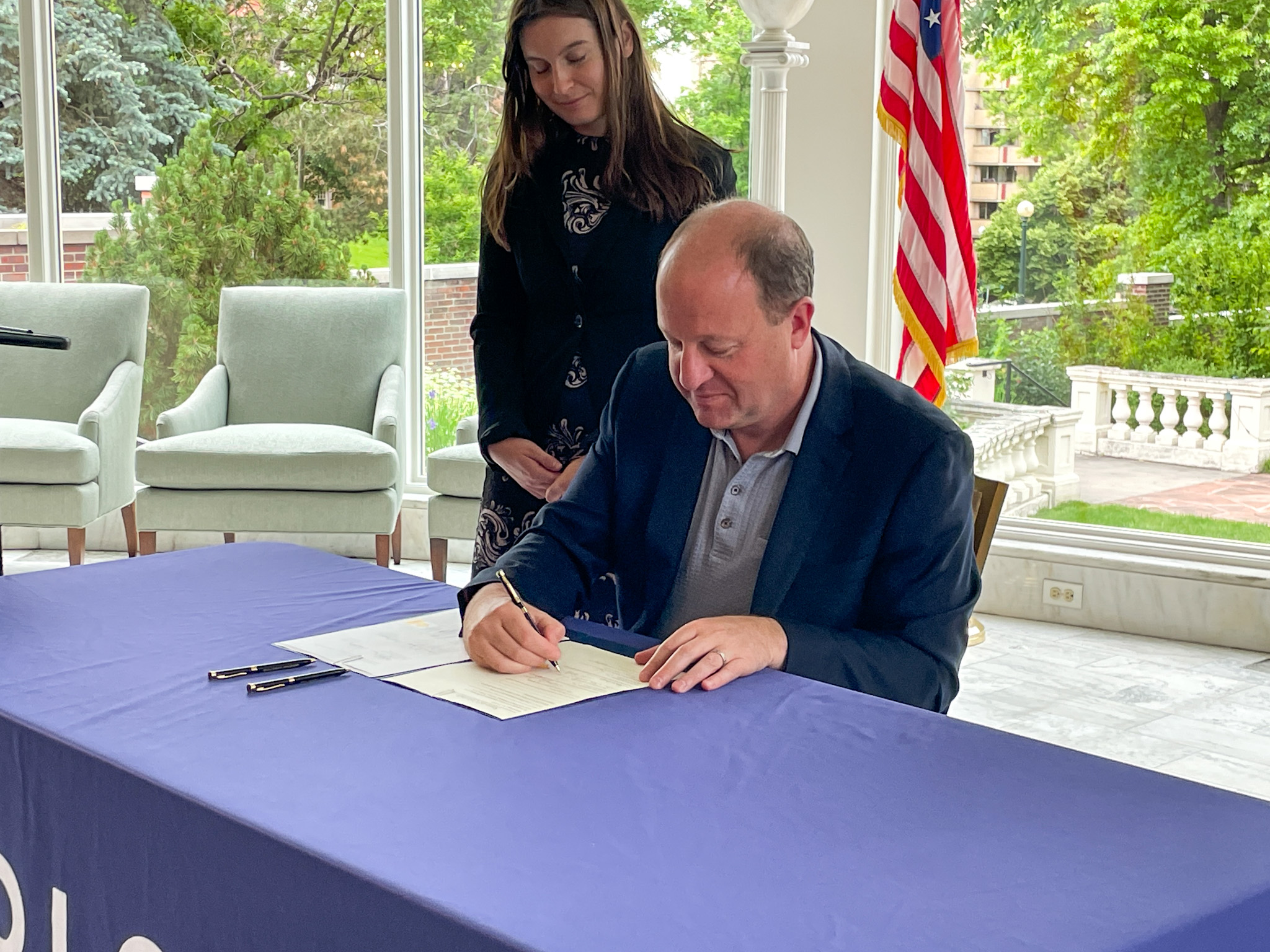
Colorado Governor Jared Polis signed House Bill 1255, which prohibits local governments from imposing population and residential growth limits, and repeals existing growth caps in Lakewood, Boulder, and Golden. The bill aims to address the availability of housing by stripping local governments’ ability to limit how much new housing can be added to their communities. The bill will require that local governments at least have a hearing for new developments before deciding whether to reject them. The Colorado Municipal League viewed House Bill 1255 as an attack on local control, while supporters argue it will encourage more affordable housing.
Texas Republicans are targeting Houston, the state's largest city and Democratic stronghold, with a series of bills that would limit local authority to administer elections and give that power to the state. The bills would impact elections in Harris county, the third most populous county in the country, and could give the Texas secretary of state administrative oversight of a county office administering elections. The move is part of a trend of Republicans trying to make it more difficult to vote and to subvert local control. The county is planning to file a lawsuit, and advocates and Democratic lawmakers are concerned that a handover of election duties so shortly before an election could cause chaos.
Texas has passed a bill that strips authority from cities and shifts it to the Republican-controlled legislature. The bill, which takes large domains of municipal governing out of the hands of the state’s largely Democratic-run cities, would nullify many existing ordinances and ban new restrictions on payday lending or puppy mills. The legislation’s opponents argue that it would hamstring cities’ abilities to make policies to fit their unique circumstances and that the state legislature is ill-suited to managing the day-to-day affairs of cities.
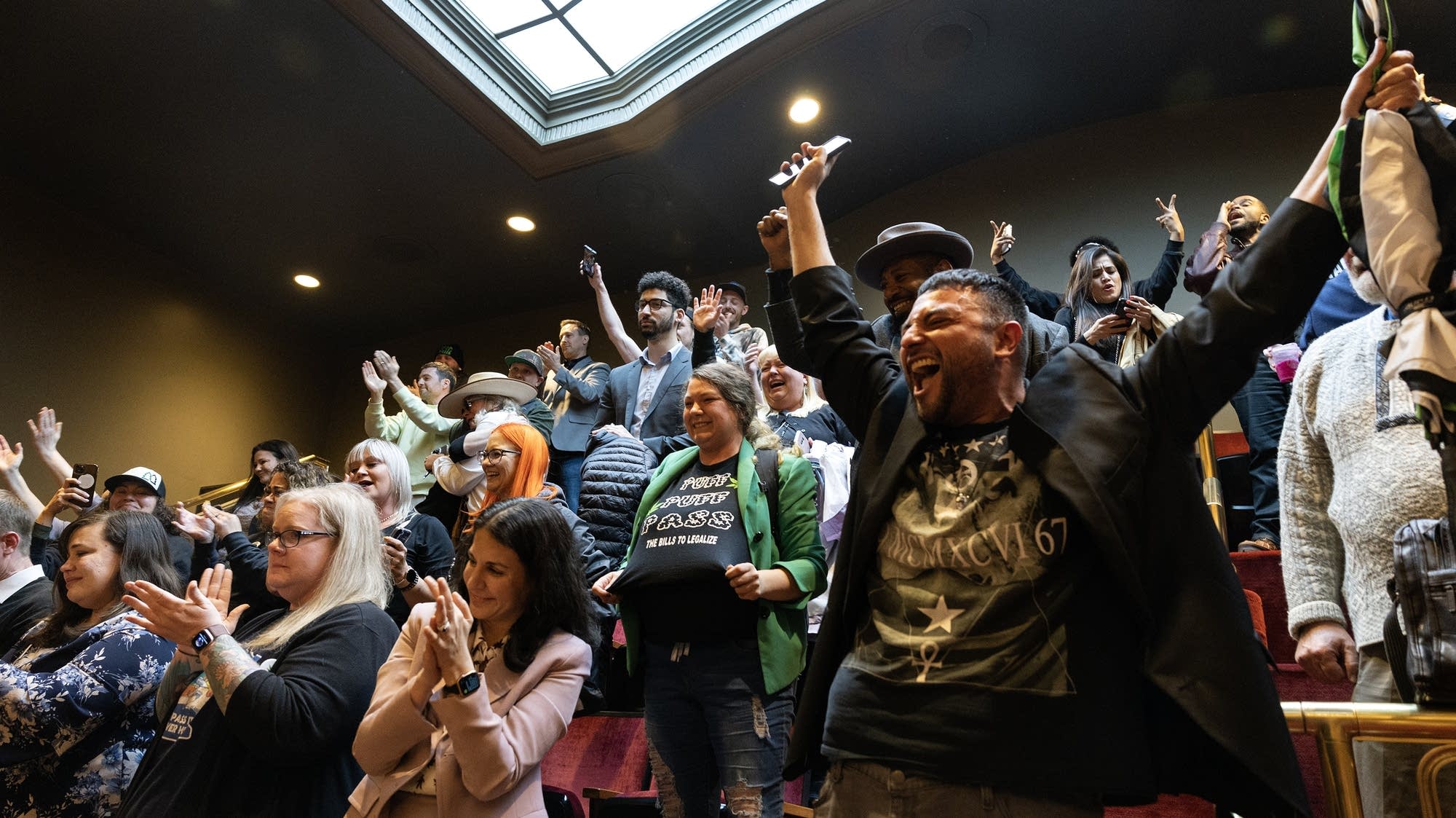
The Minnesota Senate has passed a bill legalizing adult-use marijuana, which will now enter final negotiations with the Minnesota House. The bill sets up a structure for growing and selling cannabis while revisiting convictions for past drug crimes. The Senate Republicans opposed the bill, citing concerns over substance abuse, highway safety, and the ability to crack down on illicit sales. The bill would allow people at least 21 years old to possess, use, and purchase marijuana legally this summer, but dispensaries may not be up and running until 2024. The bills also diverge on the speed of expungements of past marijuana offenses.
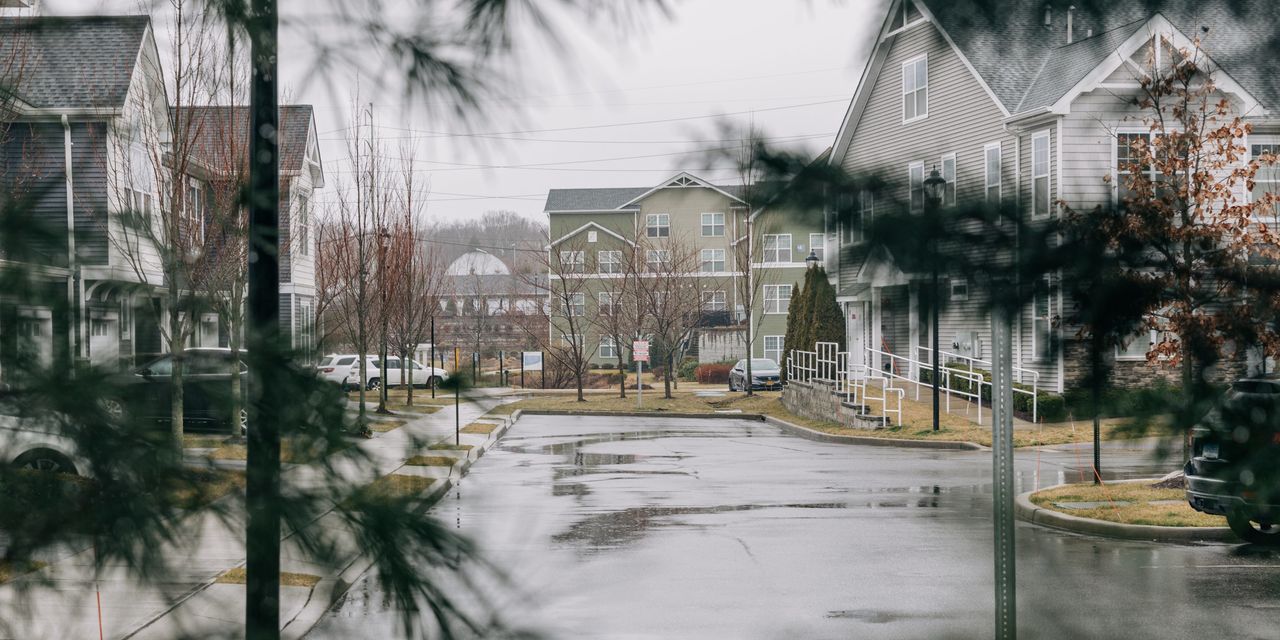
New York Governor Kathy Hochul's plan to require NYC suburbs to approve more housing is facing opposition from officials who argue it would erode local control and change the character of towns. Similar laws have been implemented in California and Massachusetts, but Democrats in Albany have yet to support the proposal.