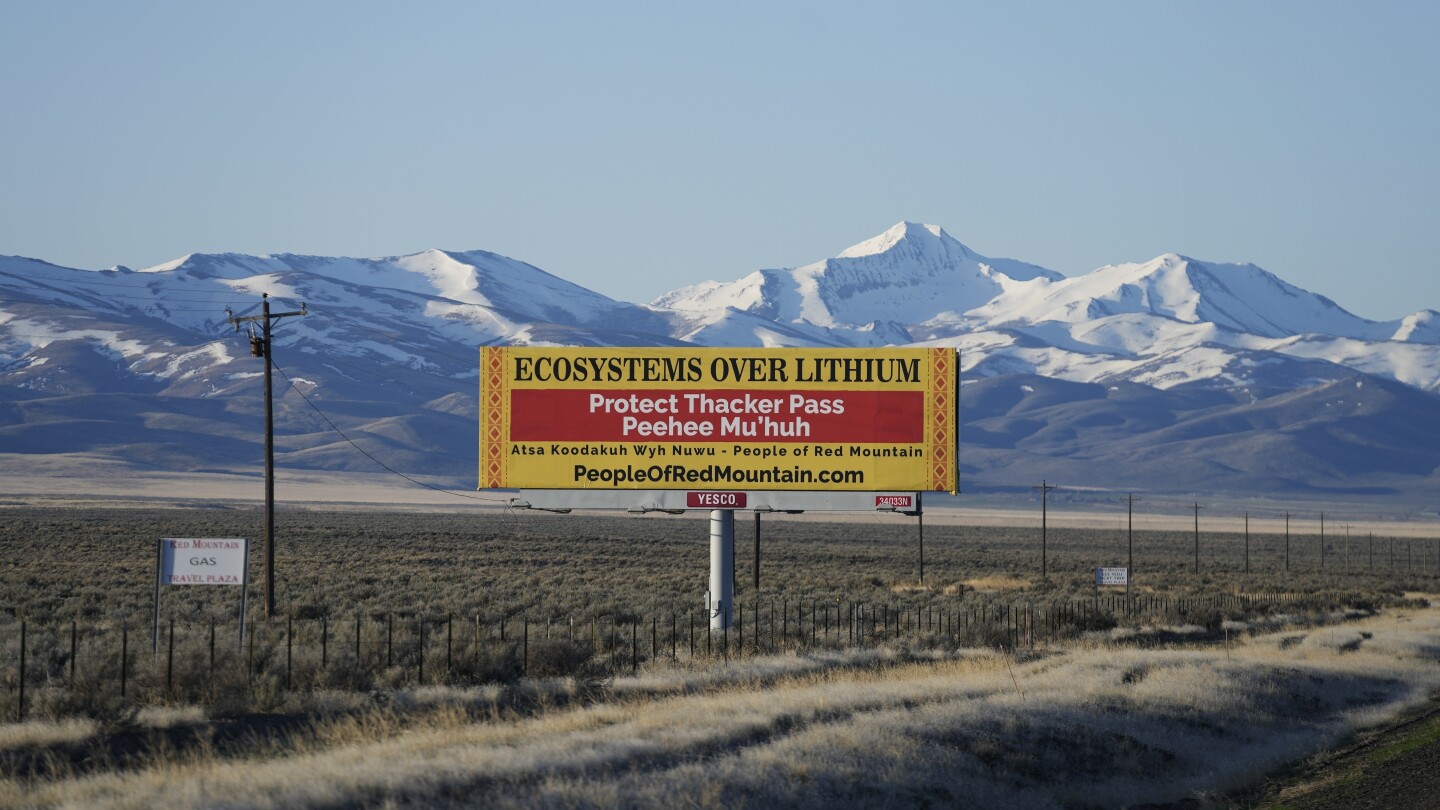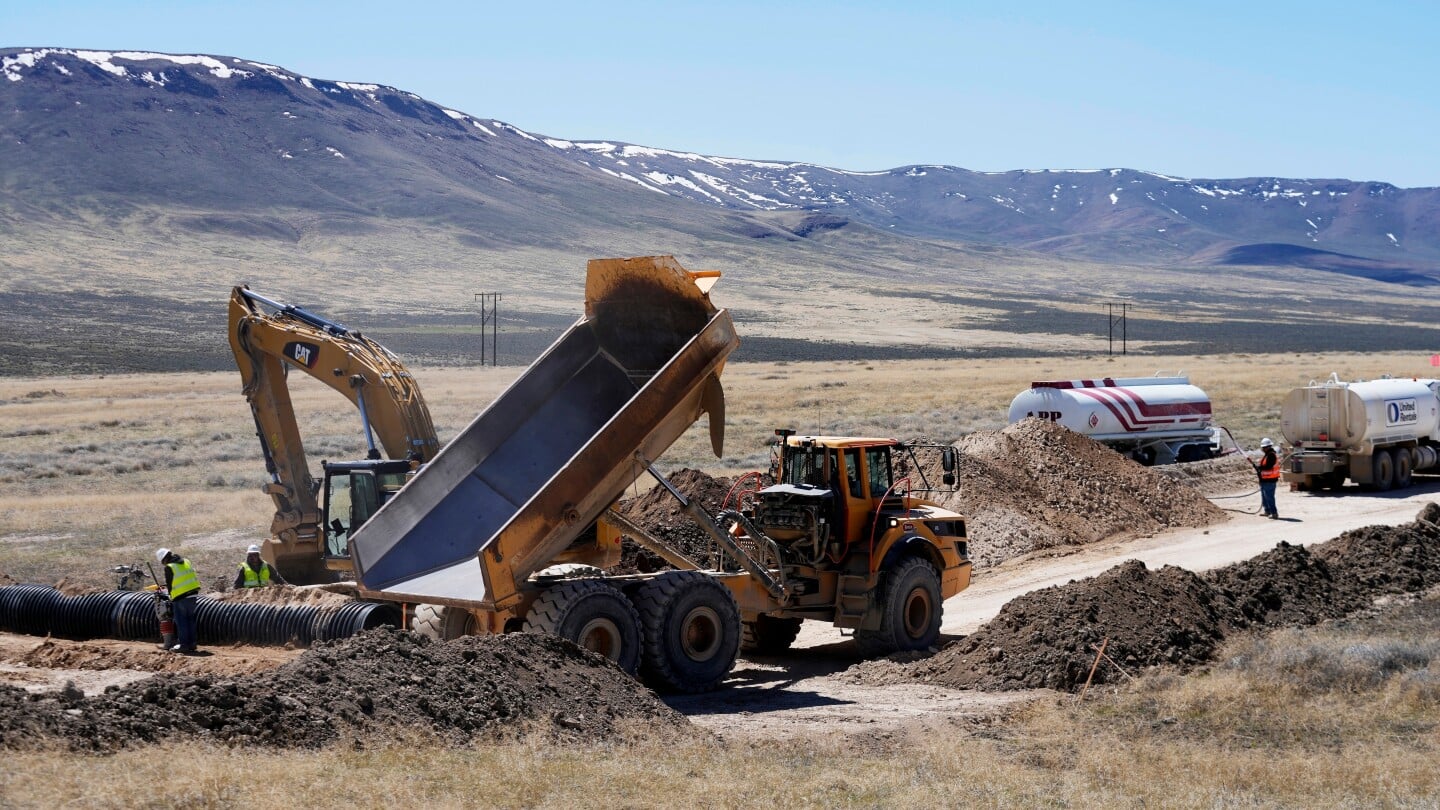
The US government is moving towards a deal to take a small equity stake in Lithium Americas, the Canadian company developing the Thacker Pass lithium mine in Nevada, to support domestic critical mineral production for electric vehicle batteries, amid bipartisan support and environmental concerns.
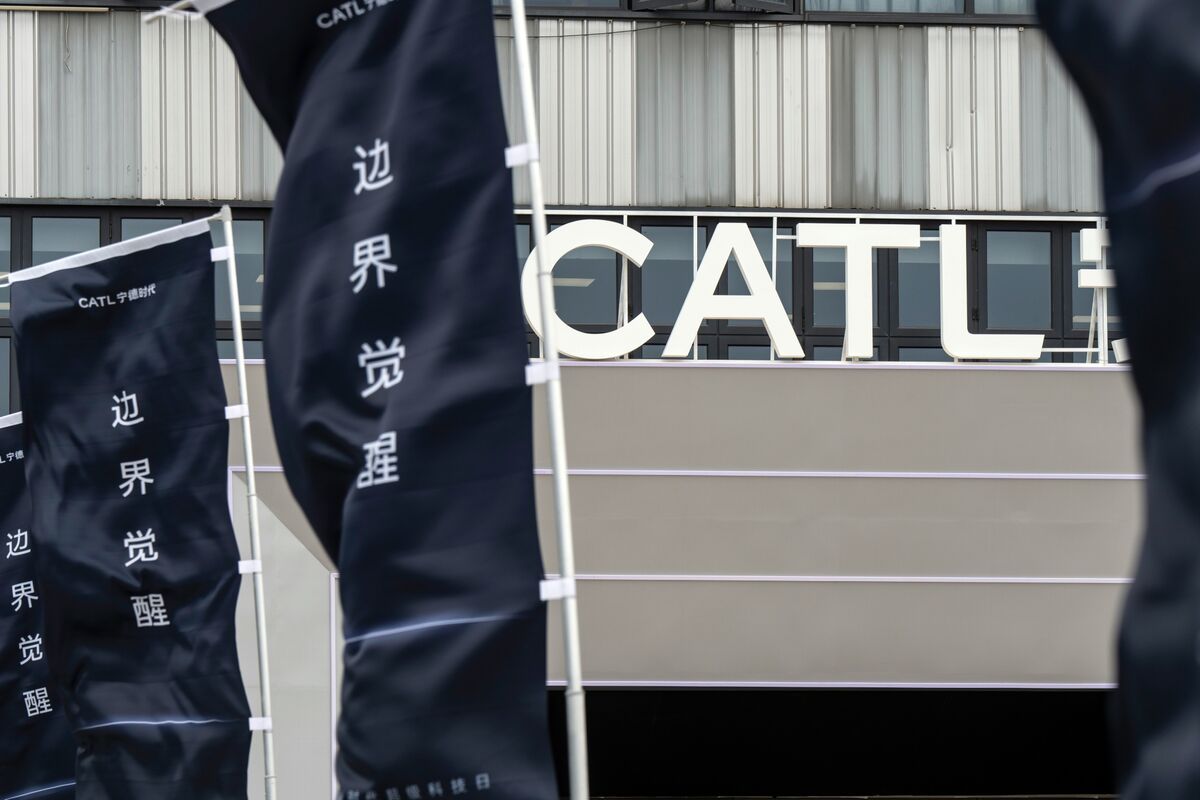
CATL has suspended operations at its lithium mine in Jiangxi due to an expired permit, with plans to potentially extend the halt while negotiating license renewal, amid a backdrop of declining lithium prices and increased government scrutiny in China. This suspension could impact the lithium supply chain but might also benefit other producers in a market plagued by overcapacity.
CATL has suspended operations at its Jianxiawo lithium mine in China for at least three months due to the failure to renew its mining permit, amid broader industry volatility and regulatory scrutiny, impacting a key supply chain link for electric vehicle batteries.
CATL has suspended production at its lithium mine in Jiangxi, China, for at least three months, affecting lithium supply and causing fluctuations in lithium stocks, with the company not immediately commenting on the report.
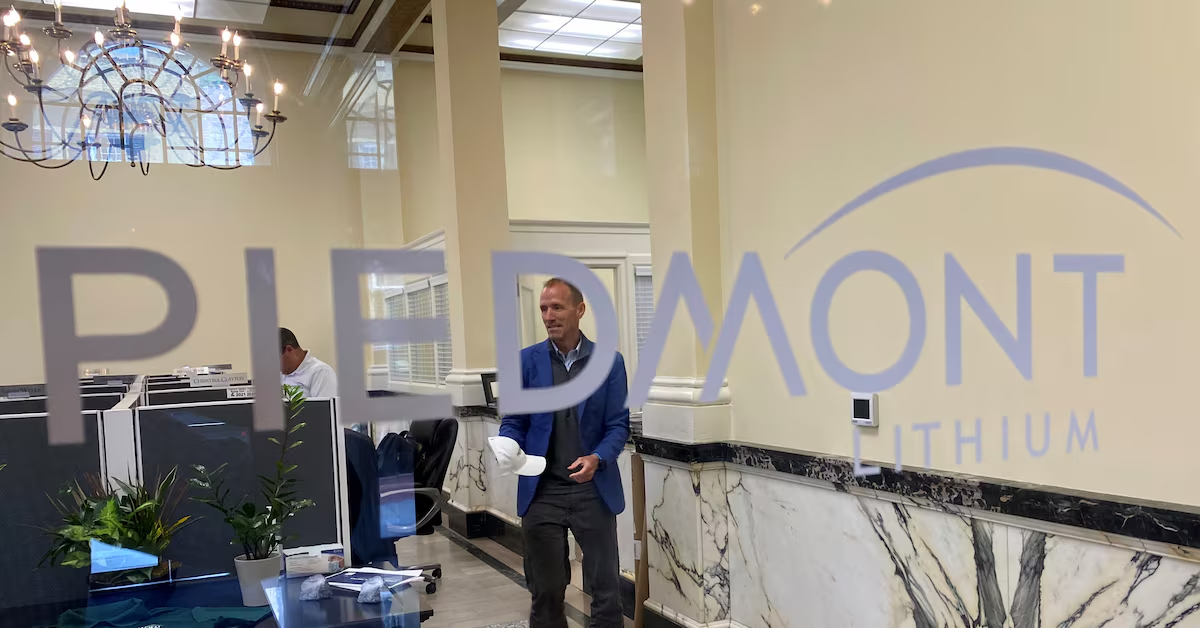
Piedmont Lithium faced skepticism and anger from North Carolina officials at a meeting regarding its plans for a lithium mine that would supply Tesla with the electric vehicle battery metal. The proposed open-pit mine, if approved, would be one of the few lithium-producing sites in the United States. However, officials expressed concerns about potential water shortages and the impact on local wells. Piedmont assured that widespread drying up of wells is not expected but admitted that at least 10 neighbors could run out of water. The company offered to assist affected residents by digging deeper wells or connecting them to municipal water supplies. The project highlights the tension between those resistant to living near a mine and those advocating for reduced dependence on China for strategic minerals. Piedmont needs approval from the Gaston County Board of Commissioners for a zoning variance and a state mining permit.
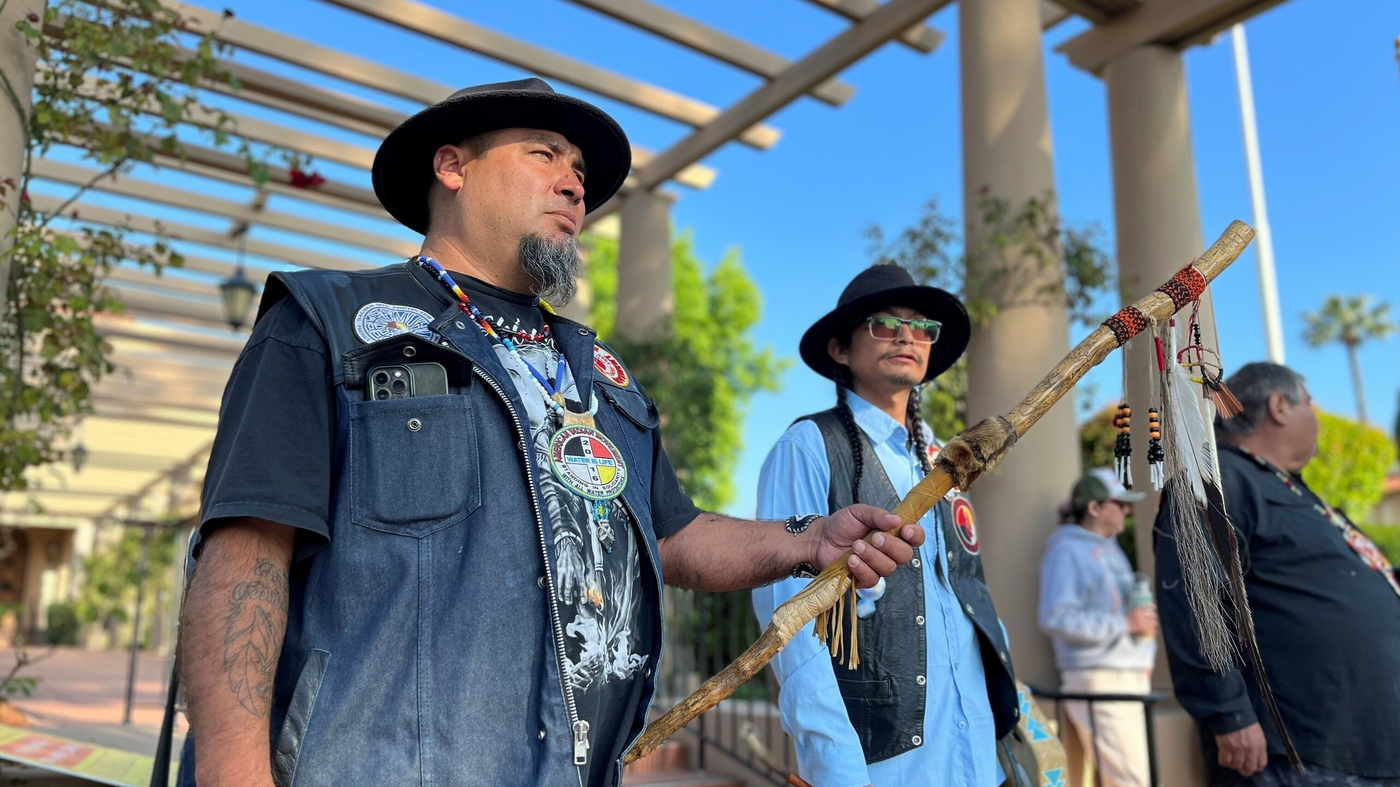
The U.S. Ninth Circuit Court of Appeals has denied a legal effort by tribes and environmental advocates to block the construction of the largest lithium mine in North America on federal land in Nevada. Despite objections from tribes and environmentalists, the Biden administration did not reverse the decision made during the Trump administration. The court ruled that federal land managers did not violate environmental laws when approving the Thacker Pass mine, which is expected to begin full construction this summer.
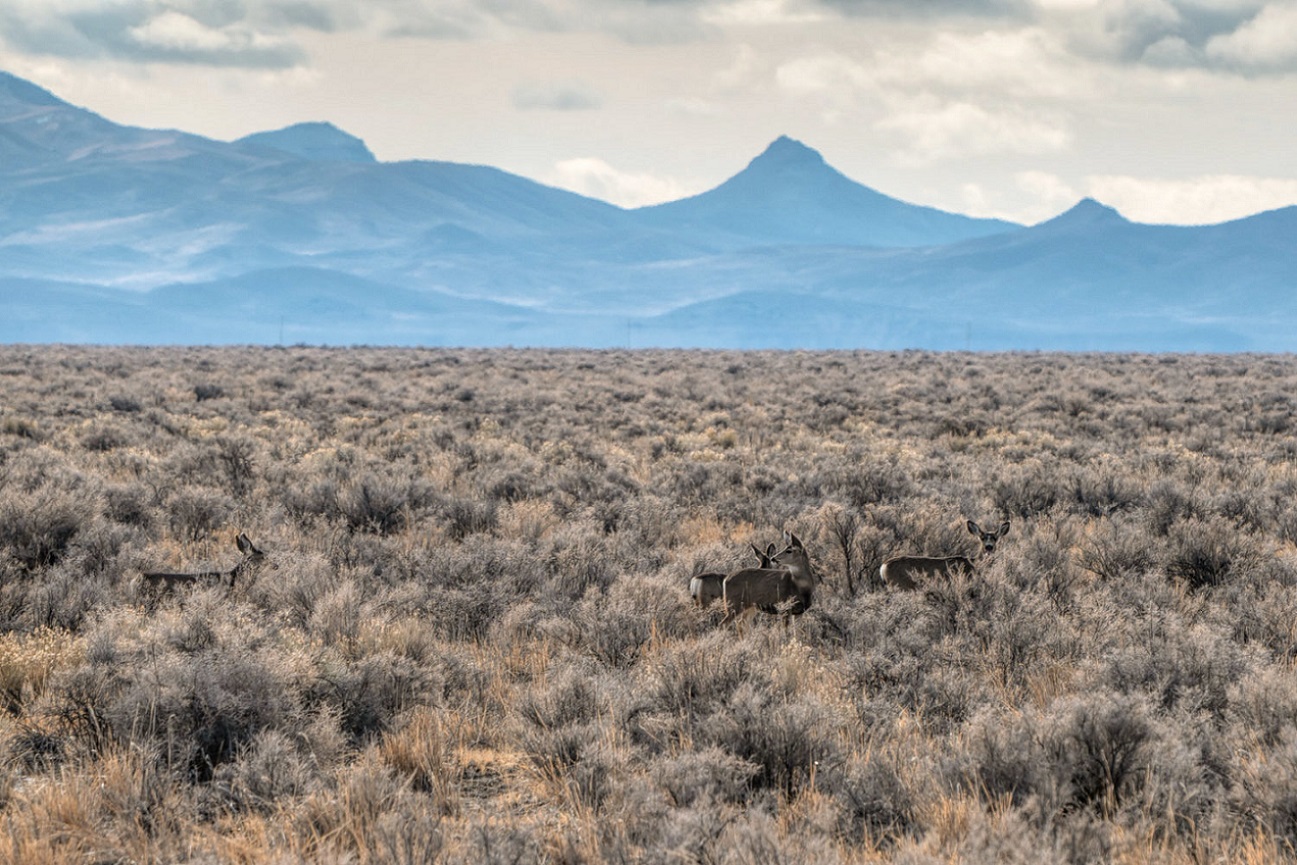
The 9th U.S. Circuit Court of Appeals has denied a bid by environmentalists and tribal leaders to block the construction of a large lithium mine along the Nevada-Oregon line. The court rejected multiple legal arguments put forth by the opponents, who have been fighting the mine in federal court for two years. The mine, supported by the Biden administration, is seen as a key project in transitioning to cleaner energy sources. Critics claim it will violate environmental laws and destroy sacred lands. The court deferred to the expertise of the U.S. Bureau of Land Management, which approved the mine, and a U.S. District Judge's decision to allow construction to proceed.
Lawyers representing environmentalists, tribes, and ranchers have urged a U.S. appeals court to vacate the approval of a Nevada lithium mine at Thacker Pass, arguing that it violates federal mining law. A U.S. district judge previously concluded that the Bureau of Land Management violated federal law when approving the mine's plan to bury public land under waste rock without determining the company's mining rights. The court's decision may hinge on a precedent-setting case that found mining companies cannot use federal land without valuable minerals for related purposes. The mine's opponents also argue that the environmental review was rushed and that meaningful consultation with tribes was not conducted.