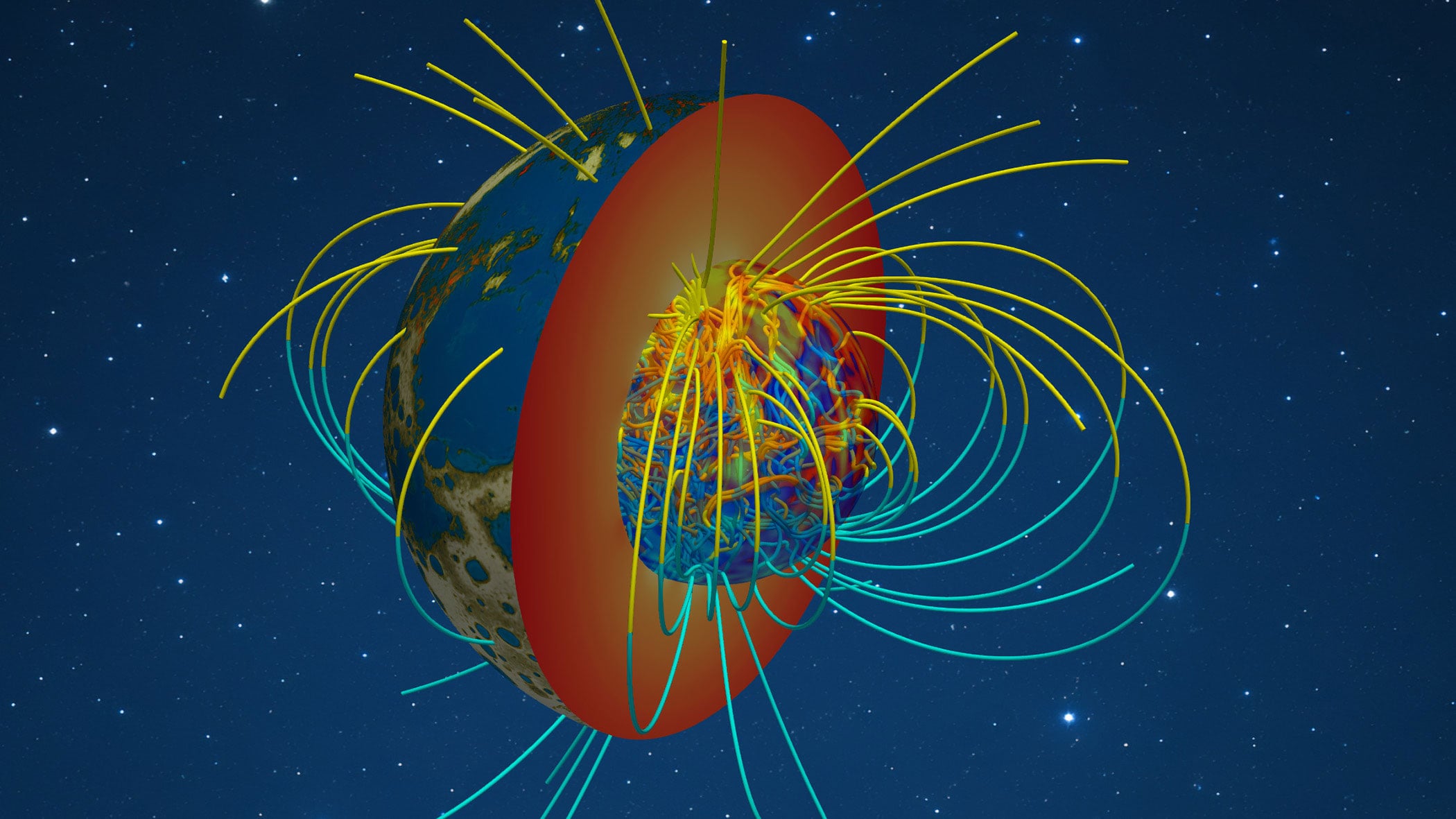
Scientists have developed a new computer model demonstrating that Earth's magnetic field could have existed over a billion years ago when the core was entirely liquid, shedding light on the planet's magnetic history and its role in supporting life and modern technology.
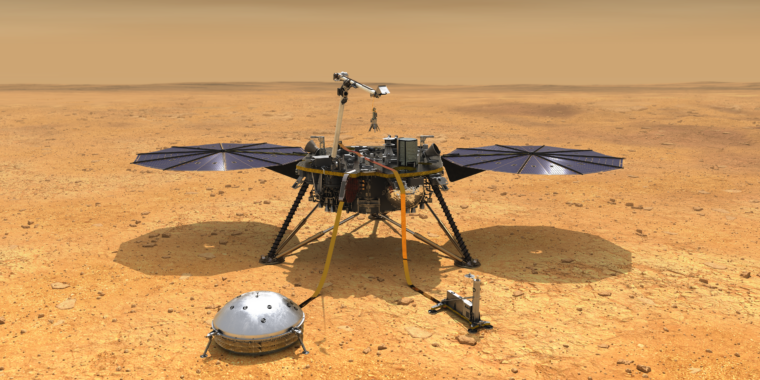
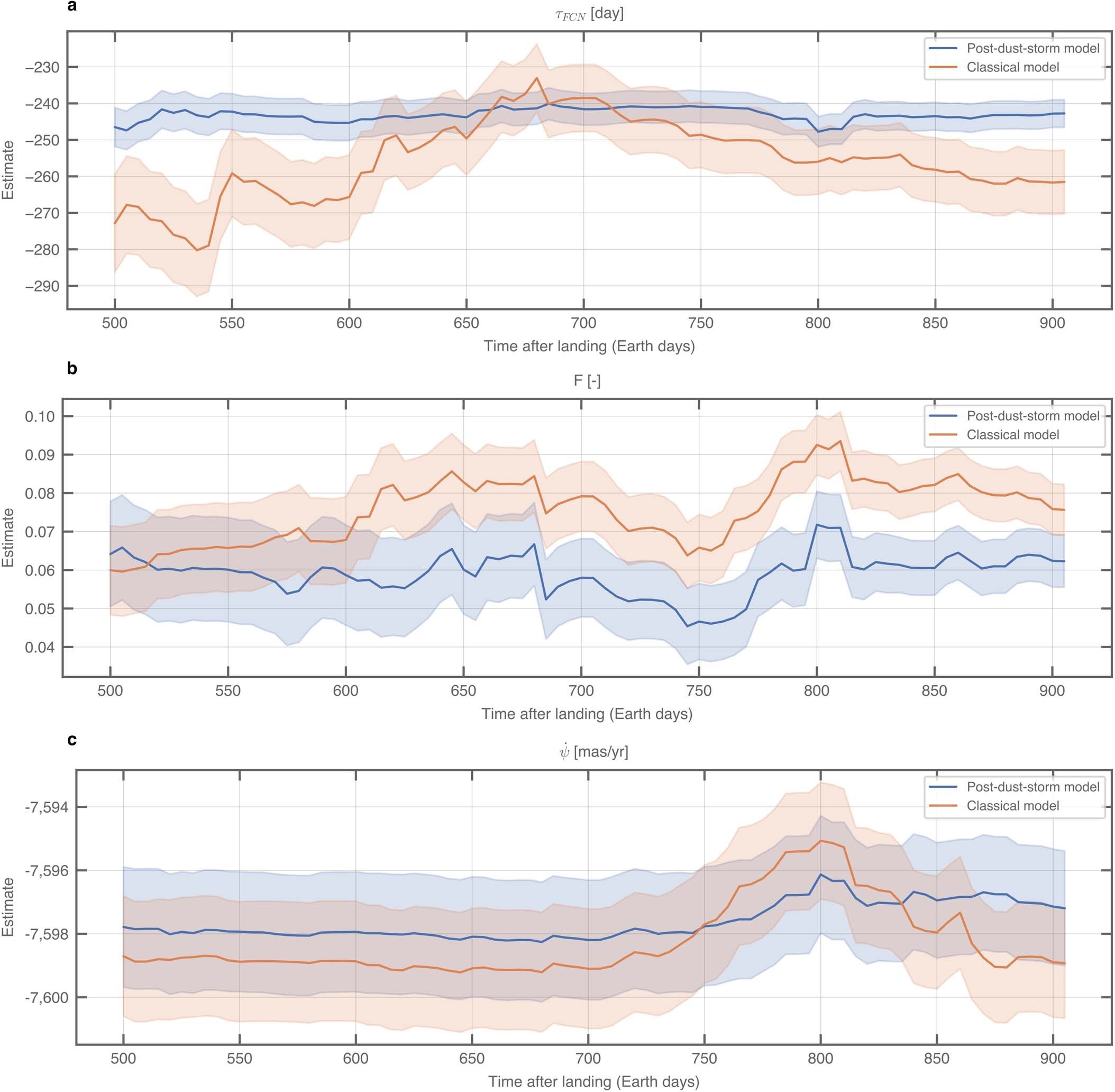
NASA's InSight lander, before succumbing to a dust storm, provided evidence suggesting that Mars has a liquid core. Using its RISE instrument, which measures changes in Mars' rotation, researchers detected wobbles in the planet's axis that indicate the presence of a liquid core. Further analysis suggests that the Martian core is likely made of an alloy of liquid iron and sulfur, constantly undergoing convection. The findings also suggest the possibility of a molten lower mantle, which could explain anomalies in the size and shape of Mars' core and surface.
Data from the InSight lander suggests that Mars has an all-liquid core and internal mass anomalies, according to a team of planetary scientists from Belgium, the U.S., France, and Germany. The researchers analyzed data sent back to Earth from the lander, which had two main sensors, one that used a seismometer to measure marsquakes and another that sent radio signals from the lander back to Earth. By studying data related to the core and characterizing it separately from data related to the mantle, the team found what they believe to be evidence showing that Mars' core is molten liquid, and they also found a slight increase in the planet's spin.