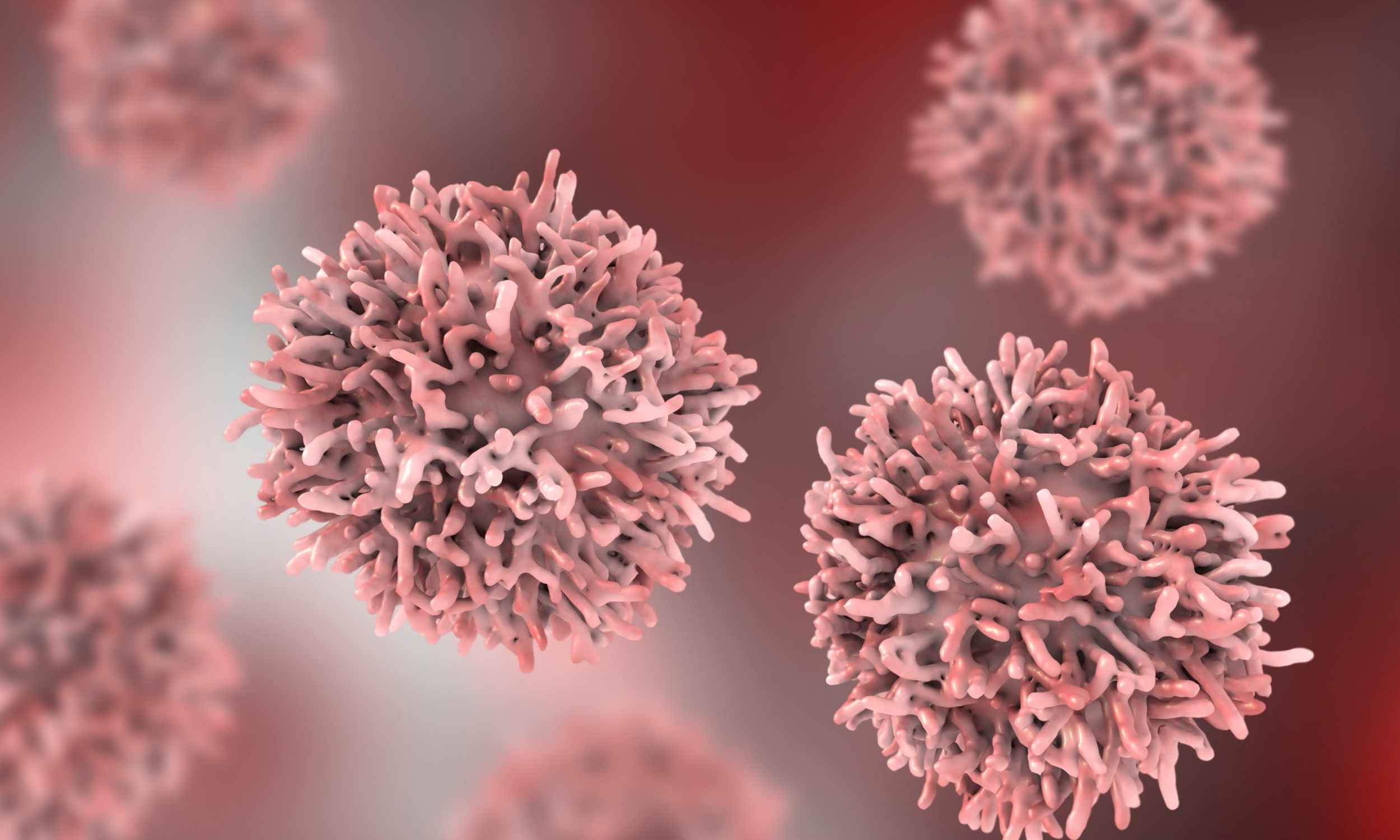
Chronic circadian disruption, such as night-shift work, accelerates breast cancer development and spread by weakening immune defenses and altering breast tissue, with the immune receptor LILRB4 playing a key role; targeting LILRB4 shows promise for new cancer therapies.
A new study reveals that the hormone SCG2 helps cancer evade the immune system by binding to LILRB4 on myeloid cells, suppressing their tumor-fighting activity and hindering T-cell response, suggesting that blocking LILRB4 could enhance immunotherapy effectiveness.
Researchers at UT Southwestern have discovered that a hormone called SCG2 interacts with the receptor LILRB4 on immune cells, suppressing their ability to fight cancer and allowing tumors to grow unchecked. Blocking this interaction could lead to new cancer immunotherapies, while enhancing it might help treat autoimmune and inflammatory diseases.