Sean O’Malley is making significant lifestyle changes, including quitting social media and cannabis, to improve his mindset and performance for his rematch against Merab Dvalishvili at UFC 316, which could be a key factor in his quest for redemption and victory.
Researchers at Mass General Brigham's McCance Center for Brain Health, in collaboration with Yale University, have developed the McCance Brain Care Score to help individuals maintain brain health and reduce the risk of dementia, stroke, and depression. The scorecard includes 12 modifiable factors such as blood pressure, nutrition, physical activity, and social connections. A study involving over 350,000 participants from the U.K. Biobank found that a 5-point increase in the score was linked to a significant reduction in the risk of these conditions over a 13-year period.
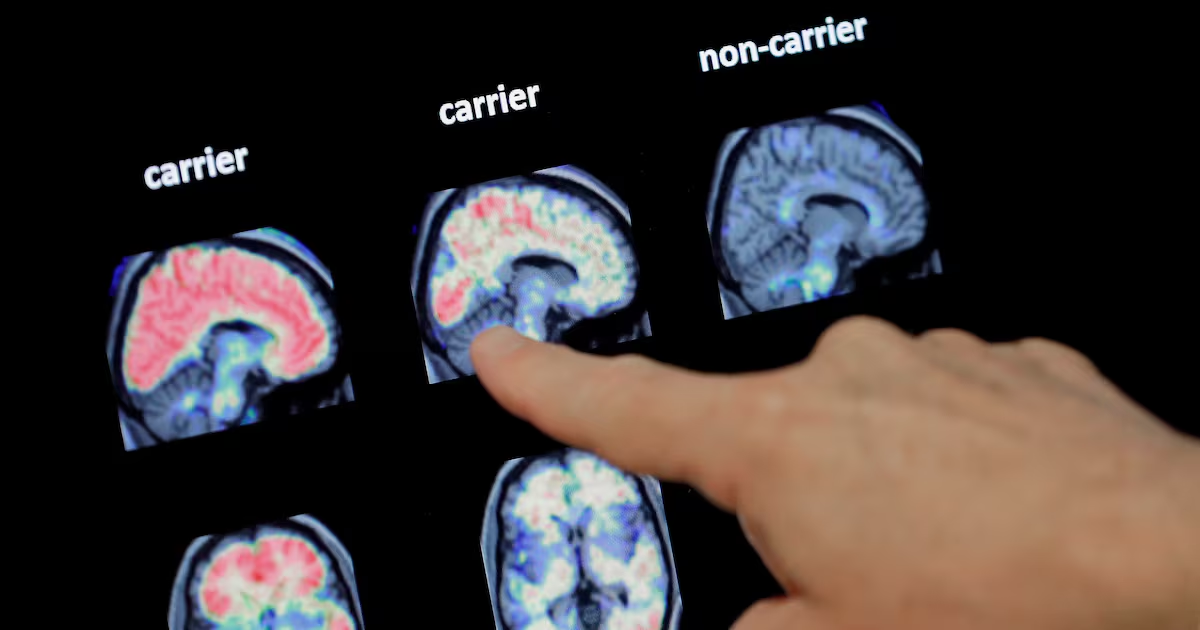
A study by the University of Exeter and Maastricht University, published in JAMA Neurology, has identified 15 risk factors for early-onset dementia, which occurs before age 65. These factors range from genetic markers like the APOE gene to modifiable lifestyle factors such as social isolation, education level, socioeconomic status, vitamin D deficiency, and physical health issues. Experts suggest that physical exercise, a Mediterranean diet, and social engagement can help lower the risk of developing early dementia. The study emphasizes the importance of lifestyle measures in the prevention of young-onset dementia.
A new study published in JAMA Neurology identifies 15 risk factors for young-onset dementia, including lifestyle choices and health conditions such as loneliness, vitamin D deficiency, and alcohol abuse disorder. The research, which followed over 350,000 UK Biobank participants under 65, suggests that many of these risks are modifiable, offering potential for prevention strategies. The study highlights the importance of staying physically, mentally, and socially active and managing health conditions to potentially delay or prevent dementia.
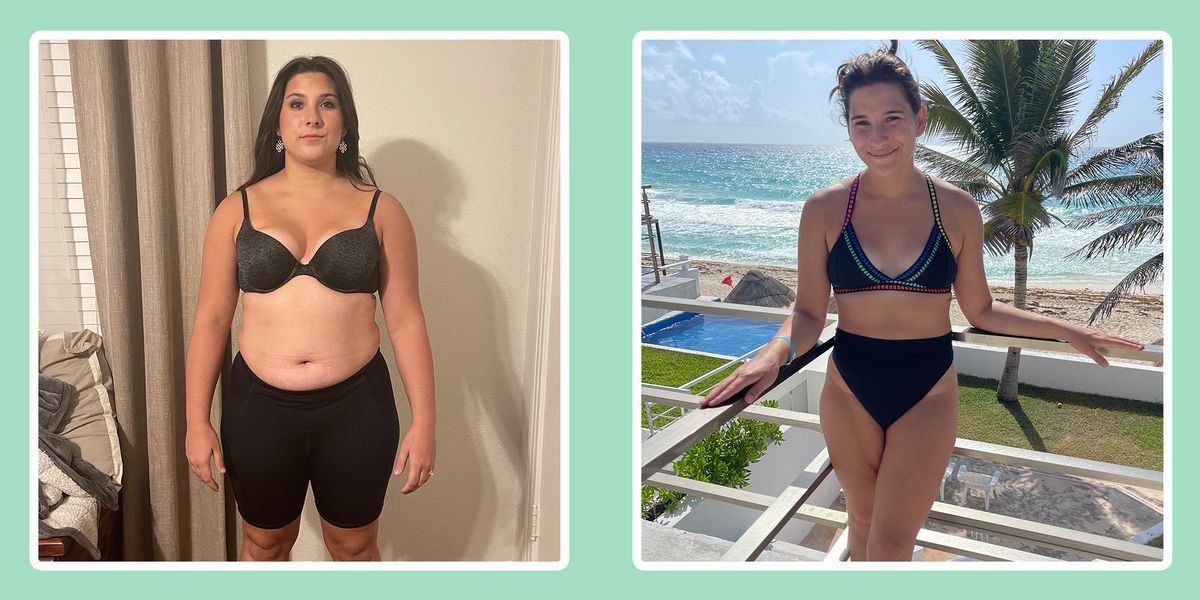
A woman with PCOS and metabolic syndrome struggled with weight gain and related health issues until she was prescribed tirzepatide, a medication initially used for type 2 diabetes but also effective for weight loss. Alongside lifestyle changes, including a healthier diet and fun forms of exercise like pole dancing, she lost 60 pounds and improved her overall health. Despite the high cost and the need to switch to a generic version due to insurance changes, she reached her goal weight and maintained it even after weaning off the medication. Her journey highlights the impact of medical intervention combined with lifestyle adjustments on weight loss and health.
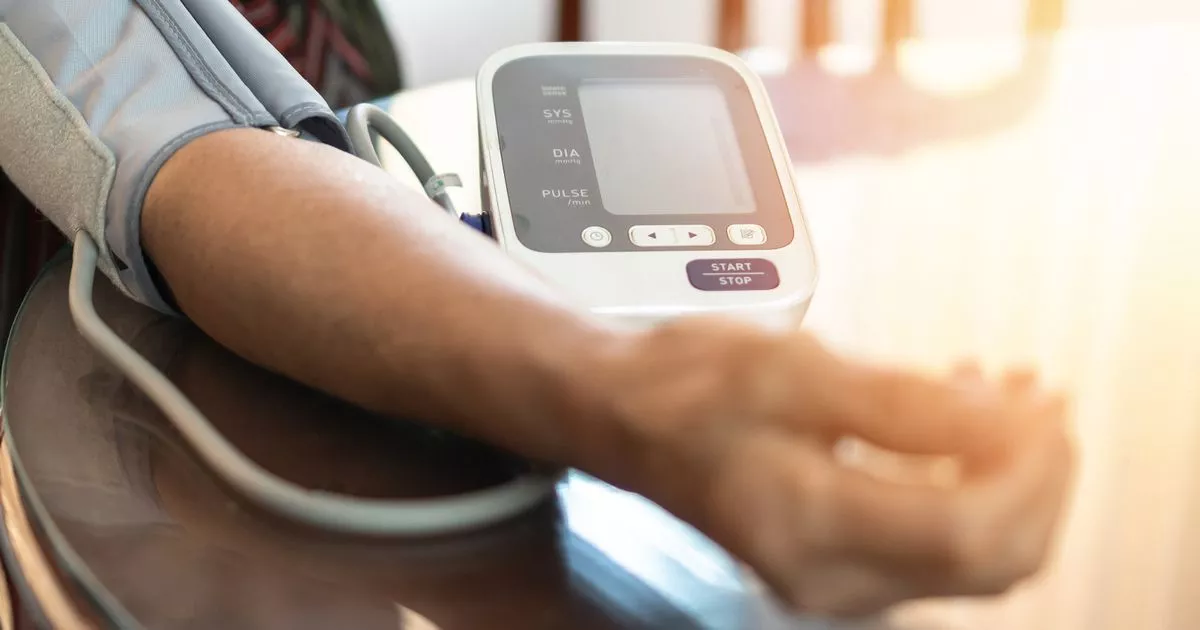
High blood pressure, or hypertension, often presents with no symptoms, making it hard to detect without a professional blood pressure check. However, an unusual symptom such as buzzing in the ears could indicate very high blood pressure, along with other severe symptoms like headaches and chest pain. Regular checks are recommended, especially for adults over 40 and those with higher risk due to ethnicity or family history. Lifestyle changes and medication can help manage high blood pressure and prevent serious complications like heart attacks and kidney damage.
As the New Year approaches, individuals are presented with the opportunity to set resolutions and pursue personal growth. Social psychologist Omid Fotuhi emphasizes the importance of setting achievable goals and the value of the journey towards self-improvement, not just the end result. While some may be skeptical about the tradition, others see it as a chance to recalibrate and set new, realistic objectives. Whether it's running a marathon, learning a new language, or simply holding oneself accountable, the New Year offers a symbolic fresh start for setting and working towards personal aspirations.
As the New Year approaches, individuals are presented with the opportunity to set resolutions and strive for personal growth. Social psychologist Omid Fotuhi emphasizes the importance of setting achievable goals and the value of the journey towards self-improvement, not just the end result. While some may be skeptical about the tradition, seeing it as an exercise in futility, others view it as a chance to recalibrate and pursue new aspirations, such as running a marathon, learning a new language, or simply being more accountable for one's actions. The New Year symbolizes a fresh start and the potential to make positive changes in one's life.