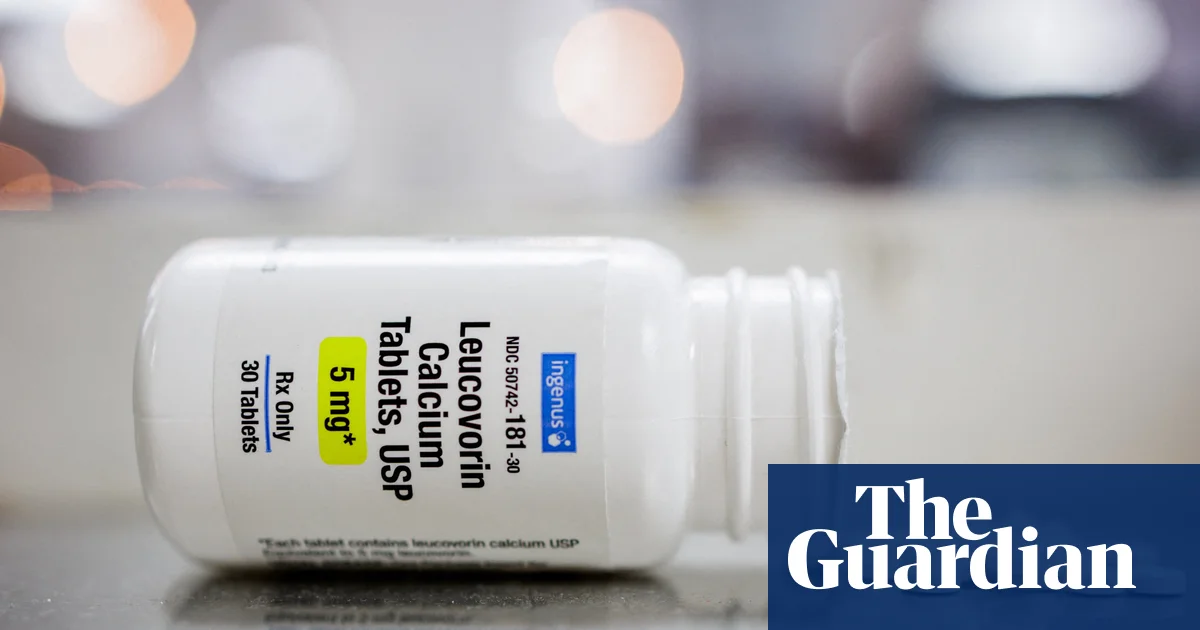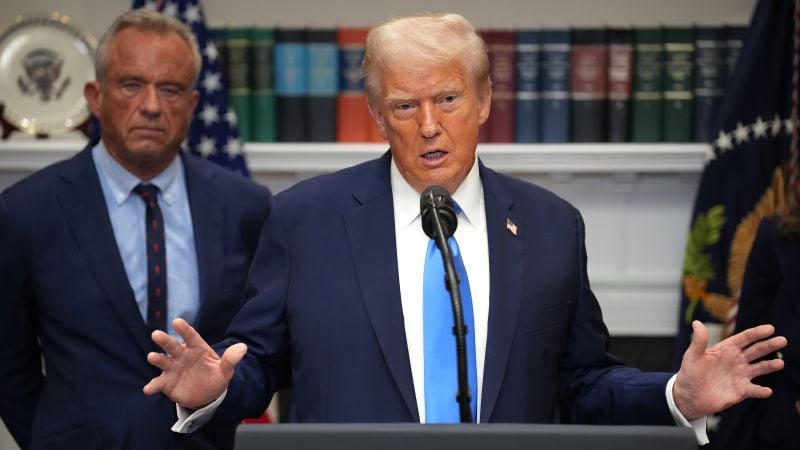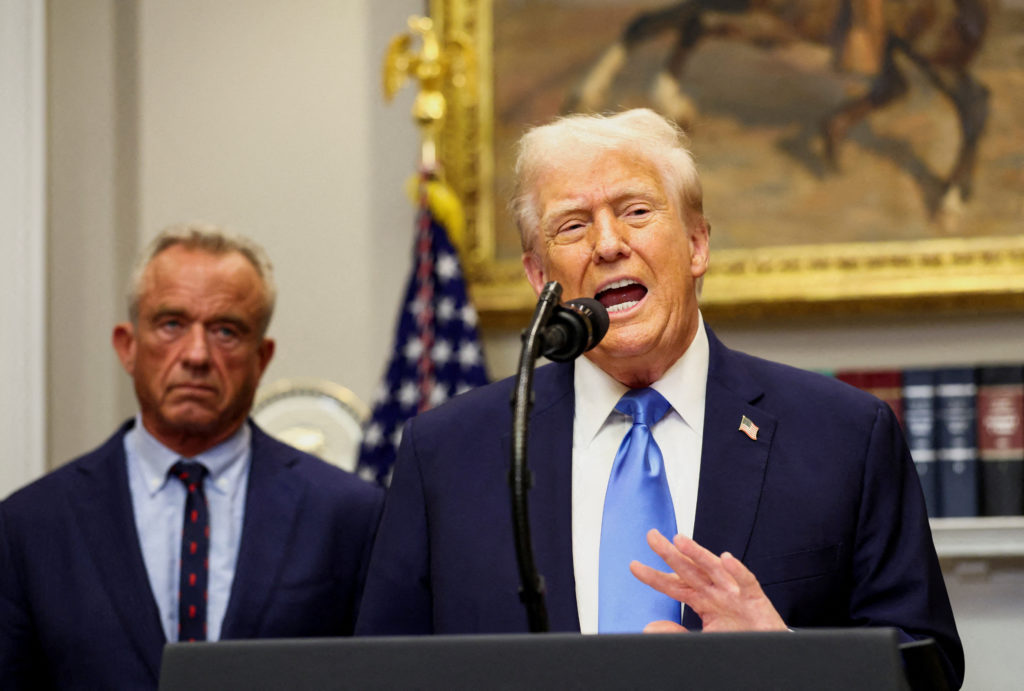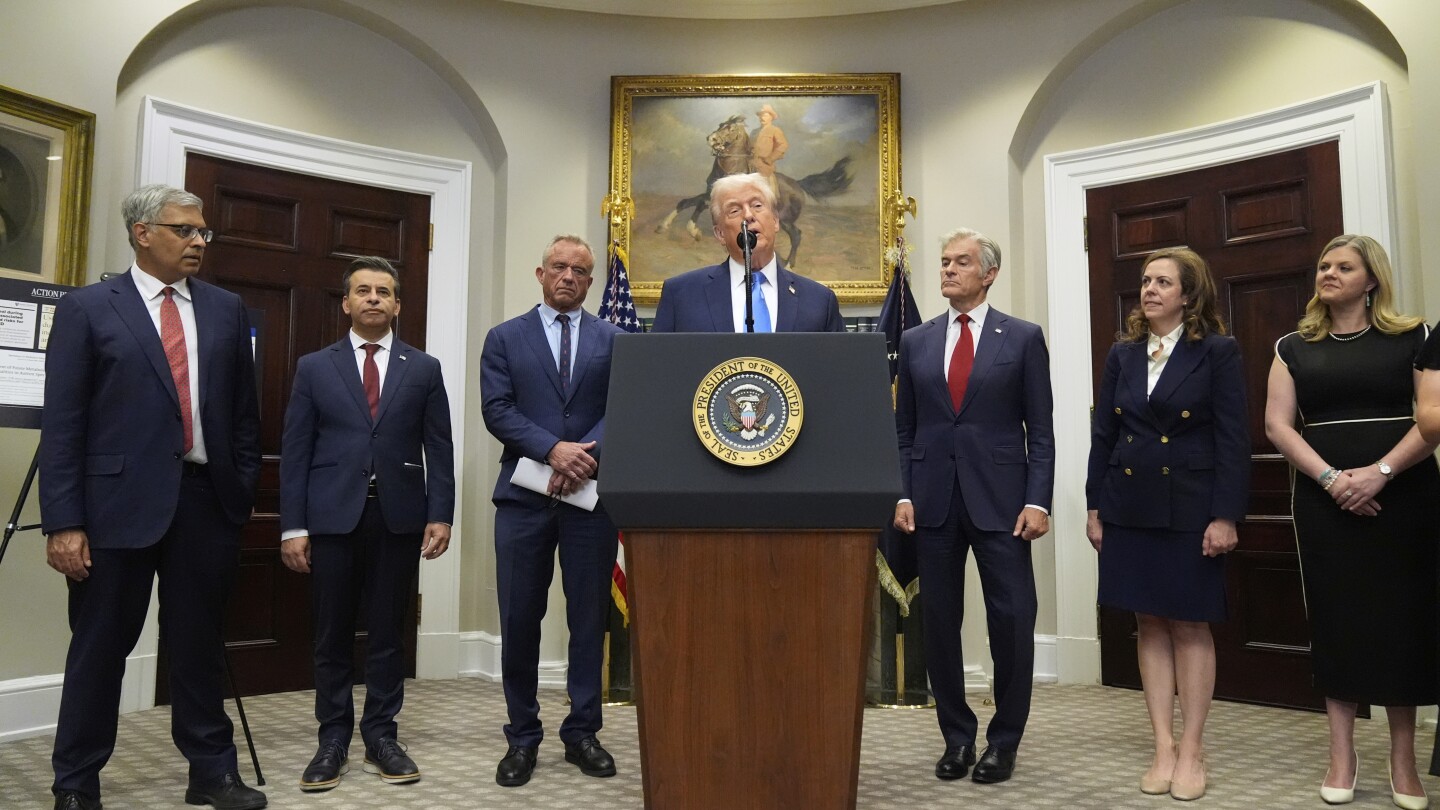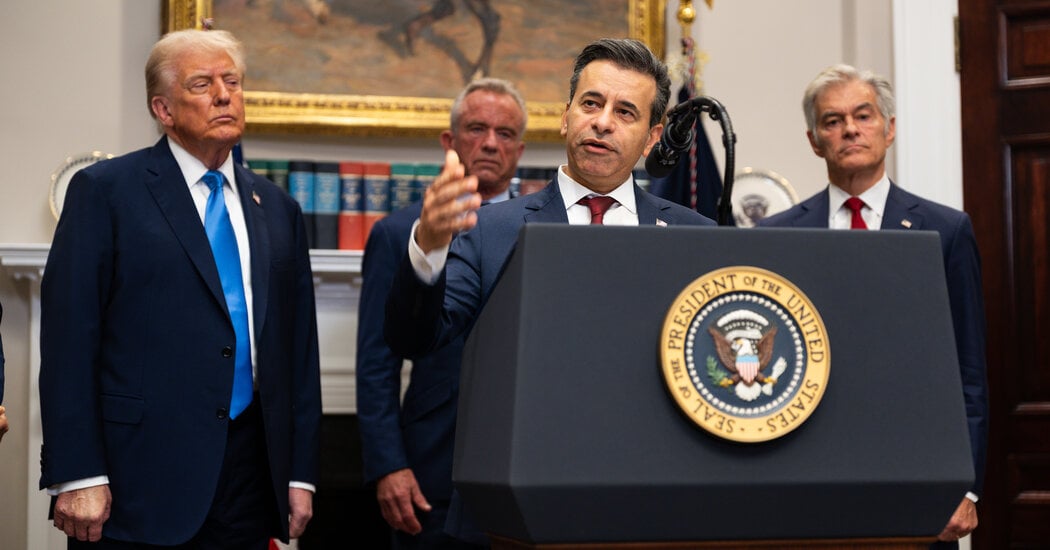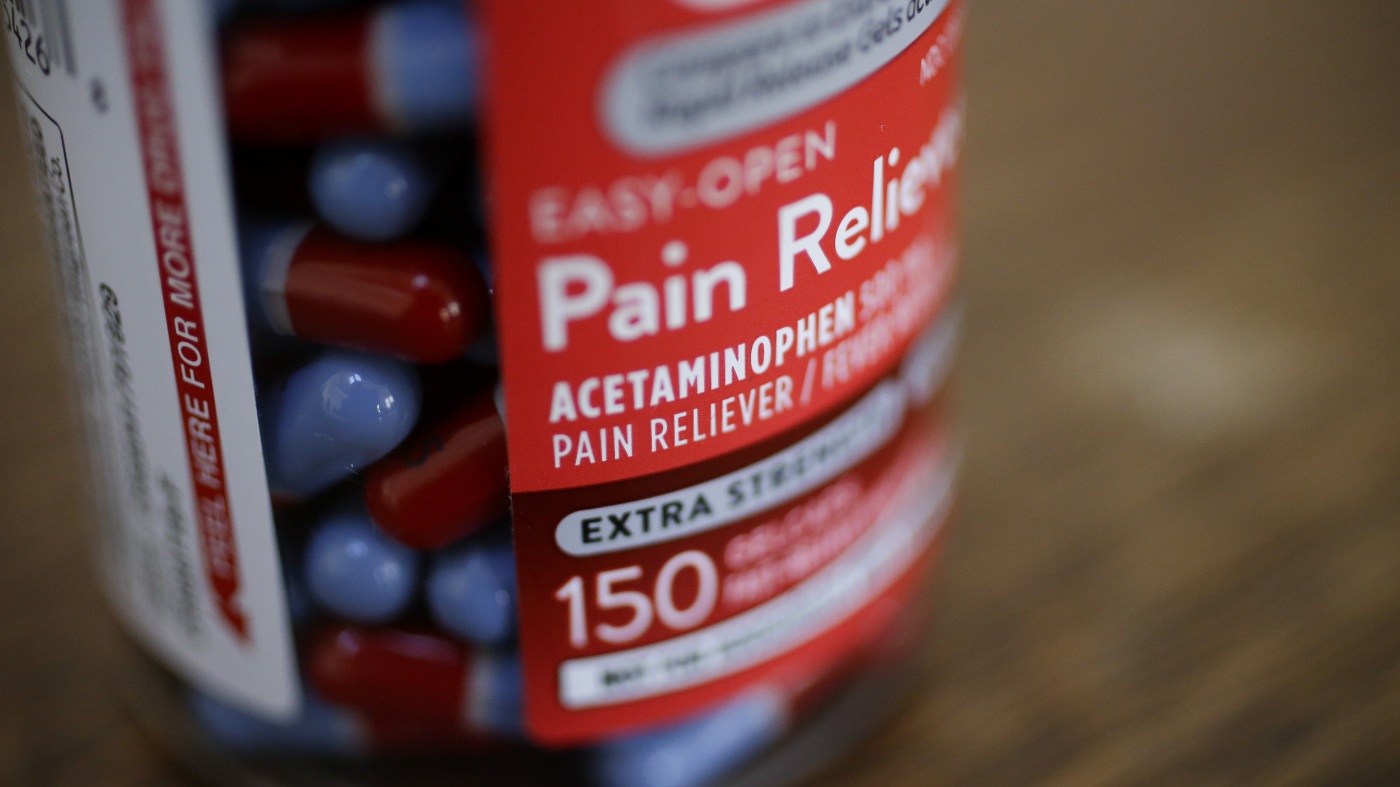
The demand for leucovorin, a drug touted by President Trump for autism treatment, is rising despite limited and small-scale scientific evidence. Doctors are cautious, emphasizing the need for more robust research before widespread prescribing, while families and online communities are increasingly interested in its potential benefits.
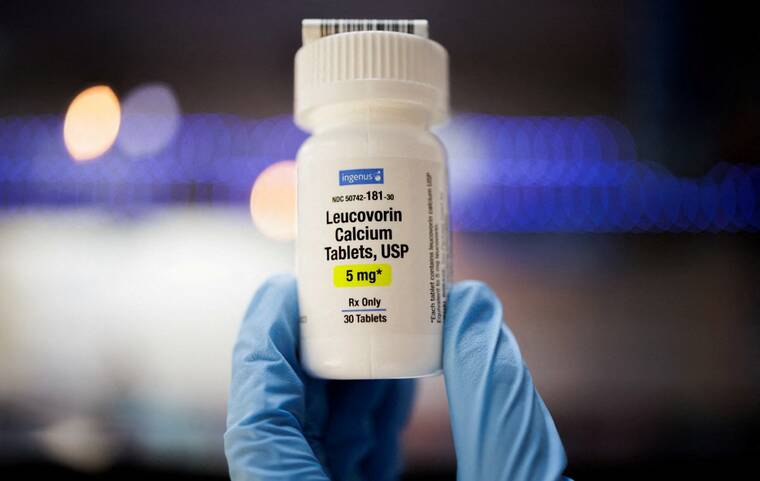
Parents are rushing to use leucovorin, an old drug promoted by President Trump for autism, despite limited scientific evidence, leading to concerns among medical professionals about unproven treatments and safety.
The article advocates for establishing a national patient registry for leucovorin used in autism treatment, emphasizing that while fast-tracking the drug could benefit patients, it necessitates rigorous post-market surveillance to ensure safety and efficacy, thereby balancing regulatory flexibility with scientific accountability.
A researcher discusses the limited and modest benefits of leucovorin in autism treatment, emphasizing that it is not a cure but may help a subgroup with cerebral folate deficiency, while cautioning parents against unrealistic expectations. The article also critiques recent political claims linking autism to pregnancy factors without solid scientific evidence.
Families have been using leucovorin, a drug originally for cancer, to treat autism symptoms, gaining attention after President Trump mentioned it. While some studies suggest potential benefits, the evidence is limited and the FDA's recent move to update the drug's label is considered unusual and controversial due to weak supporting data. Experts emphasize the need for more research and caution in its use.
The FDA approved leucovorin, a vitamin B derivative, as a treatment for cerebral folate deficiency linked to autism, bypassing its usual rigorous approval process, which has raised concerns among experts about the premature endorsement and lack of dosage guidelines, emphasizing the need for further research.
Leucovorin, a drug approved for chemotherapy side effects, is being explored as a potential treatment for autism related to cerebral folate deficiency. While some small studies and anecdotal reports suggest improvements in communication and behavior, there is not enough rigorous scientific evidence to confirm its safety and efficacy for autism, raising concerns about premature approval and unregulated use. The FDA plans to update its labeling to reflect potential benefits, but experts warn against overestimating the current evidence.
The Trump administration approved the use of leucovorin, a vitamin B derivative, as a treatment for autism based on limited and weak evidence, sparking criticism from experts who emphasize the need for more rigorous studies before such treatments are widely adopted. Despite some promising small studies, the scientific community remains cautious, highlighting the importance of controlled clinical trials and the risks of premature approval.
The Trump administration approved leucovorin, a vitamin B derivative, as a treatment for autism based on limited evidence, surprising experts and the drug's original proposer, Dr. Richard Frye, amid ongoing debates about its efficacy and the need for further research.
The FDA has reapproved GSK's leucovorin for treating cerebral folate deficiency, a condition affecting many children with autism, which may lead to increased use of leucovorin-based supplements despite limited evidence of effectiveness for autism treatment.
The FDA unexpectedly approved the old chemotherapy drug leucovorin as a treatment for some individuals with autism, deviating from its usual rigorous review process, which has raised concerns among experts about the potential for hype and the narrowing of the drug's scope.
An autism researcher criticizes President Trump's claims linking acetaminophen use during pregnancy and autism, emphasizing that scientific evidence does not support such a connection, and highlights the safety of the MMR vaccine. The researcher also discusses the limited evidence for leucovorin as a treatment for autism-related speech deficits.
The F.D.A. announced it will relabel leucovorin, a form of folate, to reflect its potential benefits in reducing autism symptoms in children, highlighting ongoing research into folate's role in various health conditions.
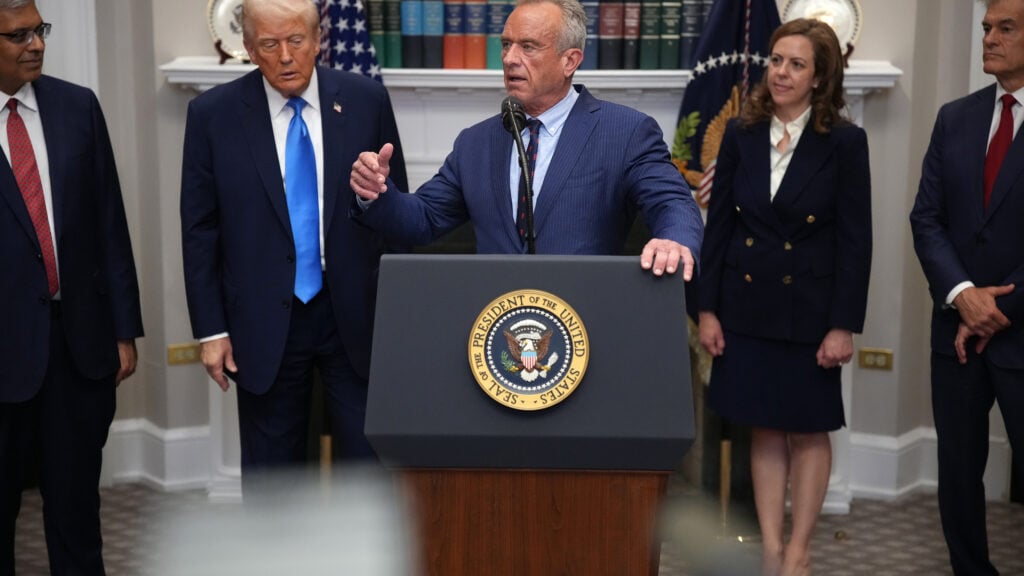
The FDA has reapproved GSK's leucovorin, a drug previously discontinued over 25 years ago, as part of a broader initiative by the Trump administration to explore potential autism treatments, with RFK Jr. promoting its use for autism.
The FDA approved leucovorin, a form of folic acid, which was suggested by President Trump as a potential treatment for autism symptoms, based on data indicating it may improve symptoms related to cerebral folate deficiency, a condition associated with neuropsychiatric symptoms including autistic features.