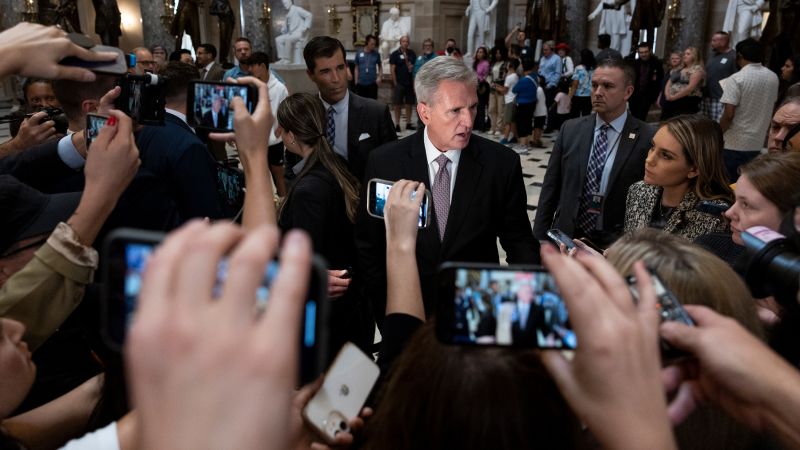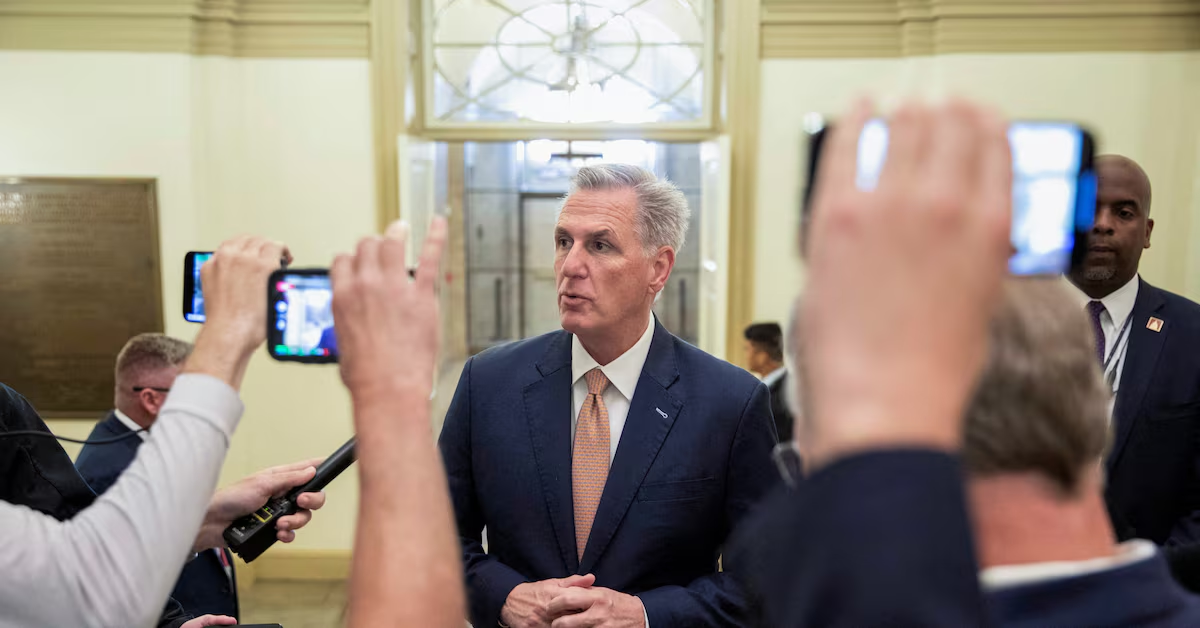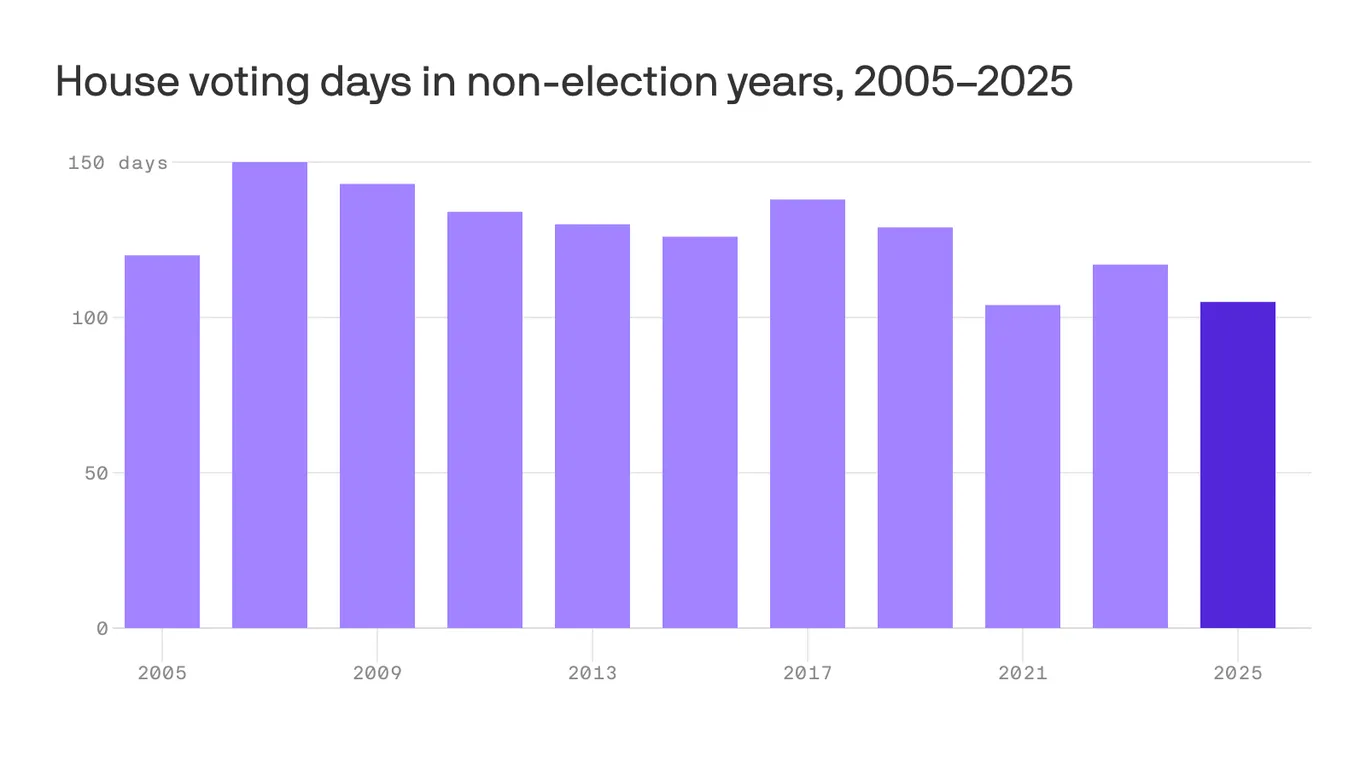
House Speaker Mike Johnson's strategy of limiting floor action and frequent cancellations have led to legislative stagnation and frustration among Republicans, despite some legislative successes, with many members feeling the chamber has been ineffective and sidelined.
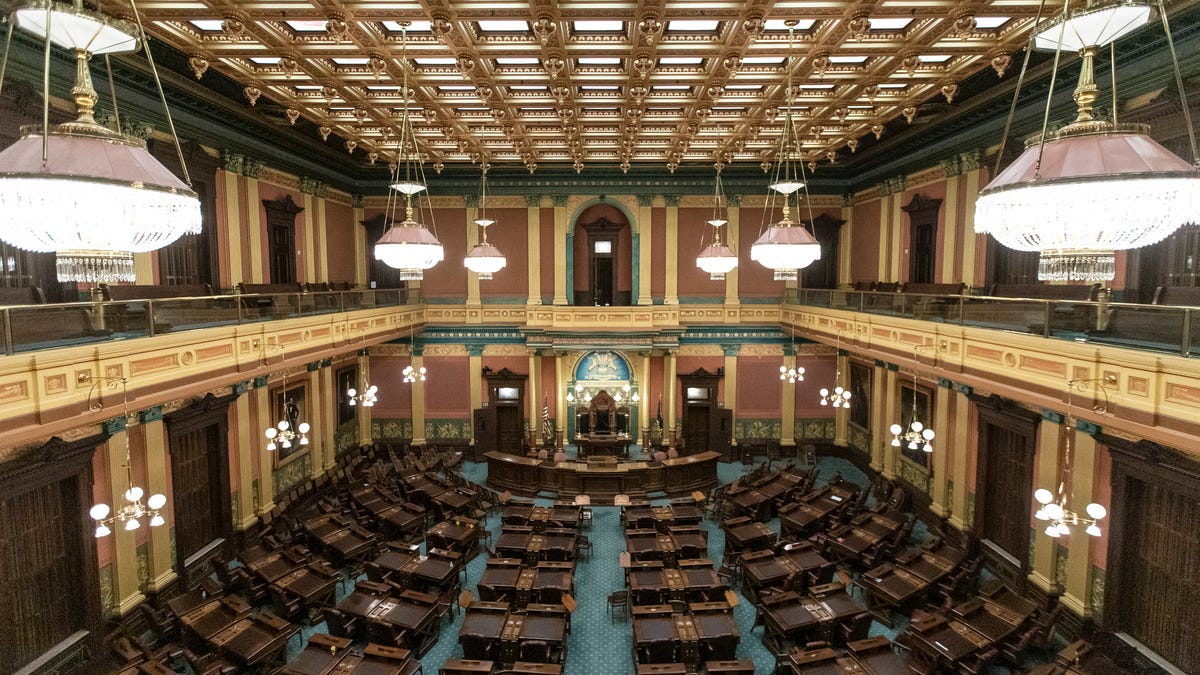
Democrats in Michigan won special elections in two metro Detroit-based districts, restoring their majority in the state House of Representatives. Mai Xiong and Peter Herzberg, both Democrats, secured victories and will join the state House, giving Democrats a razor-thin, one-vote majority. The wins could end the legislative gridlock that has defined the tied chamber for the past several months, allowing Democrats to move forward with their priorities. The Democratic victories were celebrated by the Democratic Legislative Campaign Committee and President Joe Biden's campaign, and the special elections come ahead of the November elections where every seat in the Michigan House of Representatives is up for election.
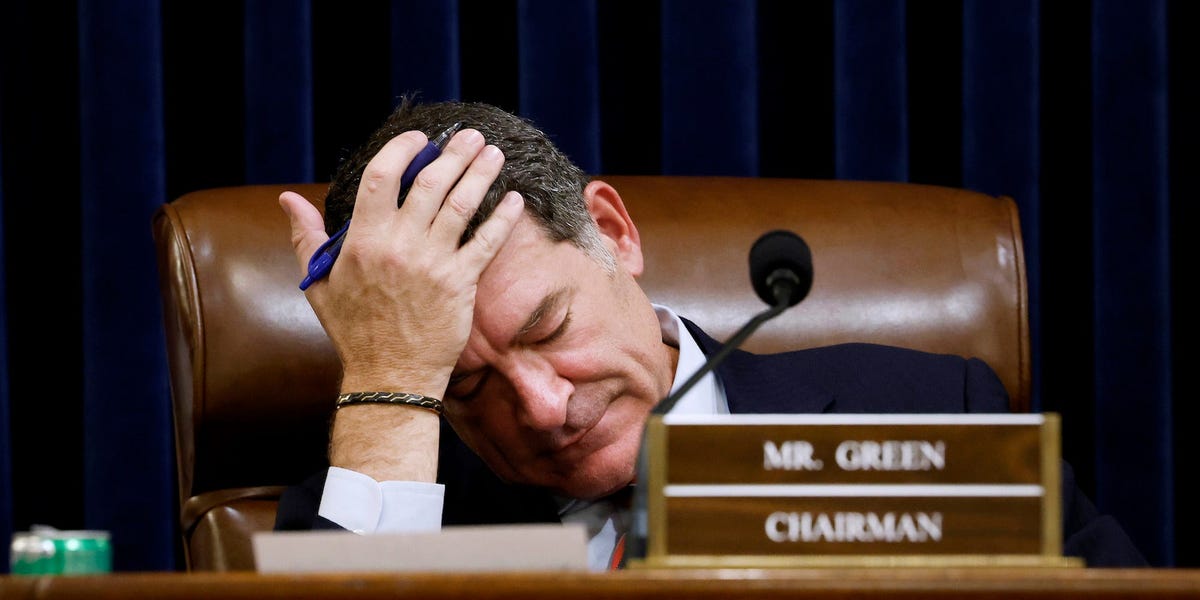
House Republicans, including high-profile members like Rep. Mark Green and Rep. Mike Gallagher, are retiring from Congress, citing frustration with the legislative gridlock and chaos in the chamber. The recent impeachment of DHS Secretary Alejandro Mayorkas was a tipping point for some, leading to a sense of futility in making a difference. The overall lack of productivity and unprecedented chaos in the chamber have contributed to a growing sentiment of disillusionment among Republicans, with several choosing to move on from Congress.
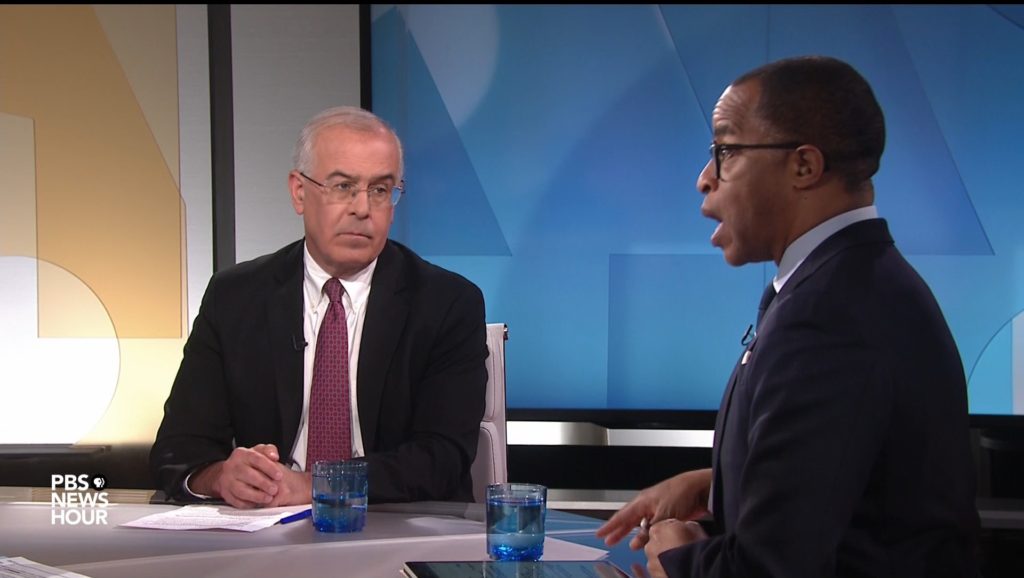
New York Times columnist David Brooks and Washington Post associate editor Jonathan Capehart discuss the US military strikes against Iran-backed militias, the impact on the 2024 presidential race, legislative gridlock on issues like immigration and taxes, and the spread of conspiracy theories targeting popular figures like Taylor Swift. They emphasize the need for a balanced response to prevent escalation in the Middle East and express frustration with the legislative process being hindered by political considerations.
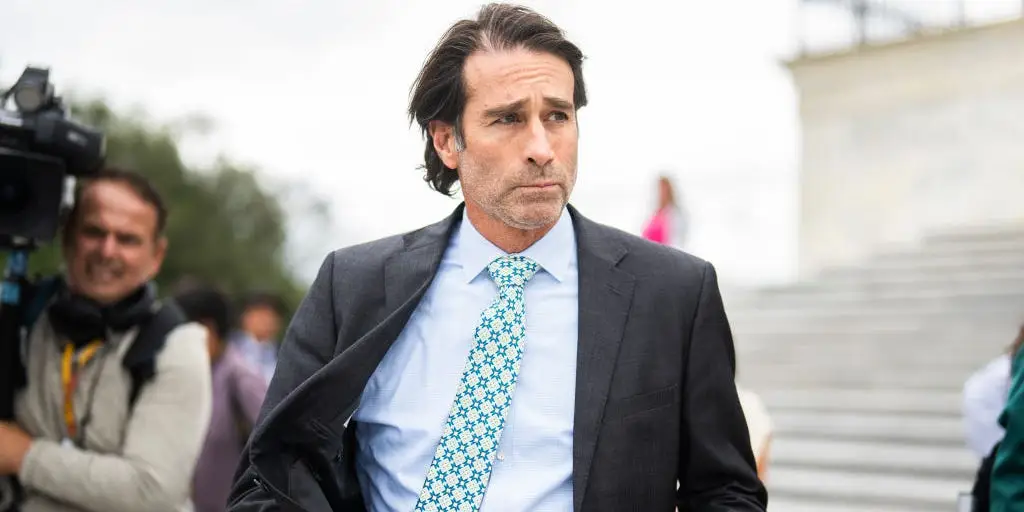
GOP Congressman Garret Graves of Louisiana criticized Congress, calling it a "childish" place that fails to attract the best candidates. He highlighted the recent leadership crises and clashes over short-term spending bills as examples of the immaturity and lack of seriousness in Congress. Graves, who considered running for governor but opted out, expressed concern about the increasing number of lawmakers leaving the House and the influence of far-right conservatives within the Republican Party.
The House of Representatives is experiencing a state of paralysis without an elected speaker, with lawmakers unable to advance legislation or refer bills to committees. The House Republicans are uncertain about the limitations of the interim speaker's role and the enforcement authority of their subpoenas in the impeachment inquiry of President Joe Biden. Despite the chaos, the House Oversight and Judiciary committees plan to continue their investigations. However, the pressure is mounting as government funding is set to expire, and there is uncertainty about the basic rules of House operation. The situation could potentially last for weeks as Republicans work to unify behind a new speaker.
Republican hardline conservatives clash with Speaker Kevin McCarthy over federal government spending as lawmakers return to Washington for the first time since 11 Republicans paralyzed the chamber floor for days last week in protest over a bipartisan debt ceiling bill that passed the House on May 31 without some of the government spending cuts they had demanded. Hardliners could leave McCarthy's narrow 222-213 majority vulnerable to party infighting, potentially complicating passage of key legislation on appropriations, defense authorization, and agriculture and even empowering House Democrats.
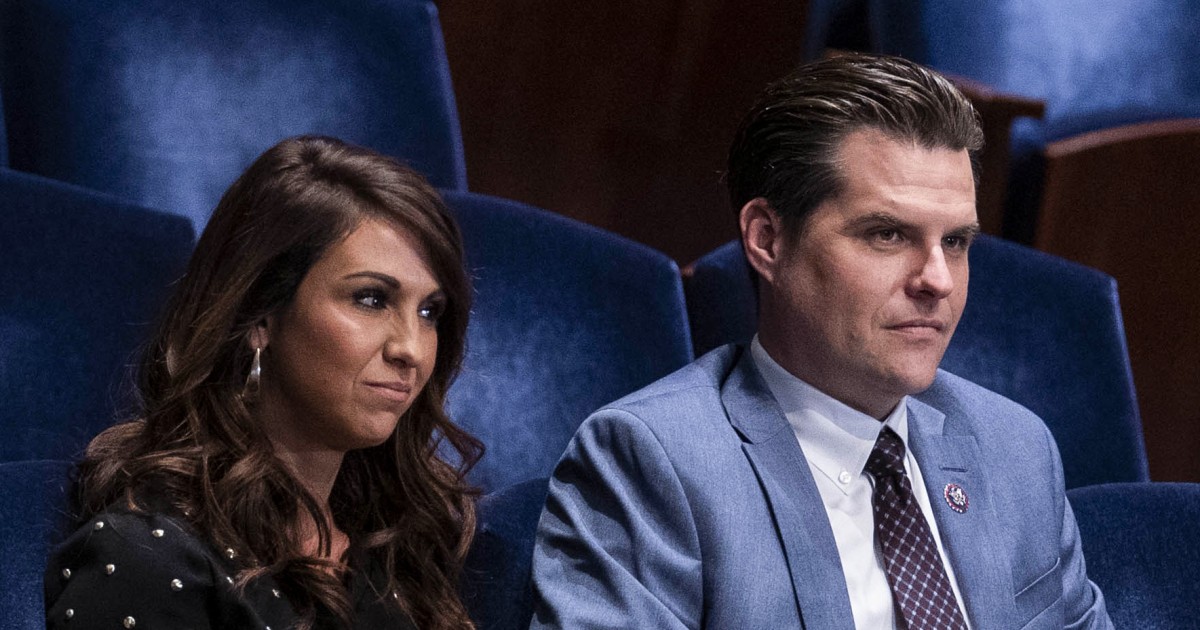
A group of conservative House members, including Reps. Matt Gaetz and Lauren Boebert, are blocking several bills from moving forward in protest of Speaker Kevin McCarthy's handling of the debt deal he struck with President Joe Biden. The conservatives accuse GOP leaders of retaliating against Rep. Andrew Clyde for voting against the rule on the debt package last week. The revolt has ground legislating on the chamber floor to a halt, undermining the GOP majority and McCarthy's power. It is unclear what the conservatives are demanding of leadership.
Members of the ultraconservative House Freedom Caucus staged a protest vote against Speaker Kevin McCarthy's fiscal compromise with President Biden to suspend the debt limit, effectively shutting down the House floor for several hours. The move reflects the bitter acrimony lingering in the Republican ranks after the passage of the debt limit measure last week and underscores McCarthy's lack of control over his fractious conference. The protest vote weakened McCarthy substantially, undercutting his ability to pass bills in a chamber where they can normally afford to lose no more than a handful of votes.
The Republican walkout in the Democrat-controlled Oregon Senate has highlighted the growing political divide in the state, which was once known for bipartisan cooperation and "The Oregon Way." The current crisis threatens to derail hundreds of pending bills, including the biennial state budget, and has disqualified several lawmakers from serving in the next term. The boycott, which began on May 3, is over bills on abortion rights, transgender healthcare, and gun safety. Talks to end the boycott have repeatedly failed, and the last day of the legislative session is June 25.