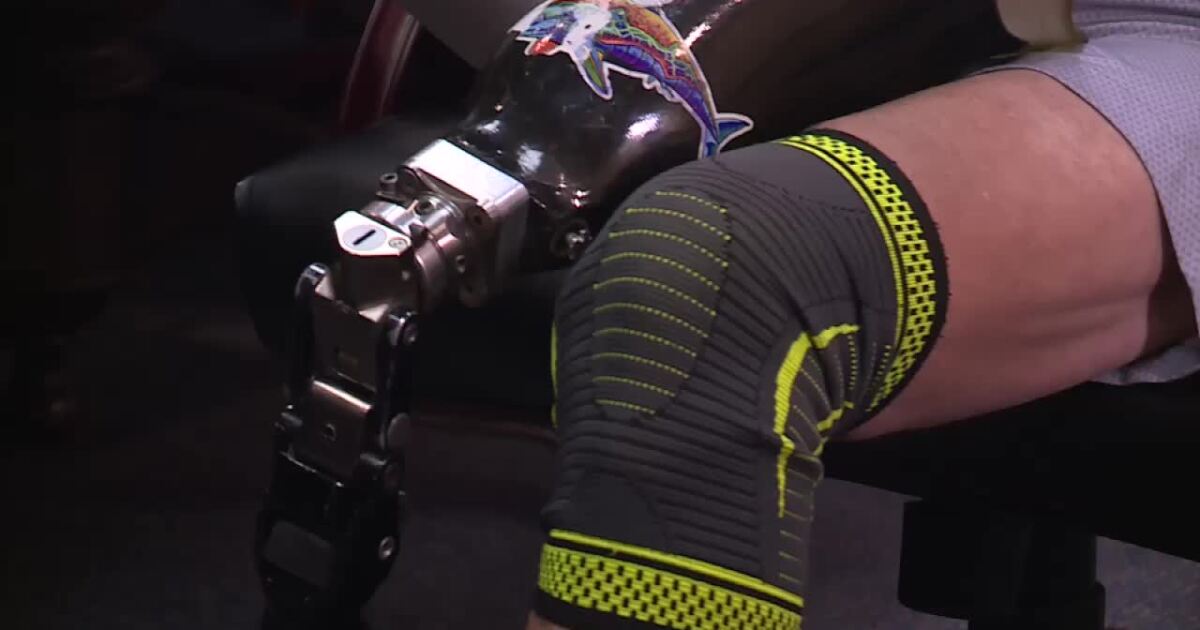
A Martin County man who lost his leg to a flesh-eating bacteria has won a $3.2 million lawsuit against a doctor who allegedly misdiagnosed him, failing to investigate the cause of his complaints and not ordering necessary tests. The jury ruled in favor of the plaintiff, Russell Caughey, who emphasized the importance of seeking a second opinion when receiving medical advice. The hospital, originally a defendant, settled with Caughey, while the doctor has sought to overturn the verdict or set a new trial.
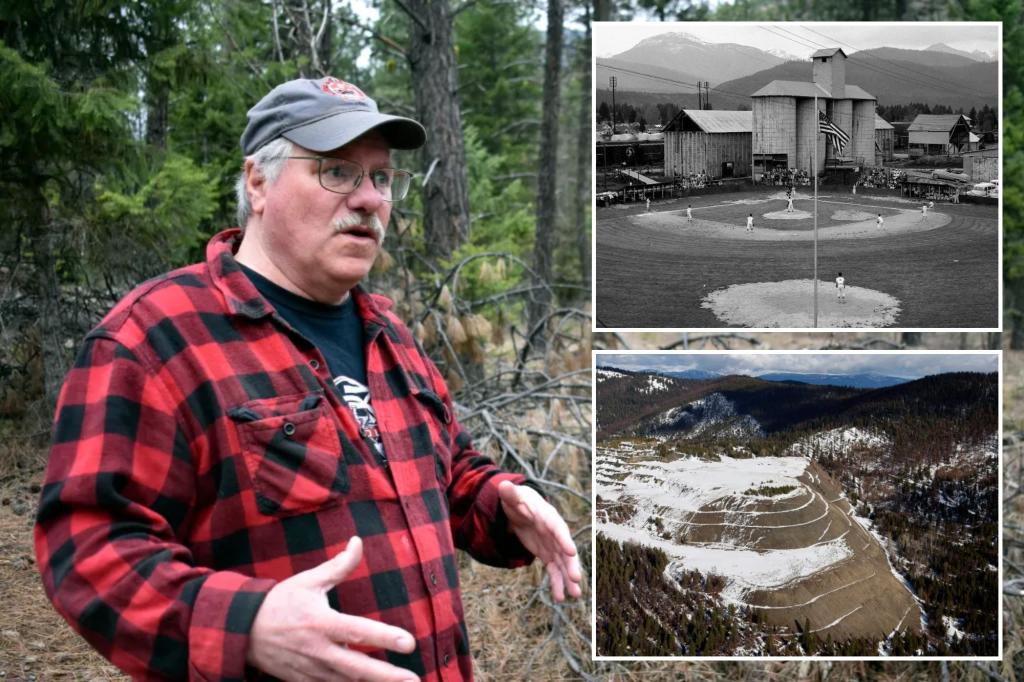
Victims of asbestos pollution in Libby, Montana, are taking BNSF Railway, owned by Warren Buffett's Berkshire Hathaway Inc., to court for alleged negligence and wrongful death related to asbestos exposure from contaminated vermiculite transported by the railroad. Hundreds have died and thousands have been sickened, with the first trial set to begin soon. The EPA declared a public health emergency in Libby in 2009, and a cleanup has cost an estimated $600 million. The railroad denies responsibility, but victims seek justice as they battle asbestos-related diseases.
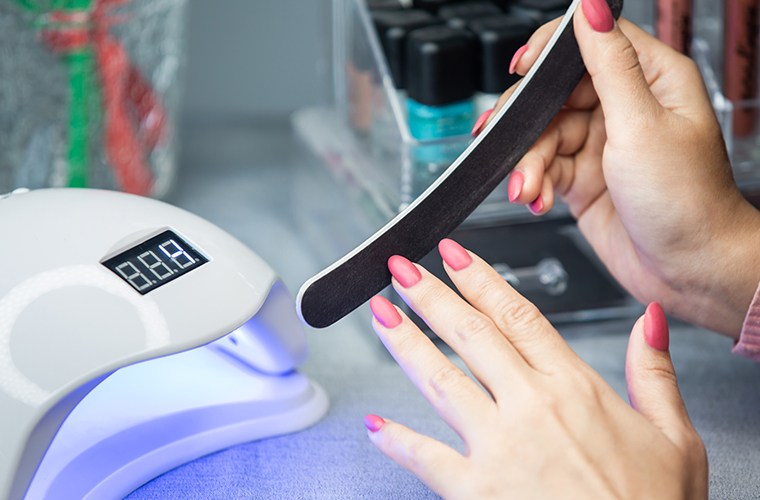
A woman has filed a $1.75 million lawsuit against a Northeast Portland nail salon, alleging that poor hygiene practices during an acrylic manicure led to her contracting genital herpes. The lawsuit claims the nail technician did not wear gloves, used a drill without proper hygiene, and stored the drill bit in an Altoids container. The woman tested positive for herpetic whitlow, and the suit notes previous health violations at the salon.
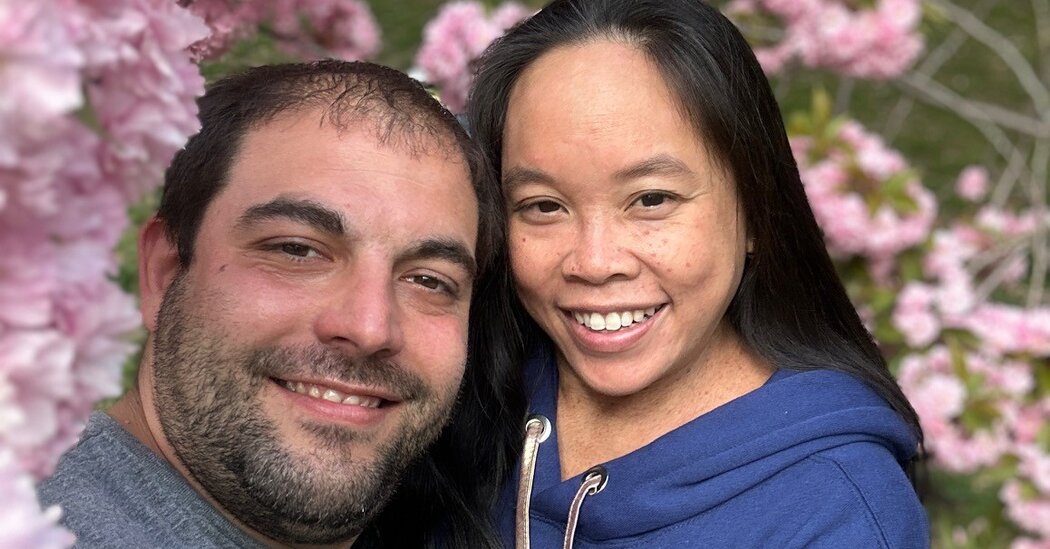
The husband of a Long Island doctor who died of a severe allergic reaction after dining at a Disney World restaurant is suing the Walt Disney Company and the restaurant, alleging that his wife was served dishes containing allergens despite being assured she would not be. The doctor, Kanokporn Tangsuan, had severe allergies to dairy and nuts and died after dining at the Raglan Road Irish Pub in Walt Disney World Resort. The lawsuit claims that her death was "totally preventable" and that the couple trusted Disney's promises to serve allergen-free food.
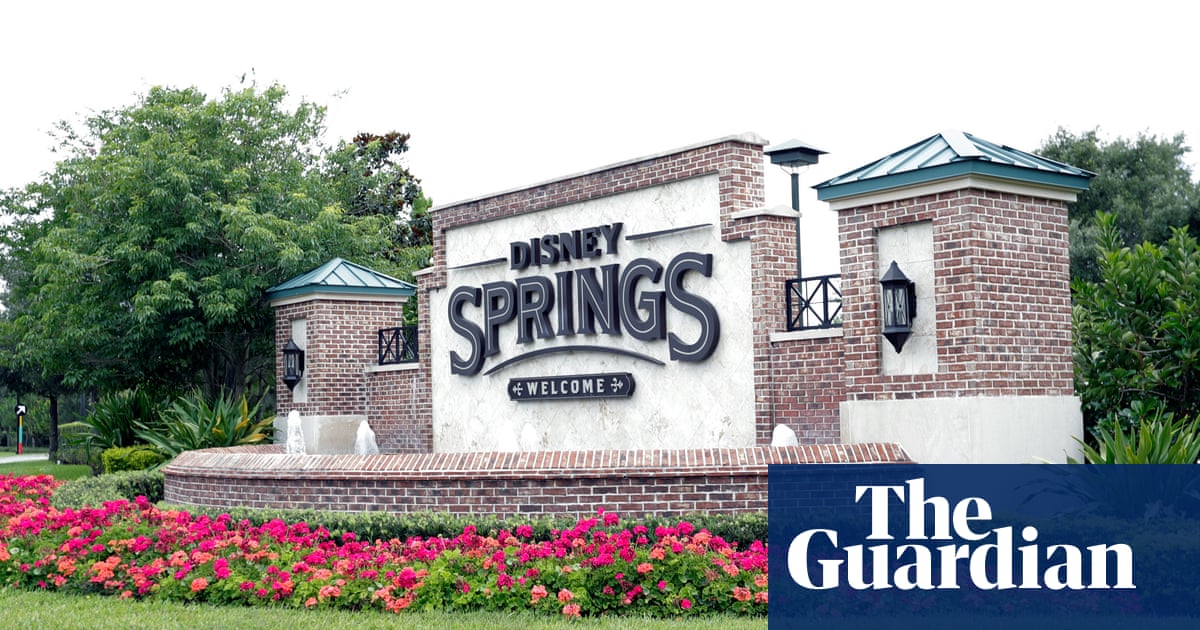
The husband of a New York doctor who died after dining at a Disney Springs restaurant has filed a lawsuit against Walt Disney Parks and Resorts, alleging negligence in her death due to a severe allergic reaction. The doctor, who had a severe allergy to nuts and dairy products, was assured by the waiter that her food was allergen-free, but she later suffered an allergic reaction and died at a hospital. The lawsuit accuses the restaurant of failing to ensure the food was allergen-free and seeks in excess of $50,000 in damages.
A man is suing Walt Disney Parks and Resorts and Raglan Road Irish Pub & Restaurant at Disney Springs in Florida after his wife, a doctor from New York, died from an allergic reaction. The lawsuit alleges that the restaurant failed to properly accommodate her severe food allergies despite assurances from the staff, leading to her tragic death. The husband seeks damages in excess of $50,000 and aims to prevent similar tragedies from happening to other families.
The family of a doctor who died from a severe allergic reaction is suing Disney Springs and a restaurant there after she suffered a fatal anaphylactic reaction to dairy and nuts. The lawsuit alleges that despite informing the waiter of her allergies and receiving assurances that her food would be allergen-free, the restaurant failed to prevent cross-contamination. The doctor collapsed while shopping and later died in the hospital. The medical examiner's investigation determined that her cause of death was the result of anaphylaxis due to elevated levels of dairy and nuts in her system.
A New York-based doctor died after dining at Raglan Road Irish Pub in Disney Springs, with her husband now suing Walt Disney Parks and Resorts and the restaurant. The lawsuit alleges that despite assurances from the waiter that the food was allergen-free, the doctor suffered a severe allergic reaction and died. The lawsuit claims negligence on the part of the restaurant and Disney Parks and Resorts, seeking damages in excess of $50,000.
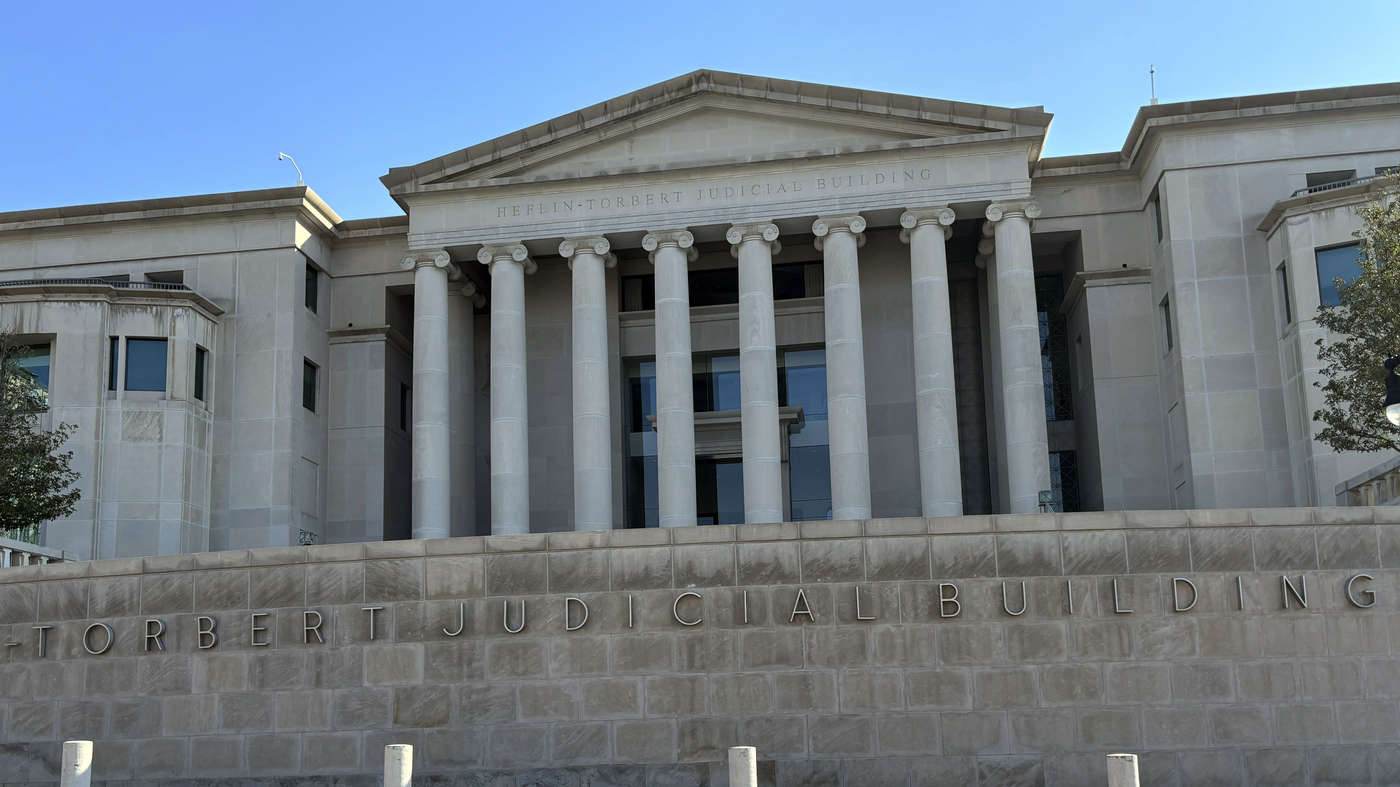
The Alabama Supreme Court ruled that frozen embryos can be considered children under state law, a decision that could have significant implications for fertility treatments. The ruling, issued in wrongful death cases involving destroyed embryos, cited anti-abortion language in the Alabama Constitution and has sparked concerns about the future of IVF and embryo freezing in the state. Critics warn that the decision could limit access to modern healthcare, while supporters view it as a victory for protecting the rights of the unborn.
The Alabama Supreme Court has ruled that frozen embryos can be considered children under state law, allowing parents to sue over their destruction. The decision, citing anti-abortion language in the Alabama Constitution, has raised concerns about the impact on fertility treatments and the freezing of embryos, which were previously considered property by the courts. Critics worry about the implications for in-vitro fertilization (IVF) and the rights of patients and providers regarding the freezing, donation, or destruction of unused embryos.
The U.S. Justice Department has sued Tennessee over a law that imposes harsher penalties on HIV-positive individuals convicted of sex work, arguing that it violates the Americans with Disabilities Act. The law requires lifetime registration as a "violent sex offender" for those convicted, regardless of whether they knew they could transmit the disease. The lawsuit seeks to stop enforcing the law, remove convictions from the sex offender registry, and expunge them. The state attorney general's office will review the complaint.
A former student of a North Carolina wilderness camp is suing the program, alleging staff members dismissed her claims of sexual assault by another camper and denied her basic necessities when she attended in 2016. The lawsuit accuses Trails Carolina of creating an environment where troubled children sexually assault each other and failing to provide adequate care for the children in its custody. This comes after a 12-year-old boy died at the camp, prompting a state order for the camp to cease new admissions until an investigation is completed. The lawsuit seeks monetary damages and a jury trial, and the plaintiff hopes to spread awareness and inspire others who have experienced trauma in similar programs.
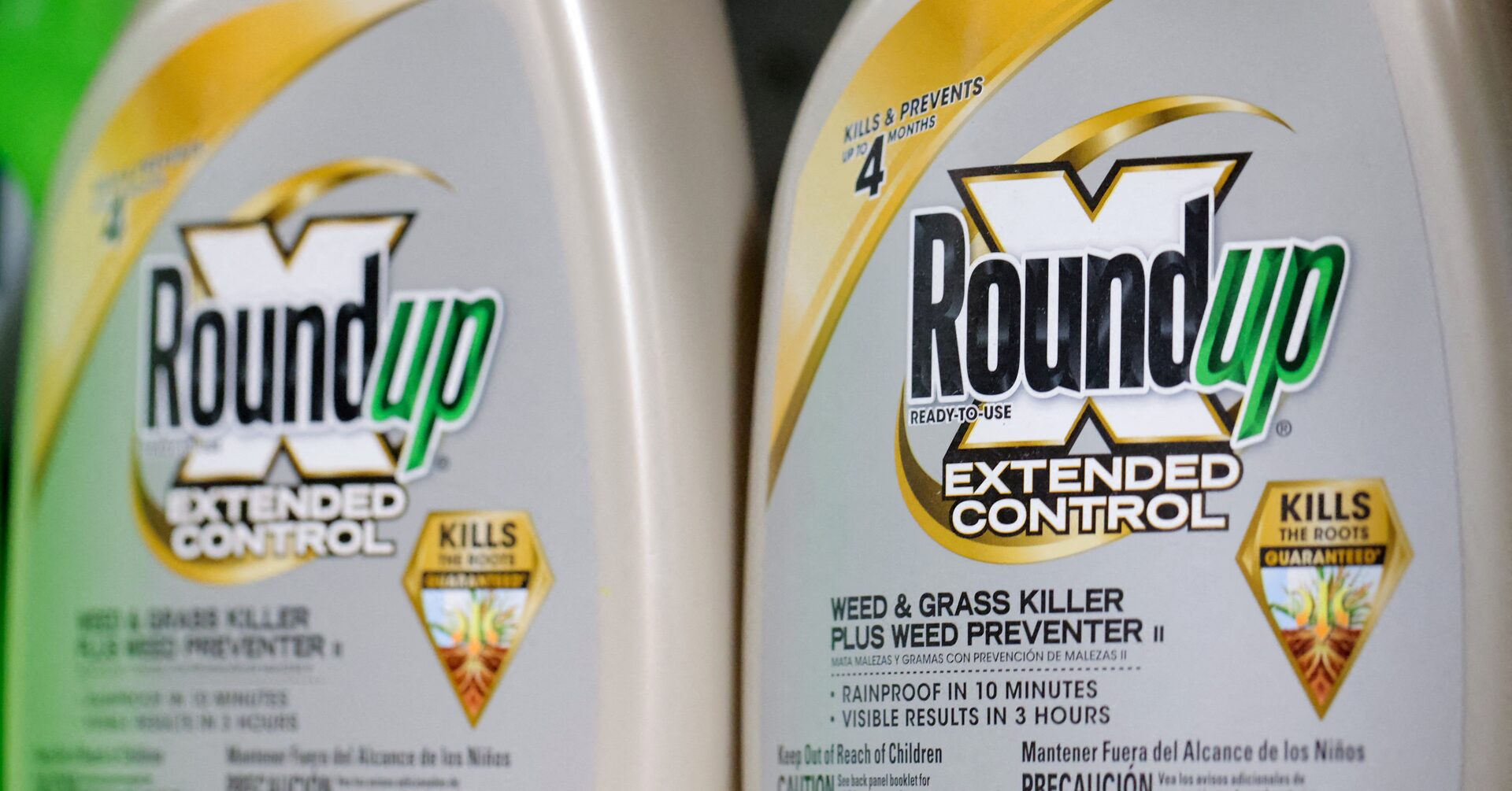
A U.S. appeals court rejected Bayer's argument that federal approval shielded it from lawsuits over Roundup weedkiller, allowing a Georgia doctor's lawsuit claiming Roundup caused his cancer to proceed. Bayer maintains Roundup's safety but faces over 50,000 claims. The court's decision could impact Bayer's liability in similar cases, and the company has been urged to consider settlements. The plaintiff's attorney welcomed the ruling, while Bayer has won 10 of the last 16 trials but faces significant jury verdicts.
A Philadelphia jury awarded a $2.25 billion verdict to a man who claimed his non-Hodgkin’s lymphoma was caused by Bayer's Roundup weed killer, with $2 billion in punitive damages. Bayer plans to appeal the verdict, stating that its products can be used safely and are not carcinogenic. This is the latest in a series of lawsuits against the company, with previous awards including $332 million and $175 million. The World Health Organization suggested in 2015 that glyphosate, the key ingredient in Roundup, is "probably carcinogenic to humans," but the U.S. Environmental Protection Agency later stated that there are no risks of concern to human health when glyphosate is used according to its current label.
A Pennsylvania jury has ordered Bayer to pay $2.25 billion after finding that its Roundup herbicide caused a man's cancer. The jury concluded that Roundup is a defective cancer-causing product and that Monsanto, now owned by Bayer, was negligent and failed to warn about the dangers of the weed killer. Bayer plans to appeal the verdict, stating that its products can be used safely and are not carcinogenic. This is the latest in a series of legal battles over Roundup, with the company having previously paid out over $10 billion in settlements to cancer patients who claimed the herbicide caused their non-Hodgkin's lymphoma.