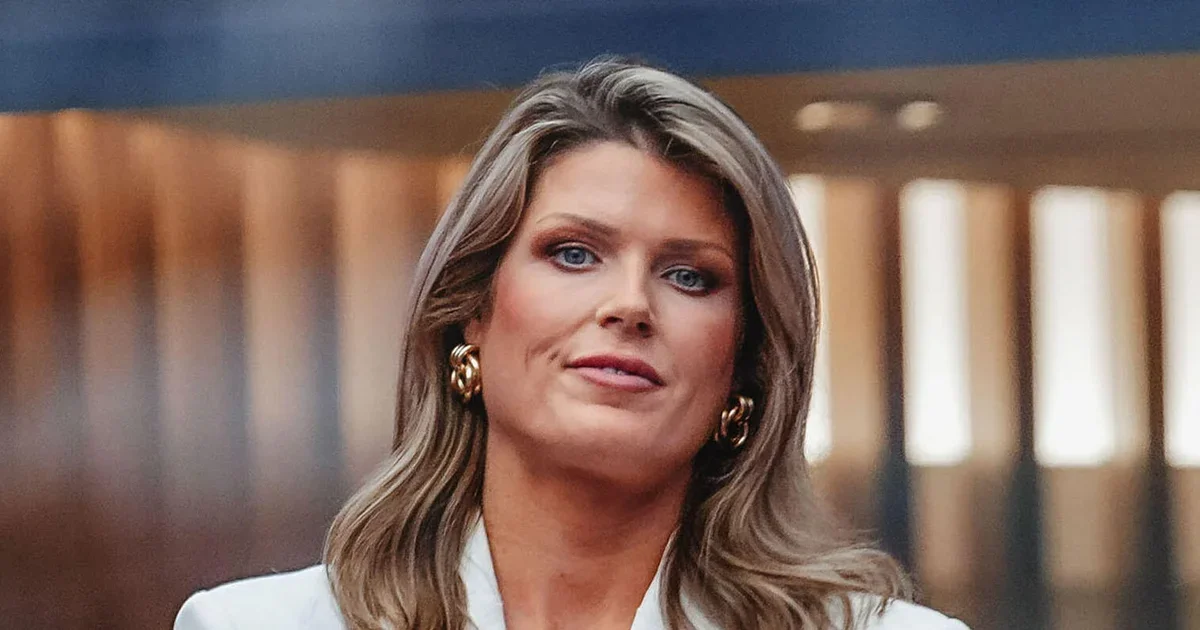
The DOJ is appealing a judge's decision to dismiss cases against James Comey and Letitia James due to their appointments being deemed unlawful, highlighting ongoing legal and political conflicts within the department and efforts to continue prosecuting these figures despite judicial setbacks.
A federal judge criticized prosecutors for their 'indict first, investigate second' approach in the case against former FBI director James Comey, ordering the disclosure of evidence and questioning the fairness of the prosecution process, which may impact the case's validity.
A federal judge ordered prosecutors to produce investigation materials to James Comey's defense, citing concerns over the Justice Department's approach of 'indict first, investigate later' in his case for allegedly lying to Congress. The case involves sensitive evidence and questions about procedural irregularities, with Comey's lawyers seeking transparency and review of seized materials. The case is politically charged, linked to former President Trump's social media influence and ongoing investigations.
The DOJ faces scrutiny over its handling of search warrant materials in the case against Comey, with judges demanding transparency and caution over privileged information, potentially impacting the case's progress and validity.
New court filings reveal that the DOJ alleges James Comey authorized Daniel Richman, a Columbia law professor and former FBI employee, to leak information related to the Clinton investigation, with Comey's attorneys arguing the charges are politically motivated and based on inaccuracies in the indictment.
James Comey is seeking to dismiss a criminal case accusing him of lying to Congress, arguing that the case is an illegal and vindictive prosecution driven by political motives, and challenging the authority of the prosecutor. He claims the case is based on biased reporting and selective prosecution, and his lawyers are requesting permission to gather further evidence to support dismissing the case.
Former FBI Director James Comey has filed motions to dismiss his federal indictment, claiming it was driven by President Trump's personal animus and alleging constitutional violations and improper appointment of the U.S. Attorney. The case involves charges of false statements and obstruction, with Comey's legal team arguing the indictment is retaliatory and unlawfully obtained, while prosecutors raise concerns about potential conflicts of interest and prosecutorial misconduct. A hearing is scheduled for November 19.
Former FBI Director James Comey pleaded not guilty to charges of lying to Congress amid a weak case that may be dismissed, highlighting the political and judicial challenges faced by Trump’s efforts to target his critics, and revealing both the limits and dangers of Trump's influence over the justice system.
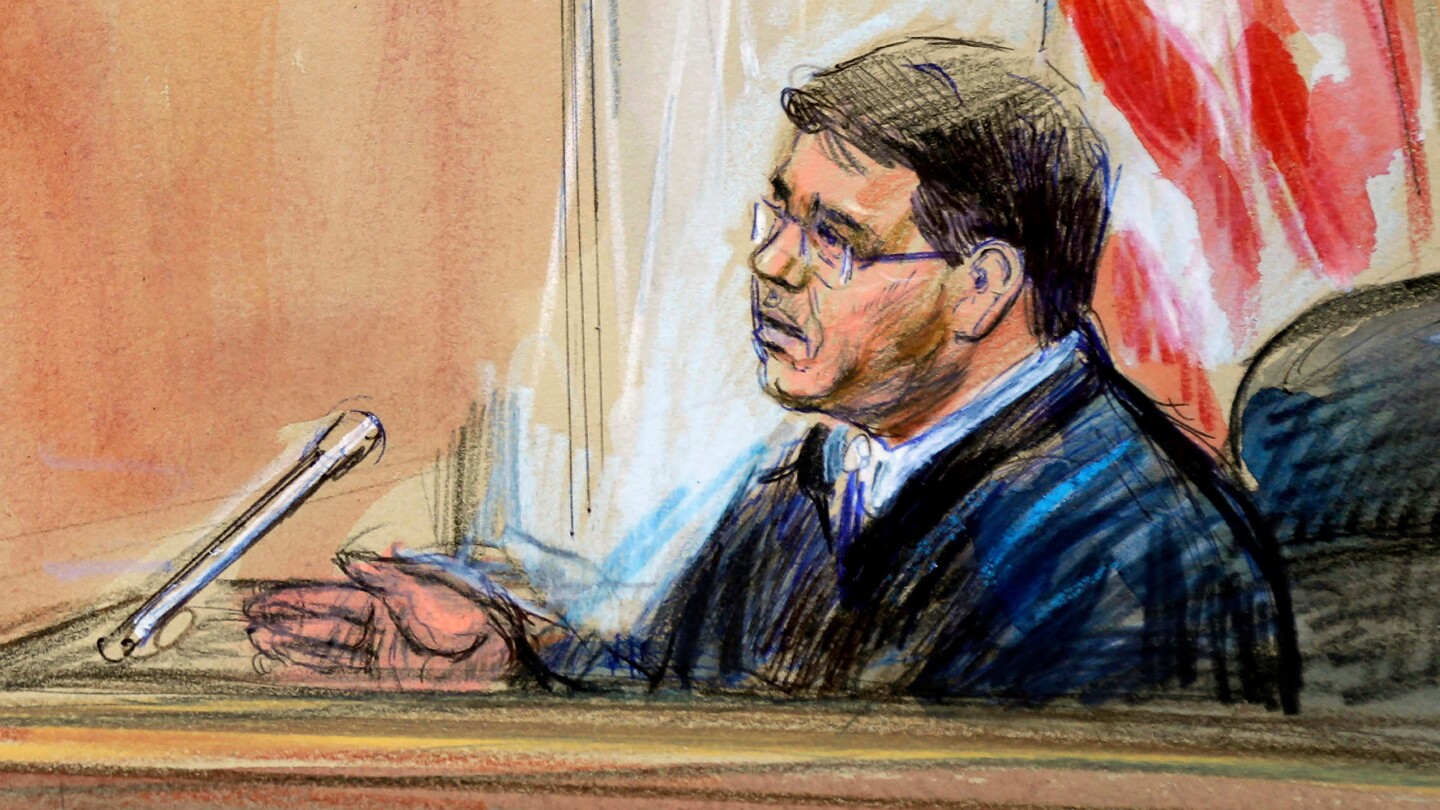
Judge Michael Nachmanoff, appointed by President Biden, is presiding over the prosecution of former FBI director James Comey in Virginia, amid political controversy and accusations from Trump, but is expected to remain impartial due to his reputation for fairness and constitutional rigor.
The Department of Justice has added two out-of-state attorneys to the case against former FBI Director James Comey, who is set for arraignment in Virginia on charges of making false statements and obstruction related to his 2020 testimony, amid internal turmoil within the U.S. Attorney's Office for the Eastern District of Virginia.
An FBI agent was disciplined for refusing to participate in the planned surrender of former FBI director James Comey, who was indicted on charges related to his 2020 testimony; the case is now under court oversight, and Comey plans to plead not guilty.
An FBI agent was relieved of duty for refusing to stage a public 'perp walk' of former FBI Director James Comey after he was charged with making false statements and obstructing a congressional investigation, amid ongoing political and legal tensions involving Trump and his allies.
Former US President Donald Trump’s aggressive efforts to have ex-FBI Director James Comey indicted, including public pressure and interference in prosecutorial decisions, raise concerns among experts about the erosion of judicial independence and the potential for political bias, which could backfire and undermine the case's credibility.
The article argues that the indictment of James Comey is driven by Donald Trump's personal animus and political retribution, citing Trump's own words and actions that show a clear intent to target Comey for political reasons, making the case for dismissing the charges as vindictive and unsupported by sufficient evidence.
The article details the long-standing and escalating conflict between Donald Trump and James Comey, highlighting how Trump's actions, including seeking Comey's prosecution, reflect his growing emboldenment to pursue revenge against perceived enemies, culminating in Comey's indictment by a federal grand jury.