
Private Equity Firms Increase Cash by Selling Stakes and Circular Deals
Private equity firms are selling assets to themselves at a record pace, highlighting unusual activity in the investment sector.

All articles tagged with #asset sales
Private equity firms are selling assets to themselves at a record pace, highlighting unusual activity in the investment sector.

UnitedHealth boosted its earnings by $3.3 billion through discreet asset sales to private equity firms, which helped it meet Wall Street estimates despite rising costs and regulatory scrutiny. These deals, some with buy-back options, were not widely publicized and raised questions about the quality and transparency of the company's earnings reporting.

Medical Properties Trust, a REIT that owns and leases medical properties, saw its shares spike after announcing the sale of its interest in five hospitals in Utah, reducing its debt by $886 million and validating its underwritten lease base. The company also completed another asset sale for $350 million and is aiming for a $2 billion target in asset sales this year. These developments are expected to lower the company's leverage and reduce annual interest expenses, ultimately reducing risk for shareholders. While uncertainties remain regarding its largest tenant, Steward Health Care, the company's progress in improving its financial condition and debt reduction efforts have led to a 'strong buy' rating from investors.

Mercon Coffee Corp, a green coffee supplier based in the Netherlands, has filed for Chapter 11 bankruptcy with plans to sell off assets and wind down operations due to higher interest rates, volatile coffee prices, and supply-chain problems. The company listed assets and liabilities of up to $500 million each in its bankruptcy petition, allowing it to continue operating while selling assets. Mercon, which traces its roots to coffee farms in Nicaragua, has expanded throughout the supply chain in recent years.

Shares of Medical Properties Trust (MPW) dropped 8.6% on Friday, continuing a downward trend caused by rising interest rates and the need to de-lever the business through asset sales. Stifel analyst Stephen Manaker downgraded the stock from buy to hold, citing tight financial conditions and potential issues with recent asset sales. Medical Properties faces challenges in obtaining financing and ensuring rental payments from struggling hospital tenants. The company's future depends on the recovery of its hospital tenants, a decrease in interest rates, and effective cost management.
Diamondback Energy expects to be a buyer, rather than a target, in the ongoing consolidation of the U.S. shale industry. The company raised its full-year oil production forecast and closed asset sales for proceeds of about $1.7 billion. Diamondback also raised its net 2023 production forecast and expects production to grow in the fourth quarter. However, average sales prices fell, leading to a decrease in net income.

Paramount Global shares dropped nearly 9% after media analyst Jessica Reif Ehrlich downgraded the stock to "underperform" in a double downgrade, citing the lack of significant asset sales on the horizon. Despite an upbeat earnings report and narrowing streaming losses, Paramount remains challenged by shifts in advertising and linear TV viewing. Ehrlich's revised price target for Paramount shares is $9, reflecting concerns about the company's elevated leverage levels and negative free cash flow. The question of whether Paramount can continue as it is structured or if a merger is inevitable remains unanswered.
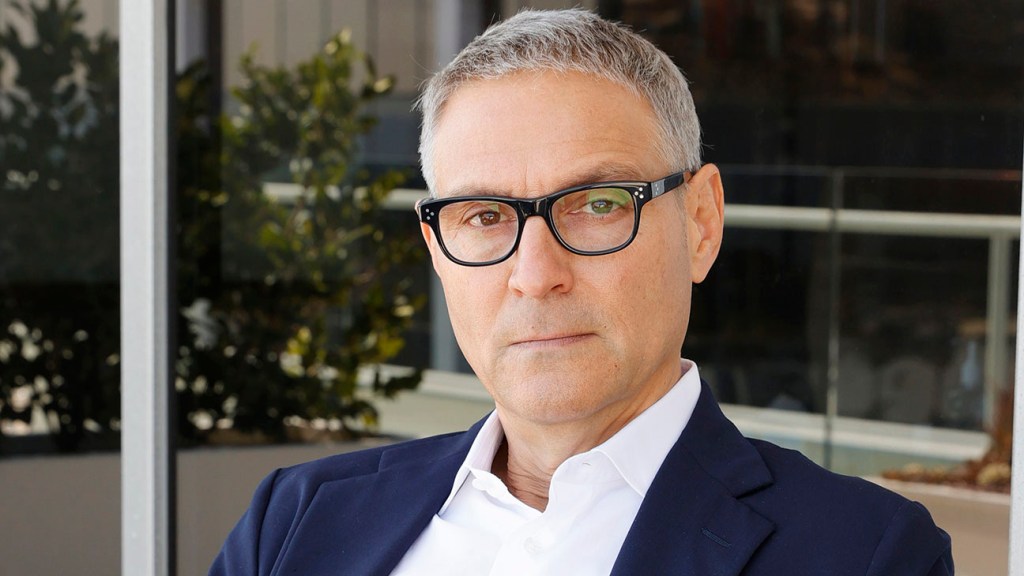
Endeavor, the owner of WME, IMG, and a majority stake in TKO Group, is conducting a formal review to evaluate strategic alternatives for the company. While it is not considering a sale of its stake in TKO, which owns and operates the UFC and WWE, Endeavor believes that selling itself for parts or selling pieces of it could unlock more value for shareholders. The company's executives feel that the market has undervalued Endeavor compared to its assets and recent asset sales.
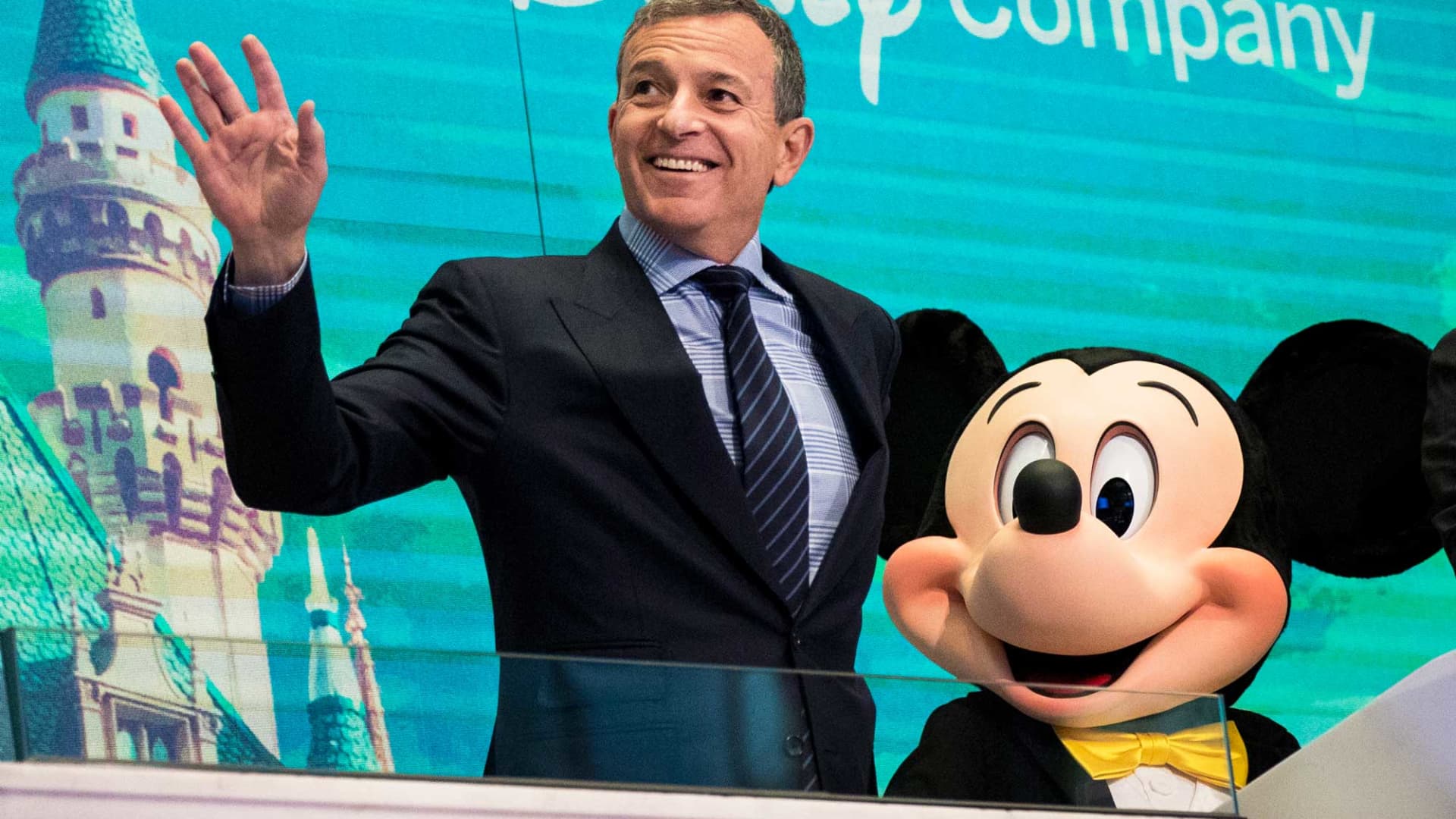
Disney's potential sale of ABC and its owned affiliates, linear cable networks, and a minority stake in ESPN is not primarily motivated by the money it will fetch, but rather to signal to investors that the era of traditional TV is over and Disney is ready for its next chapter. Selling these assets would help Disney lower its leverage ratio and focus on its streaming businesses, which are seen as its future. While no decision has been made yet, potential buyers like Nexstar and media mogul Byron Allen have expressed interest. The declining value of broadcast and cable networks, as well as the changing media landscape, have prompted Disney to consider divesting these assets. However, selling ABC could have implications for ESPN's sports rights deals and future growth. If Disney successfully sells ABC and investors respond positively, it could inspire other legacy media companies to sell their declining assets as well.
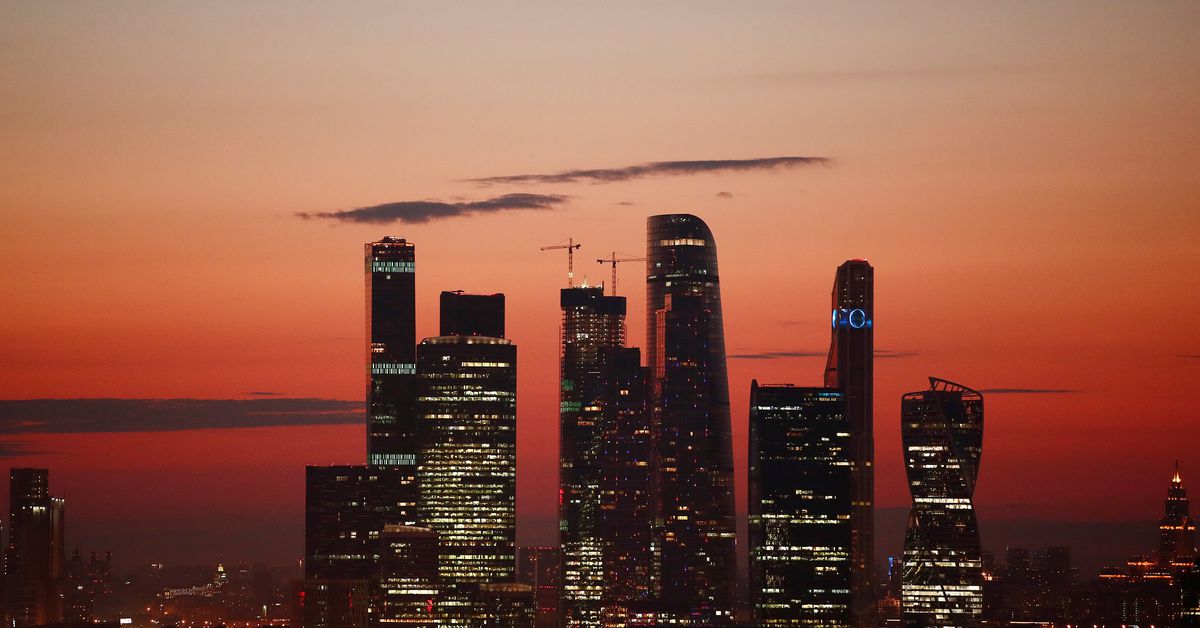
Moscow is demanding larger discounts on the price tags of assets that foreign companies want to sell as they try to exit Russia. This comes as Western companies have already lost over $80 billion from their Russian operations. The Russian government has been tightening exit requirements since Western companies started leaving after Moscow's military operation in Ukraine. Companies currently negotiating exits, such as Veon, Yandex, and Intesa, are facing additional demands for discounts before receiving approval. The government commission that monitors foreign investment has to approve deals involving companies from "unfriendly" countries, and banks and energy companies require President Putin's personal approval to sell. The unpredictable and changing exit process is hindering sales and forcing companies to consider alternatives.
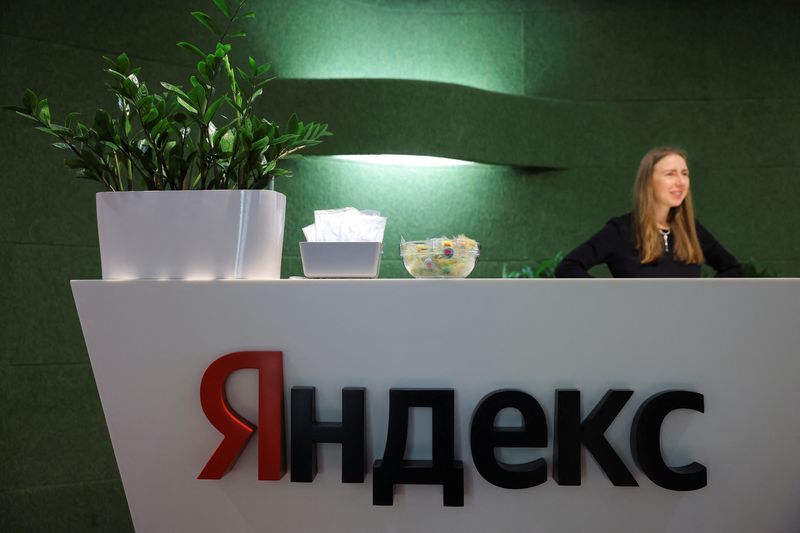
Moscow is demanding larger discounts on the price tags of assets from foreign companies trying to exit Russia, leading to increased costs and difficulties for these companies. Russia has been tightening exit requirements since Western companies started leaving after Moscow's military operation in Ukraine. Some deals are facing demands for additional discounts before the government approves them, and the threat of nationalization looms. Foreign companies have already suffered losses of over $80 billion from their Russian operations. The Russian finance ministry denies forcing final sales prices to be cut but may adjust valuations during the sales process. The corporate exodus is benefiting Russian entrepreneurs and Western companies' rivals and former business partners.
Private equity firm KKR & Co Inc reported a milder-than-expected 23% drop in Q2 earnings, with after-tax distributable earnings falling to $652.6 million. The decline was attributed to a slump in asset sales, which dropped nearly 80% to $146.2 million due to higher interest rates, inflation, and volatility. However, fee-related earnings rose by nearly 31% to $602.3 million, driven by increased fees for syndicating debt. KKR's net income under GAAP was $844.4 million, compared to a net loss of $734.6 million in the previous year, and total assets under management rose to $519 billion.
PacWest Bancorp has sold a $3.5bn asset-backed loan portfolio to Ares Management Corp. in a bid to improve liquidity by selling assets to private investment firms. The portfolio purchased by Ares has an aggregate commitment amount of $3.54bn, including an outstanding principal balance of $2.21bn. Private equity and private credit shops are among the few firms with the capital and appetite needed to buy sizable amounts of consumer assets originated by bigger banks.
PacWest's stock rose more than 6% after announcing a $3.5 billion sale of loans to Ares Management, the latest move by the regional bank to shrink its balance sheet. PacWest is one of several regional lenders that struggled to keep depositors following the March 10 failure of Silicon Valley Bank. However, since then, regional bank stocks have rallied on optimism that the worst was over for regional banks. PacWest has lost 17% of its deposits in the first quarter and posted a loss of $1.2 billion. Year to date its stock is still down 68.5% as of Friday’s close despite rallying from its lows in the spring.
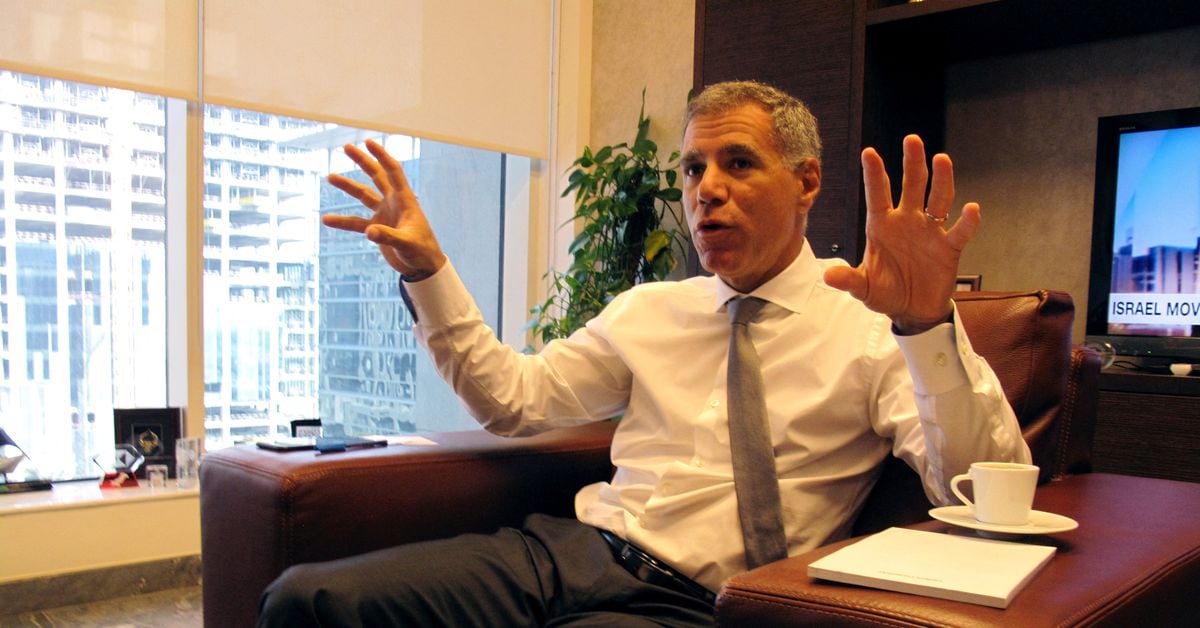
HSBC is considering exiting from as many as 1 in 5 of the countries it operates in to focus on Asian expansion, according to CFO Georges Elhedery. The reviews, which could see the bank deciding to sell or streamline businesses in 12 countries, follow pressure from Chinese shareholder Ping An Insurance. HSBC's ongoing pivot to Asia has already triggered planned sales of all or parts of its businesses in France, Greece, Russia and Canada. The bank is trying to increase income through fee-based products and services, especially in China and Hong Kong where economies are beginning to normalise following the lifting of COVID-19 related restrictions.