Tag

Leap Second

All articles tagged with #leap second

Earth's Rotation Anomalies and Their Implications for Our Planet's Future

Originally Published 5 months ago — by Energy Reporters

Featured image for Earth's Rotation Anomalies and Their Implications for Our Planet's Future
Source: Energy Reporters

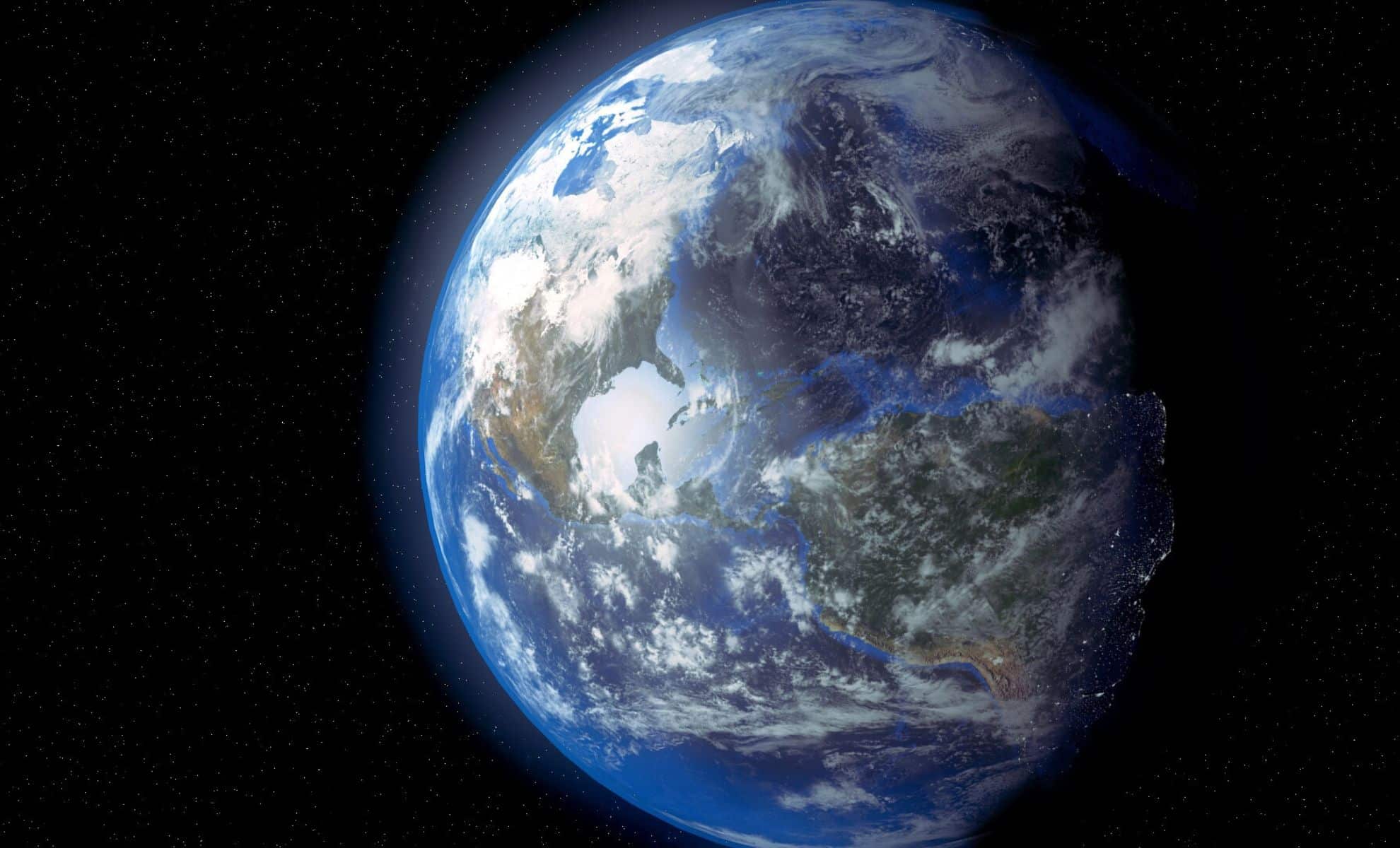
On August 5, 2025, Earth will complete its rotation 1.51 milliseconds earlier, an unexplained acceleration that challenges current scientific understanding and could impact global timekeeping systems, prompting concerns about Earth's dynamic stability and our ability to adapt to rapid planetary changes.
Earth's Shortest Day in History: Scientists Link Speedup to the Moon

Originally Published 6 months ago — by Live Science

Featured image for Earth's Shortest Day in History: Scientists Link Speedup to the Moon
Source: Live Science

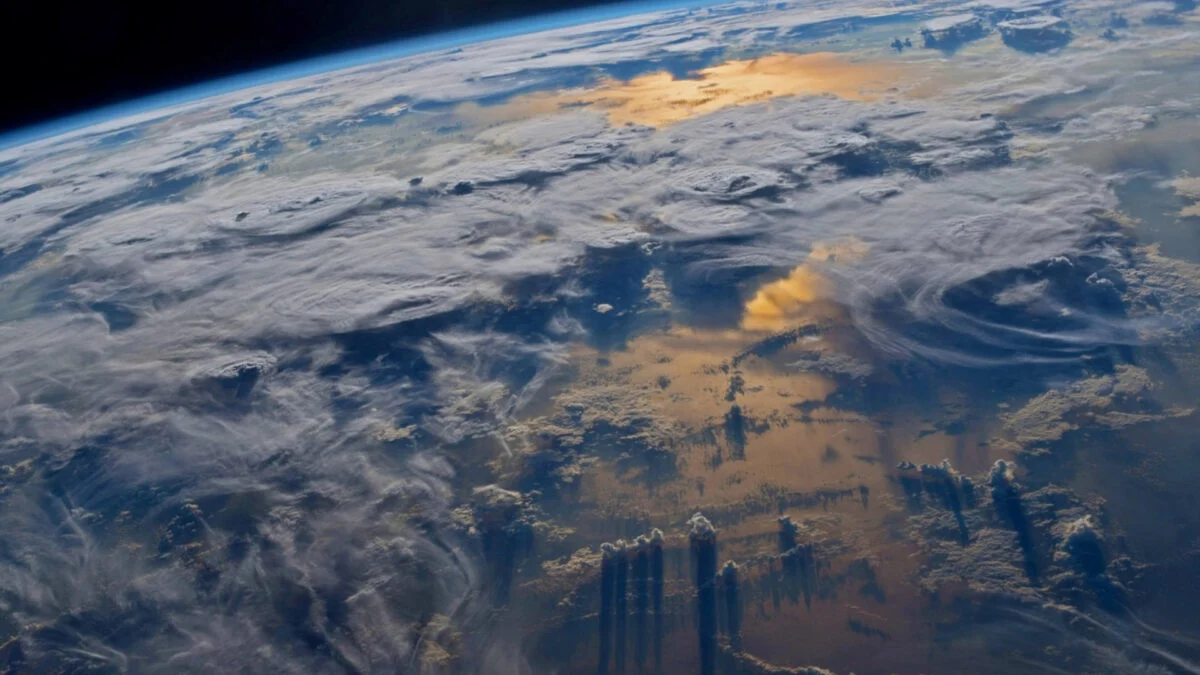
Earth's rotation has been speeding up this summer due to the moon's position, causing days to be slightly shorter, with upcoming days on July 22 and August 5 expected to be the shortest of the year by a few milliseconds. This change is linked to the moon's gravitational influence, and while the milliseconds are imperceptible to most, they are crucial for precise systems like GPS and computers. Historically, Earth's days have been lengthening over billions of years, but recent observations show a temporary acceleration in rotation.

"Climate Change's Impact on Earth's Rotation and Timekeeping"

Originally Published 1 year ago — by Yahoo Life

Featured image for "Climate Change's Impact on Earth's Rotation and Timekeeping"
Source: Yahoo Life

Earth's rotation, which has been speeding up due to dynamics in the planet's liquid outer core, is now slowing down due to the impact of global warming on the polar ice caps. This is likely to delay the need for a deleted leap second until 2028 or 2029. The redistribution of mass from the poles to the world's oceans is causing the slowdown, counteracting the previous speed-up. This unprecedented event, caused by changes in the Earth's rotation, could have significant implications for precise timekeeping in today's interconnected world.

"Human Activities Accelerating Earth's Spin, Prompting Time Adjustment"

Originally Published 1 year ago — by HODINKEE

Featured image for "Human Activities Accelerating Earth's Spin, Prompting Time Adjustment"
Source: HODINKEE

Timekeeping scientists are considering subtracting a leap second from atomic clocks to adjust for the Earth's faster-than-expected rotation due to climate change, marking the first instance of removing a second rather than adding one. The Earth's rotation has been gradually slowing, leading to the addition of 27 leap seconds between 1972 and 2016, but now the melting poles are causing the need for a negative leap-second correction as early as 2026. This adjustment has implications for systems reliant on precise timekeeping, such as GPS satellites and financial transactions, and highlights the complex relationship between atomic timekeeping and our understanding of time.

"Human-Induced Climate Change Threatens Earth's Timekeeping"

Originally Published 1 year ago — by LADbible

Featured image for "Human-Induced Climate Change Threatens Earth's Timekeeping"
Source: LADbible

Planet Earth is set to lose a second due to the acceleration of its rotation, marking the first time in history for such an adjustment. This change, expected to occur in the near future, is a significant event as it disrupts the traditional alignment of time with the Earth's rotation. While not anticipated to lead to a catastrophe, the unprecedented nature of this situation raises concerns about potential unknown problems and risks, prompting world experts to assess the likelihood and implications of eliminating a second from timekeeping.

"Global Warming's Impact on Earth's Rotation and Timekeeping"

Originally Published 1 year ago — by KABC-TV

Featured image for "Global Warming's Impact on Earth's Rotation and Timekeeping"
Source: KABC-TV

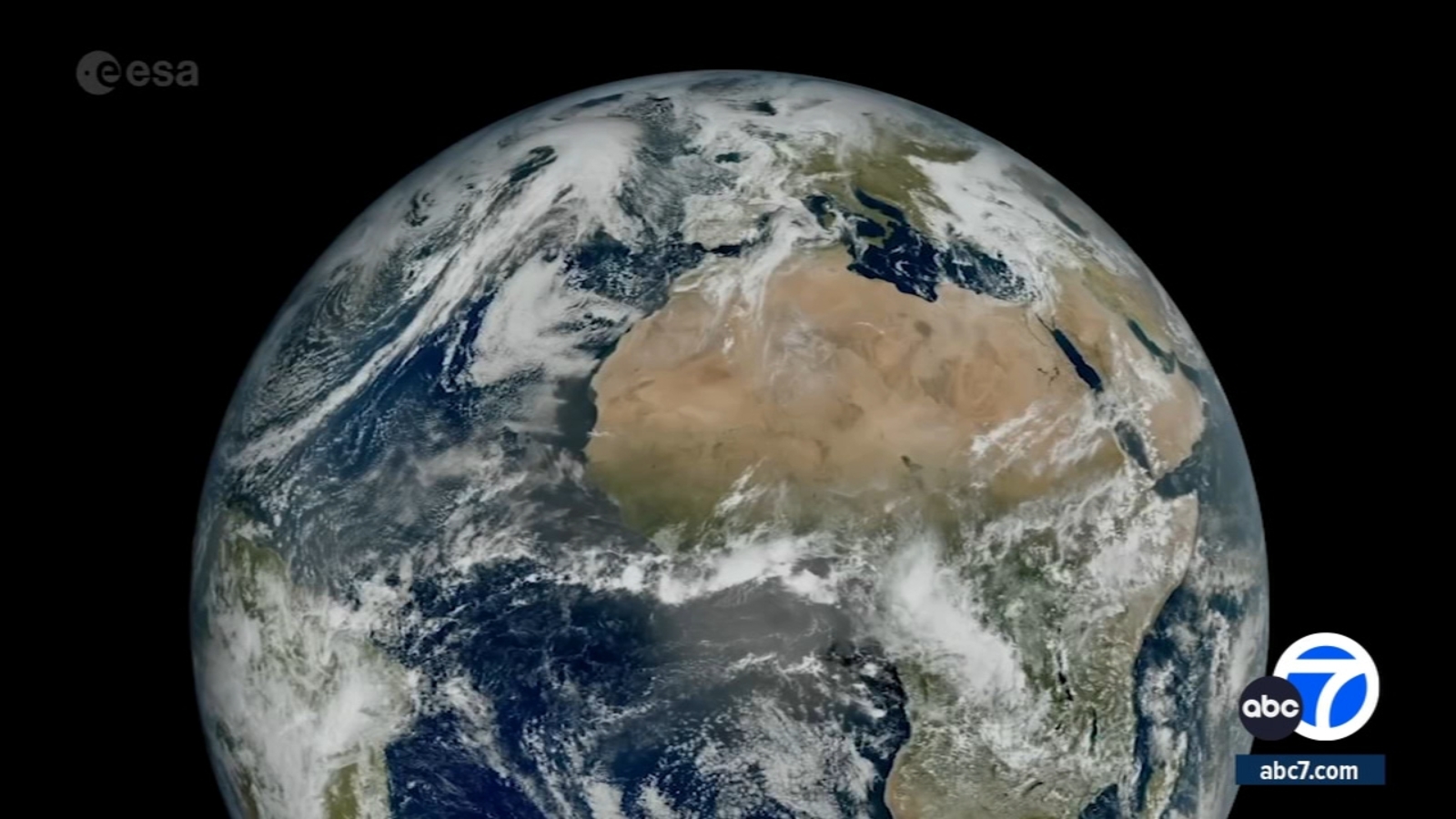
Earth's rotation is speeding up, potentially necessitating the subtraction of a second from world clocks around 2029, a phenomenon known as a "negative leap second." This change is attributed to the planet's hot liquid core and rapid melting of ice at the poles. The discrepancy between astronomical and atomic time, which has been managed through leap seconds, poses challenges for computer systems and technology. While some advocate for eliminating leap seconds altogether, others argue for maintaining the current system.

"Human-Induced Climate Change Alters Earth's Timekeeping"

Originally Published 1 year ago — by Business Insider

Featured image for "Human-Induced Climate Change Alters Earth's Timekeeping"
Source: Business Insider

Polar ice melt driven by climate change is affecting Earth's rotation, leading to a potential need to "skip" a second in 2029 to adjust timekeeping. This human-driven change in Earth's rotation, a first of its kind, may impact computing. The melting ice is causing the planet to grow wider around the middle, slowing its rotation, and as a result, the need for leap seconds may pose significant challenges for precise timekeeping in critical digital infrastructure.

"Melting Polar Ice Slows Earth's Rotation, Prompting Time Adjustment"

Originally Published 1 year ago — by WDSU New Orleans

Featured image for "Melting Polar Ice Slows Earth's Rotation, Prompting Time Adjustment"
Source: WDSU New Orleans

Earth's rotation is speeding up, potentially requiring a "negative leap second" to be subtracted from world clocks around 2029, due to the planet rotating faster than before. This unprecedented situation is attributed to the melting of ice at the poles counteracting the Earth's increased speed. The discrepancy between astronomical and atomic time, caused by the Earth's varying rotation rate, has led to the need for leap seconds to be added periodically. However, the prospect of subtracting a second poses challenges for computer systems and timekeepers, prompting tech companies to implement their own solutions. While some experts believe a negative leap second will be necessary, others argue that predicting long-term trends in Earth's rotation is uncertain.

"Melting Polar Ice Slows Earth's Rotation, Prompting Time Adjustment"

Originally Published 1 year ago — by 4029tv

Featured image for "Melting Polar Ice Slows Earth's Rotation, Prompting Time Adjustment"
Source: 4029tv

Earth's changing spin may necessitate the subtraction of a second from world clocks around 2029 due to the planet rotating faster than before, a situation described as "unprecedented" by scientists. The Earth's slowing rotation, caused by tides, has been counteracted by the melting of ice at the poles, delaying the need for a "negative leap second." This complex issue involves physics, global politics, climate change, and technology, with implications for timekeeping systems and computer operations. While some experts believe a negative leap second is inevitable, others argue that long-term predictions about Earth's rotation are uncertain.

"Earth's Changing Spin: Implications for Timekeeping Amid Climate Change"

Originally Published 1 year ago — by KOAT New Mexico

Featured image for "Earth's Changing Spin: Implications for Timekeeping Amid Climate Change"
Source: KOAT New Mexico

Earth's rotation is speeding up, potentially requiring a "negative leap second" to be subtracted from world clocks around 2029, due to the planet rotating faster than before. This unprecedented situation is caused by the Earth's hot liquid core and melting ice at the poles. The discrepancy between atomic and astronomical time has led to the need for leap seconds, but the prospect of subtracting a second poses challenges for computer systems. While some experts believe a negative leap second will be necessary, others argue that long-term predictions about Earth's rotation are uncertain.