A study links childhood exposure to leaded gasoline to 151 million excess cases of mental illness in the U.S., particularly affecting those born between 1966 and 1986. The research suggests that lead exposure from car exhaust has significantly contributed to increased rates of anxiety, depression, and ADHD. Although the study establishes an association rather than causation, it highlights the long-term mental health impacts of lead exposure, which was prevalent before leaded gasoline was banned in 1996. The findings underscore the ongoing risks of lead exposure from other sources like water pipes and old paint.
A recent study reveals that exposure to leaded gasoline has significantly impacted the mental health of Americans, with an estimated 151 million cases of psychiatric disorders linked to lead exposure from car exhaust. The research highlights that individuals born before 1996, particularly during the 1960s and 1970s, experienced higher rates of mental health issues due to lead's neurotoxic effects. Despite the 1996 ban on leaded gasoline, the legacy of lead exposure continues to affect public health, prompting ongoing efforts to mitigate its impact.
A study in the Journal of Child Psychology and Psychiatry links mental health issues in Generation X to childhood exposure to lead from leaded gasoline. Researchers estimate that over half of the U.S. population was exposed to neurotoxic levels of lead, contributing to 151 million cases of psychiatric disorders over 75 years. The study highlights the significant impact of lead on brain development and mental health, though it does not establish causation and focuses solely on gasoline-related exposure.
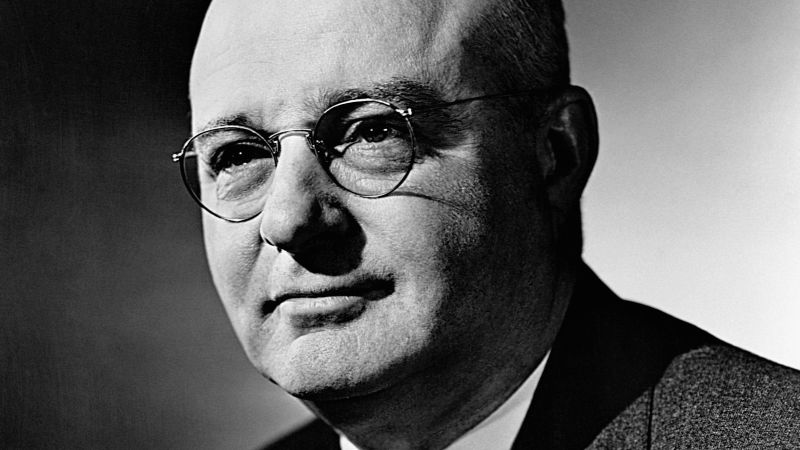
Thomas Midgley Jr., once celebrated for his inventions of tetraethyl lead and CFCs, is now seen as a figure whose breakthroughs had disastrous environmental and health consequences. His leaded gasoline and CFCs, while solving immediate industrial problems, led to widespread lead poisoning and severe damage to the ozone layer. Despite being hailed as a hero in his time, Midgley's legacy is marred by the long-term harm caused by his inventions, reflecting the unchecked pursuit of progress in the early 20th century.