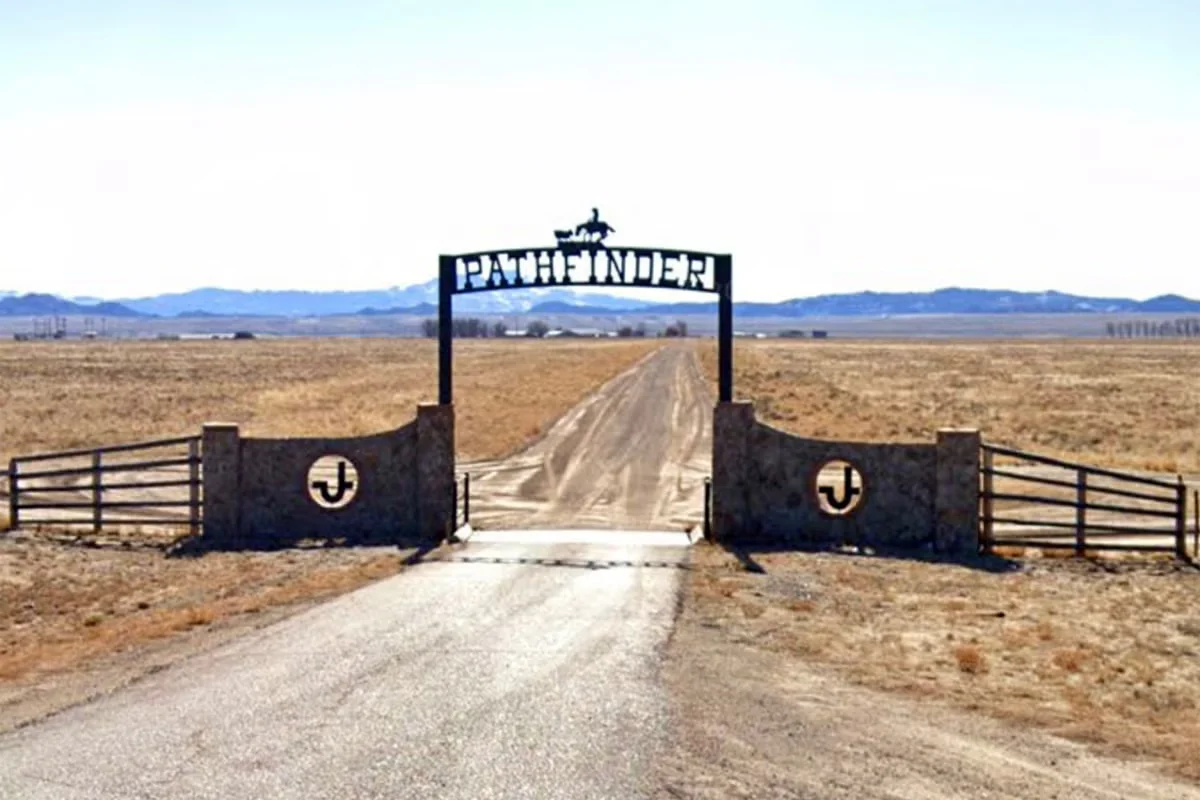
Christopher Robinson’s family-owned Ensign Group L.C. bought Pathfinder Ranches, a 916,000-acre Wyoming estate spanning four counties, for $79.5 million, a deal that makes the property larger than Rhode Island.
The Scottish Parliament has passed a land reform bill aimed at reducing land ownership concentration, promoting community buyouts, and splitting large estates, though critics argue it doesn't go far enough and raises concerns over property rights and practical implementation.
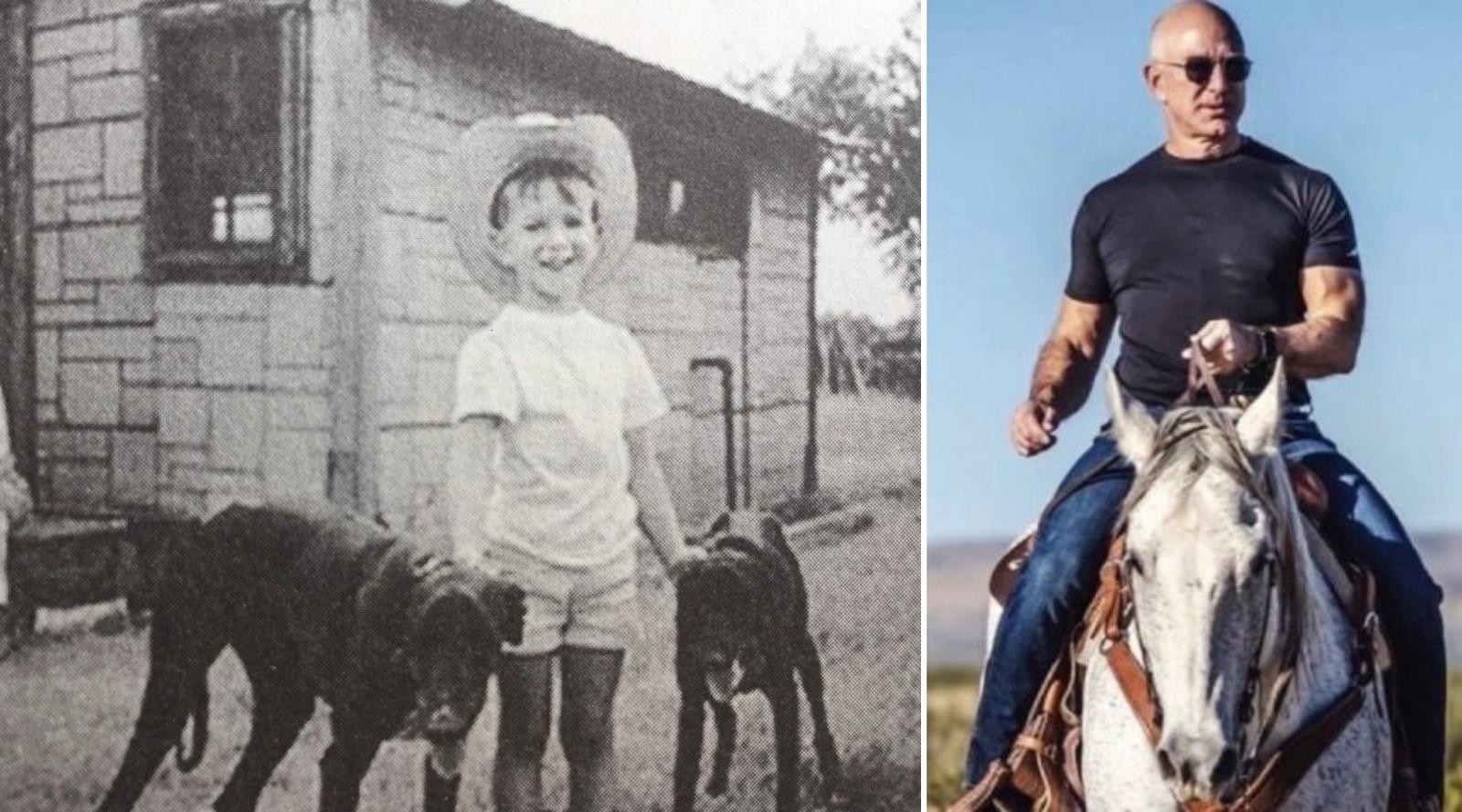
Jeff Bezos's early summers working on his grandfather's Texas ranch shaped his work ethic and problem-solving skills, which he later expanded into owning over 420,000 acres of land, including the birthplace of his space company Blue Origin, and into his philanthropic efforts to preserve nature and explore space.
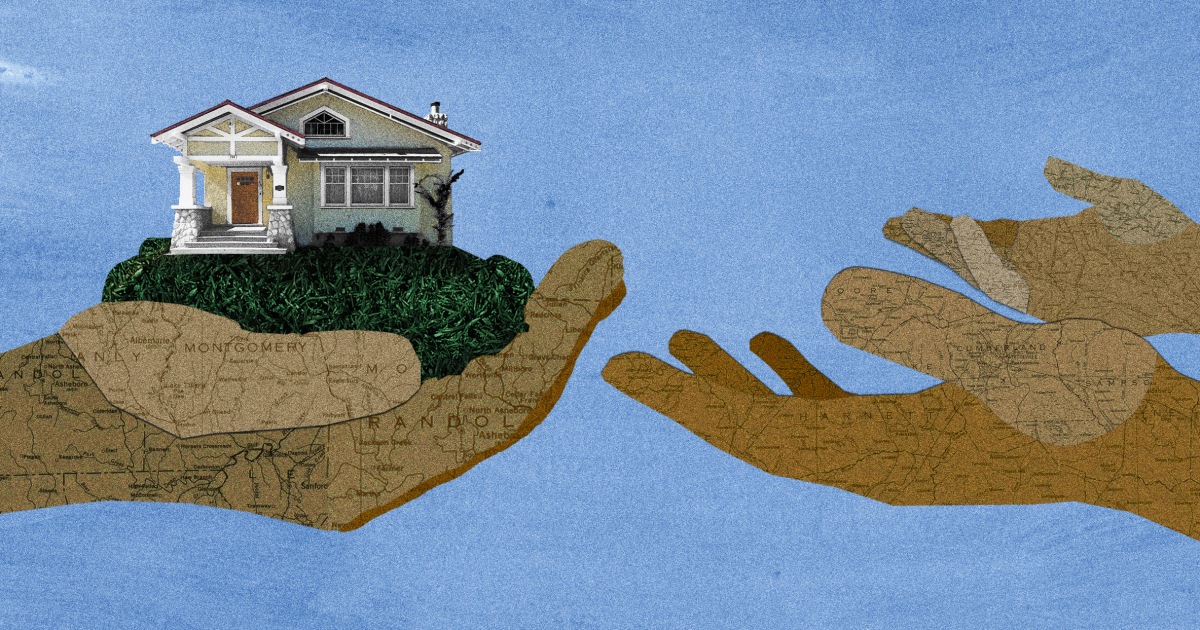
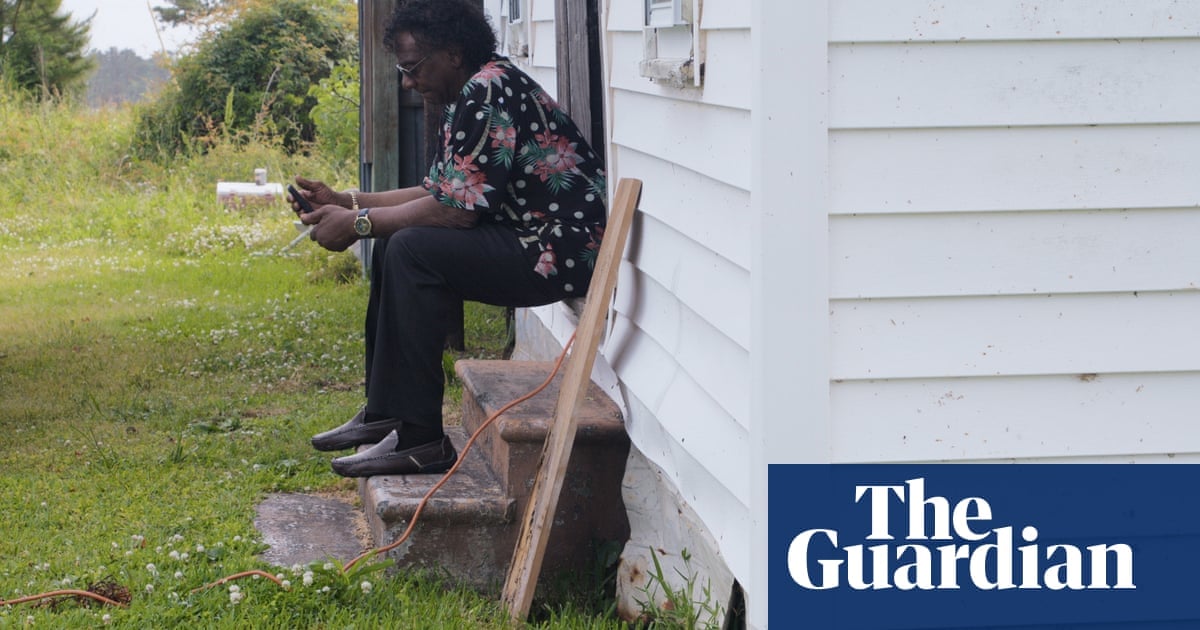
Black families are facing challenges in maintaining ancestral land due to informal ownership arrangements, leading to vulnerability to predatory developers and heirs' property hunters. Legal experts and organizations are working to help families gain clear title to their land and preserve generational wealth. Despite facing constant offers from developers, these families are determined to hold on to their land, which holds deep emotional and historical significance for them.
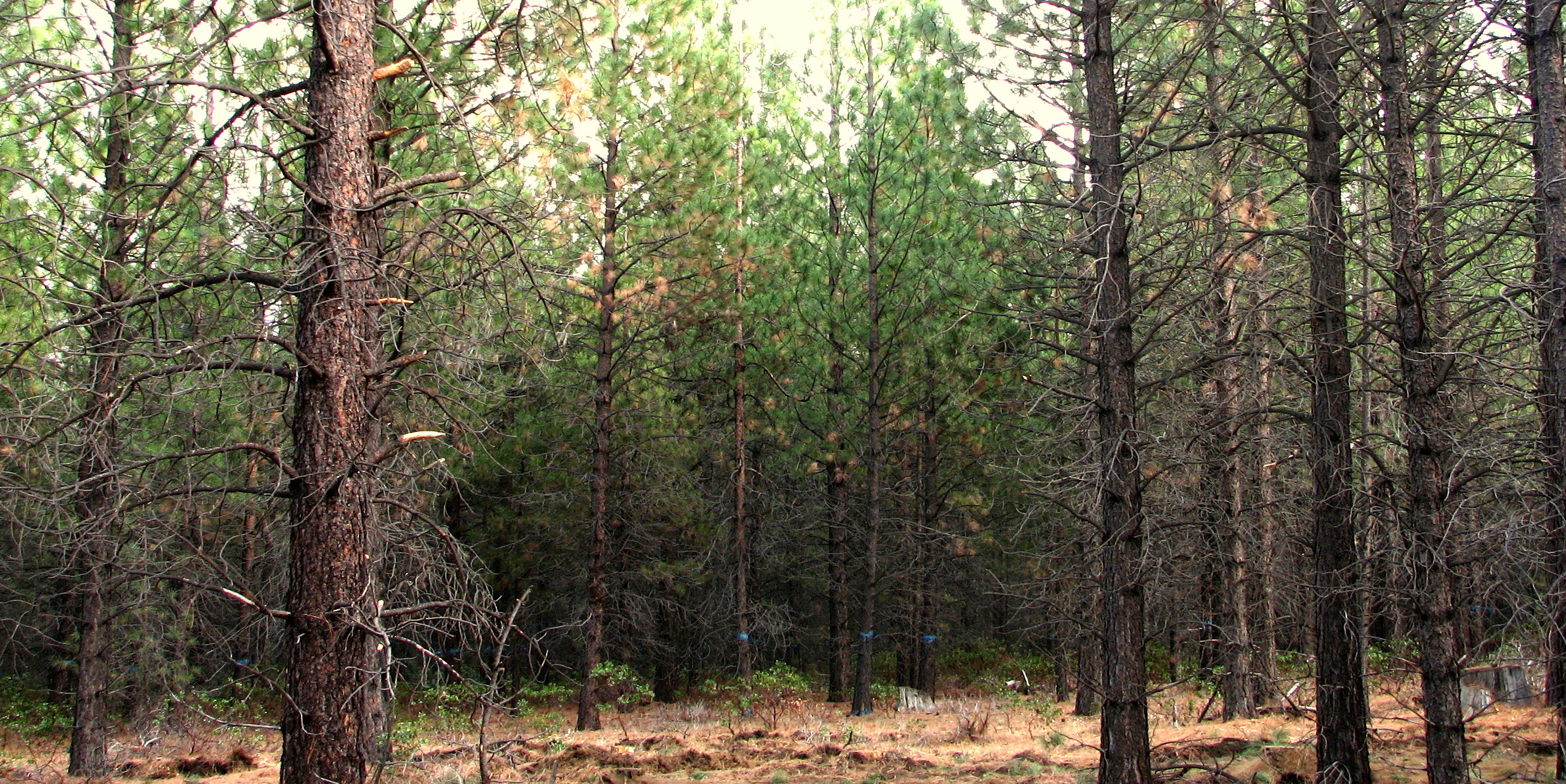
A Chinese billionaire and a California timber family have become among the largest private landowners in the U.S. following major purchases of Oregon forests, with Sierra Pacific Industries’ acquisition making the Redding, California based Emmerson Family the largest private landowner in the U.S. The Land Report found that Chinese businessman Tianqiao Chen is the second largest foreign owner of U.S. land with nearly 200,000 acres in Oregon, drawing concern from U.S. Rep. Lori Chavez-DeRemer over his membership in the Chinese Communist Party. Foreigners own more than 43 million acres of agricultural land in the U.S., with Chinese owners making up less than 1% of foreign-owned acreage.
Raoul Peck's new documentary, "Silver Dollar Road," explores the history of Black land dispossession through the story of the Reels family in North Carolina. The film highlights the importance of land ownership for Black Americans and the systemic barriers they face in maintaining ownership. It exposes the legal loophole of heirs' property, which has led to the loss of 90% of Black farmers' land in the 20th century. The documentary focuses on the Reels brothers' fight to keep their land and their unjust incarceration, while also celebrating the resilience and pride of the Black community. Peck hopes the film will raise awareness and inspire action to address the ongoing issue of land dispossession.
The Ely family in Alabama successfully fought a lawsuit that aimed to force them to sell their shares of family land, which had been purchased by their late grandfather in 1941. The land, which holds sentimental and historical value, was reclaimed after 12 years in court. This victory is significant in the context of the widespread land loss experienced by Black Americans, with an estimated 90% of farmland owned by Black Americans being lost or stolen over the past century. The Elys plan to honor their family's legacy by using the land as a gathering place and exploring business opportunities to make the most of its resources.
A House Democrat introduced a bill allowing people to sue in federal court if their right to buy land was restricted because of their citizenship. Many states have enacted or considered such laws, often aimed at China and prompted by worries about foreign ownership of farmland or national security. The bill would give federal law precedence over state laws that restrict who can buy real property “based on the citizenship of the purchaser.” It would also allow people harmed by such state laws to sue in federal court and have a right to court-ordered relief, like an injunction.
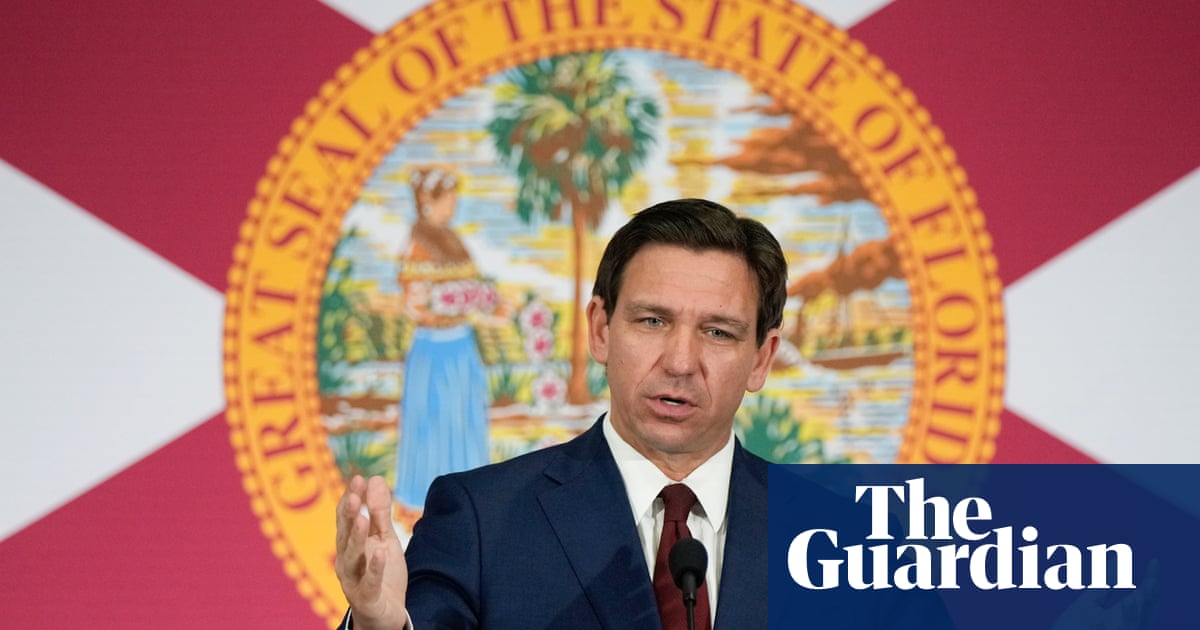
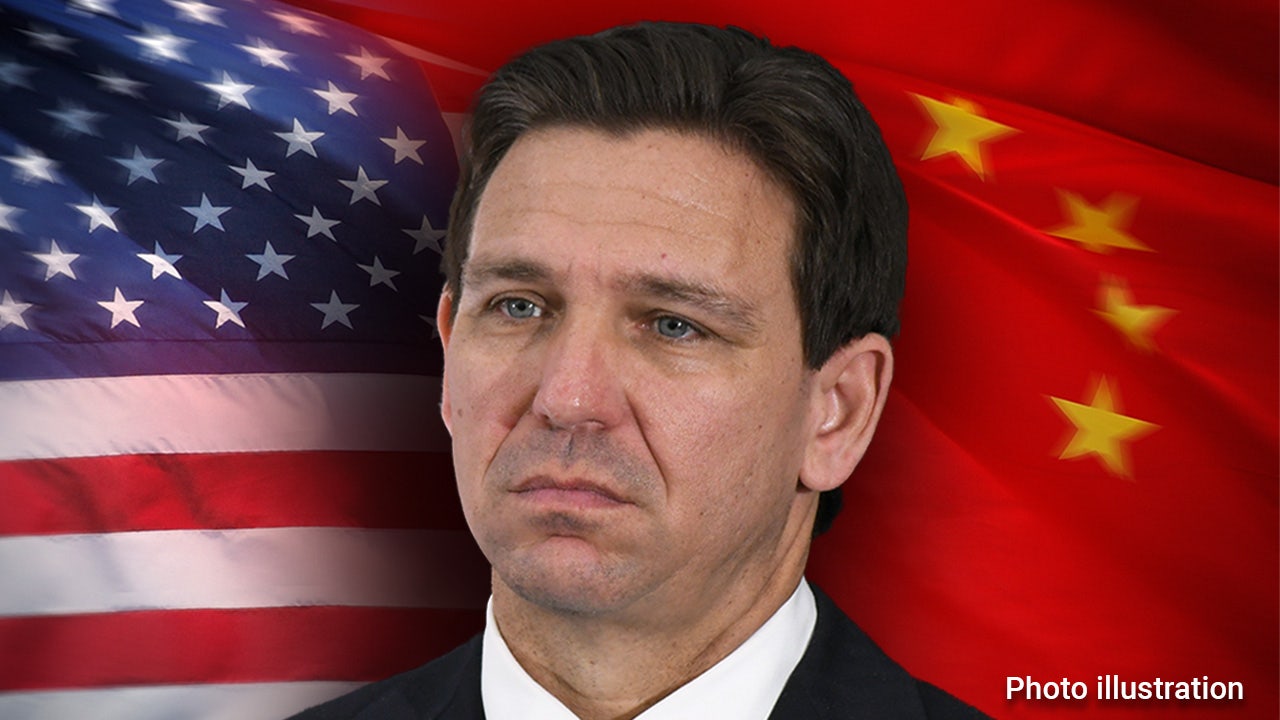
Florida Governor Ron DeSantis signed a series of bills that ban Chinese citizens from buying land in the state, citing the "malign influence" of the Chinese Communist Party. The bill restricts Chinese nationals from buying land in Florida unless they are American citizens or permanent residents. Critics warn that the bill could facilitate discrimination against Chinese homeowners in Florida while also harming other immigrants. The bills also include restrictions on colleges and universities accepting gifts from foreign countries and the use of government devices to download applications such as TikTok.
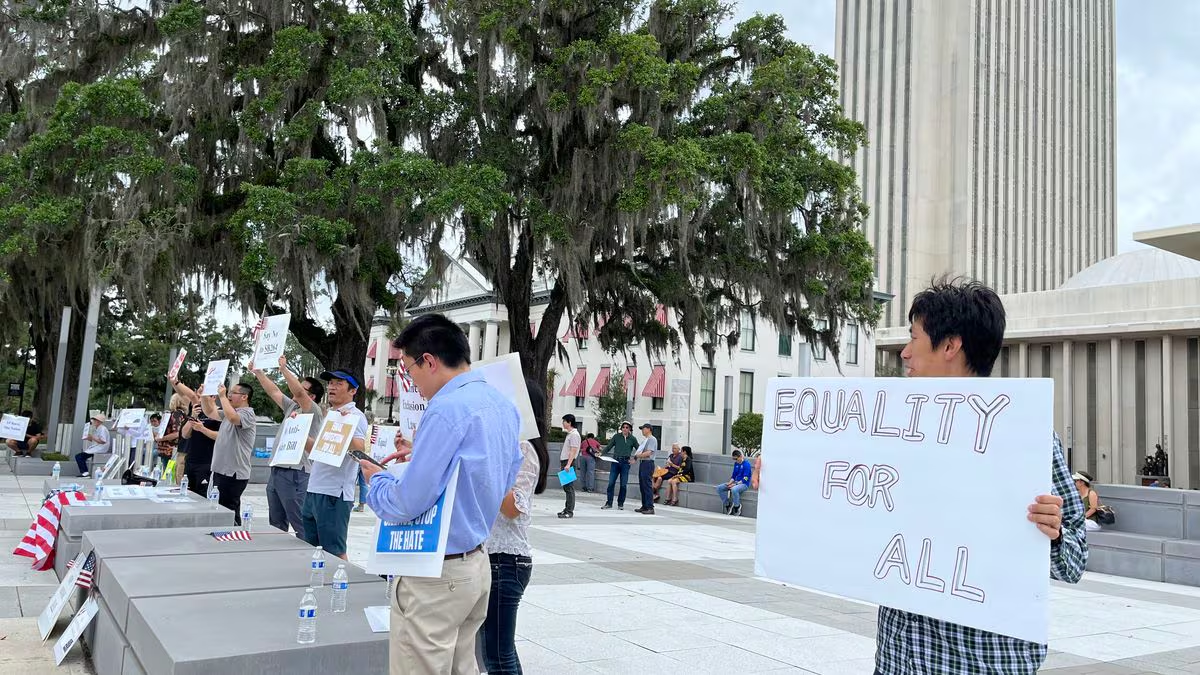
Florida Governor Ron DeSantis has signed a new bill banning most Chinese citizens from buying land in the state, citing concerns that Chinese investors have been buying up too much farmland. An exception allows those on non-tourist visas to buy smaller properties away from military bases. The move is a response to a "concerted effort" by the Chinese Communist Party to acquire farmland in Florida, according to DeSantis. The governor referenced an incident where a Chinese-owned drug developer tried to buy 1,400 acres in Levy County for $5.5 million in late 2022. Dozens of Chinese-American and green card holders protested the new bill at Florida's capitol, saying the legislation's language is too broad and could open the door to discrimination.
Florida Governor Ron DeSantis signed three bills aimed at curbing Chinese influence in the state, including restricting land ownership by Chinese citizens, banning the use of Chinese-owned social media platforms on government devices, and limiting relationships between colleges and universities and foreign "countries of concern" such as China. The legislation will take effect on July 1 and is part of DeSantis' efforts to build international credentials ahead of a potential presidential run in 2024. The measures drew opposition from some Chinese Americans and warnings of potential lawsuits.
Florida Governor Ron DeSantis signed a bill banning Chinese citizens from purchasing land in Florida unless they are also a US citizen or permanent resident, citing concerns about the Chinese Communist Party's efforts to acquire farmland throughout the US. The bill also bans citizens of Russia, Iran, Syria, North Korea, Cuba, and Venezuela from owning land within 10 miles of military bases and critical infrastructure. Two additional bills were signed aimed at reducing China's influence in Florida, including blocking access to apps like TikTok on government-issued devices and networks.
The Florida House has passed a bill that would prohibit Chinese citizens from owning property or land in the state if they are not US citizens or permanent residents. The bill would limit land purchases near military bases and critical infrastructure from residents of a handful of foreign adversaries, including Russia, Iran, North Korea, and Venezuela. The legislation has sparked protests outside the Capitol, divided Democrats, and prompted lawmakers to imply that those against the bill were conspiring with the Chinese Communist Party.
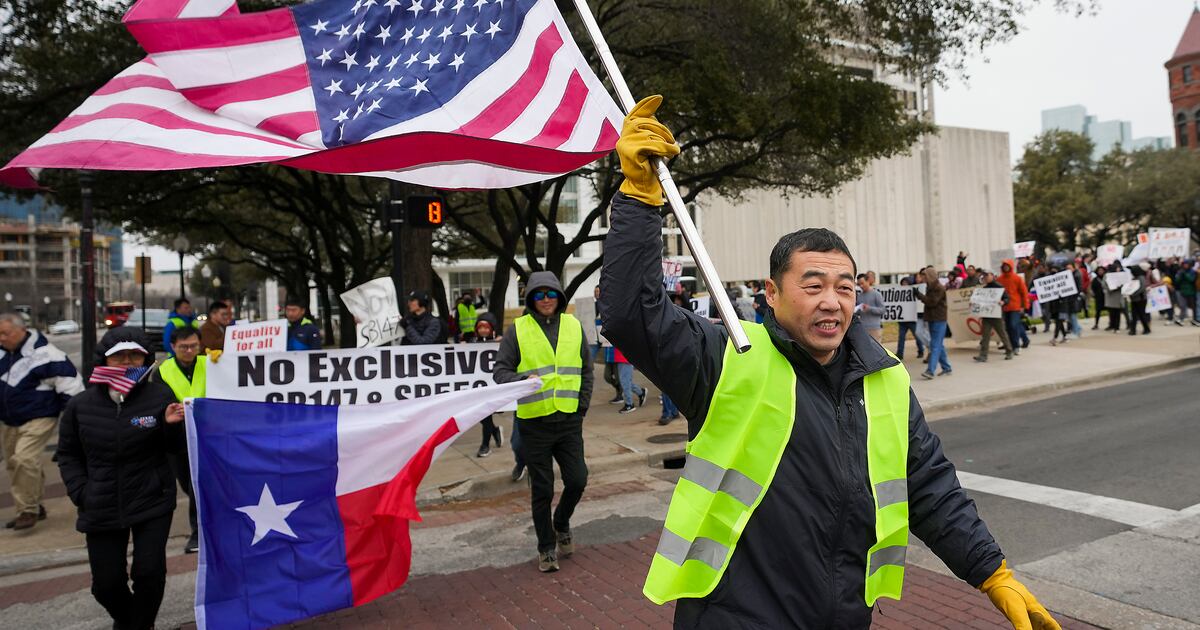
Texas Republicans have filed at least four bills seeking to limit the way non-U.S. citizens from China, Iran, North Korea, and Russia buy land in the state, sparking protests and accusations of discrimination. The bills have caused concern among Chinese, Iranian, Russian-speaking, and other communities who feel unfairly targeted solely for their national origin. Supporters of the bills argue that they are necessary for national security, while opponents say they are rooted in anti-Asian and anti-Chinese sentiment. Some lawmakers have proposed amendments to the bills to include exceptions for permanent residents and dual citizens.