Tag

Labor And Economy

All articles tagged with #labor and economy

labor-and-economy2 years ago

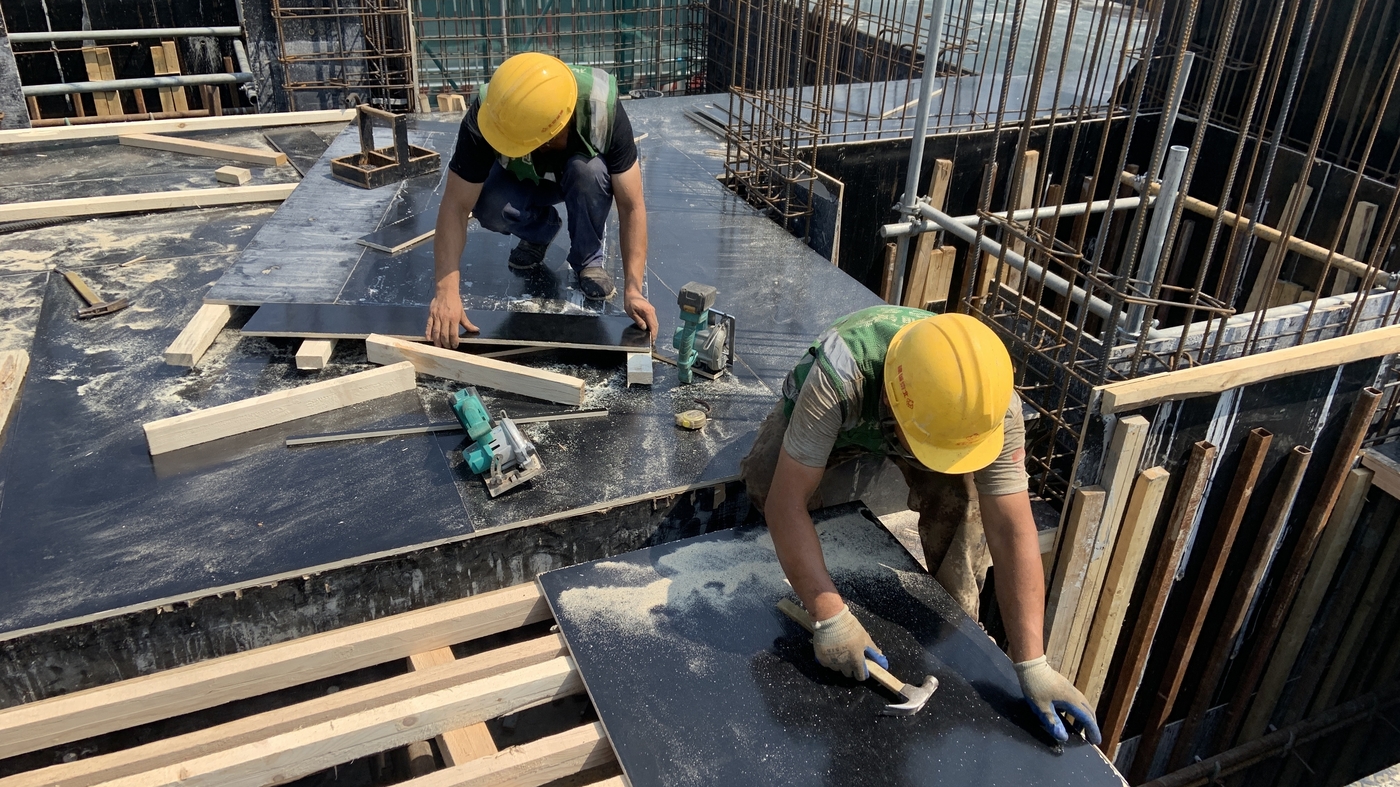
"China's Aging Builders Face Retirement Challenges After Years of City Construction"

China's aging construction workforce, consisting of an estimated 300 million migrant workers who helped propel the country's growth, now faces retirement with little savings or formal pensions. With rules preventing men over 60 from working on construction sites and a fast-aging population, the country is grappling with the costs of supporting this vulnerable workforce. Many workers lack social benefits due to residency rules and informal employment, and the real estate slowdown has resulted in fewer projects and less work. As a result, many aging construction workers are left with little financial security and are forced to continue working despite their age.

labor-and-economy2 years ago

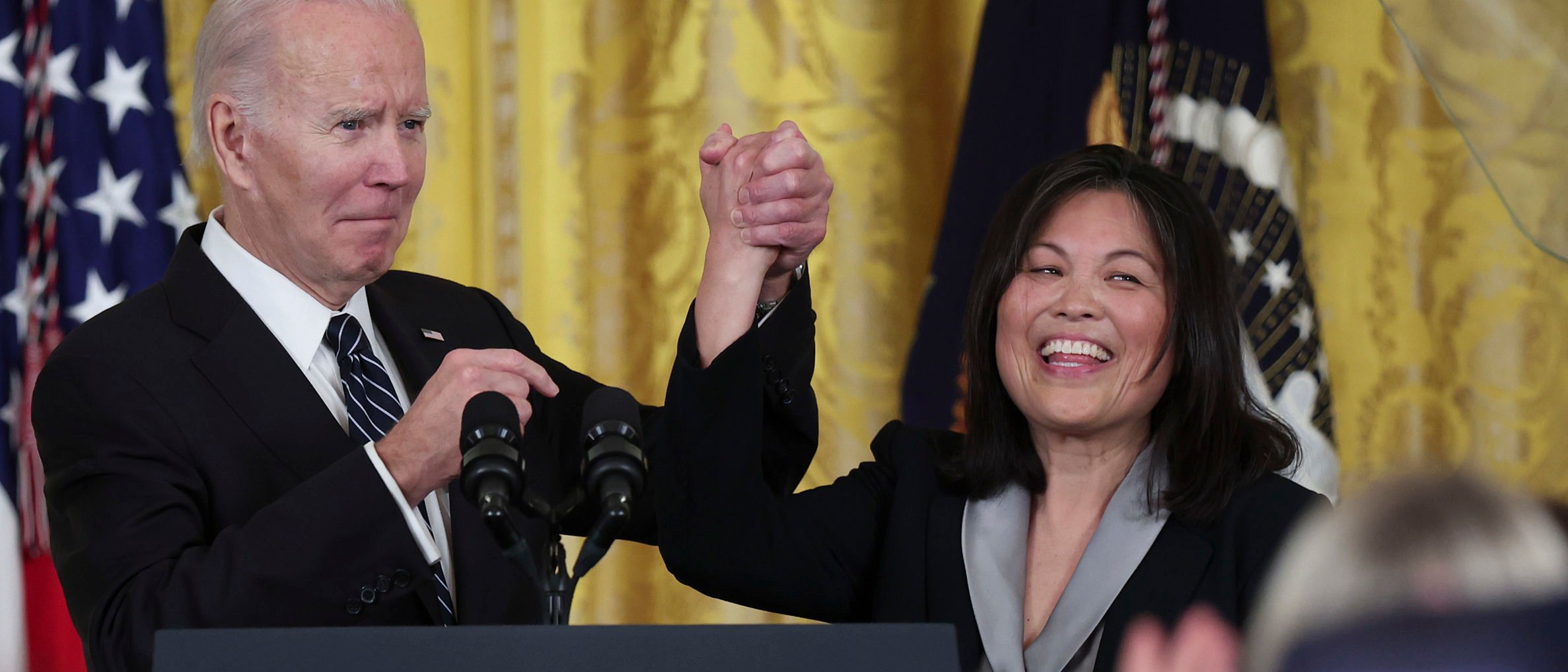
"New Labor Rule to Impact Gig Worker Classification and Benefits"

The Biden administration's new labor rule reclassifies many independent contractors as company employees, entitling them to benefits like overtime pay and a minimum wage, which experts say will increase costs for employers and restrict workers' freedom to choose when and where they work. Proponents believe the change will curtail abuse from companies, but critics argue it will hamper the flexibility of freelancing positions and could push many current employees out of work entirely, potentially impacting the gig economy and leading to job losses.

labor-and-economy2 years ago

"Minimum Wage Increases Coming in 2024: California, Ohio, and More"

Several cities and counties in California have minimum wages higher than the state's requirement of $16 per hour, with some reaching as high as $19.08. These local ordinances require employers to follow the stricter standard that benefits employees the most. West Hollywood currently has the highest minimum wage in the nation, and it is expected to increase again on July 1, 2024.

labor-and-economy2 years ago

UAW Autoworkers Demand Return of COLA Clause Amidst Growth Concerns

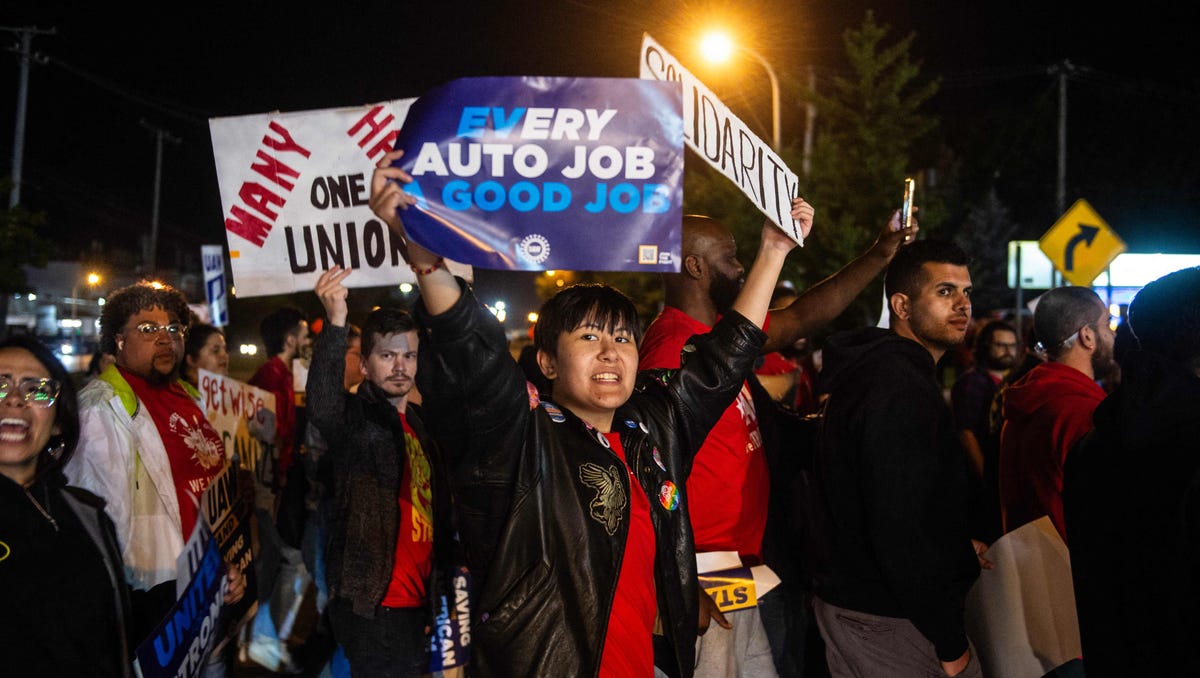
Unions like the United Auto Workers (UAW) are demanding the reinstatement of cost-of-living adjustments (COLAs) in contracts as Americans struggle with high inflation. COLAs, which ensure that wages keep up with inflation, were once common in union contracts but have faded in recent decades. The UAW, currently in negotiations with automakers, has stated that it will not accept a contract without a COLA. While data on the prevalence of COLAs is limited, experts believe that if the UAW secures a COLA provision, it could set a new standard for other union contracts. The future of COLAs depends on inflation levels and union power.

labor-and-economy2 years ago

"Nigerian Workers Continue Strikes to Protest Soaring Costs and Subsidy Removal"

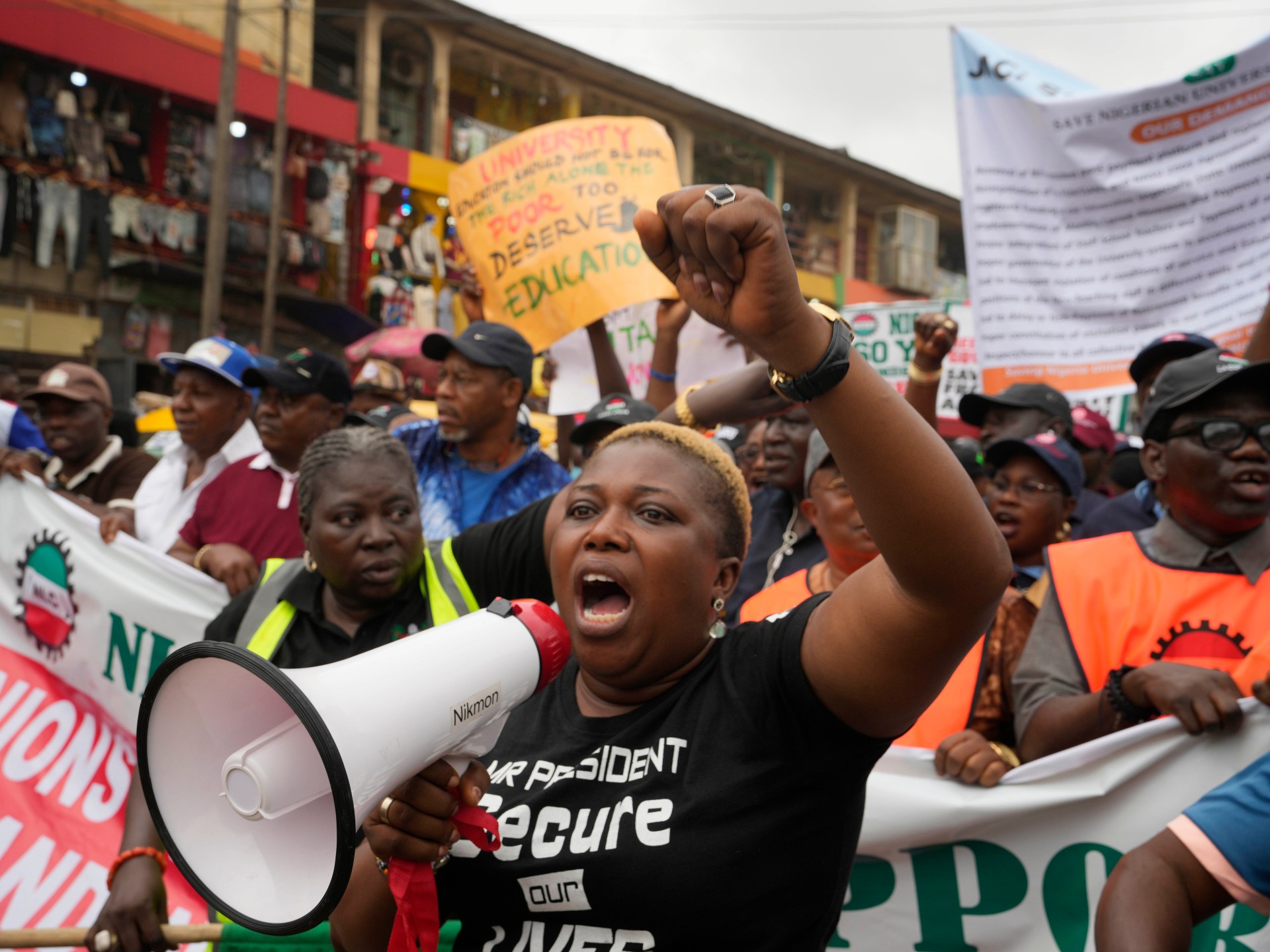
Nigerian government workers, represented by the Nigeria Labour Congress, have initiated a two-day strike to protest against the soaring costs of living exacerbated by the removal of petrol subsidies. The strike, the second in over a month, aims to demand improved welfare and an increase in wages. The workers have threatened to shut down the country's largest economy if their demands are not met. The removal of petrol subsidies has led to a significant increase in petrol prices, impacting small businesses and households reliant on petrol generators. The government has taken steps to alleviate the hardship, but workers argue that these measures are insufficient.

labor-and-economy2 years ago

"Treasury Department Report Highlights Economic Benefits of Unions in the U.S."

The Treasury Department has released a comprehensive report on the benefits of labor unions to the U.S. economy. The report highlights that unions play a crucial role in addressing challenges faced by the middle class, such as stagnant wages and high housing costs. It finds that unions raise wages by 10 to 15 percent, improve fringe benefits and workplace procedures, and contribute to financial stability and worker well-being. Unionization also has spillover effects, benefiting nonunionized workers and reducing race and gender wage gaps. Additionally, unions contribute to economic growth and resilience by reducing overall inequality and improving working environments. The Biden-Harris Administration is taking steps to strengthen unions, including prioritizing the passage of pro-union legislation and appointing officials committed to protecting workers' rights.

labor-and-economy2 years ago

Minnesota Adjusts Minimum Wage Rates for Inflation in 2024

Minnesota's minimum-wage rates will be adjusted for inflation starting January 1, 2024. Large employers will be required to pay a minimum of $10.85 an hour, while small employers will have a minimum wage of $8.85 an hour. These increases of 2.5% aim to provide low-wage workers with more earning power. The new rates do not apply to Minneapolis and St. Paul, which have higher minimum-wage rates. Employers must provide written notice of any changes to employees' pay rates.

labor-and-economy2 years ago

"UPS Union Deal: A Middle Class Savior in the Making?"

UPS drivers have secured a new contract that boosts their salaries from $145,000 to $170,000 per year, including benefits. This represents a symbolic triumph for unions, the middle class, and the labor-friendly White House, as it demonstrates collective efforts to improve middle-class wages. The public has taken notice, with a 50% surge in searches for "UPS" or "United Parcel Service" on job sites. This development aligns with President Biden's focus on building the economy from the middle out and the bottom up, in contrast to trickle-down economics. The success of the UPS contract highlights the impact of strong union backing and the potential for unions to secure better benefits for workers.