Unveiling the Mysteries of Kilonovas
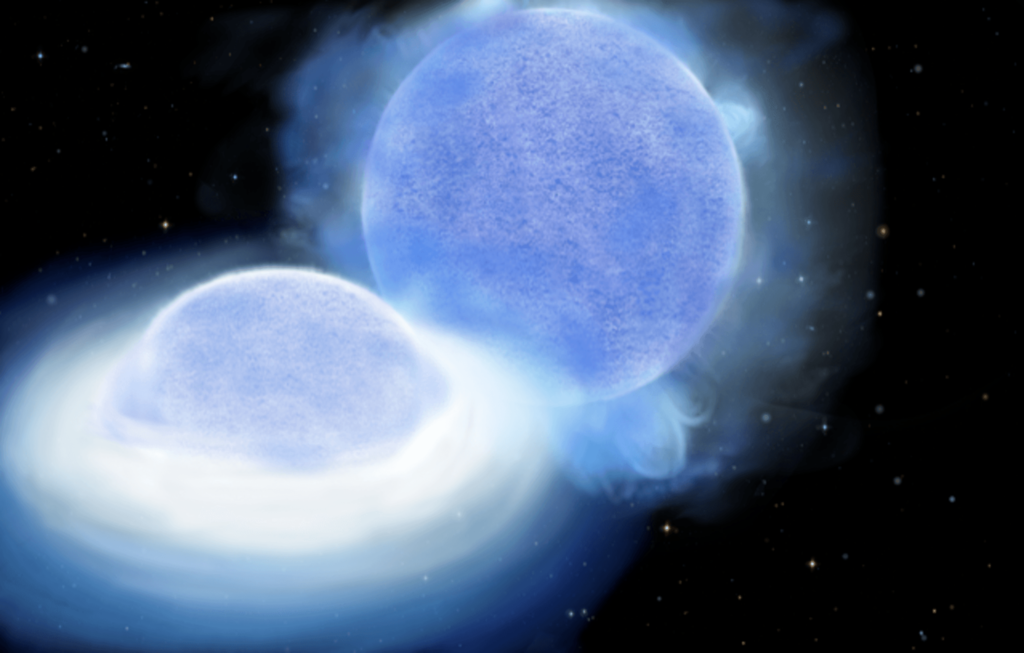
Kilonovas are bright bursts of electromagnetic radiation that occur when two neutron stars or a neutron star and a black hole collide and merge. These cosmic explosions eject a vast amount of material rich in heavy elements such as gold, platinum, and uranium. By studying kilonovas, scientists can gain insights into the formation of these elements and the nuclear physics involved. Detecting kilonovas is challenging, but advancements in gravitational wave detectors have allowed astronomers to locate and observe these events, providing valuable information about the universe's evolution.