Mozilla's Firefox plans to include an option to disable all AI features, dubbed the 'AI kill switch,' in response to user backlash against AI integration in browsers. Despite assurances of user control, concerns remain about the true opt-in nature of AI features, with some users skeptical about Mozilla's commitment to user choice. Meanwhile, competitors like Vivaldi emphasize maintaining user autonomy and privacy, rejecting passive AI integration.

Mozilla's new CEO plans to integrate AI features into Firefox, but due to community backlash, a 'kill switch' will be added by 2026 to disable AI functionalities, reflecting ongoing tensions between innovation and user trust.
Mozilla's Firefox introduces an AI kill switch that allows users to permanently disable AI features, addressing privacy concerns and aiming to rebuild user trust after past controversial data policies.
Samsung has announced a significant update with One UI 8, introducing a new 'kill switch' feature that allows users to instantly hide and encrypt the Secure Folder, enhancing privacy and security. The update also re-enrolls biometric security for Secure Folder and aims for an early summer 2025 stable release, positioning Samsung as a leader in Android security innovations. The rollout will include a wide range of Galaxy devices, with beta programs already in high demand.
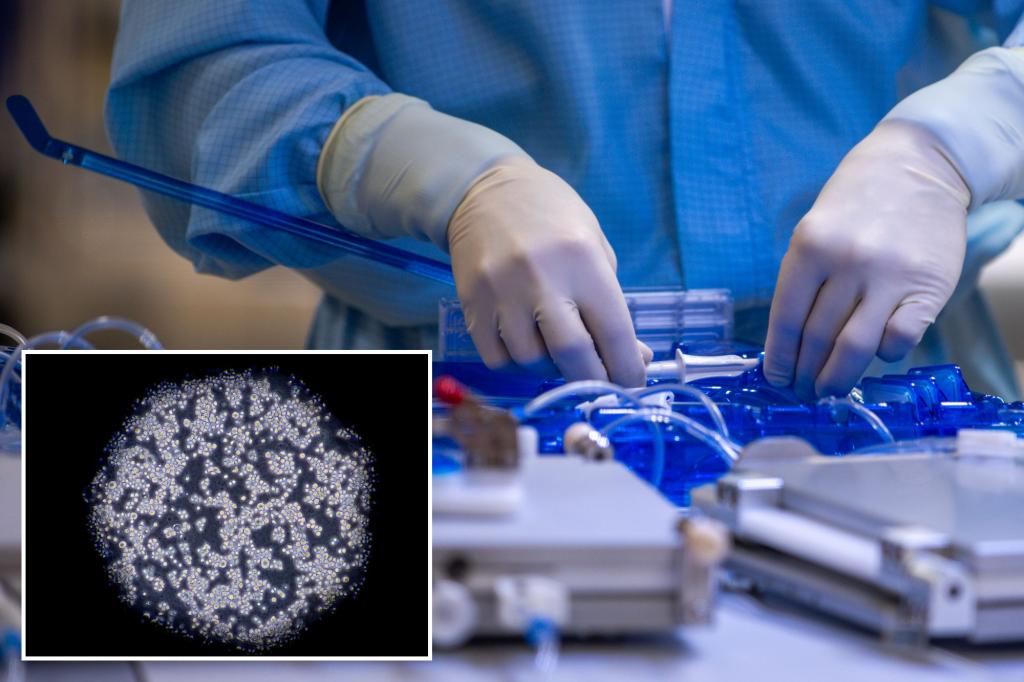
Scientists at UC Davis have identified a "kill switch" that can activate the death of cancer cells, potentially revolutionizing cancer treatment. The discovery has not yet been tested on animals or humans but has shown success in labs. The combination of immunotherapy with the activation of the kill switch could transform how doctors treat cancer. However, there is a lack of clinical trials, and the treatment has only been effective against liquid cancers, not solid tumors. Additionally, the cost of the treatment is currently $500,000.
Researchers at the UC Davis Comprehensive Cancer Center have discovered a "kill switch" on CD95 receptors, also known as Fas, that can trigger the death of cancer cells. This breakthrough could potentially lead to the development of new cancer drugs that boost the activity of these receptors, providing a new weapon against tumors. The researchers believe that this discovery could also enhance the effectiveness of immunotherapies. While CAR T-cell therapy has shown promise in liquid tumors, it has had limited success in treating solid tumors. The newly found "kill switch" could potentially address this challenge. However, no CD95-boosting drugs have entered clinical trials yet. The researchers suggest that screening potential cancer patients for the presence of Fas on their tumors could help identify those who would benefit from CAR-T therapy. Despite the limitations of the study, the researchers remain hopeful for the future of cancer treatments.
Researchers at the UC Davis Comprehensive Cancer Center have discovered a "kill switch" on the CD95 receptor that can trigger the death of cancer cells. The protein on the receptor, known as Fas, can program cancer cells to self-destruct. This breakthrough could potentially lead to the development of new cancer drugs that boost the activity of CD95 receptors, providing a new weapon against tumors. While immune-based therapies have shown promise, they have had limited effectiveness against many cancer types. The newly discovered "kill switch" could not only terminate tumor cells but also enhance the effectiveness of immunotherapies, offering a potential one-two punch against cancer. However, no CD95-boosting drugs have entered clinical trials yet.
The fear of AI taking over the world is baseless and hyperbolic, as exemplified by the recent SpaceX rocket failure. The Paper Clip Theory and other similar scenarios are unlikely to occur. Sam Altman, CEO of OpenAI, acknowledges that there is a small chance of such an outcome, but it is not a reason to stop AI development altogether. Instead, AI simply needs a kill switch to prevent any potential harm.