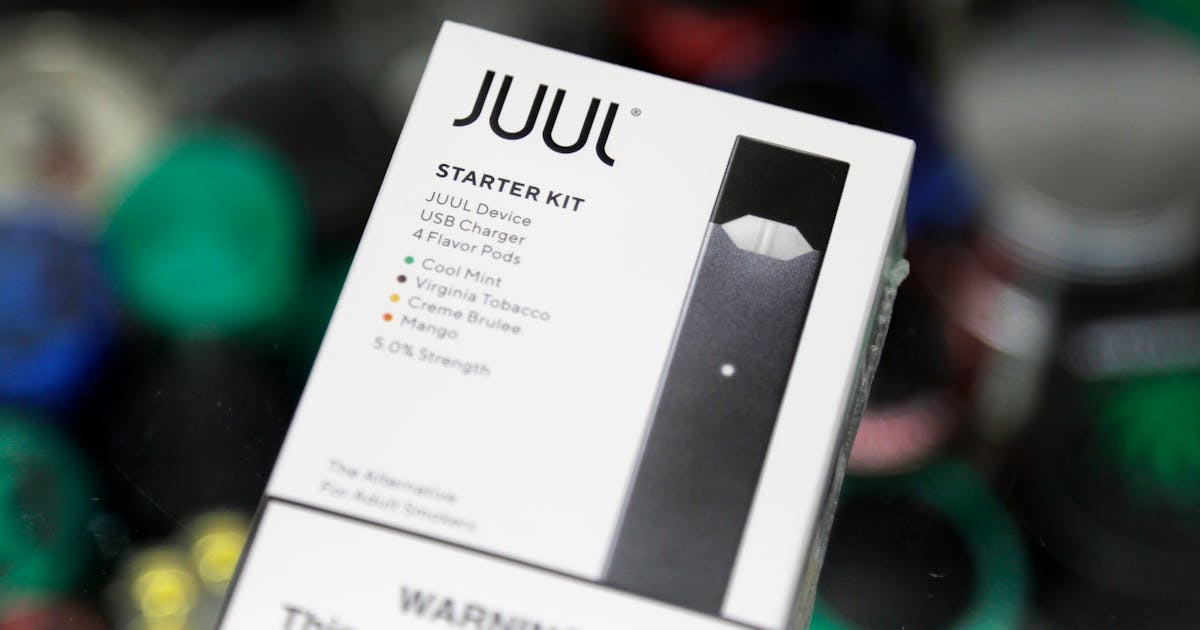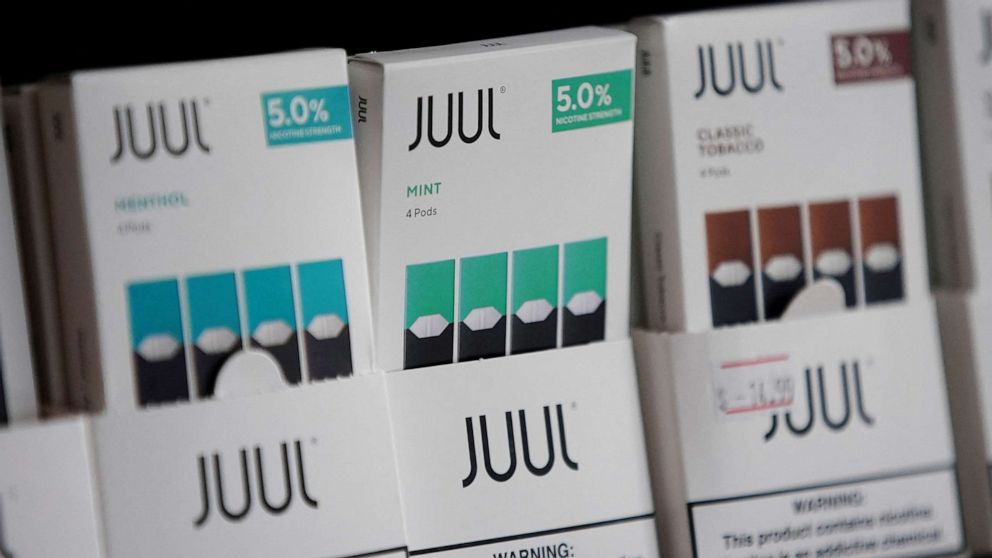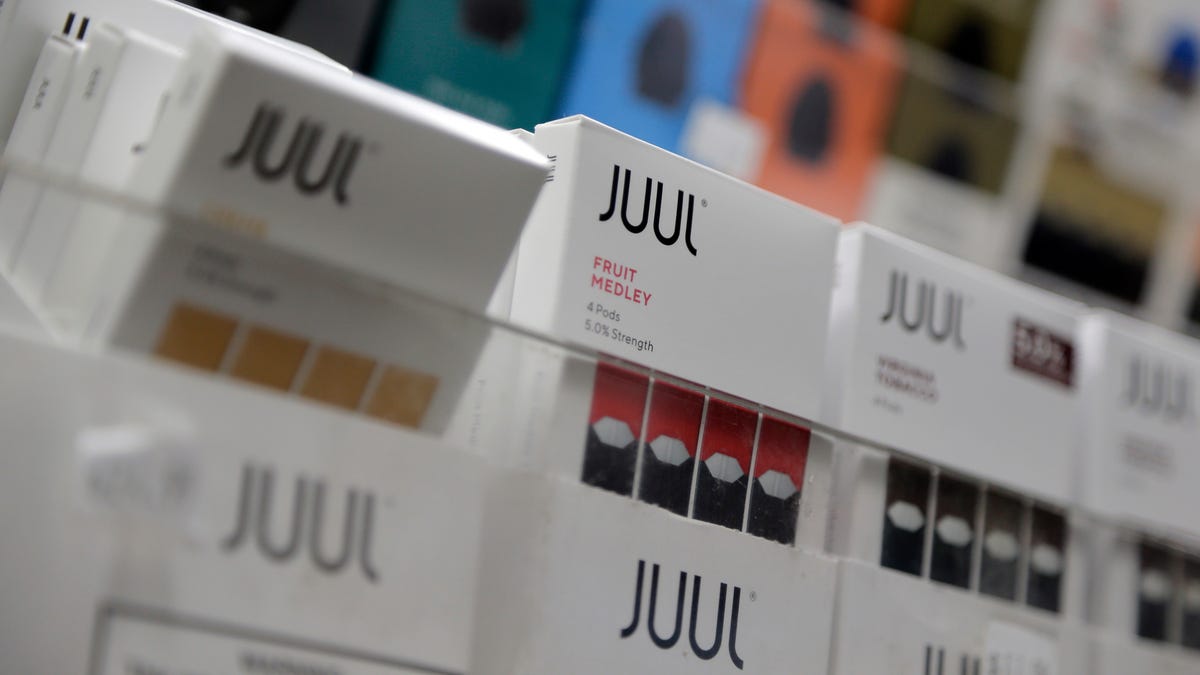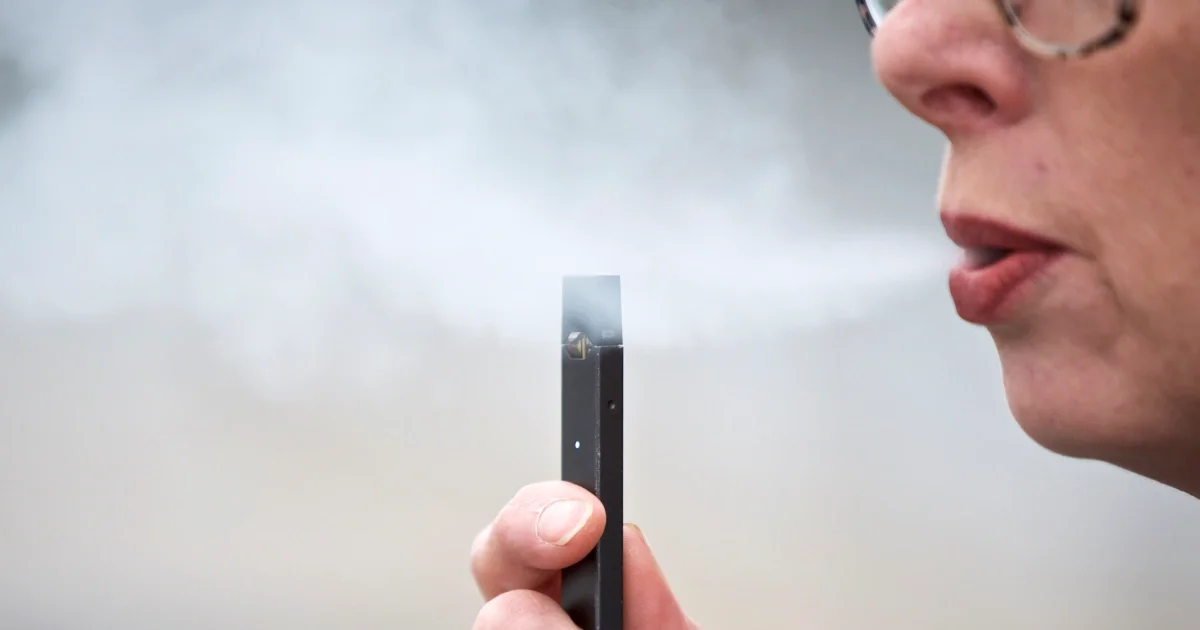
The FDA has authorized Juul to continue selling its e-cigarettes and refill cartridges, citing that the products are appropriate for the protection of public health, especially as an alternative for adults switching from cigarettes. This decision follows a lengthy review process and marks a significant development in vaping regulation, despite ongoing concerns about youth usage and health risks.
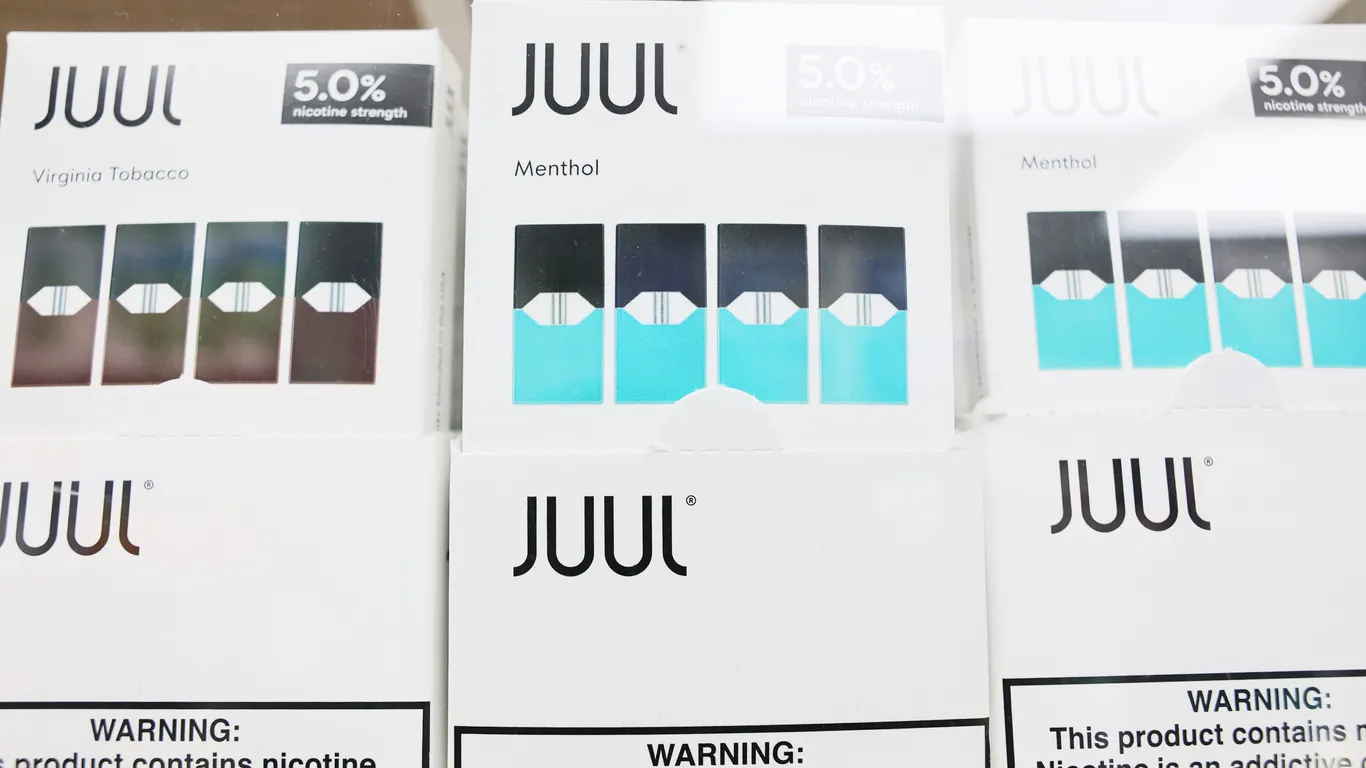
Juul has received FDA approval to sell its original e-cigarettes with tobacco and menthol flavors in the U.S., marking a significant milestone for the company amid ongoing debates over youth vaping and public health concerns.
The FDA has reversed its ban on Juul e-cigarette products, citing new scientific insights and ongoing court cases, but the decision does not approve Juul's marketing applications, which remain under review. This comes as the Supreme Court is set to discuss FDA regulation of e-cigarettes, amid criticism of the agency's handling of vaping product approvals.
The FDA has reversed its ban on Juul e-cigarettes while it reviews new court decisions and updated information from the company. Juul, the second-largest e-cigarette maker in the U.S., had been appealing the 2022 ban. The FDA emphasized that this reversal does not guarantee full clearance of Juul's products. Juul expressed confidence in its applications and looks forward to a science-based review process. The e-cigarette market continues to grow, with smokeless tobacco products also seeing significant increases in sales.
The Netflix docuseries "Big Vape: The Rise and Fall of Juul" explores the rise and subsequent downfall of the e-cigarette company. Initially driven by a noble mission to provide a healthier alternative to traditional cigarettes, Juul's founders treated the company as a tech rather than a drug or public health company, leading to a controversial ad campaign and widespread criticism. Juul's popularity soared, especially among young people, leading to concerns about nicotine addiction and health risks. The company's partnership with Altria, parent company of Philip Morris, further fueled backlash. The documentary presents a damning portrait of Juul's greed-driven decisions and the negative impact of its products.
Netflix is releasing a lineup of horror-themed content for Halloween, including "The Fall of the House of Usher," a limited series based on Edgar Allan Poe's works, and "The Conference," a Swedish slasher film. Additionally, a documentary series called "Big Vape: The Rise and Fall of Juul" will explore the story behind the popular vape company. Other releases this week include movies like "After" and "Tammy," as well as new episodes of "Stranded with My Mother-in-Law" and "DI4RIES."
E-cigarette maker Juul Labs plans to lay off 30% of its workforce, amounting to about 250 employees, in an effort to reduce operating costs and maximize profitability. The company aims to deliver on its strategy by substantially reducing its headcount. This move comes as Juul joins other companies in trimming their workforce to rein in costs amid high inflation and rising interest rates. Last year, Juul had planned layoffs and budget reductions to avoid bankruptcy. The latest round of job cuts is expected to reduce operating expenses by $225 million. Juul has also faced legal challenges related to the marketing of its products, including a recent settlement of $462 million with several U.S. states.
Altria Group's subsidiary NJOY has filed a lawsuit against Juul Labs, accusing the e-cigarette company of patent infringement related to certain e-vapor products. Altria, which previously held a significant stake in Juul, is seeking a ban on the importation and sale of the allegedly infringing products. The tobacco conglomerate purchased full ownership of NJOY's e-vapor product portfolio in June. Juul has stated that it will continue to defend its intellectual property and pursue its own infringement claims.
Beasley Allen Law Firm has reached a $235 million settlement with Altria Group Inc., which helped market Juul products. The settlement will compensate thousands of individual plaintiffs who have been personally injured by the Juul product, and hundreds of school districts across the country, including Montgomery Public School system. Altria Group Inc. put out a statement online from its executive vice president and general counsel, Murray Garnick, stating that the settlement avoids the uncertainty and expense of a protracted legal process and is in the best interest of their shareholders.
San Francisco's public school system has taken Altria Group to trial, accusing the tobacco giant of helping e-cigarette company Juul Labs create a "crisis" of vaping addiction among teenagers. The school district had also sued Juul, which settled that lawsuit last year. Altria, which was Juul's largest investor from 2018 until earlier this year, was "at the heart" of Juul's strategy to grow its business by appealing to teenagers with sweet flavors and flashy advertising. Altria faces thousands of similar cases from individuals, local government entities and states.
Minnesota has settled its lawsuit against Juul Labs and tobacco giant Altria, the first of thousands of cases against the e-cigarette maker to reach trial. The terms will be kept confidential until formal papers are publicly filed with the court in 30 days. Juul has faced thousands of lawsuits nationwide but most have settled, including dozens with other states and U.S. territories. The largest settlement came last week when it was announced that Juul Labs will pay $462 million to six states and the District of Columbia to settle lawsuits related to its marketing tactics.
Juul and Altria have settled a case with the state of Minnesota, which sued the companies in 2019 for designing products that appeal to youth and get them addicted to nicotine. The state claimed that Juul failed to verify its customers’ ages and ignored children buying and using its products, while Altria supported Juul’s marketing. The terms of the settlement have not been disclosed yet, but the state attorney general's office said it will be announced soon. Juul has settled with 48 states and territories, providing over $1 billion to participating states to combat underage use and develop cessation programs.
The state of Minnesota has settled a lawsuit against e-cigarette maker Juul for $4.5 million over allegations that the company marketed its products to teens. The settlement also includes provisions for Juul to change its business practices, including limiting the amount of nicotine in its products and not using models under the age of 28 in its advertising. Teen vaping has become a major public health concern in recent years, with studies showing that e-cigarette use among high school students has increased dramatically.
E-cigarette manufacturer Juul Labs has agreed to pay a $462m settlement, the largest multistate settlement, for its "central role in the youth vaping epidemic." The settlement includes stringent restrictions on the company's marketing and sales to prevent minors from vaping. Juul's decision to target underage students was widespread, according to attorneys general. The funds acquired in the settlement will be aimed at education to lessen the effect of Juul's vaping in the next generation.
E-cigarette maker Juul will pay $462 million to settle lawsuits filed by six states and the District of Columbia over allegations that it marketed to underage vapers. The settlement requires Juul to place its products behind retail store counters and verify the age of consumers that sell or promote products online. The company has settled with 47 states and territories for over $1 billion. Juul denied any wrongdoing but settled with the states. The settlement will provide funds to combat underage use and develop cessation programs.