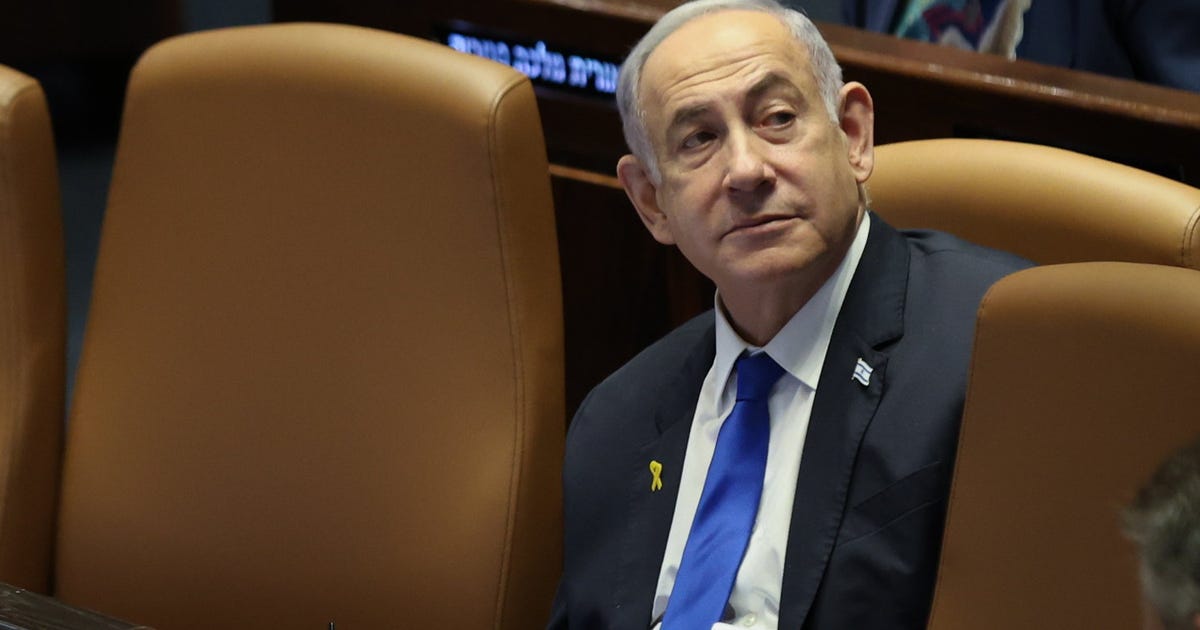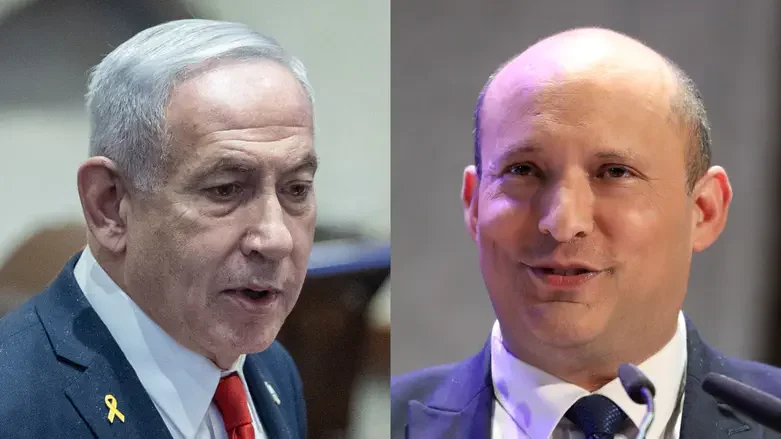
The Knesset approved a preliminary bill to establish a politically appointed commission of inquiry into the October 7 attacks, sparking protests from victims' families who fear it undermines accountability and transparency. The proposed commission would be outside the traditional legal framework, with members appointed through a Knesset-led process, raising concerns about political influence. The bill still needs further legislative steps before becoming law, amid ongoing controversy and opposition from affected families.
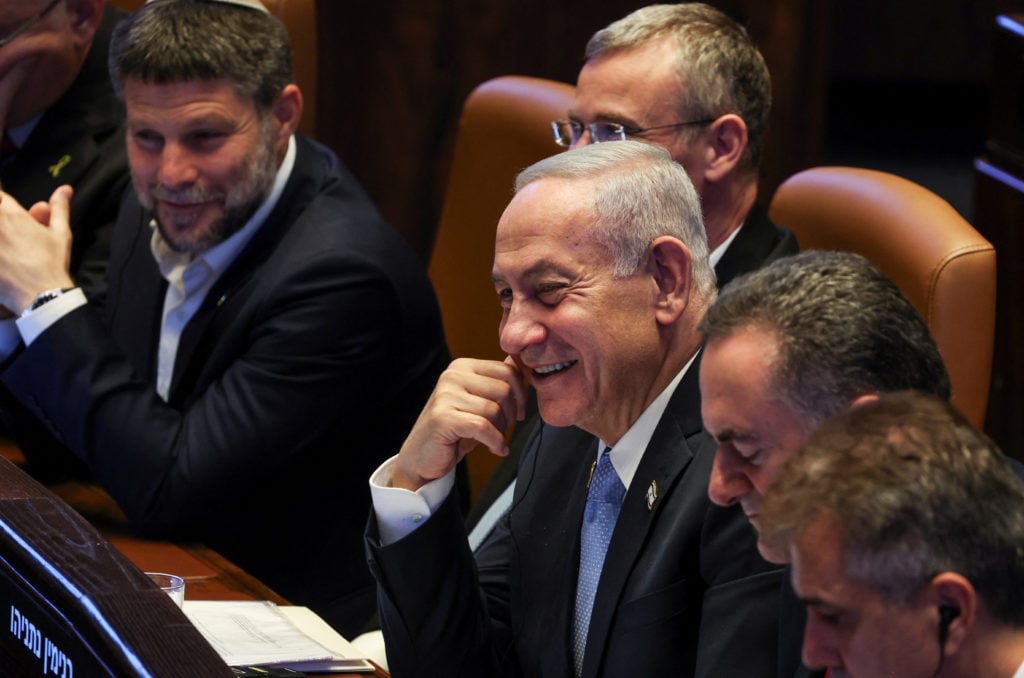
The Knesset approved US President Trump's 20-point Gaza peace plan through a vote initiated by opposition leader Yair Lapid, despite the absence of coalition members who boycotted the session, highlighting political divisions over the plan's section on Palestinian statehood.
The Israeli Knesset approved bills to apply sovereignty over the West Bank and Ma’ale Adumim, defying Prime Minister Netanyahu's request to delay amid US Vice President's visit, with the votes highlighting internal political divisions and the ongoing debate over Israeli territorial claims.
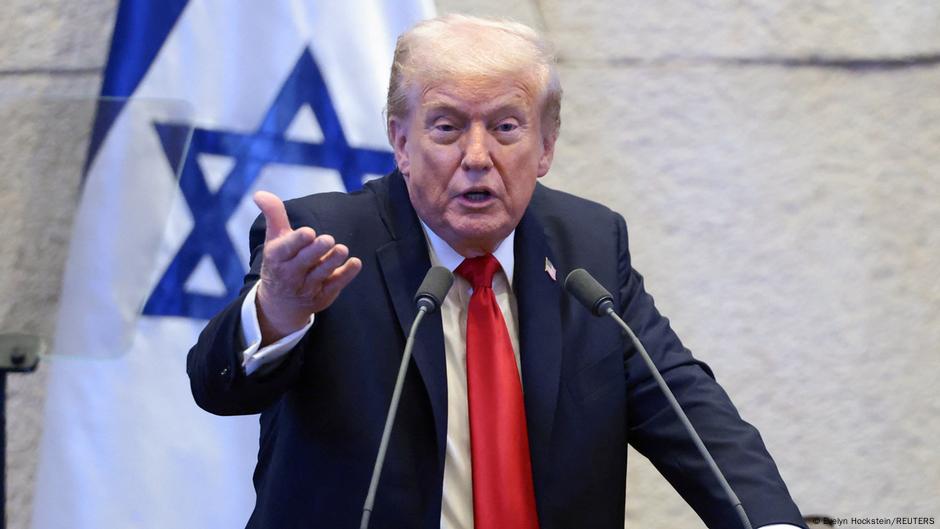
U.S. President Donald Trump praised the recent hostage releases and the ceasefire in Gaza, calling it a 'historic dawn' for the Middle East, while Israeli and Palestinian leaders engage in diplomatic efforts, including a Gaza peace summit in Egypt attended by over 20 world leaders, to promote regional stability and peace.
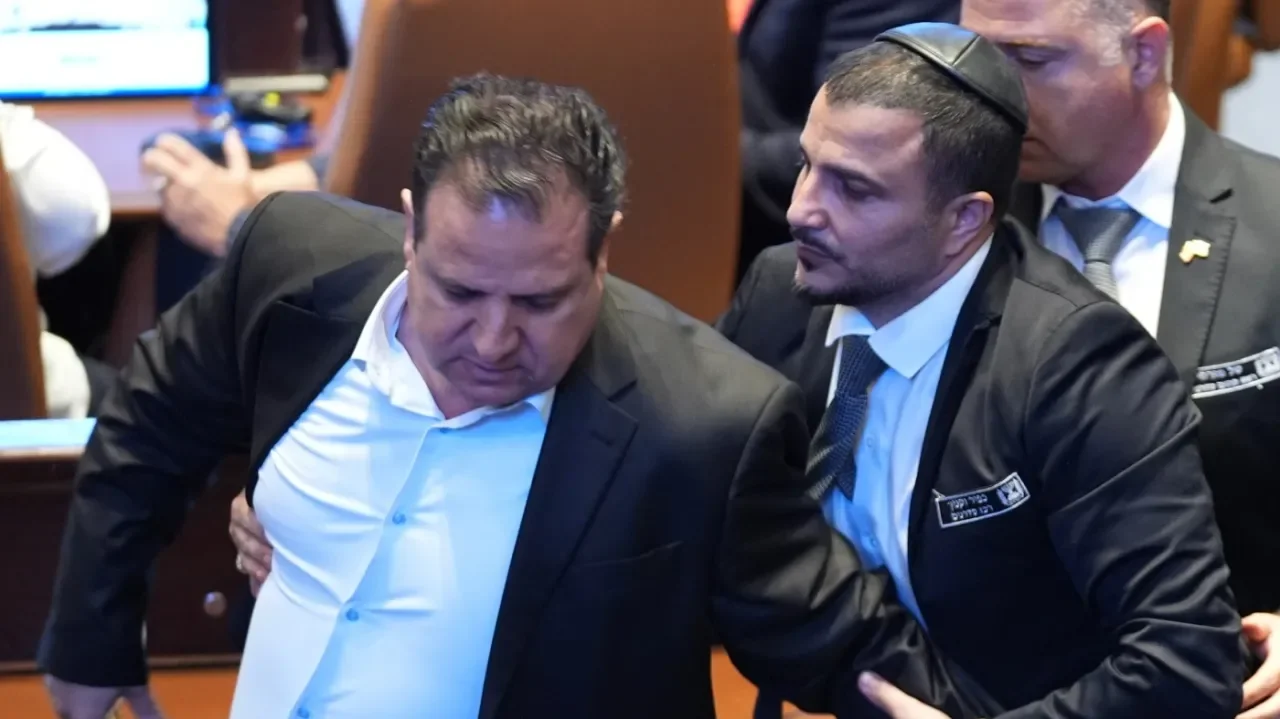
During President Trump's speech at Israel's Knesset, two lawmakers, Ayman Odeh and Ofer Cassif, were ejected after protesting for Palestinian recognition and justice, highlighting ongoing tensions over Palestinian statehood amid recent Gaza conflict developments.
The Knesset approved a non-binding declaration supporting the application of Israeli sovereignty over the West Bank territories of Judea, Samaria, and the Jordan Valley, signaling a political stance amid ongoing debates, with broad support from coalition parties and some opposition members.
Shas's spiritual leadership decided to quit Prime Minister Netanyahu's government but will not support no-confidence motions, following the resignation of UTJ members over failed negotiations on a bill to regulate Haredi military service, amid internal disputes and political tensions.
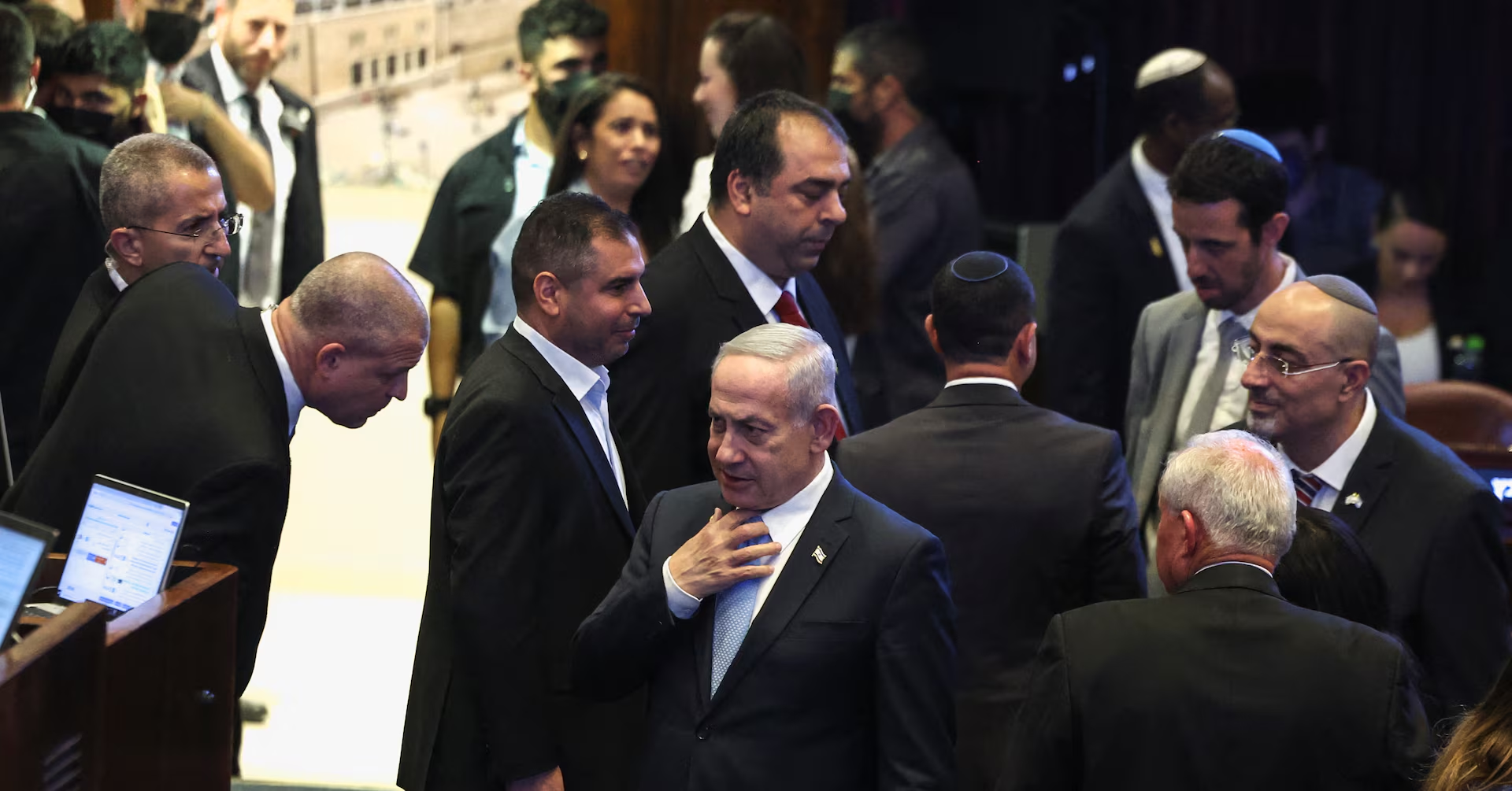
Israeli Prime Minister Benjamin Netanyahu's government faces potential collapse as opposition parties push to dissolve the Knesset, mainly due to disagreements over military service exemptions for ultra-Orthodox communities, amid ongoing security challenges and political tensions.
Israel's Knesset is set to vote on dissolving itself amid a political deadlock over military conscription exemptions for ultra-Orthodox parties, potentially leading to early elections that polls suggest Netanyahu would lose. The process could be delayed as coalition negotiations continue, with the final vote requiring a majority and possibly taking months. The crisis is compounded by ongoing Gaza conflict and public dissatisfaction with the government.
Israel's Knesset experienced significant turmoil following the appointment of Israel Katz as the new Defense Minister and Gideon Sa'ar as Foreign Minister, after Prime Minister Netanyahu dismissed Yoav Gallant. The opposition protested by leaving the plenum, leading to a session filled with heated exchanges. Katz's appointment sparked widespread protests and social media backlash, with many citizens expressing dissatisfaction. Despite the controversy, the appointments were approved with 58 votes, as opposition members abstained from voting.
Israel's Knesset has passed a controversial law allowing the expulsion of family members of terrorists, granting the interior minister authority to deport relatives if they were aware of or supported the terrorist act. The law, passed 61-41, aims to deter terrorism by threatening family consequences, despite concerns from the Shin Bet and legal advisors about potential security tensions and constitutional issues. The law's passage caused a split in opposition voting, with some parties supporting the bill despite earlier pledges to oppose the government.
Israeli Prime Minister Benjamin Netanyahu is considering dissolving the Knesset and calling for new elections to navigate political crises, including conflicts with far-right partners and an impending court decision on drafting ultra-Orthodox Israelis, while also seeking to advance a deal with Hamas.
Israeli War Cabinet member Benny Gantz has filed a motion to dissolve the Knesset, potentially triggering early elections. Gantz, a centrist and long-time rival of Prime Minister Benjamin Netanyahu, has criticized the government's handling of the Gaza conflict and the prioritization of Israeli hostages. While Gantz has more international goodwill, his domestic policies are not significantly different from Netanyahu's. Recent polls show Netanyahu regaining voter support, and Defense Minister Yoav Gallant is emerging as a key opposition figure, though his political stance remains ambiguous.
Benny Gantz's centrist party has proposed a vote to dissolve the Israeli parliament, the Knesset, and hold early elections, following an ultimatum to Prime Minister Benjamin Netanyahu to agree on a post-war Gaza plan by June 8. Netanyahu's Likud party opposes the move, arguing it would harm the war effort against Hamas. Despite Gantz's push, his party lacks sufficient seats to unilaterally bring down the ruling coalition, and analysts suggest Netanyahu's position remains secure for now. The conflict in Gaza has resulted in significant casualties and international condemnation.
National Unity MK Pnina Tamano-Shata submitted a bill to dissolve the Knesset as part of Benny Gantz's plan to hold elections by October. Gantz had previously issued an ultimatum to Netanyahu's government, demanding key objectives be met by June 8. Likud accused Gantz of fostering division, while National Unity countered that Netanyahu was prioritizing personal interests over national unity.