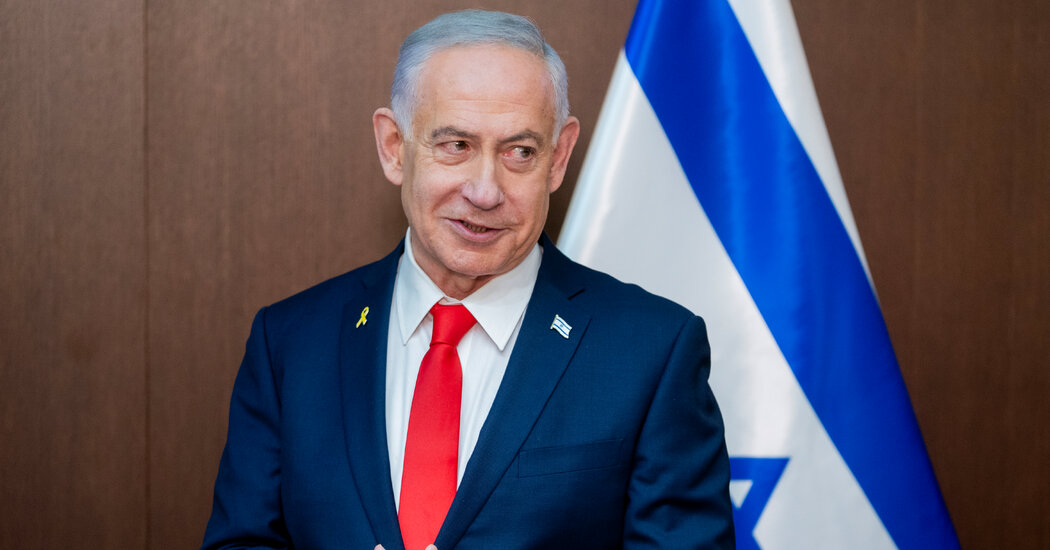
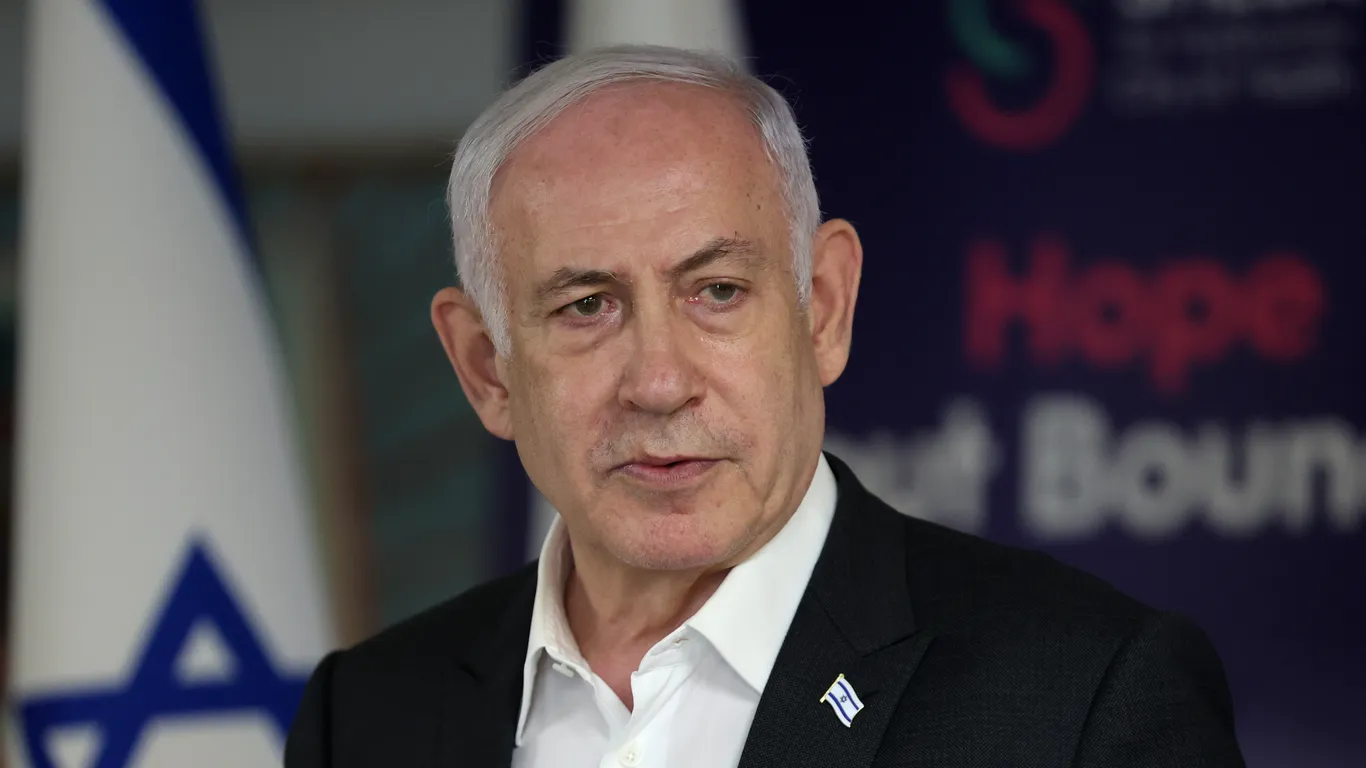
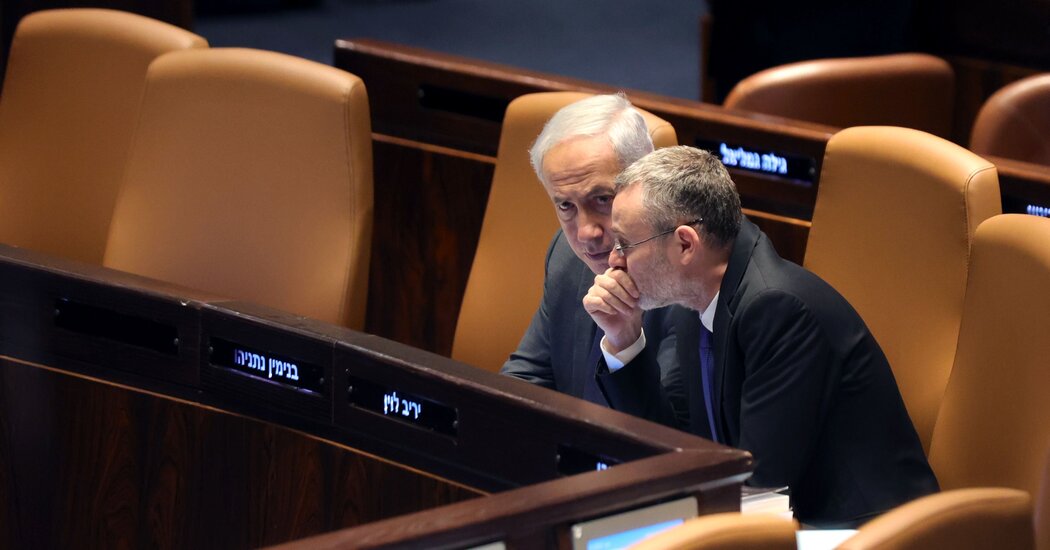
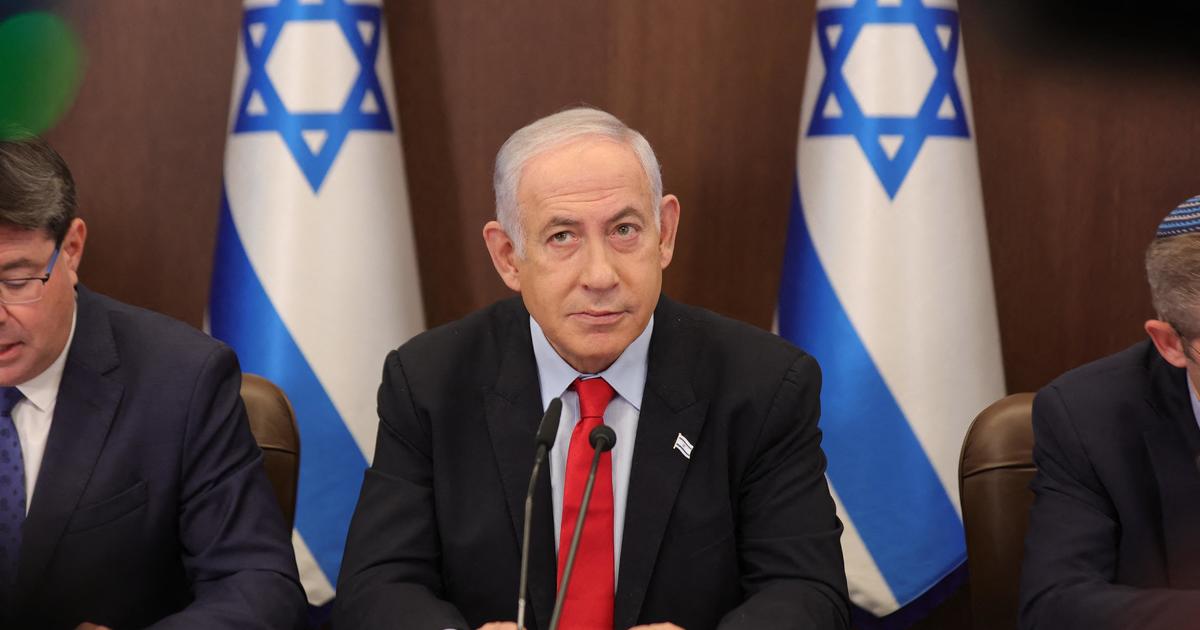
Israeli Prime Minister Benjamin Netanyahu faces mounting pressure to make critical decisions on Gaza, conscription, and judicial reforms amid upcoming elections, testing his usual strategy of delaying and outlasting adversaries.
Israeli Prime Minister Benjamin Netanyahu has begun his testimony in a long-awaited corruption trial amid ongoing Middle East conflicts, including a war in Gaza and military movements in Syria. Netanyahu faces charges of bribery, fraud, and breach of trust, which he denies, claiming the trial is a politically motivated "witch hunt." His testimony, delayed multiple times, coincides with his controversial push for judicial reforms and efforts to weaken democratic institutions in Israel, raising concerns about political and legal stability in the region.
Israeli Prime Minister Benjamin Netanyahu faces mounting pressure as the Supreme Court strikes down a judicial overhaul law amid a conflict with Hamas, which critics link to national disunity. The government contends with military, diplomatic, budgetary, and judicial challenges, including the aftermath of a costly war with Gaza and international scrutiny. Netanyahu's grip on power is questioned as the country navigates through its worst armed conflict in decades, with the US pushing for a de-escalation and a shift in war strategy. Despite opposition and calls for fiscal responsibility, Netanyahu's political future remains uncertain as he continues to lead a right-wing coalition.
Prime Minister Benjamin Netanyahu's coalition in Israel has decided not to immediately counteract a Supreme Court ruling that struck down a law aimed at limiting the judiciary's powers. This pause comes amid a conflict with Hamas in Gaza, with both supporters and opponents of the judicial overhaul emphasizing the importance of national unity during wartime. The controversial law, part of a broader government plan to increase the power of elected officials, was invalidated by a narrow court decision. Political figures across the spectrum are calling for respect for the ruling and focusing on the war effort, while the Supreme Court has also established its authority to overturn Basic Laws that harm the state's Jewish and democratic character.
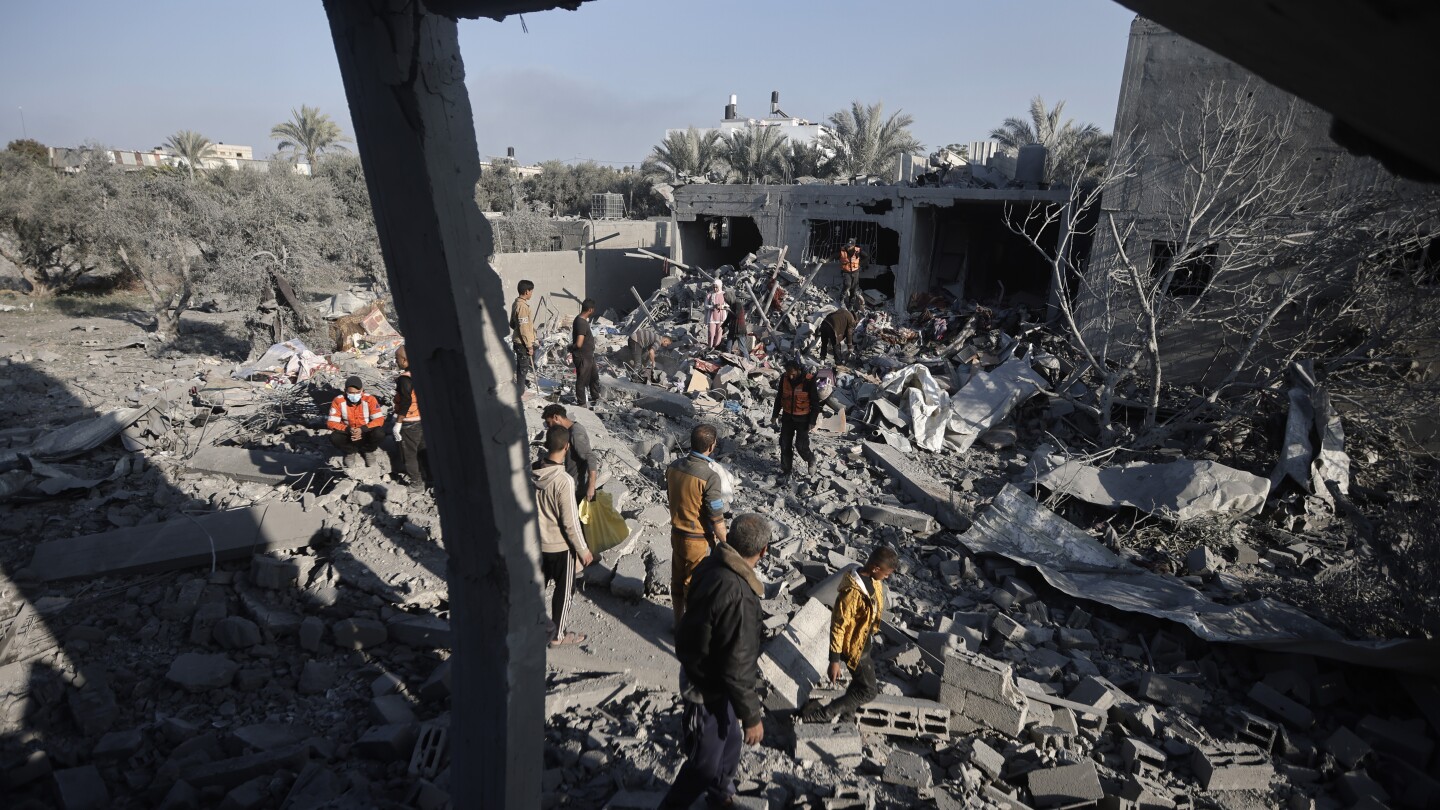
Israel is reportedly withdrawing troops from parts of Gaza, signaling a potential shift in its military strategy, despite ongoing heavy fighting in southern Gaza cities like Khan Younis. This comes amid international pressure and ahead of a visit by U.S. Secretary of State Antony Blinken. The Israeli Supreme Court struck down a key part of Prime Minister Netanyahu's judicial overhaul plan, which could impact Israel's defense against genocide charges at the International Court of Justice. The conflict has resulted in significant casualties and displacement, with South Africa filing a case against Israel at the ICJ, accusing it of genocidal acts.
Israel's Supreme Court has struck down a key part of Prime Minister Netanyahu's judicial overhaul, which aimed to limit the court's power, amidst a backdrop of conflict with Hamas in Gaza. The ruling comes at a sensitive time as Israel announces the withdrawal of troops from Gaza, signaling a potential shift in the war. The government's popularity has waned due to the war, and the public is divided on the issue of judicial powers and the ongoing conflict. The Supreme Court's decision could have significant implications for the balance of power in Israel's democracy and the government's ability to maintain its current policies during a period of intense conflict and humanitarian crisis.
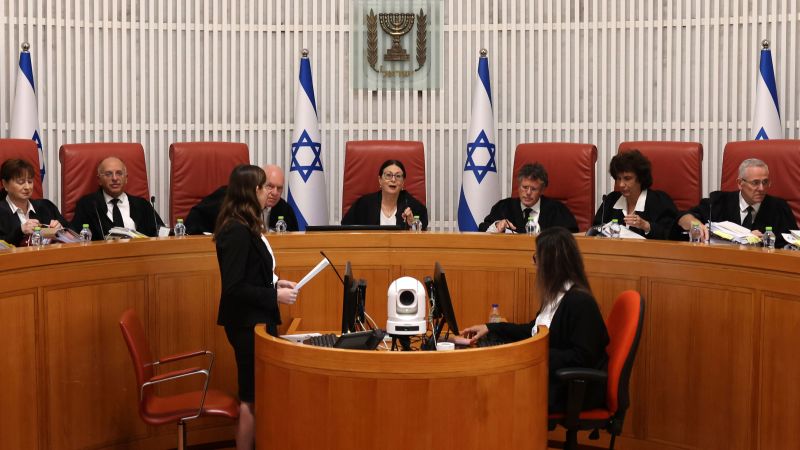
Israel's Supreme Court has struck down a key part of Prime Minister Benjamin Netanyahu's judicial overhaul plan, which aimed to limit the court's power and faced widespread protests. The court's decision, which came amid an ongoing war with Hamas, could reignite societal tensions. The overturned law would have prevented judges from deeming government decisions "unreasonable," a move critics argued could lead to corruption. The ruling is a significant setback for Netanyahu's government, which could potentially ignore the decision, risking a constitutional crisis. The overhaul has been controversial, with opponents viewing it as a threat to democracy and a power grab by Netanyahu, who is currently on trial for corruption charges.
Israel's Supreme Court has invalidated a key part of Prime Minister Benjamin Netanyahu's judicial overhaul plan, which aimed to limit the judiciary's power. The court's decision, made amidst ongoing conflict with Hamas, could reignite political tensions and has been met with criticism from Netanyahu's allies. The controversial amendment had removed the court's ability to veto government decisions on the basis of unreasonableness, a move opposed by many in Israel and international allies, including the US. The ruling marks the first time the Supreme Court has struck down a Basic Law amendment, highlighting the potential for a constitutional crisis.
Israel commemorates the 50th anniversary of the 1973 war that brought the country to the brink of defeat, but the wartime unity has given way to increasing polarization within Israeli society. The war, which began with a surprise attack by Syrian and Egyptian forces, initially caught Israel off guard but eventually led to decisive victories. However, criticism of then-Prime Minister Golda Meir and her government's failure to prepare has resurfaced. The anniversary highlights the deep divisions over issues such as Prime Minister Benjamin Netanyahu's plans to overhaul the judiciary, which has sparked protests and military reservists refusing duty. Despite the internal divisions, many Israelis express pride in having helped save their country during the war.
Leaders of the Brothers and Sisters in Arms, a protest group against the Israeli government's judicial overhaul efforts, warn of an existential threat to Israel from within. They argue that the government's bid to gain unlimited power and curb the judiciary's powers poses a serious danger. The protesters, including military reservists, pilots, academics, and legal professionals, have been organizing weekly mass protests for 37 consecutive weeks. The government has dismissed their concerns, accusing them of being anti-Israel and financially backed by external forces. Supporters argue that the overhaul is necessary to curb the powers of an unrestrained judiciary, while critics fear it will undermine Israel's democratic system.
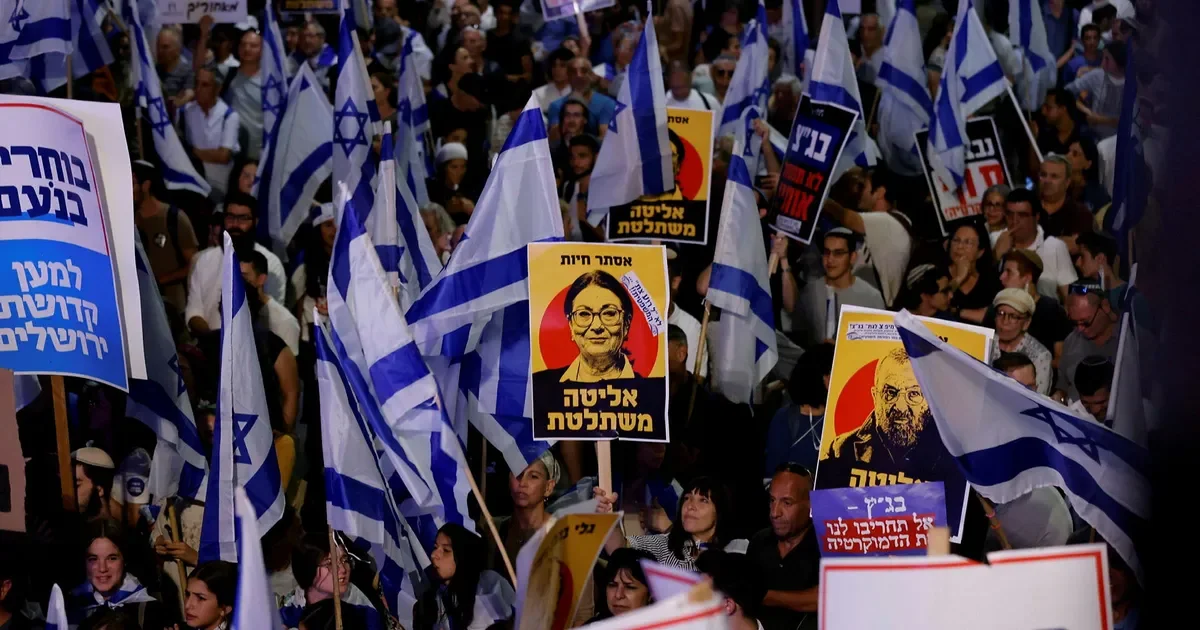
Thousands of pro-government supporters rallied outside the Supreme Court in Jerusalem, urging the coalition to continue its efforts to weaken the judiciary ahead of crucial High Court of Justice hearings on the divisive judicial overhaul. Finance Minister Bezalel Smotrich and other ministers warned the High Court against striking down part of the coalition's legislative package, with Smotrich telling Chief Justice Esther Hayut not to overturn the law. The protest saw a lower turnout compared to previous pro-government demonstrations, and some participants were seen expressing support for Jewish terrorists. The rally preceded a High Court hearing on the reasonableness law, which is part of the government's judicial overhaul package. Supporters argue that the court has usurped power from elected officials, while opponents fear it could undermine the independence of law enforcement agencies.
Thousands of right-wing supporters gathered in Jerusalem to protest against the intervention of the High Court in government decisions, asserting that democracy stems from their votes and not from Supreme Court judges. The demonstration comes ahead of next week's hearing on the reasonableness standard.
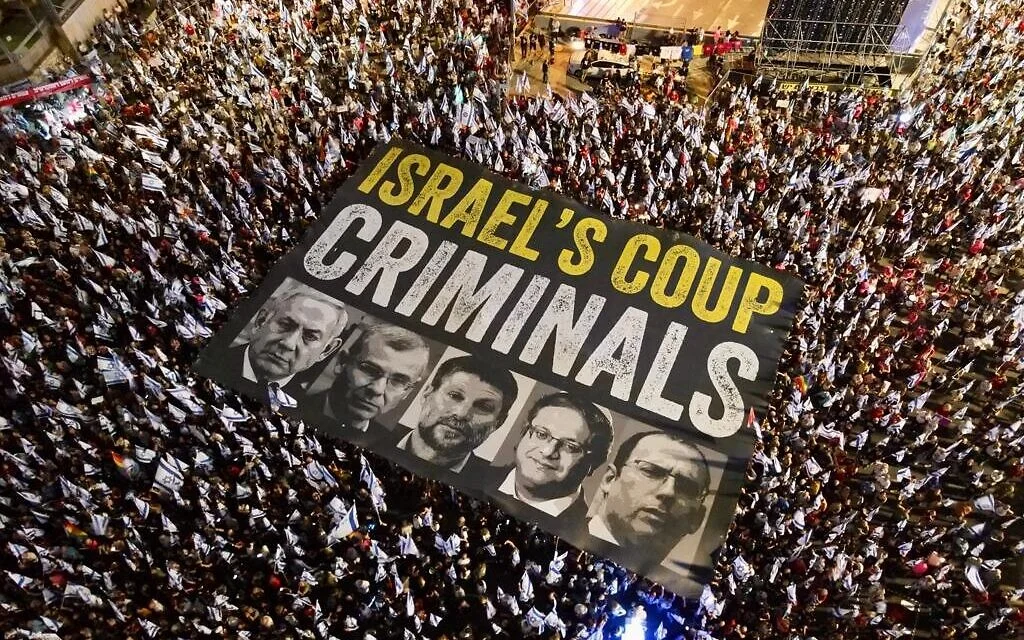
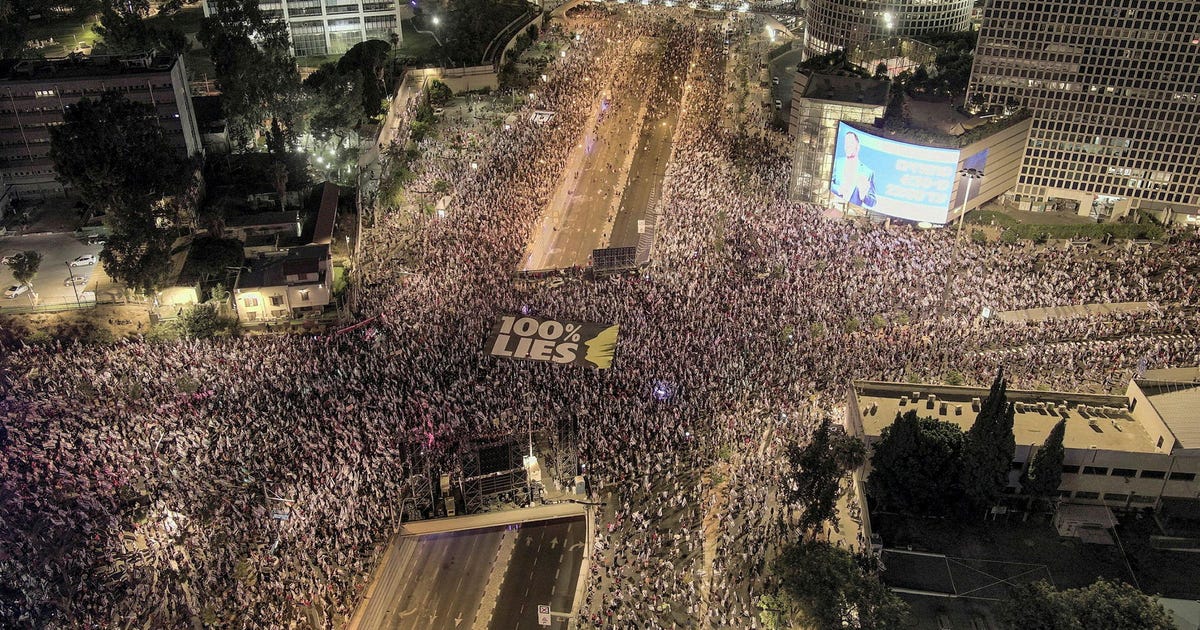
Tens of thousands of Israelis rallied in Tel Aviv and other cities across the country for the 32nd consecutive week to protest against the government's judicial overhaul plan. The main Tel Aviv protest drew over 100,000 attendees, with other rallies held at approximately 150 locations. Protesters marched to the home of Knesset Speaker Amir Ohana and blocked traffic on Yigal Alon road, while police arrested three Palestinians who had unlawfully entered Israel. Retired general Amiram Levin made an emotional plea to Likud ministers to oppose the legislation, accusing Prime Minister Benjamin Netanyahu of wanting to hand the country over to criminals. Protest leader Shikma Bressler emphasized the need to continue fighting against the coalition's plans, and Opposition Leader Yair Lapid called the government illegal. The High Court of Justice is set to rule on the reasonableness law in September, potentially leading to a constitutional crisis. Protesters are prepared to completely shut down the country if the government does not respect the court's ruling.
Israeli Prime Minister Benjamin Netanyahu has indicated that his government will proceed with changing the composition of the Judicial Selection Committee, a key part of the controversial judicial overhaul plan, and then halt further reforms. Netanyahu defended the need for balance between the government and the judiciary, stating that Israel's Supreme Court is "perhaps the most activist judicial court on the planet." The proposed changes would give the government near-absolute control over judicial appointments. The opposition has criticized Netanyahu's comments as "yet another display of weakness and lies." The High Court is set to hear petitions against the recently passed "reasonableness" law on September 12.
Tens of thousands of Israelis gathered for the 31st consecutive week of protests against Prime Minister Benjamin Netanyahu's judicial overhaul. Protest leaders expressed concerns over the dismantling of the judicial system and Netanyahu's refusal to commit to abiding by a critical High Court ruling. Demonstrators emphasized the global significance of their fight for liberal democracy and criticized politically driven appointments undermining professional standards in the civil service. The protests proceeded safely despite a terror attack earlier in Tel Aviv. The movement also faced challenges such as the banning of activities in schools and the dismissal of teachers discussing the judicial overhaul.