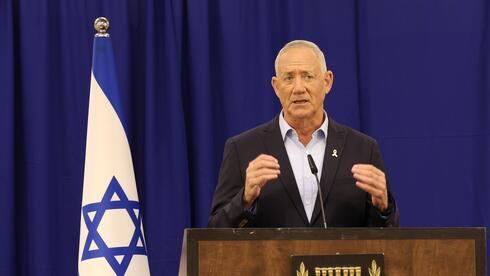
Benny Gantz calls for a six-month unity government with Netanyahu, Lapid, and Liberman to focus on hostage negotiations and military draft laws, emphasizing the urgency of saving hostages and proposing a responsible alternative to current government instability, despite declining poll support.
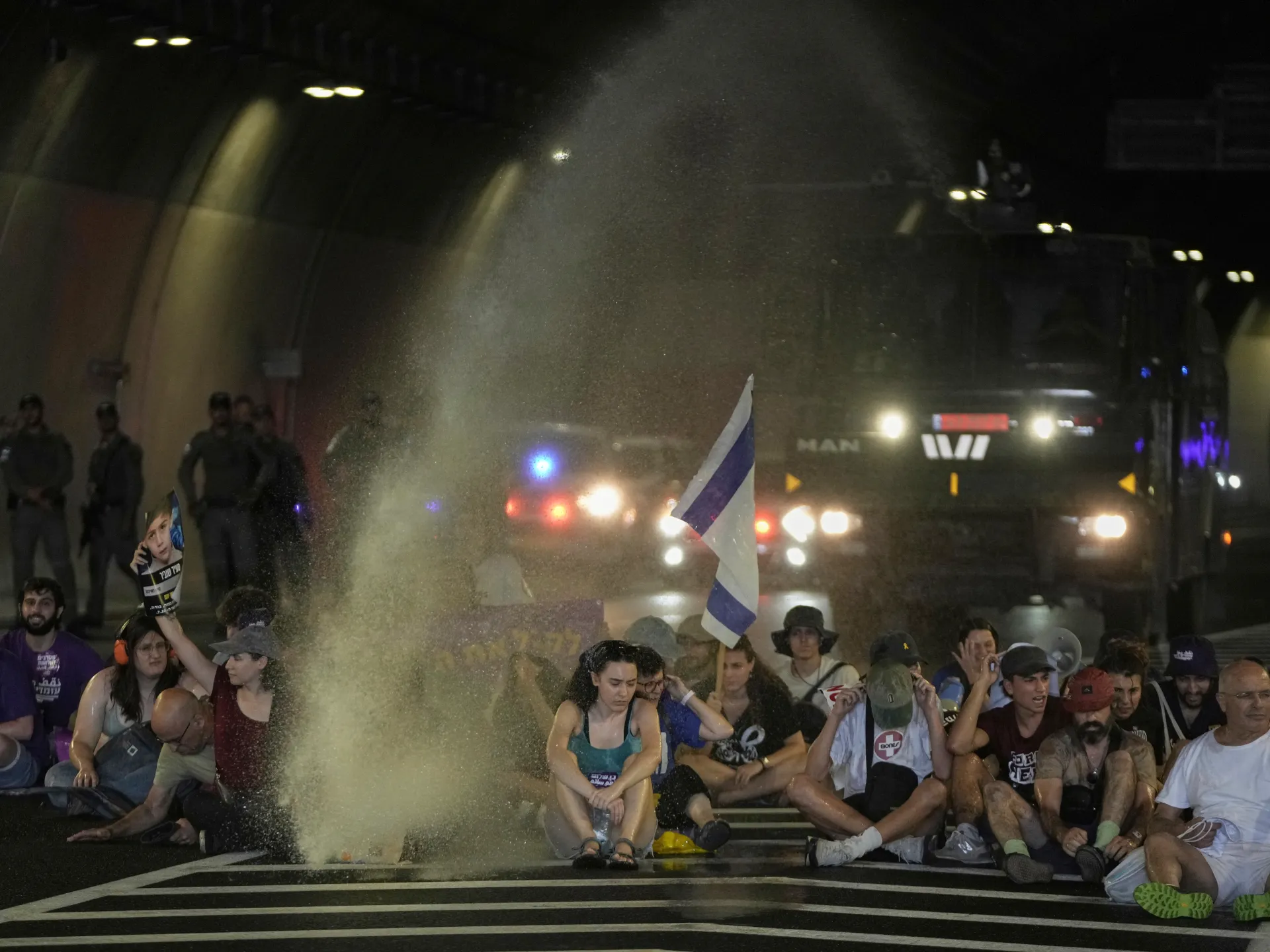
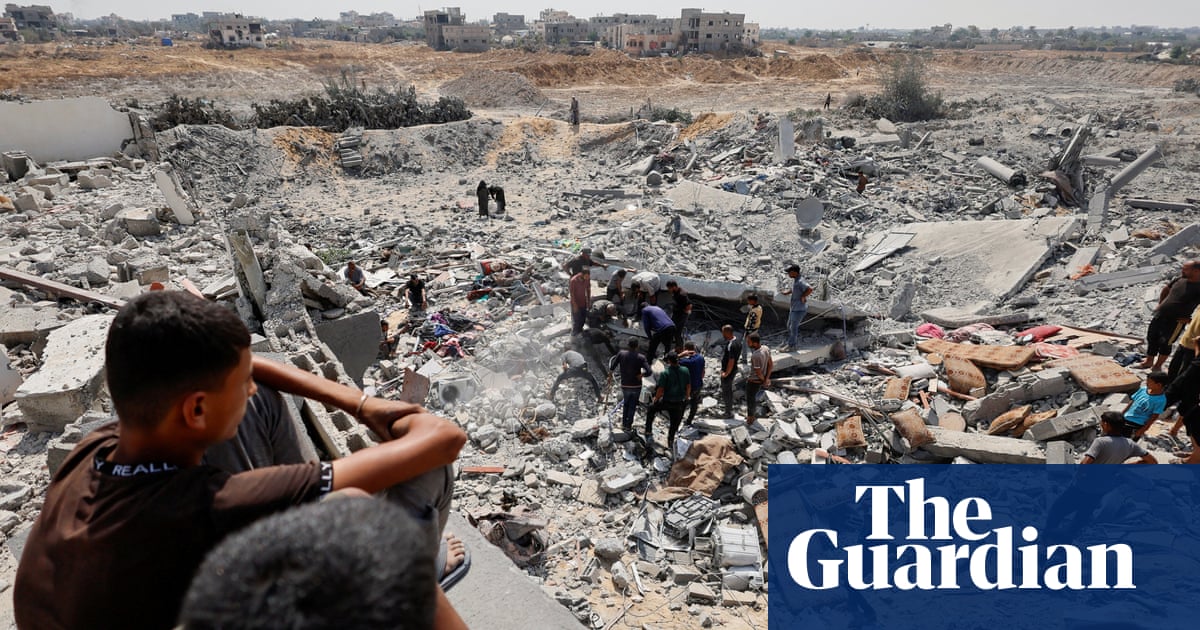
Thousands of Israelis protested nationwide demanding an end to the Gaza war and the release of captives, amid escalating military actions and political tensions, with some criticizing the government’s handling of the hostage crisis and the ongoing conflict.
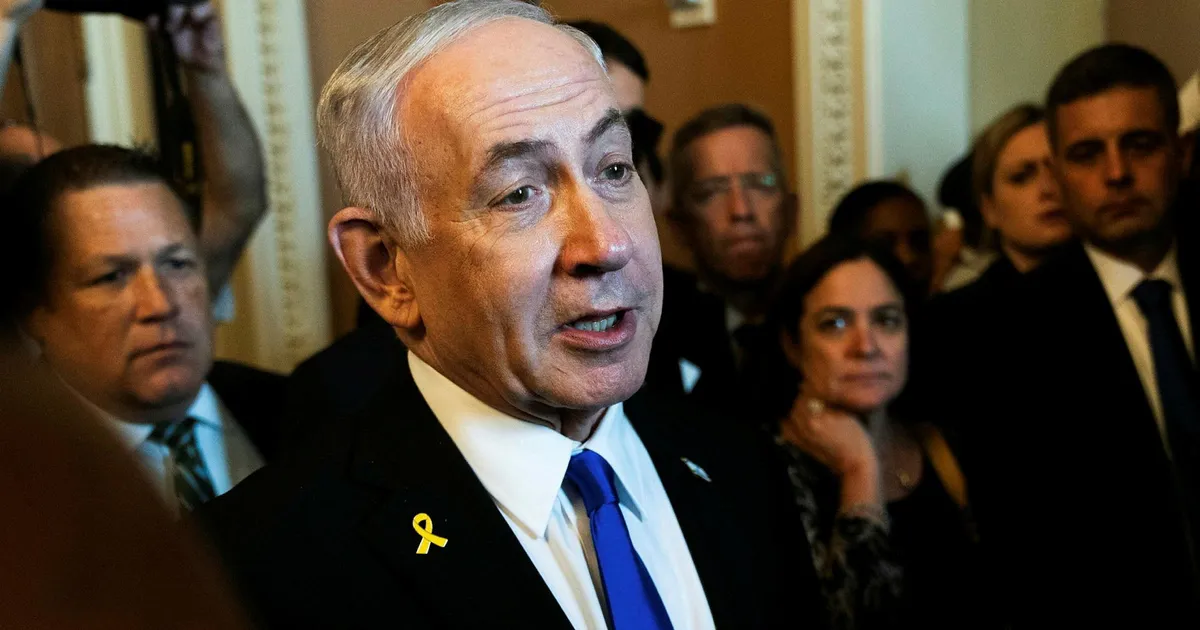
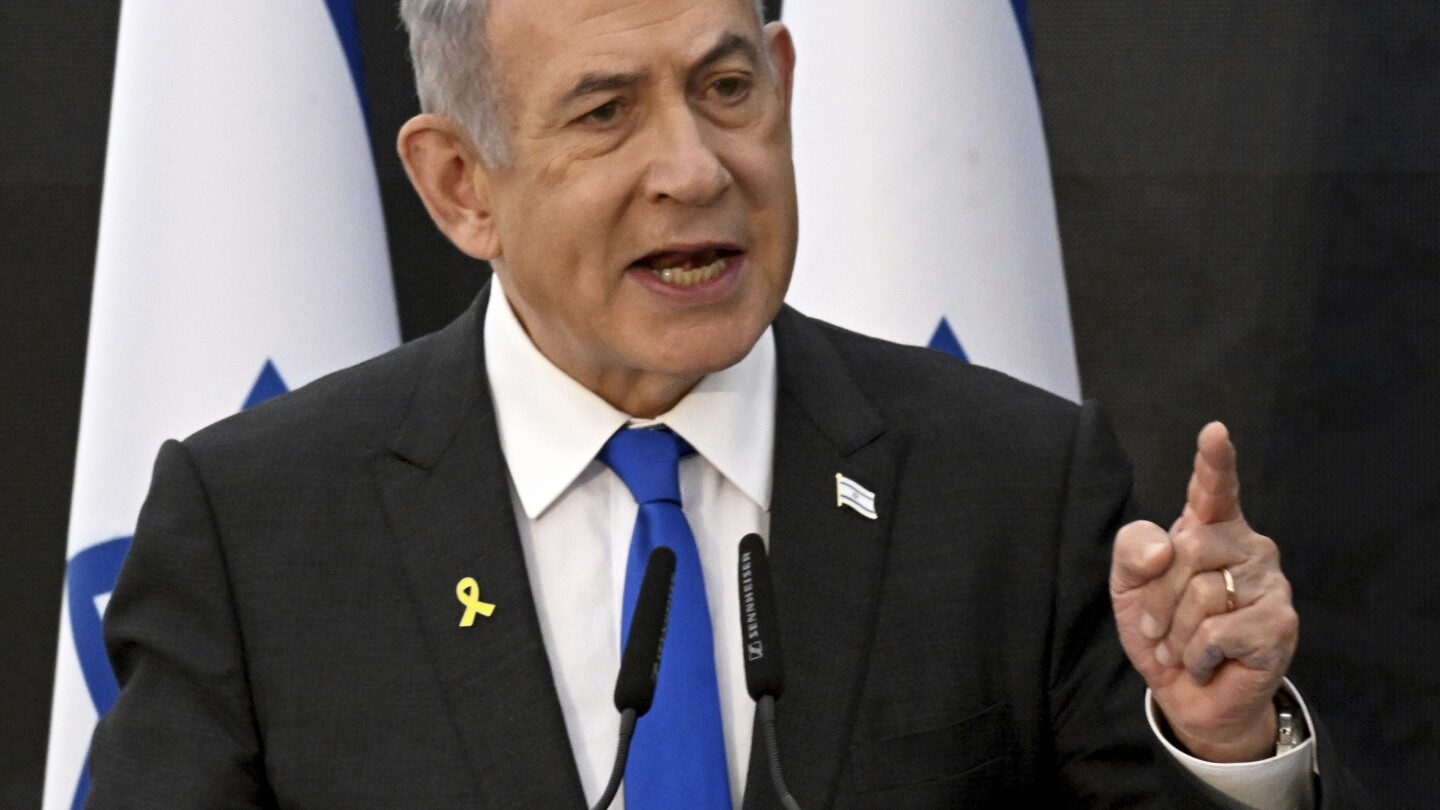
Israeli Prime Minister Benjamin Netanyahu dismissed polls indicating public support for a Gaza cease-fire, criticizing media reports as 'Hamas propaganda,' while hostage families and various commentators express frustration and concern over the ongoing conflict and political leadership.
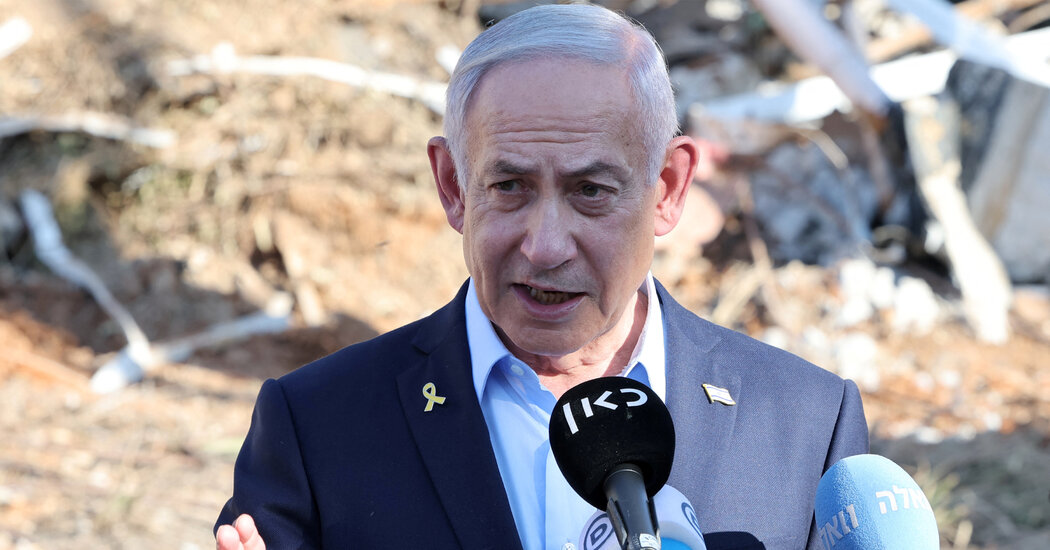
Benjamin Netanyahu's recent military actions against Iran have strengthened his political position, giving him more leverage to negotiate a potential end to the Gaza war, despite his current stance demanding Hamas's surrender. His success in Iran has boosted his popularity and may influence his future decisions on Gaza, although challenges remain from coalition partners and Hamas's resistance.
A recent Jerusalem march highlighted the far right's aggressive stance on the Gaza war, revealing deep-rooted issues of nationalism, racism, and political extremism in Israel, amid widespread concern over dehumanization, violence, and systemic issues within Israeli society and policies.
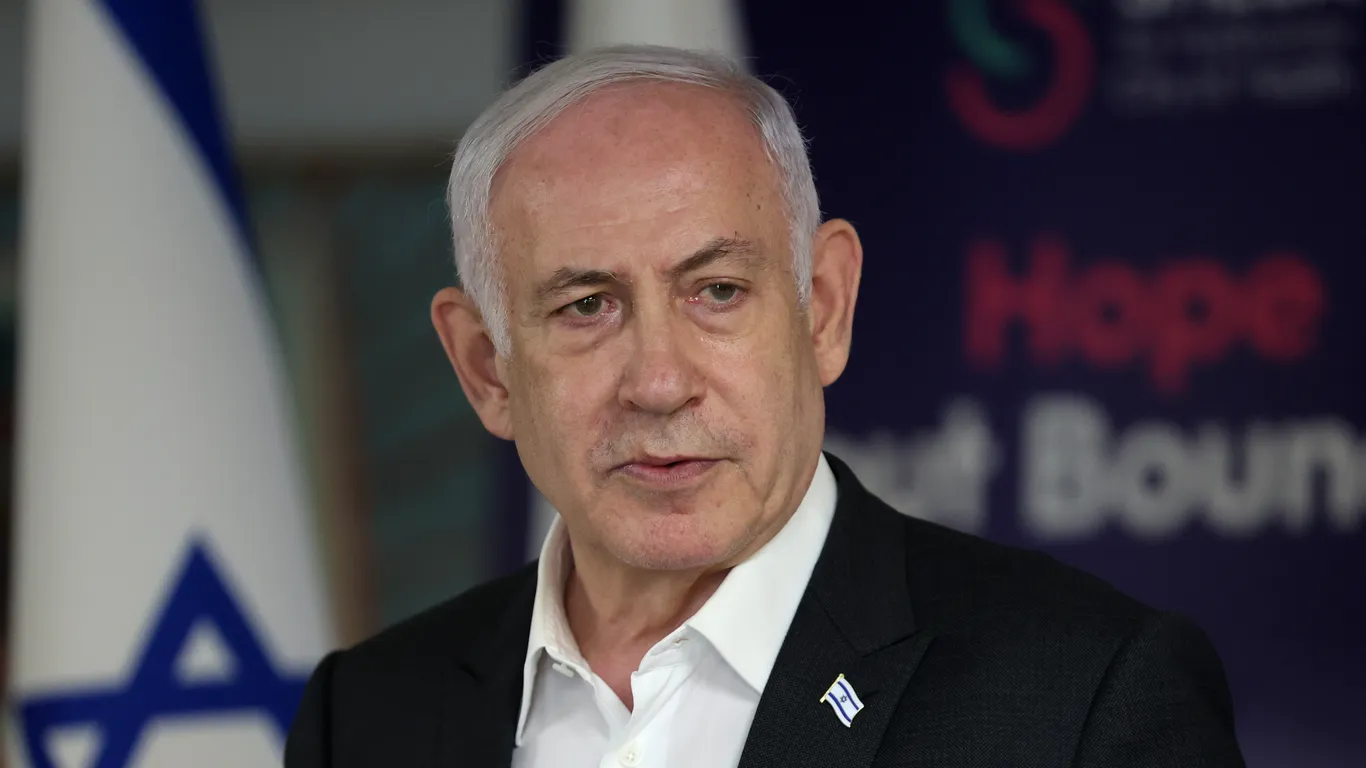
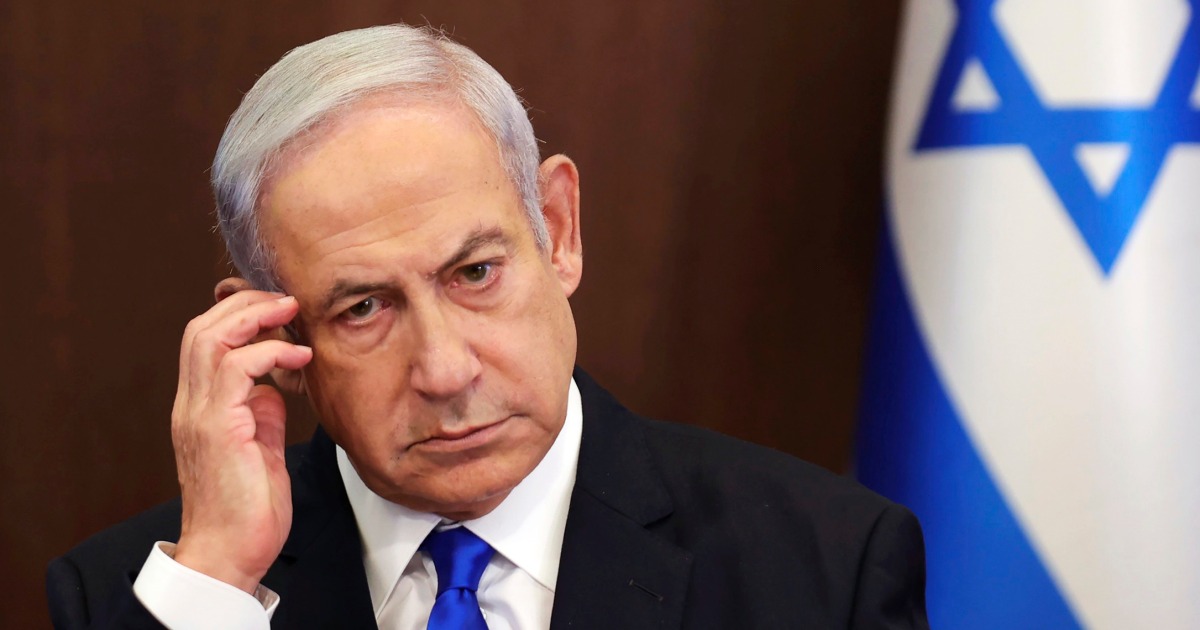
Israeli Prime Minister Benjamin Netanyahu has begun his testimony in a long-awaited corruption trial amid ongoing Middle East conflicts, including a war in Gaza and military movements in Syria. Netanyahu faces charges of bribery, fraud, and breach of trust, which he denies, claiming the trial is a politically motivated "witch hunt." His testimony, delayed multiple times, coincides with his controversial push for judicial reforms and efforts to weaken democratic institutions in Israel, raising concerns about political and legal stability in the region.
President Joe Biden suggested that Israeli Prime Minister Benjamin Netanyahu might be prolonging the Gaza war for political gain, a statement that drew sharp criticism from the Israeli government. Biden's comments come amid Netanyahu's declining popularity and ongoing corruption charges. The US president also addressed allegations of war crimes in Gaza, expressing uncertainty but acknowledging the severe suffering of Palestinians.
President Biden's proposed Gaza cease-fire places Israeli Prime Minister Benjamin Netanyahu at a critical juncture that could define his legacy. Accepting the proposal could end the war, return hostages, and advance ties with Saudi Arabia but might collapse his coalition and increase his vulnerability in a corruption trial. Rejecting it could deepen Israel's international isolation and worsen U.S. relations. Netanyahu's decision is complicated by internal political pressures and his desire to secure a lasting legacy.
Israeli Prime Minister Benjamin Netanyahu will not agree to a hostage deal with Hamas unless opinion polls show it is politically advantageous, according to a top security official. This revelation has caused outrage among the families of hostages, who accuse the government of prioritizing political interests over their duty to secure the hostages' release. Netanyahu's national security adviser, Tzachi Hanegbi, indicated that public opinion could influence Netanyahu's decision, but current polls show mixed views on ending the war in exchange for hostages.
The ultra-orthodox draft exemption issue has intensified the threat against the Netanyahu government in Israel, as the coalition faces a potential collapse over the contentious topic. The exemption has long been a point of contention, with ultra-orthodox parties seeking to maintain it while others push for its reform. The debate has put pressure on the fragile coalition, raising concerns about its stability and potential impact on Israeli politics.
Tens of thousands of Israelis protested across the country, calling for the release of Israeli hostages held in the Gaza Strip and demanding early elections. Demonstrators denounced both the governing coalition and the opposition, urging for a change in leadership. The protests also addressed the issue of drafting ultra-Orthodox Israelis into the IDF, with speakers expressing a desire for compromise and criticizing the current leadership's handling of the situation.
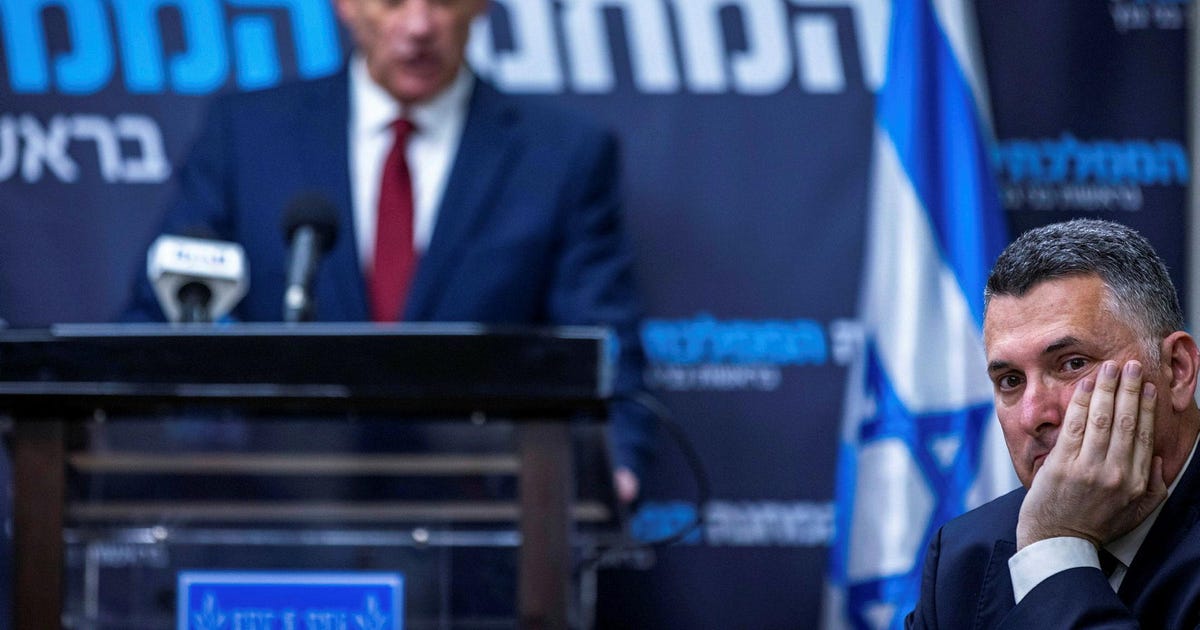
Gideon Sa'ar's unexpected departure from Benny Gantz's National Unity Party faction has removed a key figure from Netanyahu's opposition-within-government, potentially giving the Prime Minister valuable time and delaying elections further. This move has surprised many due to its timing and could significantly impact the political landscape in Israel.
According to a US intelligence report, Benjamin Netanyahu's rule in Israel is "in jeopardy" due to ongoing political turmoil. This assessment comes as Netanyahu faces challenges in forming a coalition government, leading to uncertainty about his leadership in the country.
Recent polls in Israeli media indicate that Prime Minister Benjamin Netanyahu's Likud party is slowly regaining support, while Benny Gantz's National Union is losing momentum. One survey suggests that Netanyahu's coalition would secure 59 mandates, just two seats shy of its current number of 61. Netanyahu is also shown as the preferred candidate for prime minister in matchups with Gantz and Yair Lapid. However, other polls present different results, with fluctuations in support for both parties and minor changes in the perception of suitability for prime minister.
Israeli politicians, including opposition leaders Benny Gantz and Yair Lapid, criticized National Security Minister Itamar Ben-Gvir for his comments to The Wall Street Journal suggesting that former US President Donald Trump would have been more beneficial to Israel in its conflict with Hamas. Prime Minister Benjamin Netanyahu emphasized the importance of navigating Israel's relations with the US while standing by national interests and dismissed the need for help in doing so. The backlash against Ben-Gvir's remarks reflects divisions within the Israeli government over its approach to US relations and the ongoing conflict.